


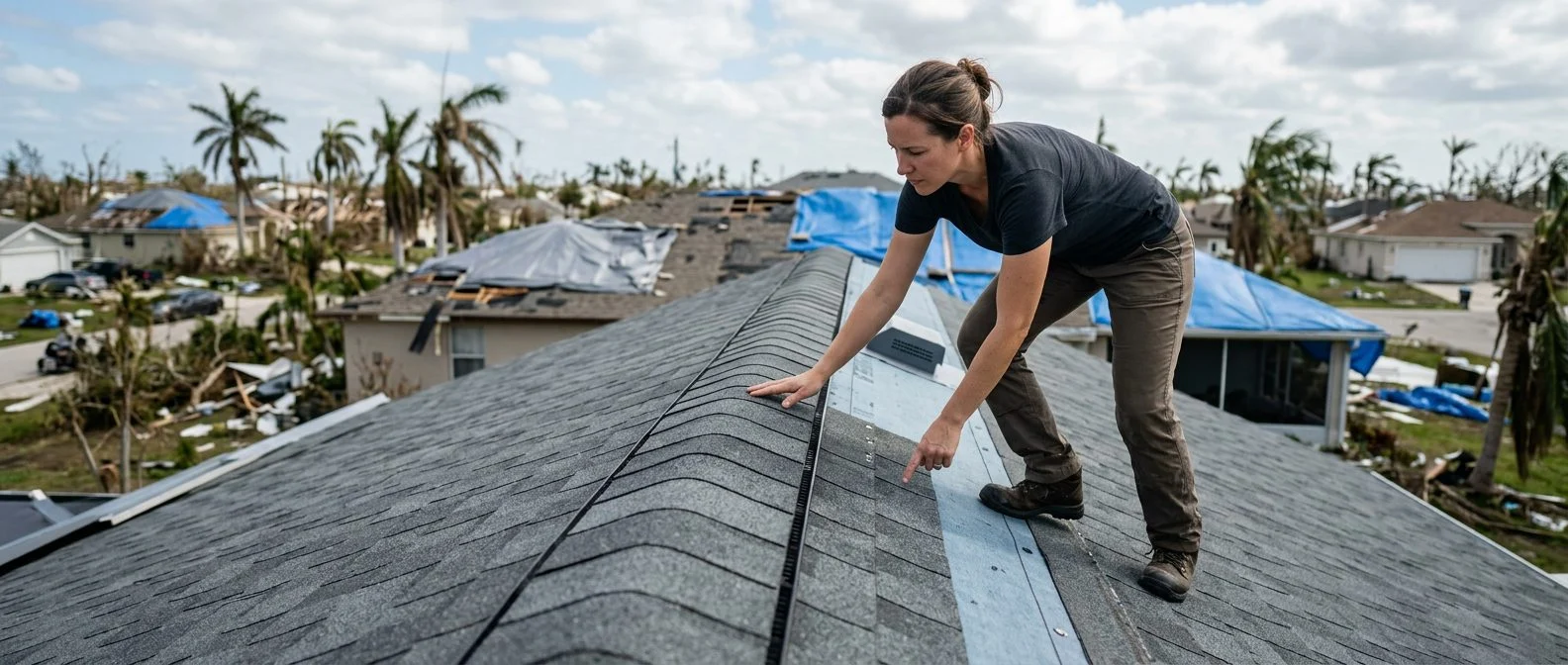
Roof Replacement Guide
When Your South Florida Roof Needs Replacement: What Homeowners Should Know
Learn how to identify replacement vs. repair, understand your material options, and plan your next steps with confidence.
By ASP Superhome · Published September 13, 2026
Roof Replacement in South Florida: The Complete Homeowner’s Guide
Roof replacement in South Florida means installing a new roof system built to survive intense sun, salt air, and hurricane-force wind. It’s a bigger decision here than almost anywhere else, because our climate and building codes demand more from every roof.
If you’re weighing whether to replace your roof, this guide walks you through the whole picture. You’ll learn the warning signs, how to choose between tile and metal, what drives cost, and how permits and insurance work. ASP Superhome installs and replaces roofs across the region, and we’ve built this hub to help you make a confident, informed choice.
Not sure what your next step is?
Talk it through with our team — the first consultation is free, confidential, and carries no obligation.
Why Roof Replacement Is Different in South Florida
South Florida roofs age faster because they face sun, heat, humidity, salt air, and hurricane-season storms all year. That combination wears out materials quicker than in most other parts of the country.
Coastal salt air corrodes metal and loosens fasteners. Relentless UV bakes shingles and dries out sealants. Then hurricane season brings driving rain and gusts that test every weak point. A roof that might last 30 years up north can decline much sooner here.
Building rules also shape the job. The Florida Building Code sets strict standards for roofing, and Miami-Dade County sits inside the High-Velocity Hurricane Zone (HVHZ). In HVHZ areas, your roof must meet tougher wind and product-approval requirements. You can verify how Florida’s building and permitting framework is established through the Florida Legislature’s Online Sunshine statutes site.
At ASP Superhome, we think about your whole home, not just the roof. A new roof can be planned to work with impact windows, solar panels, and solar battery backup for stronger, more efficient protection.
Signs It May Be Time to Replace Your Roof
The clearest signs your roof may need replacing are visible damage on the surface and water problems inside your home. When both show up together, replacement often makes more sense than another patch.
Outside, look for missing, cracked, or curling shingles. On tile roofs, watch for broken or slipping tiles. On metal roofs, check for rust, loose panels, or lifted fasteners. These are all points where water can sneak in.
Inside, the red flags include water stains on ceilings, a sagging roofline, daylight showing through the deck, and leaks that keep coming back after repairs. If your roof is aging and you’ve paid for several repairs already, those costs add up fast.
Want a deeper checklist? Read our page on signs you need a new roof to see what to look for before you call.
Repair or Replace? How to Weigh the Decision
A repair may be enough for isolated, recent damage on a roof that’s still fairly young. A full replacement makes more sense when your roof is old, widely damaged, or leaking in several spots.
Three things matter most: the roof’s age, how much of it is damaged, and the condition of the decking underneath. If the wood decking is soft or rotted, spot repairs won’t hold. When a roof nears the end of its service life, another repair often just delays the inevitable.
Storm damage adds another layer. After a major storm, damage may trigger an insurance claim, which can change the math on repair versus replacement. We explain the trade-offs in detail on our roof repair vs. replacement page and our storm damage roof replacement page. For smaller, targeted fixes, see roof repair.
Choosing the Right Roof Type for a Florida Home
The two roof types that perform best in South Florida are tile and metal, and each has real strengths. Your choice depends on your budget, your home’s look, and how you weigh longevity against upfront cost.
Tile Roofing
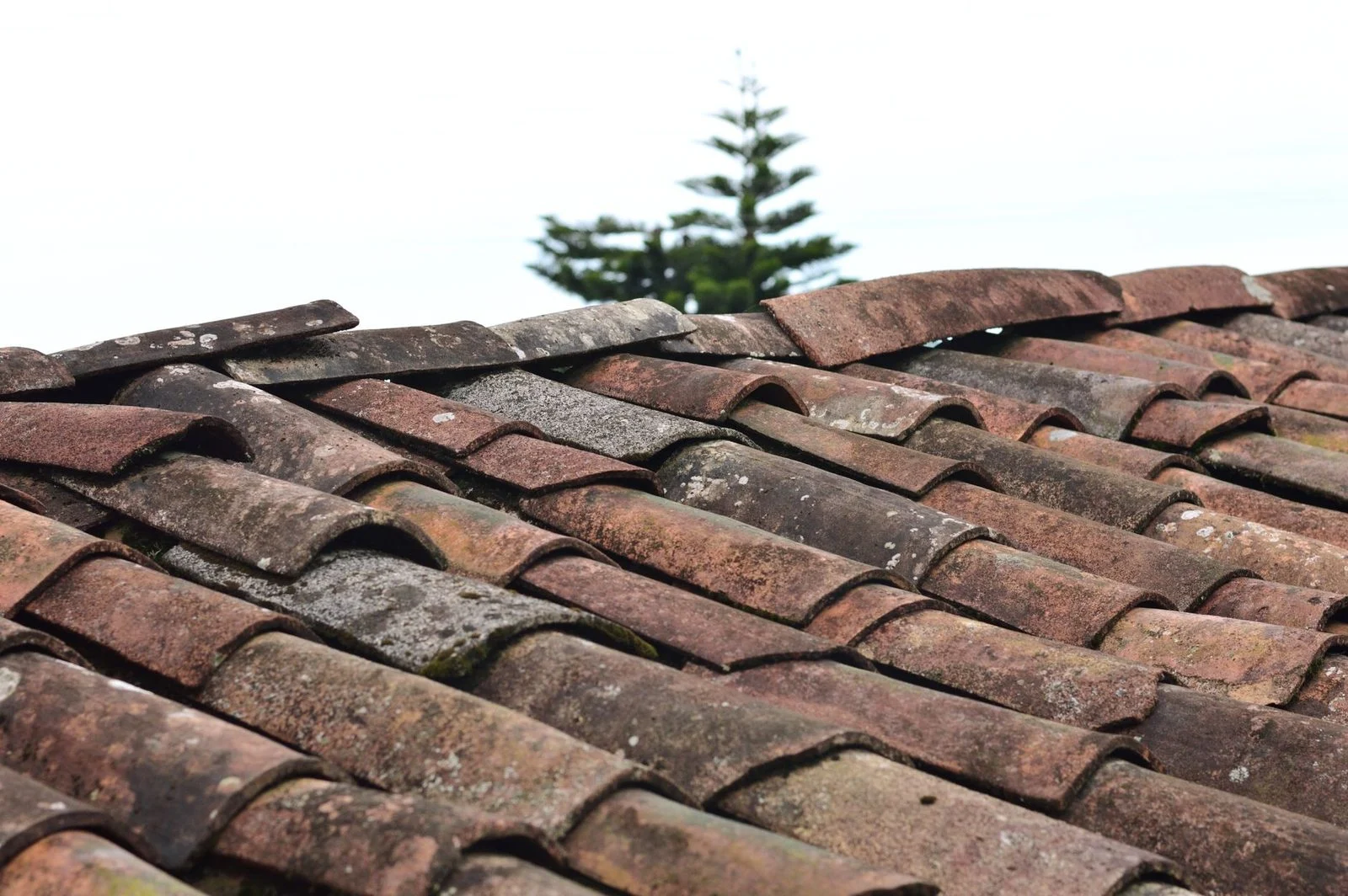
Tile roofs are durable, attractive, and handle heat well. Concrete and clay tiles resist the sun’s UV rays and can last for decades in Florida conditions. They also give homes that classic coastal and Mediterranean look many owners love. Learn more on our tile roof replacement page.
Metal Roofing
Metal roofs offer strong wind resistance, long life, and a reflective surface that helps keep homes cooler. Standing-seam metal stands up well to hurricane-season gusts when installed to code. Coastal homes need corrosion-resistant options because of salt air. See our metal roof replacement page for details.
Planning for Solar
If you may add solar later, tell us now. A solar-ready roof is designed so panels and solar battery backup can be added cleanly without tearing into new work. Read best roof type for Florida homes and solar-ready roof to compare your options.
Understanding Roof Replacement Cost
Roof replacement cost in South Florida depends on your roof’s size, its slope, the material you pick, and how much repair the deck needs. Code and HVHZ upgrades can also add to the scope.
Larger and steeper roofs take more material and labor. Tile and premium metal cost more than basic asphalt, but they often last longer. If old layers need removal (tear-off) or the decking is rotted, that raises the price. HVHZ product approvals and stronger fastening add cost too, but they’re what keep your roof safe in a storm.
A rough phone quote can’t capture all of this. That’s why a detailed, itemized estimate matters. It shows exactly what you’re paying for and prevents surprises later. See our roof replacement cost page, then book a free estimate for numbers tied to your actual home.
Have questions about what happened?
Ask our team directly. The first conversation is free, confidential, and there is no obligation to continue.
Permits, Codes, and Inspections
Roof replacements in Florida require a building permit and must meet current building code. This protects you, your home, and your investment.
The permit process includes inspections at key stages, often after tear-off and again at completion. Inspectors confirm the work meets code and, in HVHZ areas, that approved products were used correctly. Skipping permits can cause trouble when you sell your home or file an insurance claim.
Working with a licensed contractor keeps your project compliant from start to finish. We handle the permitting and inspection steps for you. Our roof replacement permits and codes page explains the process in plain terms.
Insurance and Roof Replacement
Your roof’s age and condition can affect your Florida homeowners insurance, and storm damage may sometimes be covered. Coverage depends on your policy, your roof’s age, and the cause of the damage.
Many insurers ask for a wind mitigation inspection, which documents how well your roof resists storms. A newer, code-compliant roof can improve your standing with insurers. When a storm causes damage, the claims process usually starts with documentation and an inspection of the harm.
We can provide inspection support and clear documentation during a claim. To be honest with you: we do not control insurers and cannot guarantee any claim outcome. What we can do is give you accurate records and code-compliant work. Learn more on our roof replacement insurance coverage and storm damage roof replacement pages.
What to Expect During Your Roof Replacement
A roof replacement moves through clear phases: estimate, material selection, permitting, tear-off, installation, cleanup, and final inspection. Knowing the order helps you plan around it.
First, we inspect and give you an itemized estimate. Once you choose your material, we pull permits. On installation day, the crew removes the old roof, repairs any bad decking, lays new underlayment, and installs your new roof system. Then we clean up thoroughly and schedule the final inspection.
Timelines vary. Many homes are done in a few days, but weather, roof size, and material can extend that. HVHZ inspections and permit scheduling also play a role. Our how long does roof replacement take page covers realistic timelines.
To get ready, clear your driveway, move fragile items off walls, and secure pets. See how to prepare for roof replacement for a simple checklist.
Roof Lifespan and Protecting Your Investment
A well-installed roof in South Florida can last for decades, and the exact range depends on the material and upkeep. Tile and metal roofs generally last longer than asphalt in our climate.
You extend that life with simple habits. Keep gutters clear, trim overhanging branches, and address small issues before they spread. A quick inspection after major storms catches damage early, before it turns into a leak.
Think ahead, too. If you may add solar or impact windows later, planning now saves money and hassle. A coordinated, whole-home upgrade protects your investment better than piecemeal fixes. Our roof lifespan page dives deeper into what to expect.
Roof Replacement Across South Florida
ASP Superhome serves homeowners throughout South Florida, and we tailor each project to local conditions. Coastal homes and inland homes face different challenges, and we plan for both.
Salt air hits coastal areas hardest, so corrosion resistance matters more near the shore. Inland areas still face intense sun and hurricane-season rain. We work across the region and know how these local factors shape the right roof.
Explore your area:
- Roof replacement in Miami
- Roof replacement in Fort Lauderdale
- Roof replacement in West Palm Beach
- Roof replacement in Kendall
- Roof replacement in Naples
- Roof replacement in Fort Myers
- Roof replacement in Boca Raton
Want to know where you stand?
Tell us what happened and our team will walk you through the options available to you, at no cost.
Frequently Asked Questions
How do I know if I need a roof replacement or just a repair?
If your roof is old, damaged in several areas, or has bad decking, replacement usually makes more sense than repair. Isolated, recent damage on a younger roof may only need a repair.
How much does a roof replacement cost in South Florida?
Cost depends on roof size, slope, material, decking repairs, and code upgrades. The most accurate way to know your price is a detailed, itemized estimate on your actual home.
What is the best roof type for a Florida home?
Tile and metal both perform well in South Florida. Tile offers durability and classic looks, while metal offers strong wind resistance and reflectivity that helps keep homes cooler.
Do I need a permit to replace my roof in Florida?
Yes. Roof replacements in Florida require a building permit and must pass inspections that confirm the work meets current building code.
Does homeowners insurance cover roof replacement in Florida?
Coverage depends on your policy, your roof’s age, and the cause of the damage. Storm damage may be covered, but every claim outcome depends on your insurer.
Can my roof be made solar-ready during replacement?
Yes. Tell us early, and we can design a solar-ready roof so panels and battery backup can be added cleanly later.
What is the HVHZ and does it affect my roof?
The High-Velocity Hurricane Zone covers Miami-Dade and Broward areas with tougher wind standards. If you’re in it, your roof must meet stricter product and installation requirements.
Deciding Your Next Step
You’ve done the research, and now you’re weighing whether to repair, replace, or just get a clear opinion. Whatever your situation—an aging roof, a leak that won’t quit, storm damage, or simply planning ahead—the next step is a real look at your roof and honest numbers. South Florida homeowners in exactly your position can reach out to us.
Ready to move forward? Book your free estimate or request a quote and we’ll help you decide with confidence.
Replacement vs. Repair: How to Decide
Signs You Need Replacement
Your roof is nearing the end of its lifespan, damage spans multiple areas, decking is compromised, or repairs would be frequent and costly. Replacement often makes financial sense when the roof has aged significantly or sustained widespread damage.
When Repair Is Enough
Isolated damage on a younger roof—a few missing shingles, localized impact, or storm damage in one section—typically calls for repair rather than full replacement. A professional assessment can confirm whether your roof qualifies.
Age & Condition Matter
Most roofs have a predictable lifespan. If yours is approaching or past that age, or if multiple issues are present, replacement becomes the more practical investment than repeated repairs.
Cost Considerations
Replacement cost depends on roof size, slope, material choice, and any decking repairs needed. Getting a detailed estimate helps you compare the long-term value of replacement versus ongoing repair expenses.
Roof Material Options for South Florida
Metal Roofing
Durable, lightweight, and reflective—metal roofing handles South Florida's heat and storms well. It resists corrosion in coastal areas and can last decades with minimal maintenance.
Tile Roofing
Classic and long-lasting, tile roofing offers excellent durability and aesthetic appeal. It performs well in high winds and heavy rain, making it a popular choice throughout the region.
Why Professional Roof Replacement Matters
Proper Installation
Correct installation ensures your roof performs as designed, protects your home from water intrusion, and maximizes the lifespan of your materials.
Efficient Timeline
Professional crews work systematically to complete your replacement on schedule, minimizing disruption to your home and family.
Warranty & Documentation
A professional replacement comes with documentation and warranties that protect your investment and provide peace of mind.
Material & Method Guidance
Experienced teams help you select the right material for your home's needs, budget, and South Florida's climate demands.
South Florida Weather & Your Roof
High winds, heavy rain, salt spray, and intense sun are all part of living in South Florida. These conditions accelerate roof wear and make timely replacement or repair critical to protecting your home. A roof that's past its lifespan is more vulnerable to storm damage and water leaks.
Common Roof Replacement Questions
How long does a roof replacement take?
Most residential roof replacements are completed in one to three days, depending on roof size, complexity, and weather. Your team will provide a timeline during the assessment.
What happens to my old roof?
Old roofing materials are removed and disposed of properly as part of the replacement process. Your crew will handle cleanup and haul-away.
Do I need permits?
South Florida municipalities typically require permits for roof replacement. A professional contractor handles permit applications and ensures all work meets local codes.
Will replacement affect my home's value?
A new roof is a major home improvement that protects your investment and can appeal to future buyers. It's one of the most practical upgrades a homeowner can make.
Ready to Move Forward?
Related practice areas
- Roof Repair in South Florida: Fast, Storm-Ready Fixes for Every Roof Type


