


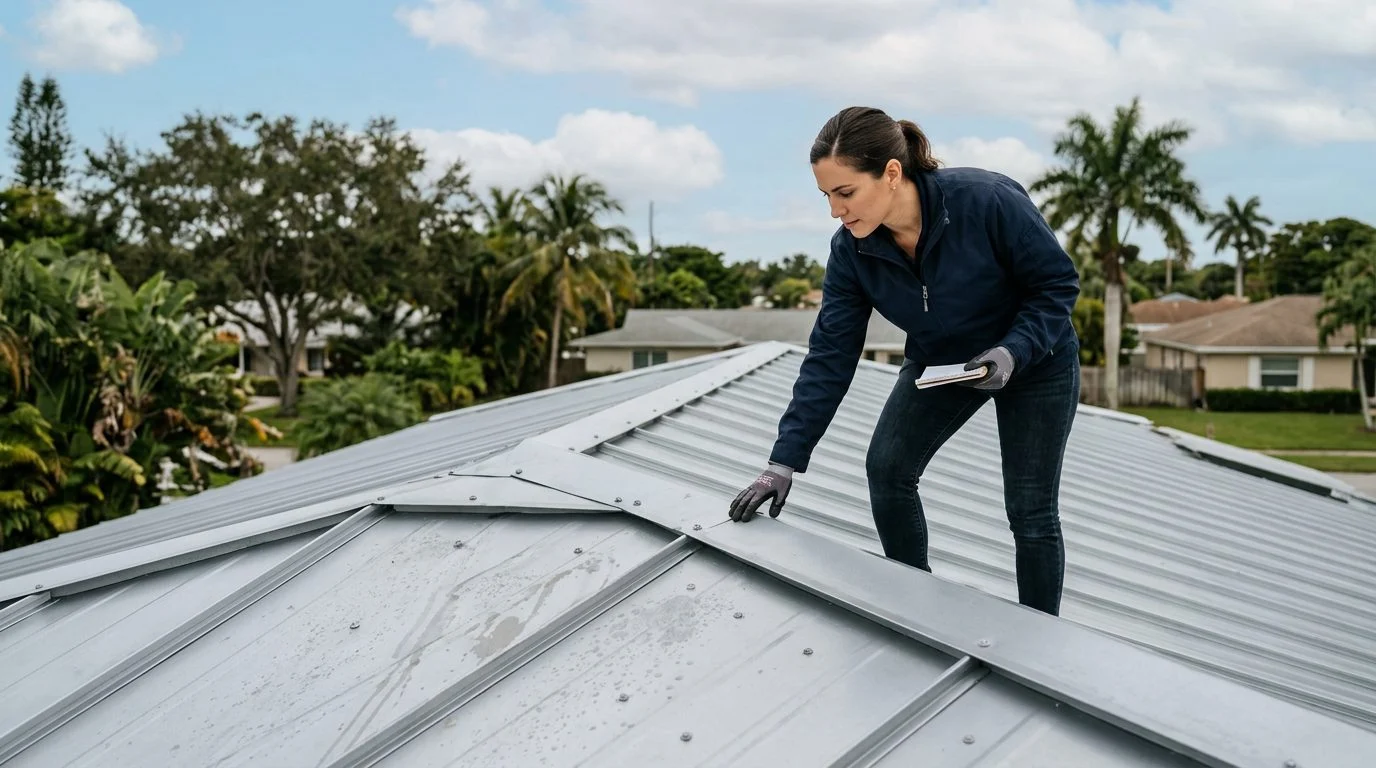
Roof Replacement | Miami-Dade
Planning a New Roof in Miami-Dade? Start with the Permit Question
Here is how permits fit into a roof replacement project, what to ask before work begins, and how ASP Superhome can help you plan your roof with confidence.
By Jonathan Rodriguez · Published November 3, 2026
Do I Need a Permit to Replace My Roof in Miami-Dade?
Yes. Do I need a permit to replace my roof in Miami-Dade? In most cases, yes, and it comes before any work starts. Under Fla. Stat. § 553.79, it is unlawful to alter or repair a building without first getting a permit from the enforcing agency.
Miami-Dade County has its own roofing permit process. The Miami-Dade County roofing permits page covers required forms, checklists, and contractor e-permitting. Cities run their own systems, too. The City of Miami roofing permit page says residential roof repair and replacement both need a permit.
If you’re planning a replacement, file for the permit before the old covering comes off. Starting tear-off before the permit is issued is the step to avoid. Local rules set the forms and timing, so the city or county where the house sits matters.
If you're weighing a metal or tile roof replacement and want the permit handled right from the start, request a quote and we'll go over your roof's scope with you. Talk it through with our team — the first consultation is free, confidential, and carries no obligation.
What Counts as Roof Replacement Versus a Small Repair?
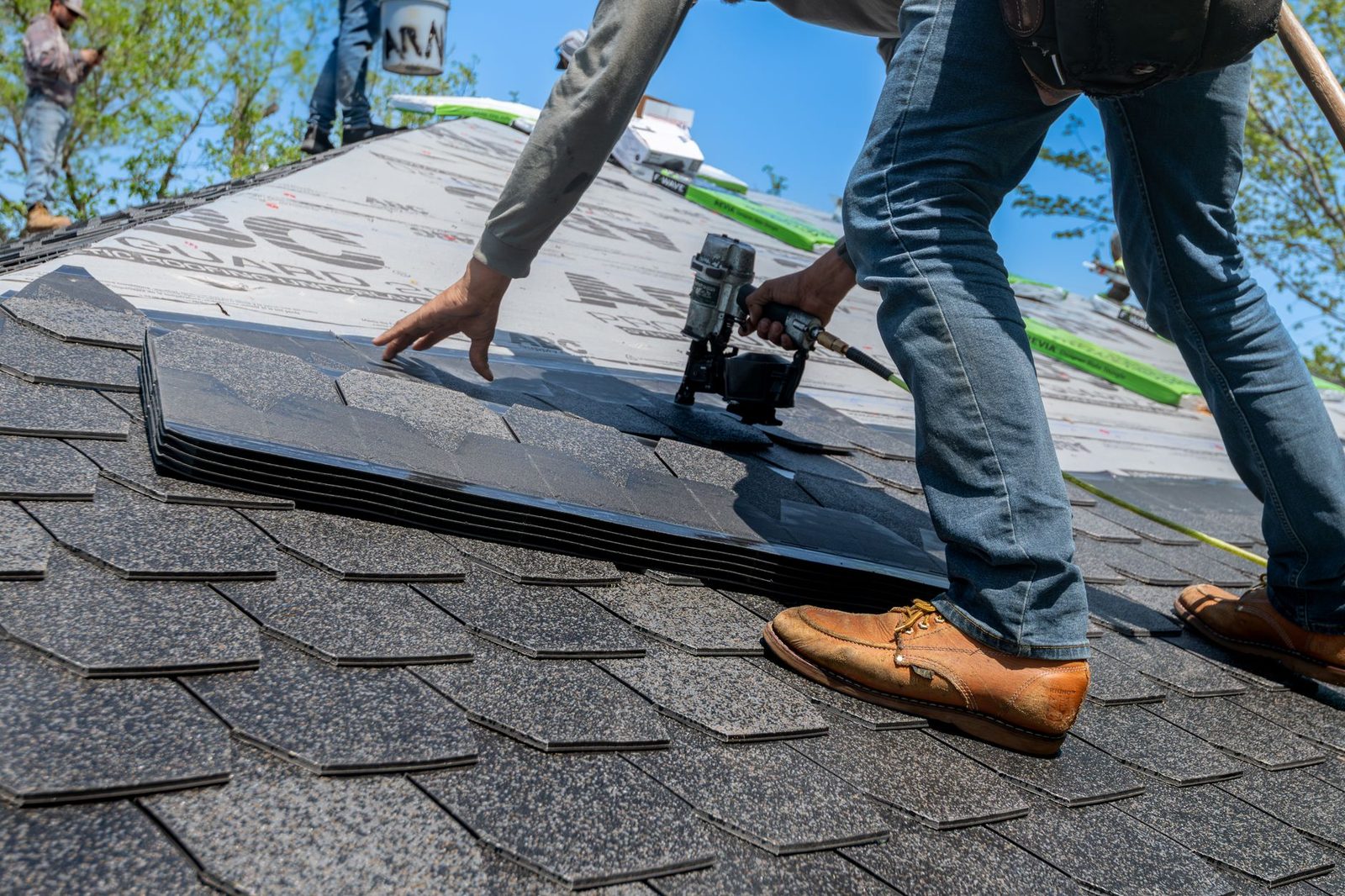
A full re-roof is a replacement. That means the old covering comes off and new material goes on. A small, localized fix is a repair. The label on the invoice doesn’t decide what the permit covers. The scope of the work does.
Florida defines roofing work broadly. Under Fla. Stat. § 489.105, a roofing contractor’s scope includes skylights, required roof-deck attachments, and any repair or replacement of wood roof sheathing or fascia during roof repair or replacement.
Size matters too.
Code rules also change between editions. The Florida Building Commission analysis of the 2026 Residential code says the recovering-versus-replacement rule was revised. The upper roof covering may now be removed during a recover, if the substrate is adequate for new covering.
Every roof replacement is different, so our team can talk through how the roof connects to the walls of your home during your free initial consultation.
What Happens If I Replace a Roof Without a Permit?
Replacing a roof without a permit breaks Florida’s permit requirement. It also skips the building department’s review. Under § 553.79, the enforcing agency can revoke a permit when work does not conform to the Florida Building Code. Without a permit, there is no permit file for the work at all. Fla. Stat. § 553.79 reads: “If a building permit is expired and its requirements have been substantially completed, as determined by the local enforcement agency.” Fla. Stat. § 553.79 reads: “(b) If a building permit is expired and its requirements have been substantially completed, as determined by the local enforcement agency, the permit may be closed without having to obtain a new building permit, and the work required to close the permit may be done pursuant to the building code in effect at the time the local enforcement agency received the application for the permit, unless the contractor has sought and received approval from the local enforcement agency for an alternative material, design, or method of construction.”
Unlicensed contractors add risk. Under Fla. Stat. § 489.13, the department may impose an administrative fine of up to $10,000 on an unlicensed person guilty of unlicensed contracting.
Unpermitted work can also come up later. Buyers, lenders, and insurers may ask about the home’s permit history. Work that was never permitted can be hard to explain at that point.
The common mistake is hiring a crew that starts tear-off and promises to pull the permit later. The statute says a local building department shall not issue a building permit to any contractor, or to any person representing himself or herself as a contractor, who does not hold a valid active certificate or registration in the appropriate category.
Who Pulls the Permit: Licensed Contractor or Owner?
A licensed roofing contractor usually pulls the permit as part of the job. Under Fla. Stat. § 489.13, a local building department must not issue a permit to a contractor who lacks a valid active state certificate or registration in the right category. A local license alone isn’t enough to obtain a building permit as a construction contractor if the activity in question requires state licensure.
Owners can pull their own permit only in narrow cases. Under Fla. Stat. § 489.103, the owner-builder exemption covers an owner who acts as their own contractor. The owner must supervise all work not done by licensed contractors. The home must be a one- or two-family residence for the owner’s own use, not for sale or lease. The owner must also personally appear and sign the permit application.
An owner-builder may be held liable and face serious financial risk for injuries to an unlicensed worker on the property. Homeowner’s insurance may not cover those injuries.
What Goes Into a Roof Permit Application and Who Issues It?
The local building department with jurisdiction over your property issues the roof permit. In Miami-Dade, the application follows the county’s forms and checklists.
Product approvals matter too. Under Fla. Stat. § 553.842, roofing, windows, exterior doors, and impact protective systems require statewide approval. A product may not be advertised or sold as hurricane or impact protection unless it is approved. That’s why approval paperwork for metal roofing, tile roofing, impact windows, and impact doors belongs in the file.
Review times vary. Under Fla. Stat. § 553.792, a roofing permit for an existing single-family home with work valued under $15,000 must be approved, approved with conditions, or denied within 5 business days. This applies when the applicant uses a local government plans reviewer and does not waive the timeframe in writing. Other roofing permits have longer windows.
Fees are set by the enforcing agency, but if the agency fails to issue or deny a permit within 10 business days after receiving revisions, it must reduce the building permit fee by 20 percent for each business day that it fails to meet the deadline unless the applicant agrees to a longer period in writing. Under § 553.79, a permit is issued upon payment of reasonable fees adopted by that agency.
Which Inspections Does a Re-Roof Get?
Inspections happen at stages set by the code and the local agency, and a permit is closed when its requirements are satisfied. Fla. Stat. § 553.79 reads: “(b) If a building permit is expired and its requirements have been substantially completed, as determined by the local enforcement agency, the permit may be closed without having to obtain a new building permit, and the work required to close the permit may be done pursuant to the building code in effect at the time the local enforcement agency received the application for the permit, unless the contractor has sought and received approval from the local enforcement agency for an alternative material, design, or method of construction.” The Florida Building Commission analysis of the 2026 Building code covers the required inspections section, which includes a building final inspection.
Inspectors compare the finished work with the permit and the code. They look at the roof deck, underlayment, flashing, fastening, and the covering itself.
If the inspector or building code administrator determines that the work, which requires the permit, fails an inspection, the local enforcement agency must refund 10 percent of the permit and inspection fees to the permitholder. Under § 553.79, when a permit is denied or revoked for non-compliance, the local agency must identify the specific features that don’t comply. It must also name the code chapters and sections behind the finding and give that to the applicant. That gives you a clear list of what to correct.
Not sure what your next step is?
Talk it through with our team — the first consultation is free, confidential, and carries no obligation.
Get a Permitted Roof Replacement Quote from ASP Superhome
If you’re planning a roof replacement, the permit belongs at the start of the job, not the end. ASP Superhome offers roof replacement and roof repair across South Florida, including metal roofing and tile roofing. It also offers impact windows and impact doors, so the roof and its openings can be planned together.
Is a license required to roof in Florida?
Yes. Contractor roofing work requires a valid active state certificate or registration. A local license alone is not enough.
Does a roof repair need a permit?
Some do. Repair or replacement of wood roof sheathing or fascia falls within roofing scope under Florida law when it is needed during roof repair or replacement, and roof-deck attachments are also included.
Can a homeowner pull their own roof permit?
You must personally sign the application.
If you’re weighing a metal or tile replacement and want the permit handled right from the start, request a quote and we’ll go over your roof’s scope with you.
Your first consultation is free, confidential, and comes with no obligation to continue.
How ASP Superhome Helps You Plan
Clear Project Scope
We walk you through the work involved in your roof replacement so you know what your project includes before you decide.
Honest Answers
Ask us about the paperwork, inspections, and timing that may apply to your home. Our team will explain what to expect in plain language.
Quality Roofing Options
We offer metal roofing, tile roofing, roof replacement, and roof repair for homes across South Florida.
Support From Start to Finish
Our team stays in touch throughout your project, from first conversation through installation.
Tip Before You Schedule Work
Confirm the permit requirements for your specific project before any roofing work begins. Your local building department and your roofing plan can help you prepare.
Questions to Ask About Your Roof Project
What type of roof am I replacing?
Metal and tile roofs can involve different materials, labor, and paperwork. Knowing your roof type helps you plan.
Is any roof decking or fascia being replaced?
Work on roof sheathing or fascia during a replacement can change the scope of your project, so ask about it early.
Who handles the paperwork?
Ask how documentation, inspections, and scheduling will be coordinated before your project starts.
What is my timeline?
Understanding each step helps you avoid delays and plan your household around the work.


