


Roof Replacement | South Florida
Replacing Your Roof With Solar Panels? Plan the Reset Costs Up Front
Learn how solar panel removal and reinstallation fits into a roof replacement, and why it often appears as its own line on the estimate.
By Jonathan Rodriguez · Published November 4, 2026
If your home has solar panels and needs a new roof, the panels must come off first. The cost of taking them off and putting them back is usually its own line on the estimate, called detach and reset. Detach and reset means the panels and their mounting rails are removed, stored, and reinstalled on the new roof. It also covers disconnecting and reconnecting the solar system’s electrical parts. This page explains what that line covers, what moves its price, and how to read it. For the full process, see our roof replacement guide.
What Solar Panel Detach and Reset Means During a Roof Replacement
Detach and reset is the step where solar panels and racking come off so the roof underneath can be replaced. Then the panels go back on the new roof. The reset is a separate scope from the roof covering. Shingles, metal, or tile are one part of the estimate, and the panel work is another. That’s why it appears as its own line.
The electrical work runs alongside the panel work. The system must be shut down and disconnected before the panels come off. It gets reconnected only after the panels are back in place. The inverter and any battery backup tie into the home’s electrical system, so that wiring is part of the same job sequence.
Think of it as three jobs in one: take the solar off, replace the roof, and put the solar back on. Each job has its own labor, and each one shows up on the estimate.
Not sure what your next step is?
Talk it through with our team — the first consultation is free, confidential, and carries no obligation.
A Full Roof Replacement Covers More Than the Roofing Material
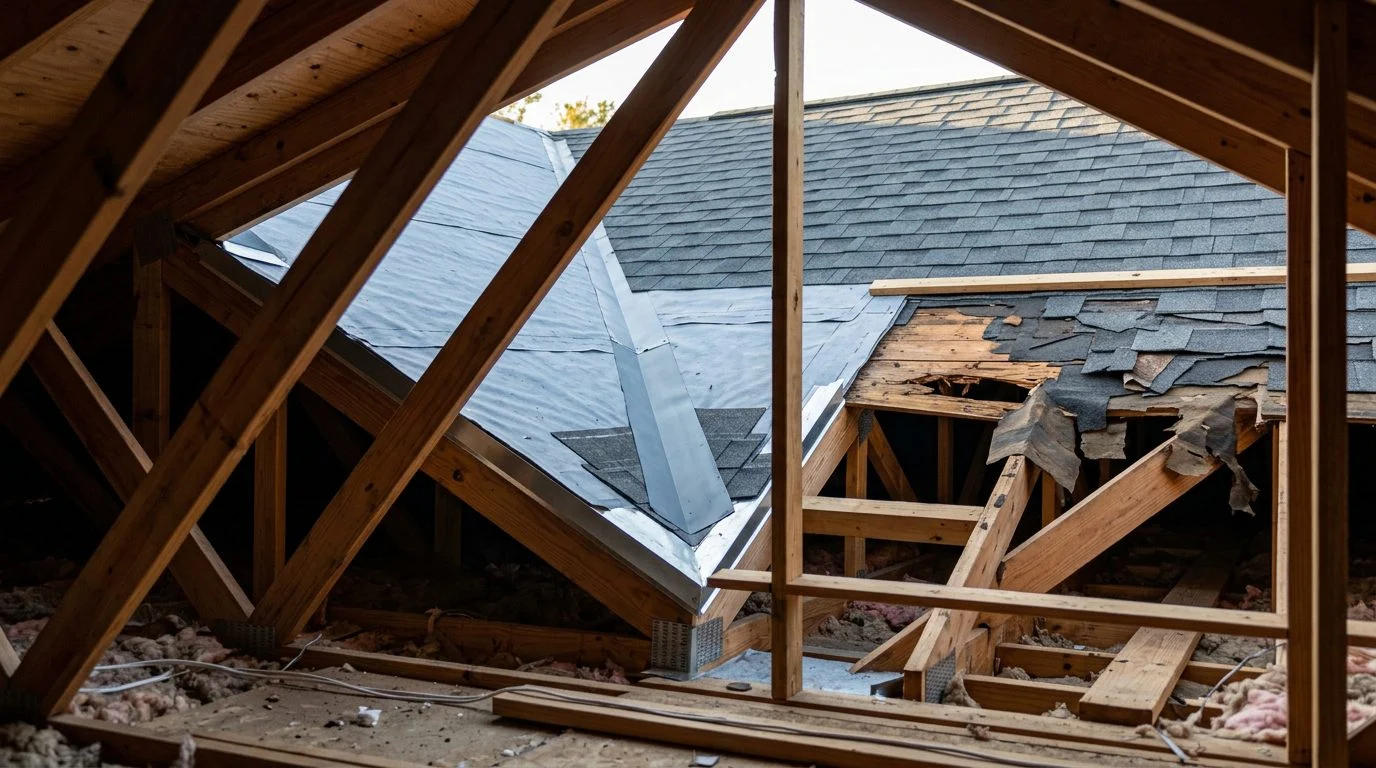
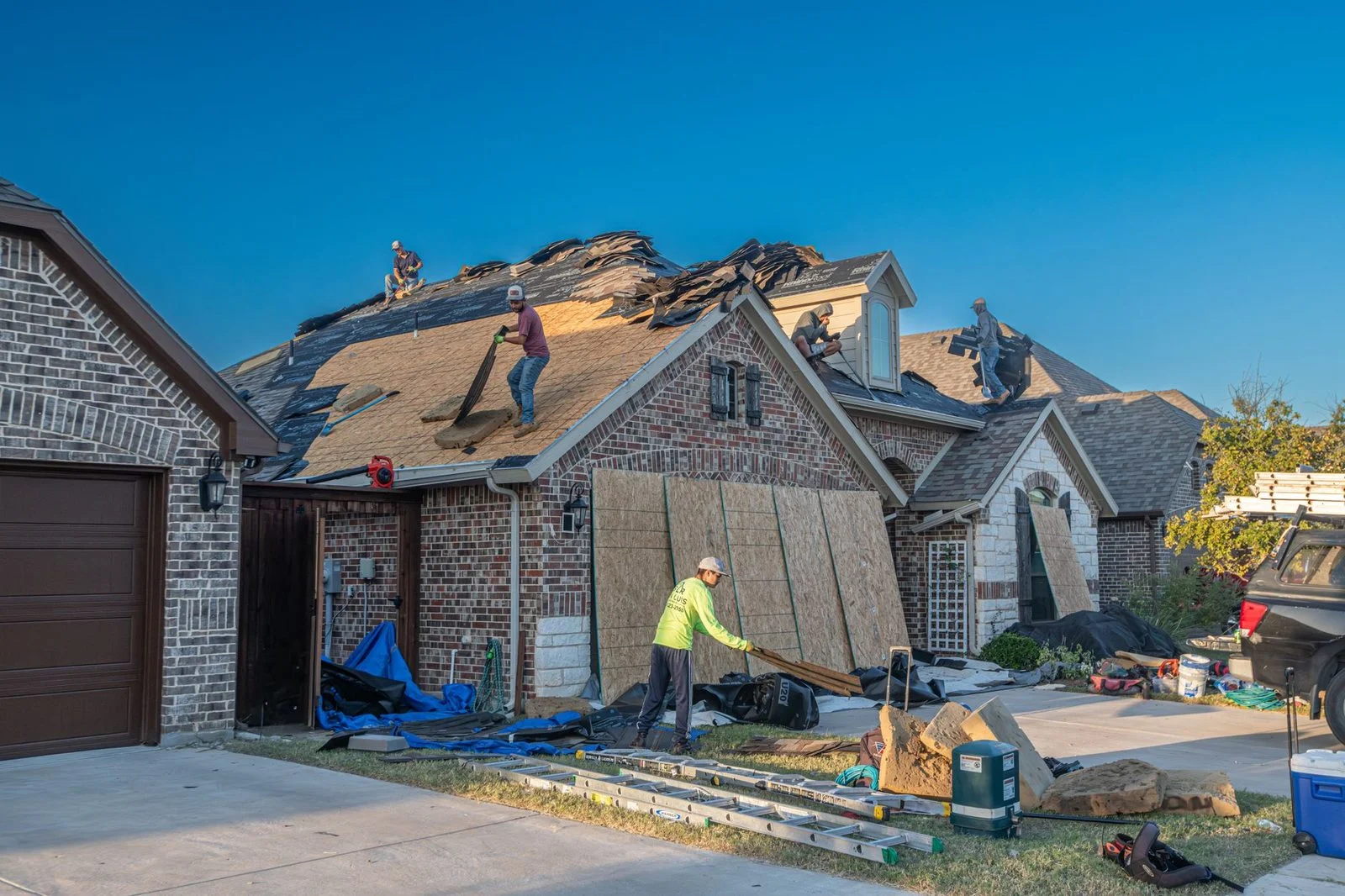
A full roof replacement includes tear-off, underlayment, flashing, any decking repairs, and the new roof covering. The solar reset is added on top of that base scope. It doesn’t replace any part of it.
Tear-off removes the old covering down to the deck. Underlayment is the water barrier under the new covering. Flashing seals edges, valleys, and openings. If the deck is damaged once the old roof is off, the decking repair becomes part of the work.
Flashing around solar also has code rules.
Permits matter too. Under Fla. Stat. § 553.79, unless otherwise provided by law, a permit is generally required before a building in Florida is altered or repaired.
The panels have to be handled before tear-off starts. The old roof can’t come off while panels are sitting on it.
Factors That Move the Cost of Removing and Resetting Solar Panels
The main cost drivers are panel count, array layout, roof pitch and height, roof size, and electrical work. Each one changes labor time or safety setup.
- Panel count and layout. More panels and more rows mean more time to unbolt, store, and reinstall.
- Pitch, height, and access. A steep or high roof needs more safety setup and slower handling.
- Roof size. Larger roofs mean more total roof work. The cost-per-square guide explains how roof area drives pricing.
- Electrical work. Disconnecting and reconnecting the array, plus any inverter or battery backup, adds to the reset.
- Mounting hardware. Worn racking or rails may need replacing before the panels go back on.
When you review a quote, ask which of these the price assumes. A low number may simply leave one of them out.
How Metal, Tile, and Shingle Roofs Change the Reset Work
The new roof covering changes how the panels attach again, so each material needs different handling. Tile needs the most careful work. Tile is heavy and brittle. The tiles around each attachment point must be lifted and set back without cracking.
Metal roofs call for their own attachment methods. The type of metal profile affects how panels mount. A review of Hurricane Ian by the Insurance Institute for Business & Home Safety found metal roofing systems held up well in winds below 130 mph in Southwest Florida.
Shingle roofs need attachments that match the new shingle system and the deck under it. The new material you pick can change the mounting approach used on reinstall. Ask your estimator how the reset will attach to the roof you choose.
How the Job Is Sequenced: From Panel Removal to Reconnection
The job runs in four steps: plan, remove, replace the roof, then reinstall and reconnect. Each step finishes before the next one starts.
- Assessment and planning. The crew confirms the array layout, the roof’s condition, and the permit path.
- Disconnection and removal. The system is shut down, wiring is disconnected, and panels and racking come off.
- Roof replacement. The old covering comes off, the deck is repaired if needed, and the new roof goes on while the panels are stored safely.
- Reinstallation and reconnection. Racking and panels go back on the new roof. Then the electrical system is reconnected and checked.
How much of the roof changes also matters.
Reading the Solar Reset Line Item on Your Written Estimate
A clear estimate lists the reset as its own line with each piece itemized. The reset should sit next to the base roof scope, not hidden inside it. A detailed reset line usually itemizes:
- Panel removal and racking removal
- Storage of panels during the roof work
- Reinstallation of panels and racking
- Electrical disconnection and reconnection
- Any inverter or battery backup handling
Compare the reset line against the base roof scope on the same page. Check that both cover the same roof area and the same tear-off and flashing terms. Ask the estimator these questions:
- How many panels and rows does the reset count?
- How will the crew access the roof, and is that access included?
- Which electrical items are included, and is the inverter or battery backup covered?
- Is any racking or hardware replacement included, or billed separately?
Frequently Asked Questions
Do solar panels have to come off for a roof replacement?
Yes. The panels must be removed before the old roof is torn off, then reinstalled on the new roof.
Is the solar reset a separate line on the estimate?
It is usually its own line, so the panel work shows up next to the roof work.
Not sure what your next step is?
Talk it through with our team — the first consultation is free, confidential, and carries no obligation.
Planning a Solar Reset Roof Project Across South Florida
The reset steps are the same across the areas this page covers, but permit timing and local rules vary by city. Miami-Dade County’s roofing permit page lists required forms, checklists, and contractor e-permitting. For Miami context, see the Miami roof replacement guide. For Fort Lauderdale, see the Fort Lauderdale roof replacement guide.
The same reset approach applies to roof projects in West Palm Beach, Kendall, Boca Raton, Naples, and Fort Myers. Plan the panel work into the schedule from the start. Build the permit timeline and the reset timeline together, so the roof isn’t open while the panels wait.
For pricing, use the cost-per-square framework rather than a single number. Pricing depends on the roof area, the panels, and the electrical work described above.
Request Your Estimate for Your Solar Panel Reset
If your solar panels are already on a roof that needs replacing, the reset has to be scoped before the old roof comes off. Our first consultation is free, confidential, and comes with no obligation to continue. Contact ASP Superhome to request your quote, and we’ll walk through the panel reset line with you.
How the Solar Reset Fits Into Your Roof Project
1. Panel Removal
The solar panels are taken off the roof before the old roofing is torn off, so the panels and their mounting hardware are protected during the tear-off.
2. New Roof Installation
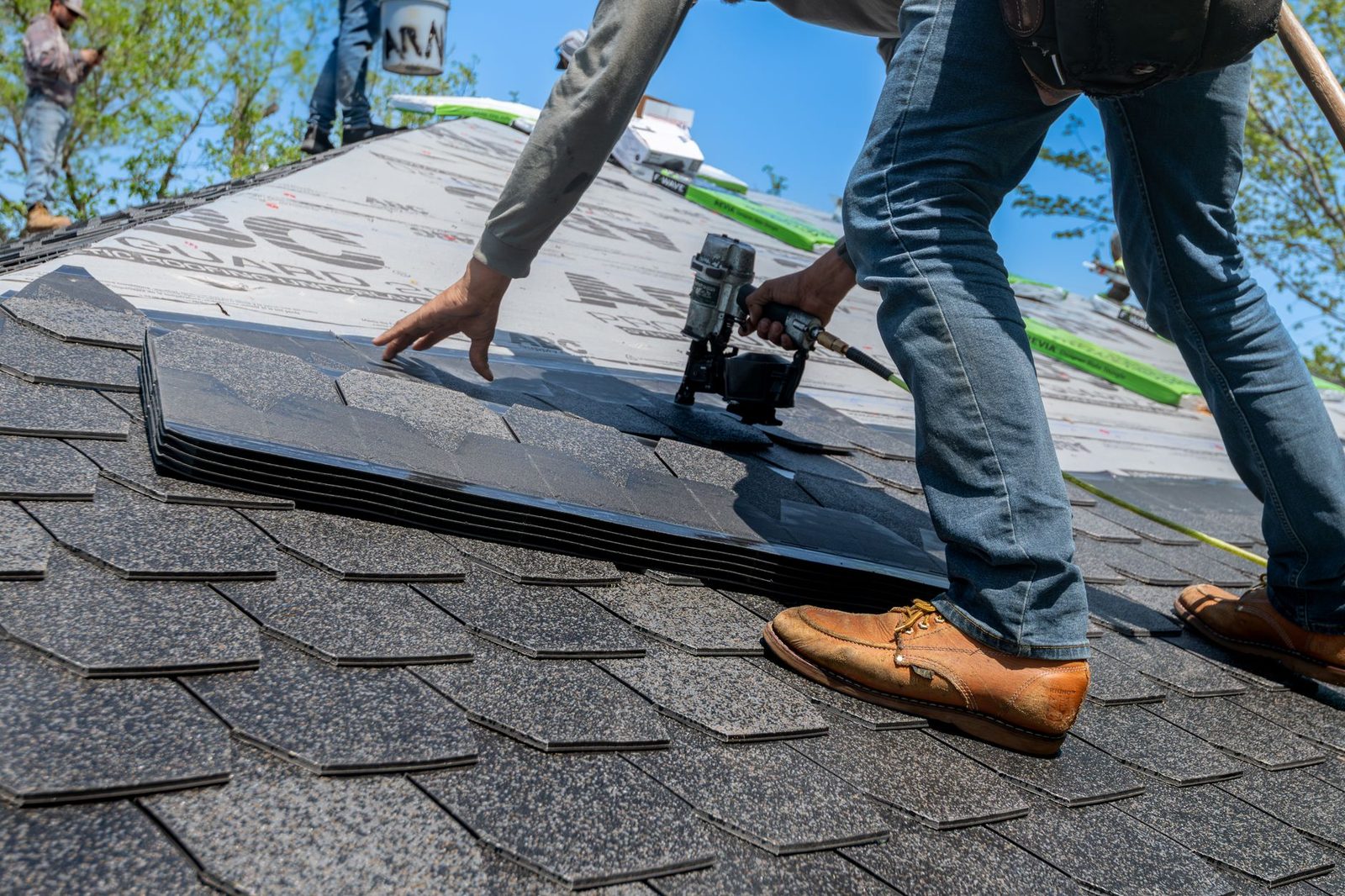
With the panels off, the roof deck is inspected and the new roofing system is installed, whether you choose metal or tile.
3. Panel Reinstallation
Your solar panels are reinstalled on the new roof, and the system is checked before the project is complete.
4. Clear Estimate Lines
The panel work is usually listed as its own line, so you can see the roof costs and the solar reset costs side by side.
Ask About the Solar Reset Before You Sign
If your home has solar panels, make sure the estimate lists the panel removal and reinstallation separately from the roofing. This helps you compare the full cost of the project clearly.
Why Start With a Free Consultation
Confidential Conversation
Share your roof and solar details in a private consultation with our team.
Itemized Estimates
We aim to show roofing, solar removal, and reinstallation work as clearly separated line items.
No Obligation
Our first consultation is free and comes with no obligation to continue.
Built for South Florida Homes
We focus on the roofing, solar, and storm-ready needs of homeowners across South Florida.
Get a Clear Picture of Your Roof and Solar Costs
Related practice areas
- Tile Roofs in Florida: Can New Tile Go Over Old?
- Tile Roofs in Florida: Why So Many Homes Have Them


