


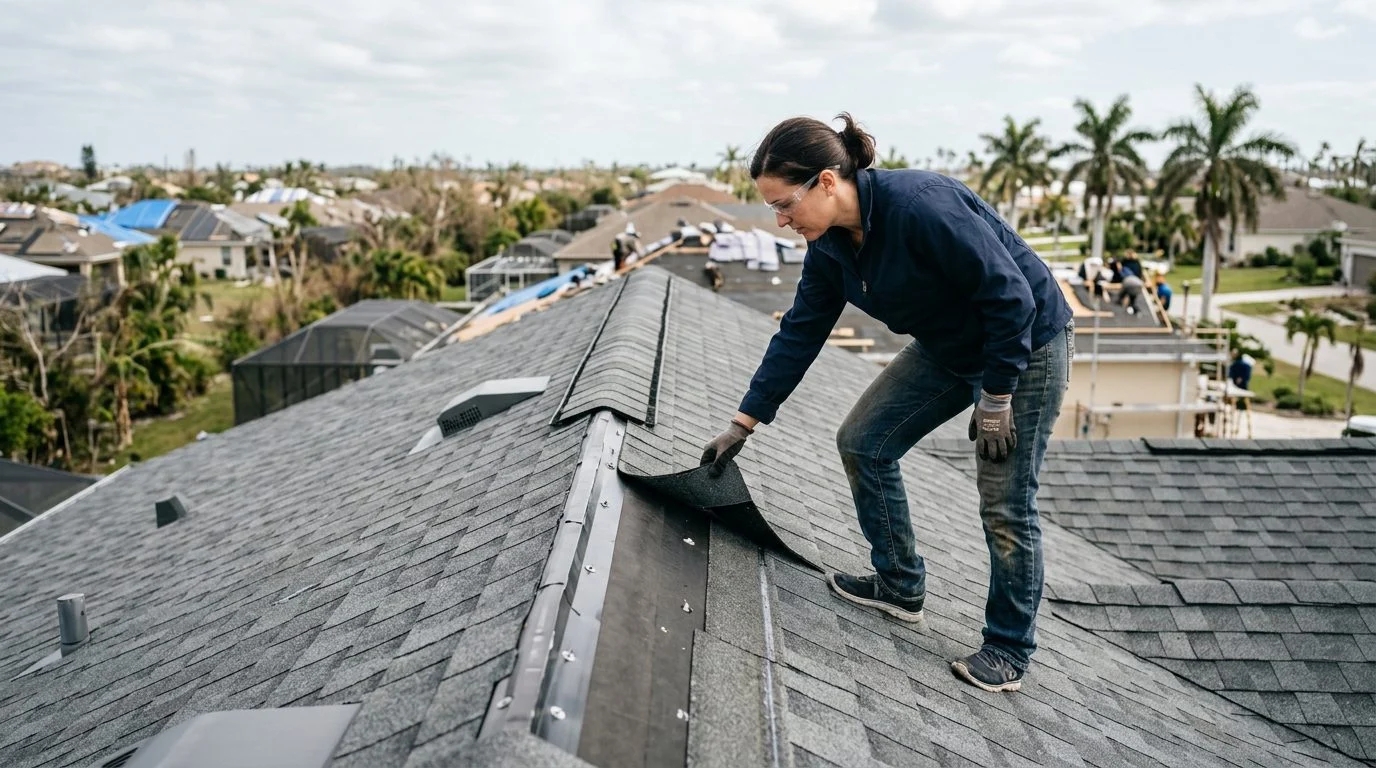
Roof Replacement · Naples, FL
Naples Roof Replacement: Know Your Costs, Codes, and Timing Before You Start
Roof replacement in Naples involves more than materials. Here is how cost, Florida building codes, and scheduling shape your project, and how ASP Superhome can help you plan it.
By Jonathan Rodriguez · Published October 17, 2026
A roof replacement in Naples makes sense when repairs can no longer keep the roof sound. Sun, heat, humidity, and salt air wear down shingles, tiles, and fasteners over time. This guide covers the signs to watch for, what drives cost, the Florida rules that shape the job, and ASP Superhome’s free first consultation — confidential, with no obligation to continue. It’s written for Naples homeowners who are close to a decision.
When a Naples Roof Replacement Makes Sense
A full replacement makes sense when a roof has worn past the point of repair. Look for granules collecting in gutters, cracked or slipping tiles, and attic leaks that return after heavy rain. Roof age matters, but it doesn’t decide the question alone. The roof’s condition and the inspection results do.
Naples’ sun and salt air speed up wear on roof coverings and fasteners. Seals can dry out, and metal parts can corrode near the coast. Those changes are easy to miss from the ground.
A common mistake is patching the same leak again and again. Repeated patches can hide how far water has spread into the roof deck.
Storm damage deserves its own check. After a strong wind event, have the roof inspected even if the inside looks fine. Wind can lift shingles or loosen the deck without leaving a visible stain right away.
If your Naples roof is leaking, showing its age, or took storm damage, our team can walk you through replacement options in a free first consultation with no obligation to continue. Talk it through with our team — the first consultation is free, confidential, and carries no obligation.
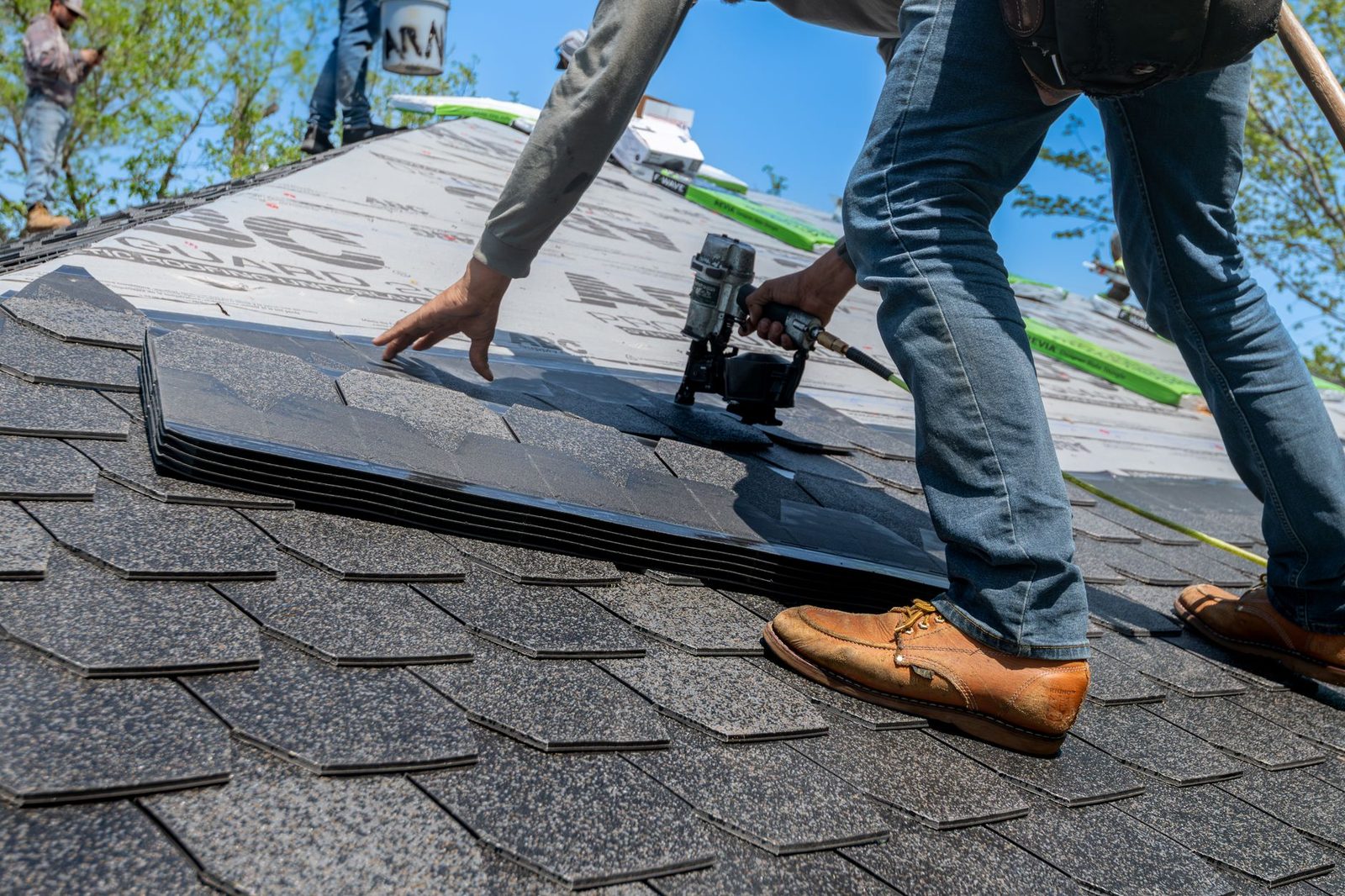
What Does Roof Replacement Cost in Florida?
No single figure fits every Florida home, so the real answer starts with the cost drivers. Each roof is different, and quotes change with the details.
The main cost drivers are:
- Roof area and pitch
- Number of stories
- Roofing material, such as tile or metal
- Condition of the underlayment and decking
- Tear-off and disposal
- Permit fees
- Impact-rated upgrades
Hidden costs often show up after the old roof comes off. Rotted decking is one surprise that can appear at that stage. An in-person inspection before the quote reduces those surprises, because the deck and flashing can be checked before pricing the job.
Florida law also shapes the contract. A residential repair or improvement contract must include a written statement about the Florida Homeowners’ Construction Recovery Fund. The exception is when labor and materials total $2,500 or less (Fla. Stat. § 489.1425). Ask for a written quote based on your own roof.
Is a Higher-Priced Replacement Roof Worth It?
A higher total price is not automatically a better roof. Value depends on the materials, the fastening method, the underlayment, the scope of work, and the warranty terms.
Read the quote line by line. A clear quote itemizes tear-off, underlayment, flashing, ventilation, and cleanup. If a line is missing, ask what it covers. A single lump-sum number hides what you’re actually buying.
Warranty terms belong in writing. Product warranties come from the manufacturer, and the manufacturer’s written terms set what is covered and for how long. Any warranty described in a quote should match those terms. Don’t rely on a verbal promise or a number from a general article.
Ask how the crew will fasten the new roof to the deck, too. Fastening is a large part of how a roof handles wind. A quote that names the method is easier to understand than one that doesn’t.
The Florida 25% Rule Explained
Fla. Stat. § 553.844(5) addresses work in which 25 percent or more of a roofing system or roof section is being repaired, replaced, or recovered, and only where that existing roofing system or section was built, repaired, or replaced under the 2007 Florida Building Code or later. Florida’s partial-roof rule may limit code upgrades to the affected section, but only when the existing roof was built, repaired, or replaced under the 2007 Florida Building Code or a later edition and the work reaches the threshold in Fla. Stat. § 553.844(5).
Knowing the threshold helps you plan the budget and the scope before you sign. Each roof is different, so the right approach depends on the condition and structure of your home. Ask about that for your roof at your consultation.
The Florida Building Code is updated on a cycle, so the code in effect at permit time matters. Confirm how the rule applies to your project with the Collier County building department.
Current requirements can affect a roofing project, and our team can explain how they may apply to yours.
Tile or Metal: Choosing a Roof for Naples Conditions
Tile and metal can both suit Naples homes. The right choice depends on the structure, the roof pitch, and any HOA rules.
Tile handles heat and sun well, and it has a look many Naples homes favor. It is heavy, so the existing structure must be able to carry it. Broken or slipping tiles need prompt attention, and foot traffic can crack them.
Metal is typically lighter than tile. Coastal homes should look closely at the finish and fasteners, since salt air can corrode metal over time. Panels and trim should suit the wind exposure of the site.
Lifespans and warranties vary by product and installation. Don’t rely on generic ranges. At the consultation, ask for the product data sheets and warranty terms for the specific materials you’re considering. HOA color or material guidelines may narrow the choices before you start.
Wind Resistance and Impact Considerations for Naples Roofs
A wind-resistant roof depends on how the deck, underlayment, and roof-to-wall connections work together. Each part must help hold the roof down under uplift. A weak link at any point can let wind lift the roof.
Florida law addresses some of this. For site-built, single-family homes, a roof replacement must incorporate certain wind-mitigation techniques (Fla. Stat. § 553.844). Under Fla. Stat. § 553.844, roof-to-wall connection requirements apply to site-built single-family homes with an insured or just value of $300,000 or more located in the wind-borne debris region, and the statute ties gable-end and corner connection work to a 15 percent of roof replacement cost limit. Ask how that limit applies to your home.
Impact protection is a product question. A product may not be sold or marketed as hurricane or impact protection from wind-borne debris unless it has the required approval (Fla. Stat. § 553.842). Ask for approval documentation on any impact windows, impact doors, or roofing products before you buy.
ASP Superhome offers impact windows and impact doors, so the roof and the openings can be planned together.
Not sure what your next step is?
Talk it through with our team — the first consultation is free, confidential, and carries no obligation.
Permits, HOA Approval, and the Replacement Timeline
A roof replacement generally needs a permit. The timeline depends on permit processing, weather, and material delivery.
Florida law makes it unlawful to repair or alter a building without first obtaining a permit from the enforcing agency. The agency may revoke a permit if the work doesn’t match the Florida Building Code (Fla. Stat. § 553.79). Local agencies must post their permit procedures on their websites, so check the Collier County process for your address.
Many projects also require a notice of commencement.
HOA rules add another step. An association’s architectural committee may review roof plans only to the extent its covenants or published guidelines give it that authority. If it denies a request, it must give written notice naming the rule it relied on (Fla. Stat. § 720.3035).
The usual steps run in order: inspection, estimate, permit application, material ordering, tear-off, installation, and final inspection. No fixed timeline is promised, because each step depends on conditions outside your control. Second-home owners and owners who live out of the area can ask about scheduling and communication during the consultation.
What the Free Consultation Covers
ASP Superhome offers a free first consultation that is confidential and carries no obligation to continue.
Insurance is a question many owners ask. Coverage for code-required upgrade costs depends on the policy and the claim; law-and-ordinance coverage is separate from replacement cost coverage, and under Fla. Stat. § 627.7011, insurers must offer law-and-ordinance coverage limited to 25 percent or 50 percent of the dwelling limit, and a policy is deemed to include the 25 percent option unless the insurer obtains the policyholder’s written refusal.
Storm claims have deadlines. The statute bars a property insurance claim unless notice is given within 1 year after the date of loss. A supplemental claim must be noticed within 18 months. For hurricanes, the date of loss is the day the hurricane made landfall (Fla. Stat. § 627.70132).
Bring your questions about cost, the 25 percent rule, HOA rules, and insurance paperwork. Our team will answer what it can. For questions about your policy’s terms, your insurance agent is the right contact.
Homeowners planning larger exterior projects can also ask about roof repair, metal roofing, tile roofing, and solar panels.
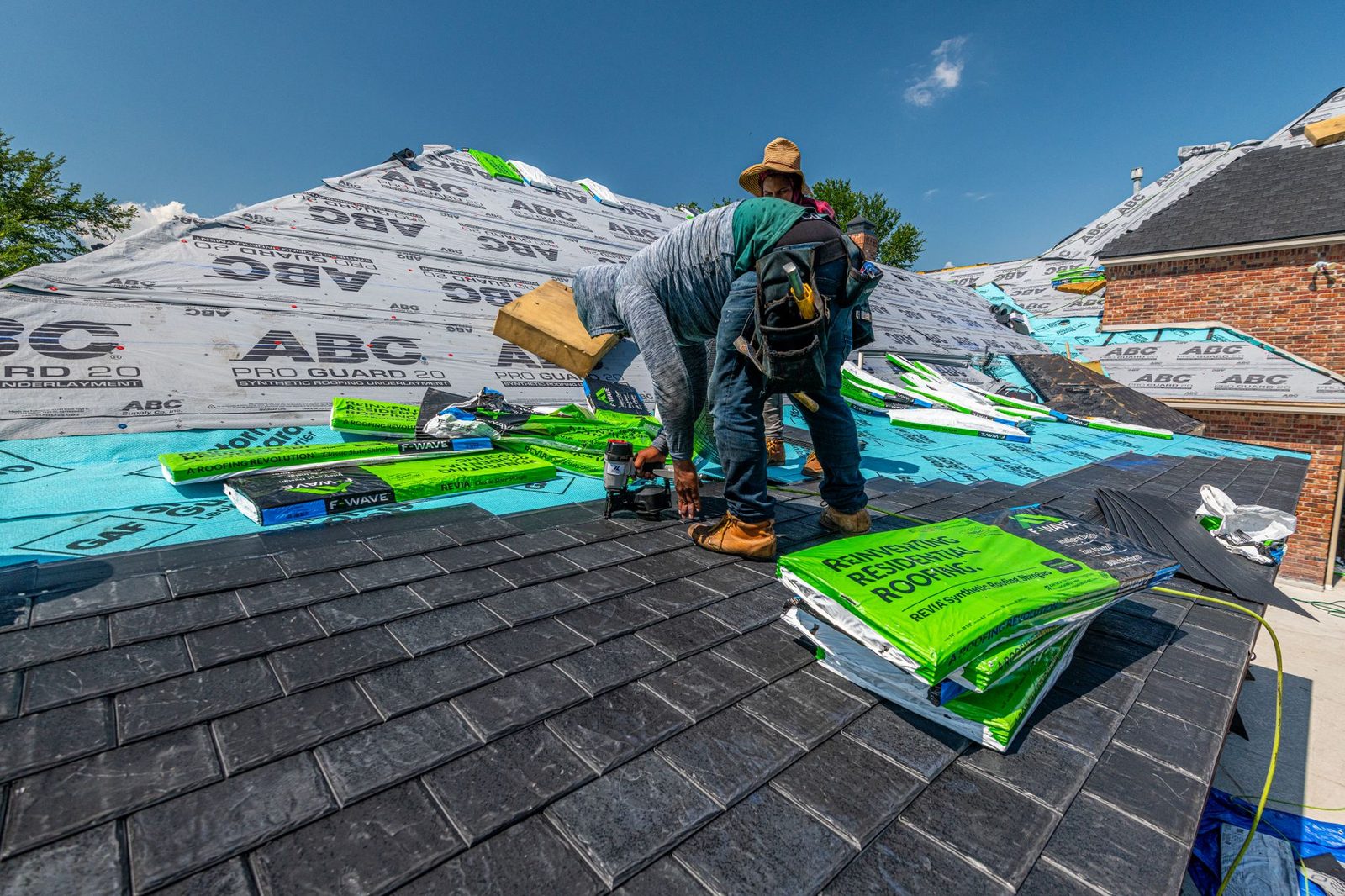
Request Your Naples Roof Replacement Estimate
If your roof is leaking, showing its age, or took storm damage, you may be weighing a replacement before the next rainy season. You don’t have to work through that decision alone. Request a free estimate from ASP Superhome through the contact page, and ask for a written estimate based on your roof. The first consultation is confidential and carries no obligation to continue.
Frequently asked questions
Does a roof replacement in Naples need a permit?
Florida law generally requires a permit before work that repairs or alters a building. Confirm the Collier County process for your address.
What is the 25% rule for roofs in Florida?
If 25 percent or more of a roof section is repaired, replaced, or recovered, only that portion must meet the current code. That rule applies only when the existing roofing system or roof section was built, repaired, or replaced under the 2007 Florida Building Code or later.
Does my HOA have to approve a new roof?
It depends on your covenants. An HOA committee may act only where its covenants or guidelines give it that authority.
Does homeowners insurance pay for code upgrades?
Under Fla. Stat. § 627.7011(2), the policy is deemed to include law and ordinance coverage limited to 25 percent of the dwelling limit, unless the insurer obtains the policyholder’s written refusal; whether code upgrades are paid still depends on a covered loss and the policy’s terms. Contact ASP Superhome to review your questions.
Is the first consultation free?
ASP Superhome offers a free first consultation that is confidential and carries no obligation to continue.
What Shapes Your Naples Roof Replacement
Roof Size and Pitch
The area, slope, and layout of your roof determine how much material and labor the project requires.
Material Choice
Metal and tile roofing each carry different installation requirements, lifespans, and price points for South Florida homes.
Code Requirements
Florida building rules and Collier County requirements can affect the scope of work, especially when a large portion of the roof is replaced.
Project Timing
Permitting, material availability, and weather all influence when work can begin and how long it takes to finish.
Confirm Permits Before Work Begins
Florida law generally requires a permit before work that repairs or alters a building. Confirm the Collier County process for your address before any roofing work starts.
How a Roof Replacement Typically Unfolds
1. Free Consultation
We start with a free first consultation, which is confidential and carries no obligation to continue. We review your roof, your goals, and your questions.
2. Estimate and Planning
You receive an estimate outlining materials, scope, and a proposed timeline, so you can weigh your options with clear information.
3. Permitting and Code Review
We help you understand which code requirements apply to your address so the project meets current standards from the start.
4. Installation
Once the plan is set and approved, our team coordinates the installation and keeps you informed through each stage of the work.


