


Tile Roofing · South Florida
Tile Roofing Built for South Florida Sun, Heat, and Rain
Learn how tile roofing works, which materials and profiles suit your home, what drives cost, and how a project moves from start to finish. ASP Superhome offers tile roofing as part of its complete home solutions.
By Jonathan Rodriguez · Published October 14, 2026
Tile roofing uses interlocking concrete or clay tiles over a waterproof underlayment and a structural roof deck. Many South Florida homes use it because it handles sun, heat, and rain well when installed correctly. This guide covers the materials, profiles, project steps, and cost drivers, so you can judge what your home needs. ASP Superhome offers tile roofing as part of its complete home solutions for homeowners in Miami, Kendall, Fort Lauderdale, West Palm Beach, Boca Raton, Naples, and Fort Myers.
What Tile Roofing Is and Who It Suits
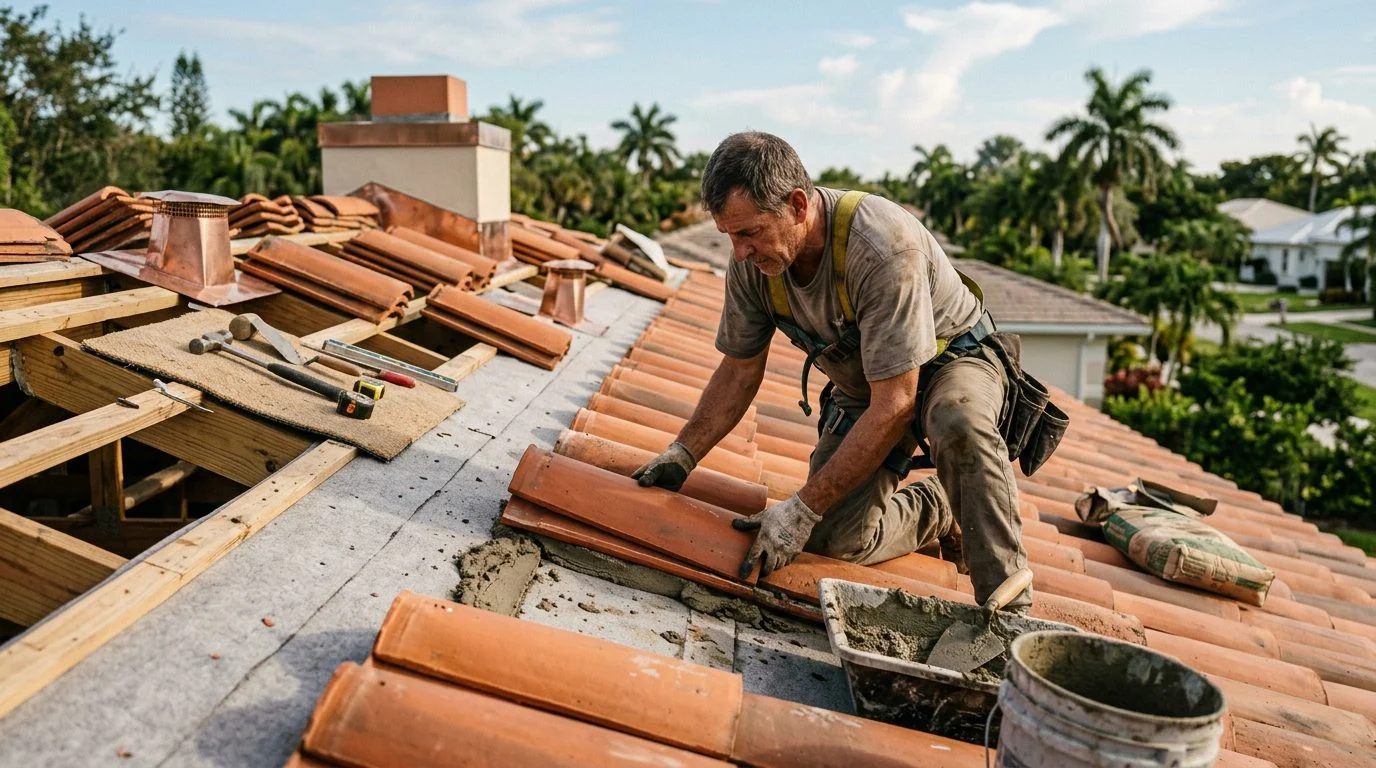
A tile roof is a layered system, not just a row of tiles. The tiles sit on battens or a tile-attachment system, over underlayment, over the roof deck. The underlayment does much of the work of keeping water out.
Tile suits homeowners who want a long-lived roof with a traditional or Mediterranean look. It also suits owners who plan to stay in the home for many years.
Tile is heavier than asphalt shingle or metal. The roof deck and framing must be checked before any installation. If the structure can’t carry the added weight, the plan changes. Metal roofing may fit better for some homes, depending on weight, budget, and existing framing.
If a leak, storm damage, or an aging roof has landed on your plate sooner than planned, our team can talk it through in a free, confidential initial consultation with no obligation to continue. Talk it through with our team — the first consultation is free, confidential, and carries no obligation.
Concrete vs. Clay Tile and the Main Profiles
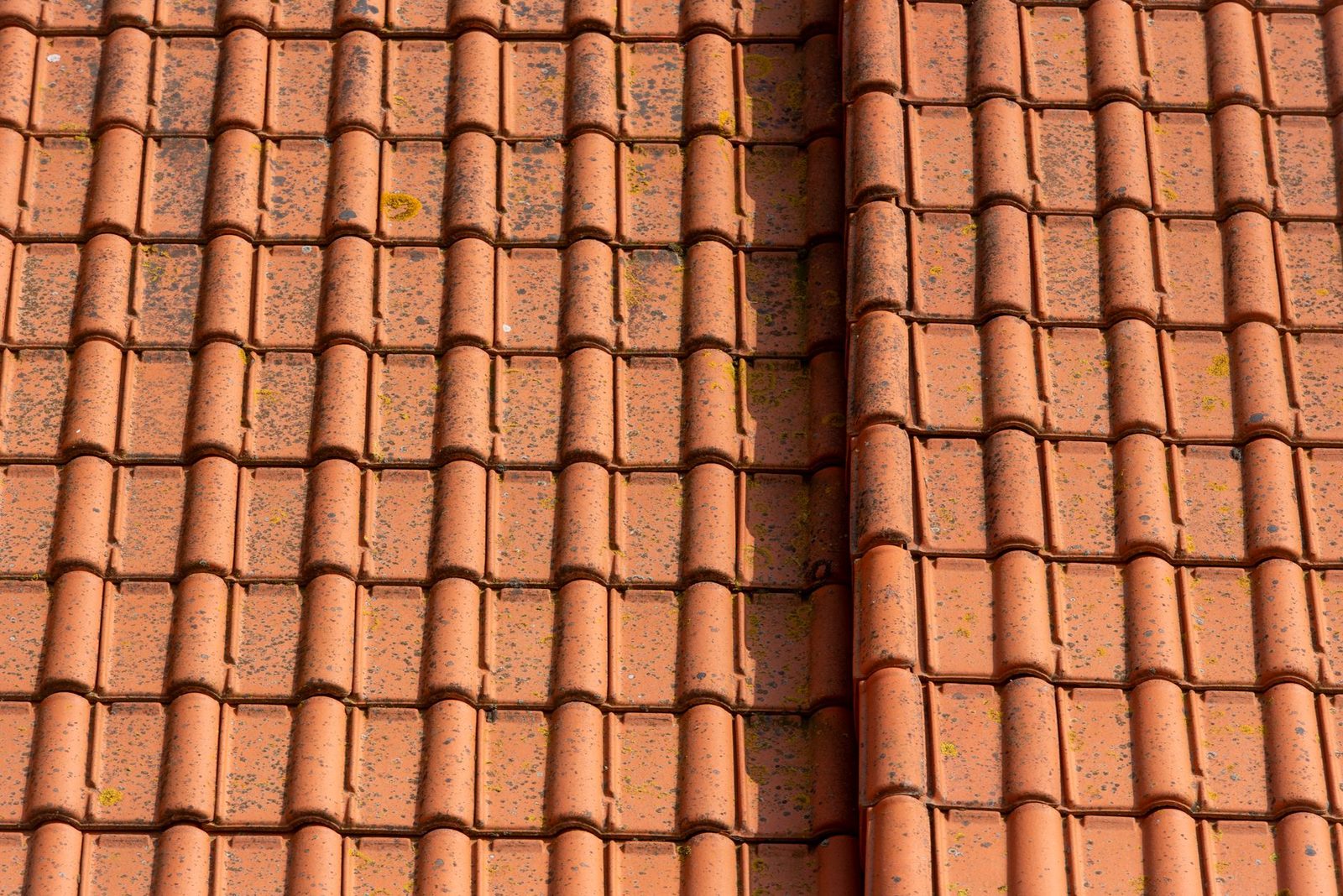
Concrete and clay are the two main tile materials. Concrete is made from cement and sand. Its color comes from pigment and coatings. Clay is shaped from natural clay and fired, so its earthy color comes from the material itself. Both need periodic checks for cracks and slipped tiles.
Common profiles include:
- Barrel tile (S-tile or Spanish tile): Curved tiles with a Mediterranean look. Their fit depends on roof pitch and proper underlayment.
- Flat tile: A smooth, clean profile, usually laid in a staggered pattern.
- Slate-style tile: Mimics the look of natural slate in a tile form.
Each profile is laid and fastened differently, so roof pitch shapes the choice.
Is concrete the cheapest option? Its material is often less costly than clay. Total project cost still depends on profile, weight, underlayment, deck condition, and labor. Compare the full project for your home, not the material price alone.
What a Tile Roofing Project or Repair Includes
A full replacement removes the old roof and rebuilds the system from the deck up. Replacement scope usually includes:
- Tear-off and debris removal
- Deck inspection, with repair of damaged sections
- Underlayment and a secondary water barrier
- Battens or a tile-attachment system
- Tile installation
- Flashing at walls, valleys, and penetrations
- Ridge caps, hip caps, and drip edge
- Cleanup
Under Fla. Stat. § 553.844, the Florida Building Commission is directed to adopt wind-resistance requirements into the Florida Building Code. These requirements apply to site-built single-family residential structures when reroofing, and they include limits and exceptions. Under Florida law, certain reroofing projects on site-built single-family homes may require wall-to-roof anchoring upgrades, depending on the building’s insured or appraised value, and those rules include limits and exceptions.
A repair is narrower. It may replace cracked or slipped tiles, reseal or replace flashing, and fix the leak source. A ceiling stain can show up far from where water enters, so the source matters more than the stain.
Repair may not be enough if you see widespread cracking, sagging deck areas, or repeated leaks in the same spot.
How a Tile Roofing Project Works, Step by Step
A tile roofing project usually moves through six steps.
- Initial consultation and inspection. Our team reviews tile condition, the deck, flashing, and attic signs, with photos and notes.
- Written estimate. Tile, underlayment, labor, permits, and any structural work appear as separate lines.
- Material and profile selection. Color and style are reviewed against the home’s look.
- Miami-Dade County publishes its own roofing permit requirements.
- Installation. Work includes daily cleanup and checks at flashing and transitions.
- Final walkthrough. You receive documentation of materials and warranty terms.
Your contract has required notices. Before going ahead with a roof project, it is wise to check with your insurer what your policy covers. Cancellation rights can depend on the type of contract, the property, and the circumstances, so review your agreement carefully and contact ASP Superhome to discuss your options.
Timing depends on roof size, complexity, permit review, and weather. No fixed finish date can be promised before the inspection.
What Drives the Cost of a Tile Roof
Tile roof cost depends on your roof’s size, shape, and condition. A single price per square foot won’t capture it. Main drivers include:
- Roof area and pitch
- Complexity, such as hips, valleys, and penetrations
- Tile type and profile
- Underlayment grade
- Deck condition
- Tear-off versus overlay
- Access and safety needs
- Permit fees
A two-story or steep roof usually needs more labor and safety setup than a single-story, low-pitch roof. Deck damage found during tear-off is a common surprise. Your written estimate should explain how that work is priced.
Insurance can affect the budget too. Under Fla. Stat. § 627.7011, insurers are required to offer law-and-ordinance coverage on homeowner’s policies, which addresses certain costs of meeting current building codes. That limit is 25 or 50 percent of the dwelling limit, as the policyholder selects. Ask your insurer what your own policy includes.
Why Homeowners Choose ASP Superhome for Tile Roofing
ASP Superhome handles tile roofing alongside other home work. One provider can plan the roof with the rest of the property. Its offerings include tile roofing, metal roofing, roof repair and replacement, impact windows and doors, solar panels with battery backup, and kitchen remodeling.
Planning these projects together lets you review them in one place. Impact openings and solar mounting both touch the roof and exterior walls.
ASP Superhome serves homeowners in Miami, Fort Lauderdale, West Palm Beach, Kendall, Boca Raton, Naples, and Fort Myers. South Florida’s sun, rain, and wind shape how tile and underlayment perform, so local planning matters.
The initial consultation is free, confidential, and carries no obligation to continue.
Not sure what your next step is?
Talk it through with our team — the first consultation is free, confidential, and carries no obligation.
Tile Roofing Questions Homeowners Ask
Most tile roofing questions come down to lifespan, sourcing, cost, and whether a repair is enough.
How many years does a tile roof last? Lifespan depends on tile type, installation, underlayment, maintenance, and storm exposure. No one can promise a fixed number of years.
Does ASP Superhome offer tile roofing? Tile roofing is one of the services ASP Superhome provides, and you can contact us to request a free estimate. Your written estimate should list the specific materials for your roof.
Are concrete roof tiles the cheapest? Concrete material is often less costly than clay. Total project cost still depends on profile, weight, underlayment, deck condition, and labor.
How much does it cost to replace a tile roof on a 2,000 square foot house? The answer depends on pitch, complexity, deck condition, and permits. A free written estimate for your home is the way to get a real figure.
Can a tile roof be repaired instead of replaced? Yes, for a few cracked or slipped tiles or a single leak point. Widespread cracking, sagging decking, or repeat leaks usually point toward broader work.
If a leak, storm damage, or an aging roof has landed on your plate sooner than planned, you don’t have to sort it out alone. Our team can walk through your roof in a free, confidential initial consultation, with no obligation to continue. Request a quote or book your free estimate here.
Why Homeowners Choose Tile Roofing in South Florida
Built for the Climate
Tile handles intense sun and heavy seasonal rain well when the system underneath is installed correctly.
Material Options
Concrete and clay tiles come in a range of profiles and colors to match your home's style.
Complete Home Solutions
Tile roofing is one of the services ASP Superhome provides alongside windows, doors, solar, and kitchen remodeling.
Clear Project Steps
From inspection through installation, each stage of a tile roofing project is explained so you know what to expect.
Important: Check the Full System, Not Just the Tile
Tile is only the visible layer. The underlayment, flashing, and roof deck determine whether the roof keeps water out over time. Ask for a full inspection of these components before any project begins.
What to Expect in a Tile Roofing Project
1. Free Consultation
We start with a free, confidential first consultation with no obligation to continue. We review your roof, your goals, and your questions.
2. Inspection and Estimate
We assess the roof deck, underlayment, and flashing, then prepare a written estimate based on the materials and profile you choose.
3. Material and Scheduling
We confirm tile type, color, and installation timing so there are no surprises once work begins.
4. Installation and Cleanup
Our team installs the system and tiles, then cleans the work area before the project closes out.
Ready to Talk About Tile Roofing for Your Home?
Related practice areas
- Tile Roofing in South Florida: Costs, Styles & Installation Guide
- Metal Roofing Fort Myers: Profiles, Permits, Costs


