


Tile Roofing · South Florida
Considering a Ceramic Tile Roof? Know the Tradeoffs Before You Commit
Ceramic tile looks great, but its weight, breakage risk, installation needs, and upkeep matter more under South Florida's heat, humidity, and storms. Here is each downside in plain terms.
By Jonathan Rodriguez · Published October 18, 2026
What are the downsides of using ceramic roof tiles? The main ones are weight, breakage, sensitivity to installation, moss and moisture buildup, higher upfront cost, and harder repairs. South Florida’s heat, humidity, and storms make each of these matter more. This guide explains each downside in plain terms, so you can judge a tile roof fairly.
Why ceramic tile roofs have drawbacks worth understanding
Ceramic tile is popular in South Florida for its look, but it comes with real tradeoffs. Every roofing material has them. The downsides matter most when you’re choosing a roof, inspecting one you already own, or dealing with damage after a storm.
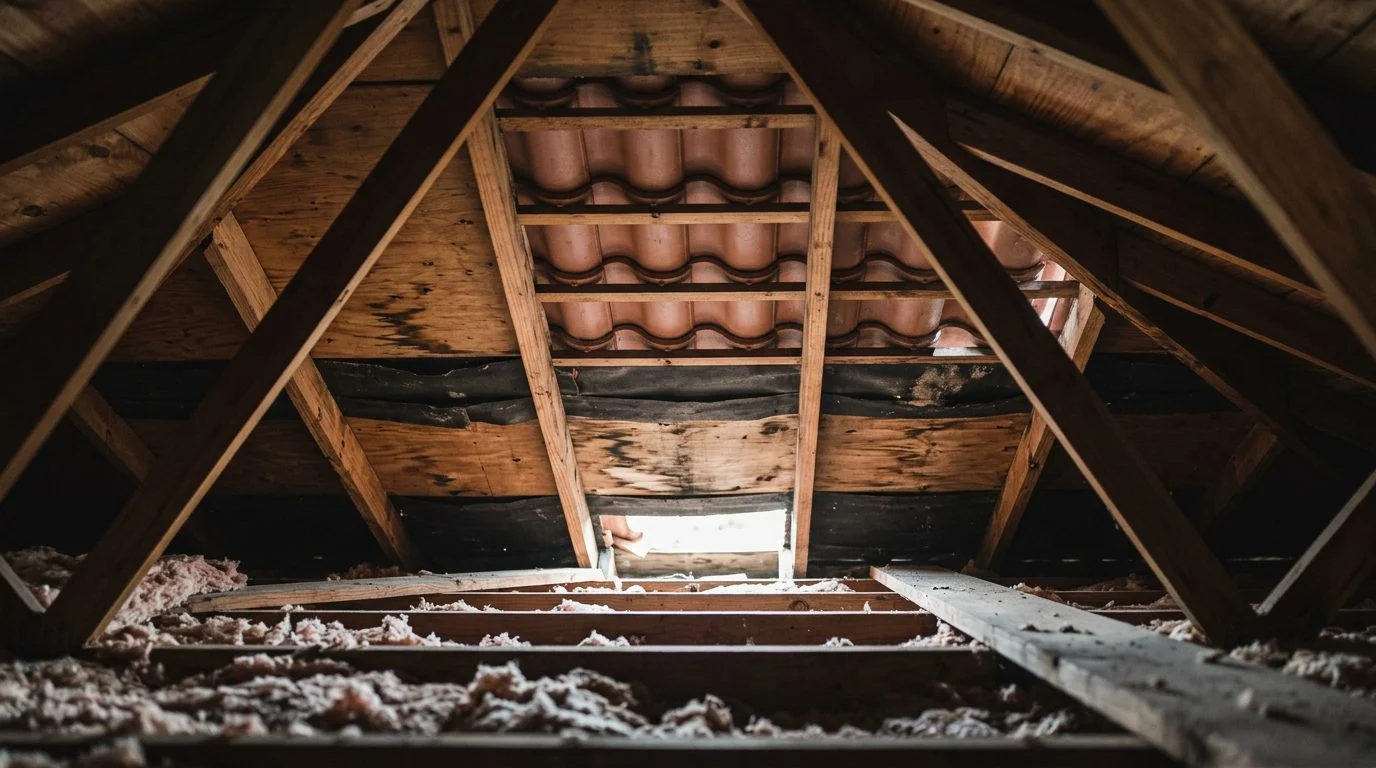
Each downside touches a different part of the roof system. The framing carries the load. The tiles form the surface. Layers beneath them keep water out, and flashing seals the openings. Keep those parts in mind as you read the sections below.
If a leak or a cracked tile has you worried, our team can talk through your roof's age, visible damage, and location in South Florida with you. Talk it through with our team — the first consultation is free, confidential, and carries no obligation.
Ceramic tiles are heavy and need a structure that can carry them
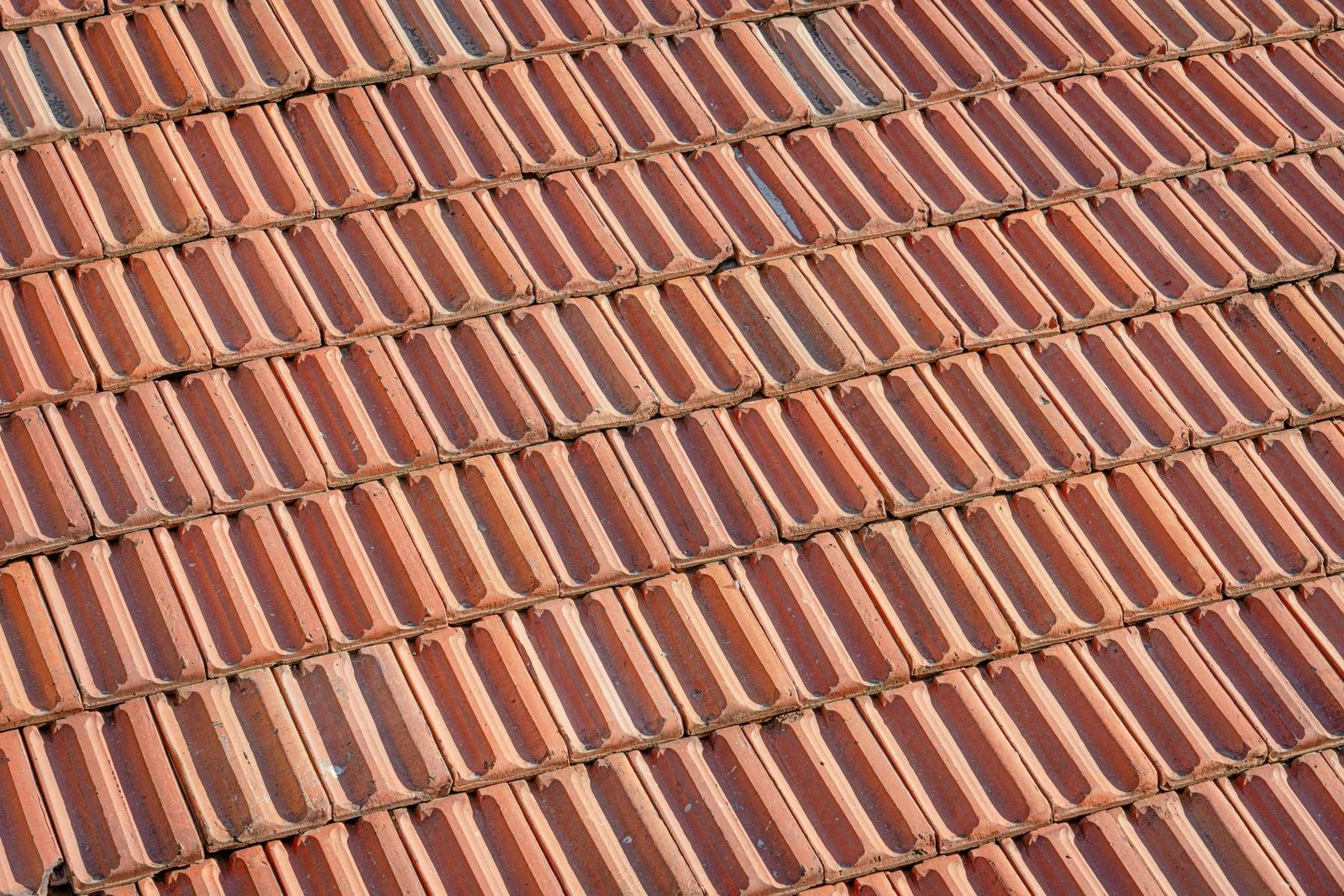
Ceramic tile roofs weigh more than many other roofing options, so the home’s structure must be checked before installation. The weight comes from the tiles and the materials that hold them in place. A roof framed for a lighter covering may need added support.
Older homes are the most likely to need that work. Reinforcement adds to the project cost and can extend the schedule.
Weight also matters after installation. Crews must walk and work on the roof during repairs, so the load belongs in every job plan.
Florida also sets wind-resistance rules that can affect a tile replacement. Under Fla. Stat. § 553.844, a roof replacement on a site-built, single-family home must include specified wind-resistance techniques. Under Fla. Stat. § 553.844, the roof-to-wall mitigation requirement does not apply when the cost of that retrofit would be more than 15 percent of the cost of reroofing, and it applies only under stated conditions, such as the insured value of the home and whether it is located in the wind-borne debris region. A structural review should come before any tile decision.
Tiles can crack or break, and broken tiles are a real concern
Yes, ceramic tiles can crack or break, and a broken tile can let water reach the roof. The tile is rigid, so it doesn’t flex the way some roofing does. Hail, flying debris, fallen branches, and foot traffic can all crack it.
Under the tiles sits the underlayment, a water-resistant layer that backs up the surface. When a tile cracks, water can get past it and reach that layer and the decking below. Water can then soak into insulation and ceilings before anyone sees a stain.
Small cracks matter too. A hairline crack looks minor, but it can admit water over time. Treat any broken tile as a repair item, not a cosmetic one.
Walking on tile is another common cause of breakage. A step can crack a tile that was already weakened. Limit roof walking, and let trained workers with proper care handle any access.
Installation quality strongly affects leaks and water damage
A tile roof leaks most often where it was installed poorly, especially at flashing, valleys, and roof openings. Flashing is the metal or sealing material that closes joints where water could enter. Its details matter as much as the tiles.
Problems tend to appear around vents, chimneys, and roof edges. Valleys, where two roof slopes meet, carry large amounts of water and need correct layering. A mistake at any of these points can let water in even when every tile looks sound.
Water can cause damage well before a leak shows. It can soak the decking and insulation first, which hides the problem until a ceiling shows a stain. By then, the damage may have spread.
Asking the right questions helps. Ask about the underlayment, the flashing details, and how each tile is fastened before any work starts. Clear answers show how carefully the roof will be built.
Moss, algae, and moisture can build up on tile roofs
Moss and algae can grow on tile roofs in South Florida’s humid, shaded conditions. Growth tends to settle in the gaps between tiles and on lower sections that stay damp. Shade from nearby trees makes the problem worse.
Growth holds moisture against the roof. That moisture can speed wear on the tiles and the materials beneath them. A roof that stays damp often wears faster than one that dries out between rains.
Regular inspection catches growth early. Look for dark streaks or green patches, and check for loose or shifted tiles after storms. When cleaning is needed, avoid high-pressure washing, because the force can crack tiles and push water underneath.
Two habits reduce growth. Keep tree branches trimmed back so sunlight and airflow reach the roof. Make sure the attic is ventilated so moisture doesn’t collect beneath the tiles.
Cost, repair difficulty, and how tile compares with metal
Ceramic tile usually costs more upfront than many alternatives, and repairs can be harder to make. The added structural and installation work raises the total. The final number depends on the roof’s condition and the scope of work.
Repair matching is the hard part. Individual tiles can be difficult to match in color and profile. Lifting one out can also damage the tiles around it, so a small repair takes more care than it first appears.
Many homeowners compare tile with metal roofing. Metal is lighter, and the Insurance Institute for Business & Home Safety reported that metal roofing systems held up well in winds below 130 mph in Southwest Florida during Hurricane Ian (2022). That finding covers metal systems in one storm. It does not rank every roof, so the right choice turns on your home’s structure and budget.
Permits add time to any roof project. Florida law generally requires a permit before a building is repaired or replaced, under Fla. Stat. § 553.79. Permit rules for roof work can vary by municipality, so our team can explain what may apply to your project during your free initial consultation, which is confidential and comes with no obligation. Build that time into your plan.
Not sure what your next step is?
Talk it through with our team — the first consultation is free, confidential, and carries no obligation.
If you are dealing with a tile roof problem now
If you’re dealing with a tile roof problem now, you don’t have to sort out the options alone. A leak may have shown up after a storm. A cracked tile may have caught your eye from the yard. You may have inherited a roof someone else installed. Each situation calls for a clear look at the roof’s condition before any decision.
ASP Superhome handles tile roofing, roof repair, roof replacement, metal roofing, impact windows, impact doors, solar panels, solar battery backup, and kitchen remodeling for homes in Miami, Fort Lauderdale, West Palm Beach, Kendall, Naples, Fort Myers, and Boca Raton. To begin, share your roof’s age, any visible damage, and where your home sits in South Florida. Reach out through the ASP Superhome contact page. The first consultation is free, confidential, and carries no obligation to continue.
Are ceramic roof tiles heavy?
Yes, they weigh more than many roofing options. The home’s structure should be reviewed before installation.
Do tile roofs leak more than other roofs?
Not by default. Most leaks trace back to flashing, underlayment, or cracked tiles, so installation quality matters most.
Do I need a permit to repair a tile roof in Florida?
Florida law generally requires a permit before a building is repaired. The City of Miami requires permits for residential roof repair and replacement.
Is metal roofing better than tile?
It depends on the facts of your home, including its structure, budget, and storm exposure.
What to weigh when choosing a tile roof
Weight matters
Ceramic tile is heavy. Whether your home's structure is suited to it is a question to answer before installation, not after.
Breakage and wind
Individual tiles can crack or slide under impact and high winds, which is why South Florida storm conditions deserve close attention.
Installation is critical
How tiles are fastened, underlayment, and flashing all affect performance. Weak installation can cause problems years later.
Moisture and moss
Humidity and shade can encourage moss and trapped moisture between tiles, so maintenance is part of owning this roof.
Before you decide
Tile roof problems often start hidden under the surface. Have the structure, underlayment, and installation method reviewed for your specific home before you choose ceramic tile.
Quick reference: the main downsides
Higher upfront cost
Ceramic tile usually costs more to supply and install than many other roofing options.
Harder repairs
Replacing a cracked tile or reaching a leak source can take more labor and careful handling than with other materials.
Sensitivity to installation
Small errors in fastening or flashing can lead to leaks, so the quality of the work matters as much as the material.
Ongoing upkeep
Cleaning, moss control, and periodic inspections help a tile roof stay sound in humid, storm-prone climates.
Start with a free first consultation: confidential and with no obligation to continue.
Related practice areas
- Tile Roofing in South Florida: Costs, Styles & Installation Guide
- Downsides of Having a Tile Roof in South Florida


