


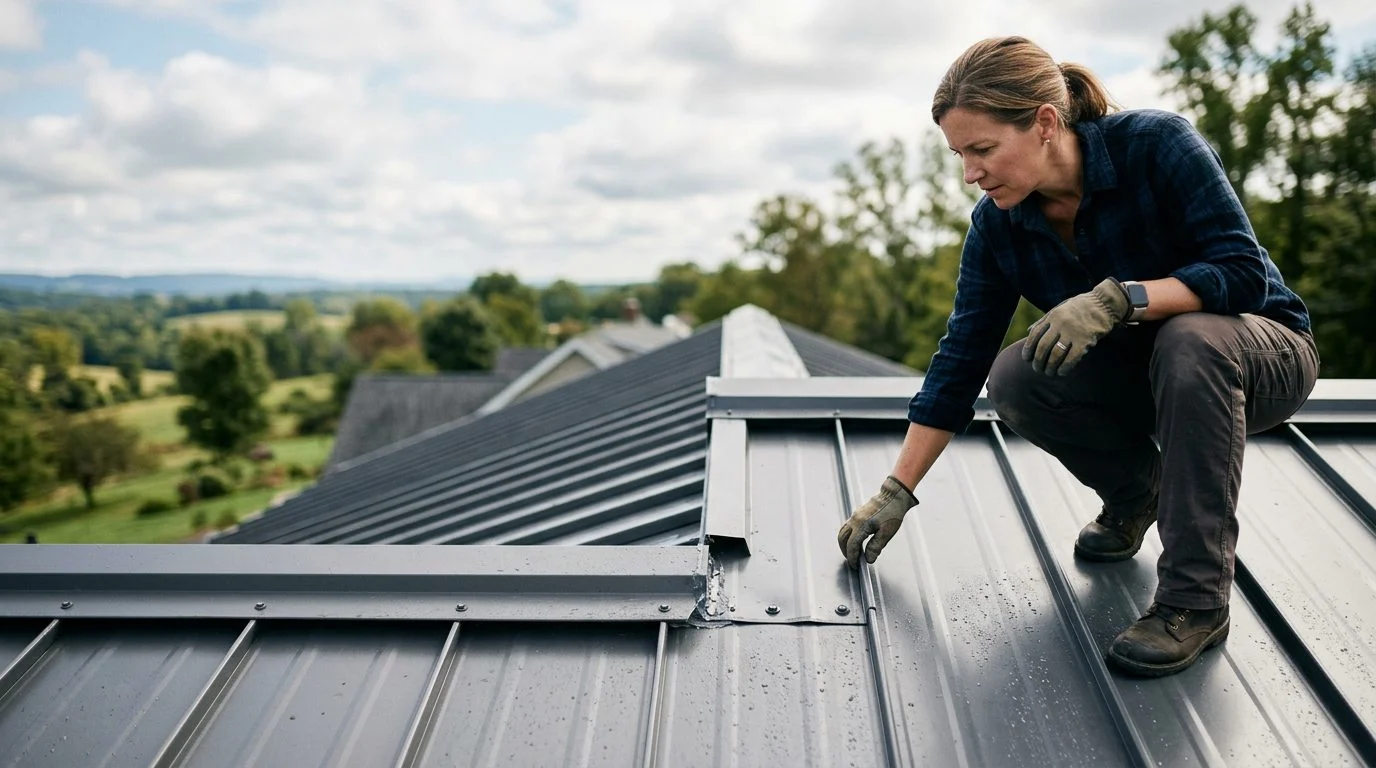
Roofing | South Florida
What Is Secondary Water Resistance on a Roof?
SWR is the backup layer beneath your roof covering. Here is how it works, why it matters in South Florida, and how to find out what your roof has.
By Jonathan Rodriguez · Published November 2, 2026
What Is Secondary Water Resistance on a Roof?
Secondary water resistance (SWR) is a water-resistant layer under your roof covering. It is a backup. If wind-driven rain gets past the tile or metal on top, SWR is meant to keep that water off the roof deck. If you’re reading this about a tile roof in South Florida, you may be weighing a repair, an inspection note, or a replacement. This guide explains the term in plain language.
If you're weighing a tile roof repair or replacement and the SWR question is still open, our team can help you sort it out. Talk it through with our team — the first consultation is free, confidential, and carries no obligation.
What secondary water resistance means on a roof
SWR stands for secondary water resistance. Some people and code references call it a secondary water barrier. Both names describe the same idea: a second line of defense under the outer layer.
The tile or metal on top is the primary layer. It sheds most of the rain. It does not seal the roof by itself. SWR sits beneath it and handles the water that slips past.
Think of the outer layer as a raincoat. SWR is the layer underneath that keeps you dry if the coat lets water through. The statute that governs Florida’s building code lists secondary water barriers for roofs among the measures the Florida Building Commission must develop. The statute says the criteria may not be limited to one method or material for a secondary water barrier. In other words, SWR is a job the layer must do, not one specific product.
Where SWR sits in a tile roof assembly
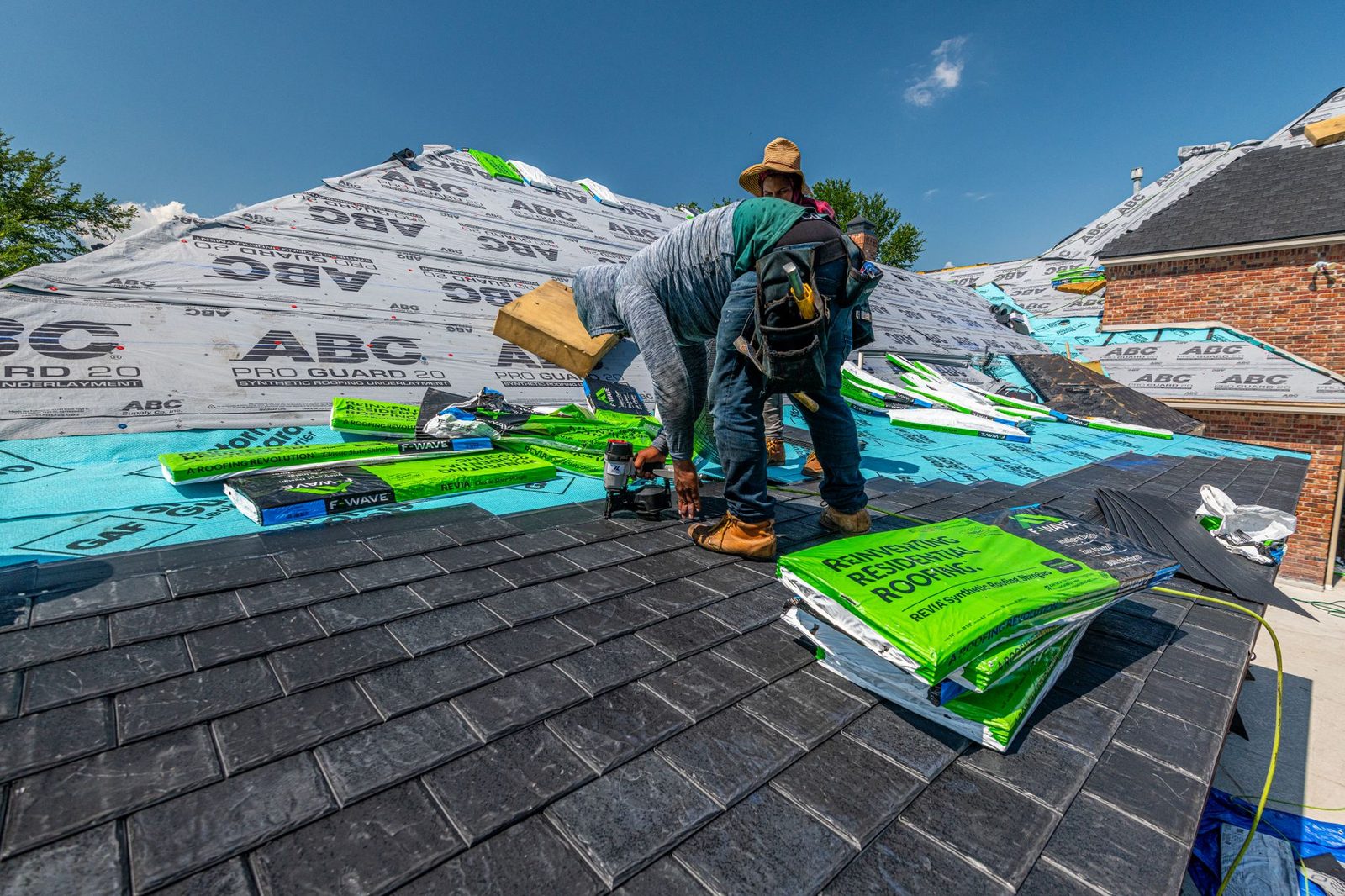
From the bottom up, a tile roof is built in layers. The roof deck is the base board or panel fastened over the rafters. The SWR layer goes directly on that deck. Battens or tile supports sit above it, and the tiles hang on those supports.
Tile sheds most water, but it is not watertight. Wind can push rain up and under the tile edges. Once water gets beneath the tile, the SWR layer is what keeps it from reaching the deck.
Because SWR sits under the tile, you cannot see it from the street or from inside the house. Once the tile is installed, the layer is hidden. Records from the original build or the last reroof are often the best place to check what was installed.
Why SWR gets attention on South Florida tile roofs
South Florida storms bring strong wind and heavy rain. Wind can lift the edges of tile. Wind-driven rain can then be pushed beneath the outer layer.
Tiles can crack, shift, or lift over time. A tile that moves can open a gap. In a storm, that gap can let rain reach the layer below. SWR is the backup for that moment.
Florida’s code also raises the bar on how tile holds up in wind. The 2026 code requires tile underlayment uplift resistance to meet the component and cladding loads of ASCE 7.
If you’ve had a repair, an inspection finding, or a replacement is coming up, the SWR question is part of that decision. It is worth asking early.
What the Florida Building Code says about SWR
Florida law says the Florida Building Code must contain or incorporate by reference the laws and rules that govern the construction, repair, and demolition of buildings. The code’s rules come from the Florida Building Commission, and each edition changes some details.
The edition matters. Under Florida Statutes 553.73, the Florida Building Code edition in force on the date of application for a permit controls the permitted work for the life of the permit and any extension granted to the permit.
The 2026 code analysis also changed underlayment rules. Underlayment must now lap over hips and ridges a minimum of 6 inches, except where ventilation openings are provided.
How SWR compares to ice and water shield and other underlayments
Ice and water shield is a self-adhered membrane. It is often used at eaves, valleys, and around roof penetrations. It is a specific product type, not the same thing as a full SWR layer.
People often ask whether the whole roof needs ice and water shield. The answer depends on the facts of the roof. Its slope, its details, its design, and the code in effect for the work all matter. A simple yes or no would leave out part of the picture.
Other underlayments serve other roles. The right layer is set by the roof’s design and the code that applies to the permit.
Not sure what your next step is?
Talk it through with our team — the first consultation is free, confidential, and carries no obligation.
Talk with ASP Superhome about your tile roof
You may be reading this with an inspection note in hand. You may be handling a roof for a parent or for a property you manage, and a repair or replacement decision is coming fast. That is a lot to sort out, and you don’t have to do it alone.
Our team can talk through your tile roof’s underlayment and the options that fit your home. Our first consultation is free, confidential, and comes with no obligation to continue. You can reach out to ASP Superhome here.
Quick answers
What does SWR stand for in roofing?
SWR stands for secondary water resistance. It is also called a secondary water barrier.
Is SWR the same as ice and water shield?
No. Ice and water shield is a self-adhered membrane used in specific spots. SWR is a backup layer under the roof covering.
Can I tell if my tile roof has SWR?
Usually not by looking, because the layer is hidden under the tile. Past permit and installation records are often the best clue.
Does the code edition matter?
Yes. Work authorized under a permit stays tied to the code edition in force on the application date, including any extension granted to the permit.
Why Homeowners Ask ASP About Roof Layers
Plain-language answers
We explain how each layer of your roof works so you can compare options with confidence.
Built for South Florida weather
Heavy rain, wind-driven storms, and humidity put real demands on every part of a roof system.
Clear, written recommendations
Your estimate spells out what is on your roof now and what a repair or replacement would include.
A confidential first consultation
Our free first consultation is confidential and comes with no obligation to continue.
Don't Assume Your Roof Has a Backup Layer
A tile or metal roof can look solid from the ground and still lack a secondary water barrier.
Where SWR Comes Up Most
Tile roofs
Tile sheds water well, but the layer beneath it is what protects the home when water works its way past the tiles.
Metal roofs
Metal panels and their fastening points can allow water in during storms, so the underlayment matters.
Roof replacement
When a roof is replaced, the underlayment and any secondary barrier can be reviewed and upgraded as part of the project.
Roof repair
A leak often traces back to the layers beneath the surface, so a repair should look at more than the visible damage.
Not Sure What Your Roof Has? Let Us Take a Look.
Related practice areas
- Tile Roofing in South Florida: Costs, Styles & Installation Guide
- Tile Roof Repair in Fort Lauderdale
- How Much Does It Cost to Replace One Tile on a Roof?


