


Solar Panels | South Florida Homes
Sizing Your Solar System? Start With the 20% Rule
A simple rule of thumb from your own utility bills, a practical starting point for planning solar panels and battery backup at your South Florida home.
By Jonathan Rodriguez · Published November 1, 2026
The 20% rule is a common rule of thumb for sizing solar panels. It says your system should produce about 20% more electricity over a year than your home uses. That extra share is a margin for energy lost along the way.
What Is the 20% Rule for Solar Panels?
The 20% rule is a planning guideline. It tells you to size a solar array to produce about 20% more power than your home uses in a year.
You start with a year of electricity use. Then you add 20% to reach a target. Installers and homeowners use this number as a starting point, not a final answer.
It is a rule of thumb that many people use when they plan a system.
The margin is also not a promise. It doesn’t guarantee a specific bill amount. Your bill also depends on how you use power, how the system performs, and how your utility charges for electricity.
If you're sizing solar for a home you own or a relative's roof, our team can review your utility bills and roof with you. Talk it through with our team — the first consultation is free, confidential, and carries no obligation.
Why the Extra 20% Covers System Losses
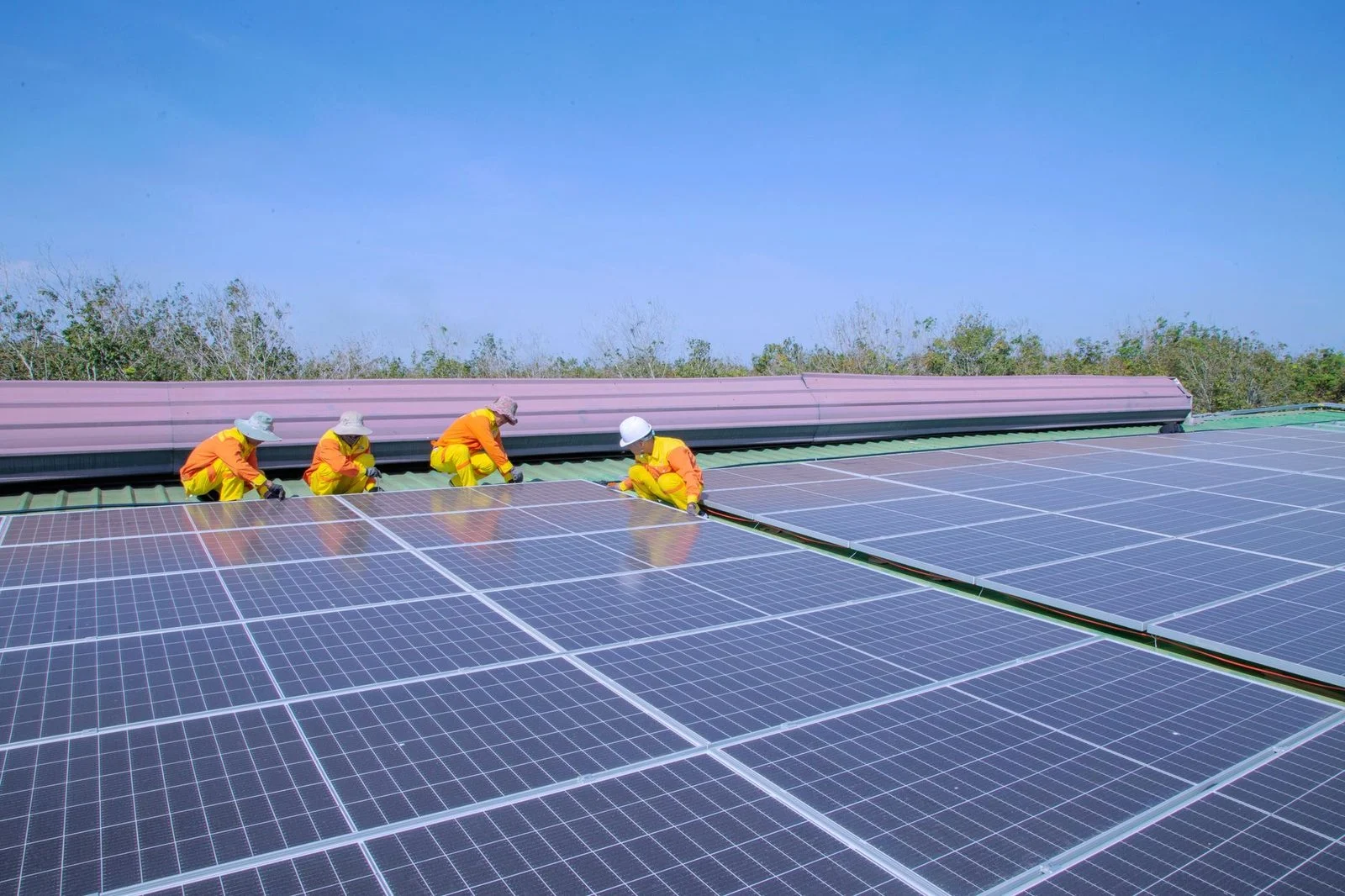
The extra 20% covers energy that gets lost between the panels and your electric meter.
Solar panels make direct current (DC) power. Your home uses alternating current (AC) power. An inverter converts DC to AC, and that conversion is not perfectly efficient. Florida’s rule for the gross power rating of inverter-based systems calculates AC nameplate generating capacity by multiplying the total installed DC nameplate generating capacity by .85 in order to account for losses during the conversion from DC to AC, to account for losses during the conversion from DC to AC.
Other losses add up. Wiring and connections waste some energy as heat. Panels produce less when they get very hot, which happens often in South Florida. Dust and dirt on the glass block some sunlight, and output declines slowly as panels age.
Here’s the trap. A system sized to match last year’s use exactly can fall short. Any loss means you pay your utility for the difference. The 20% margin softens that gap.
How to Apply the 20% Rule to Your Home
Fla. Admin. Code R. 25-6.065 addresses a separate question: it defines “gross power rating” for connecting customer-owned renewable generation to investor-owned utilities, and for systems that use inverters it sets that rating at 85 percent of the installed DC nameplate capacity. That is an interconnection definition, not a guideline for how large a solar system should be.
Start with your utility bills. Collect twelve months and add up the kWh used. Kilowatt-hours measure power used. Dollars measure what you paid, so use the kWh figures.
Here’s a simple example. Say your home uses 12,000 kWh per year. Multiply 12,000 by 1.2, and you get 14,400 kWh. That is your target annual production.
The target is not a panel count. An installer turns it into a system size using roof space, roof direction, tilt, and shade. A roof with little usable space may need a different design to reach the same target.
What Changes the Number for a South Florida Roof
Your roof, your sun exposure, and your plans for power use can change how the 20% rule works out.
South Florida gets strong sun for much of the year. Roof direction, tilt, and shade matter just as much. A tree or nearby building can block panels during key hours of the day.
Your plans matter too. Added air conditioning, an electric vehicle, or a solar battery backup system can change how much power your home draws from the array. Federal tax credit rules can change over time, so review the current terms on the IRS Residential Clean Energy Credit page before estimating savings.
Roof condition matters as well. A tile, metal, or repair-needed roof can change the timing and layout of a solar install.
Talk Through Your Home’s Numbers With Our Team
If you’re working out solar size for a home you own or a relative’s roof, you don’t have to sort it out alone.
If you’re not ready to hire anyone yet, gathering your bills and roof details first is a sound start. Our team can review your utility bills, your roof, and your sun exposure with you.
Our team offers a free first consultation that is confidential and comes with no obligation to continue (consulta inicial gratuita, confidencial y sin compromiso). Contact ASP Superhome to talk through your numbers.
For broader roof planning, see our tile roofing guide for South Florida.
Frequently Asked Questions
Does the 20% rule guarantee a zero power bill?
No. The margin covers system losses. It does not promise a specific bill amount.
What is the first step with the 20% rule?
Add up twelve months of kilowatt-hours from your utility bills. Then multiply that total by 1.2.
How to Apply the 20% Rule
1. Gather Your Usage
Collect twelve months of kilowatt-hour (kWh) readings from your utility bills to capture seasonal changes, including the summer months when air conditioning runs hardest.
2. Add Up the Total
Add the twelve monthly kWh figures together to get your annual electricity use.
3. Multiply by 1.2
Multiply your annual total by 1.2. The extra 20% covers system losses and gives you a starting figure for planning your solar array.
Why Plan With Our Team
Clear Starting Point
The 20% rule gives you a simple number to begin the conversation about your solar panels.
Built for South Florida
We focus on homes across South Florida, where roof condition, orientation and sun exposure all shape the right system.
Whole-Home Planning
Solar panels, solar battery backup, roofing and impact windows and doors can be considered together so your project fits your home.
Straight Answers
Our team will walk you through your bills, your goals and your options in plain language.
Important: A Rule of Thumb, Not a Promise
The 20% rule is a planning estimate. It does not guarantee a zero power bill or a specific savings amount. Your actual system size depends on your roof, shading, equipment and usage.
Ready to Size Your Solar System?
Start With a Free, Confidential First Consultation, With No Obligation to Continue.


