


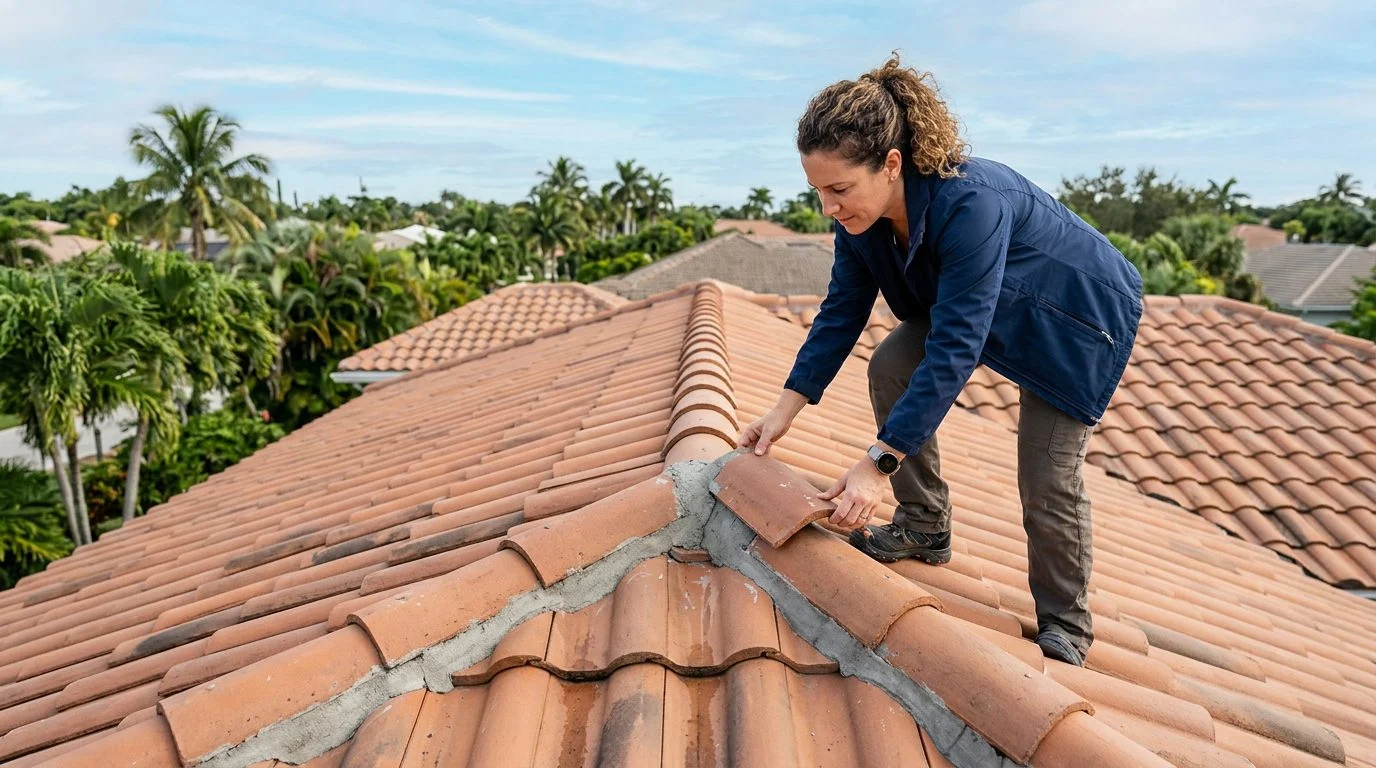
Tile Roofing | South Florida
How Long Does a Flat Tile Roof Last in South Florida?
Flat tile roofs can serve for decades in our climate, but heat, humidity, storms, and drainage all shape how long yours lasts. Here is what to watch for and when an inspection makes sense.
By Jonathan Rodriguez · Published October 25, 2026
Short Answer: How Long a Flat Tile Roof Lasts in Florida
What is the average lifespan of a flat tile roof? Tile itself is durable, but the answer depends on the layers under it. The underlayment, flashing, and drainage usually decide how long a flat tile roof performs.
The National Roofing Contractors Association describes clay and concrete tile roofing, including its durability and its use in Florida. Tile often holds up well. The parts beneath it are usually what wear out first.
Florida conditions can shorten or extend that life in practice. Heat, humidity, storms, and salt air each press on a roof in their own way. Two tile roofs of the same age can be in very different shape.
For an overview of tile roofing in the region, read our South Florida tile roofing guide.
If you're checking a flat tile roof for a family member, or after a storm or leak, our team can talk through what you're seeing with you. Talk it through with our team — the first consultation is free, confidential, and carries no obligation.
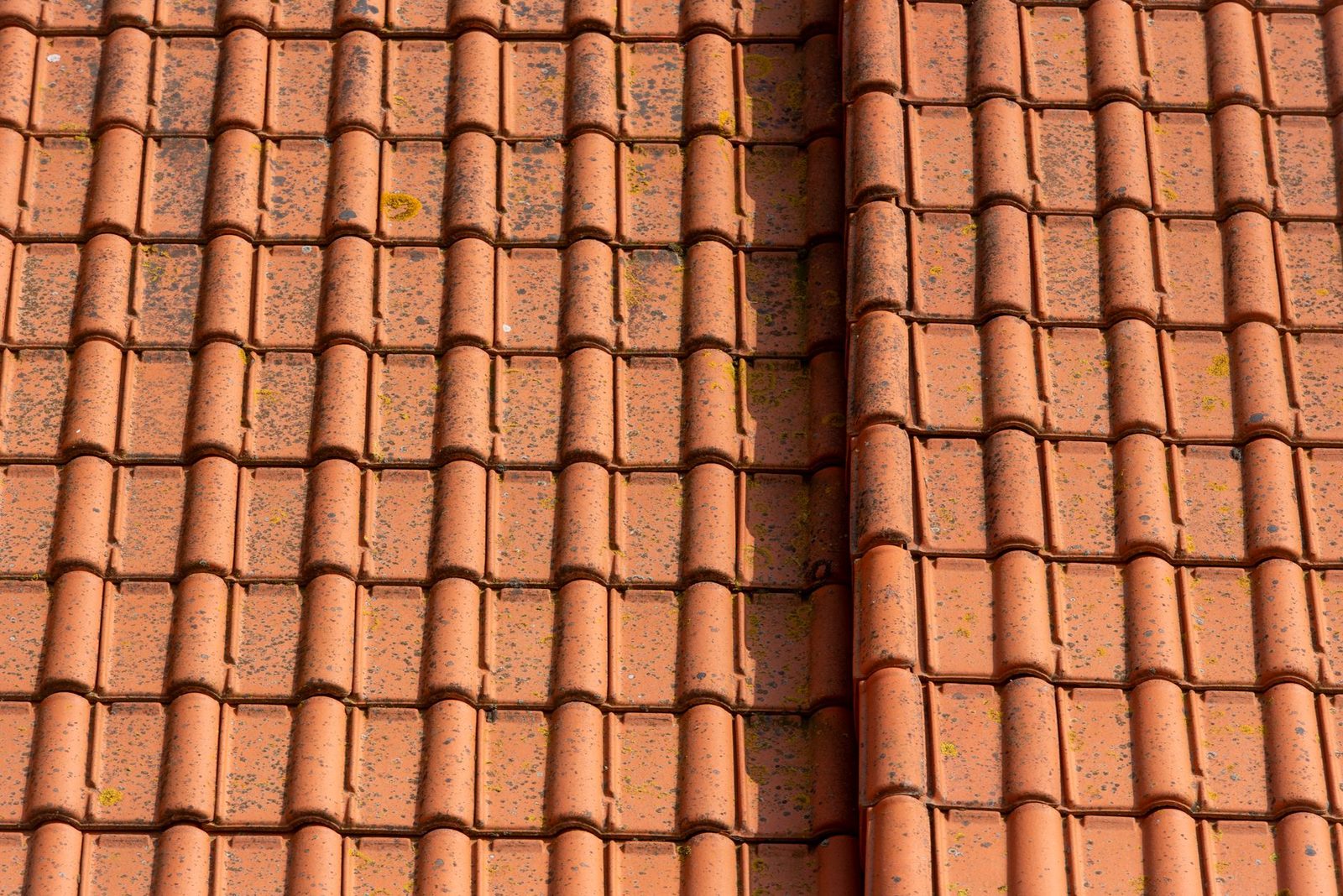
Why “Flat” Changes the Lifespan Question
A flat or low-slope tile roof depends more on drainage and waterproofing than a steep one does. Tile is usually installed on pitched roofs. A flat section needs a different design behind the tile.
Water that sits on a flat section stays longer. Standing water and slow drainage add stress to the underlayment and fasteners over time. Each rain tests the same layers again. A small drainage problem can grow into a leak that reaches the roof deck.
Low-slope tile systems often rely on a continuous waterproof layer under the tile. When that layer fails, the tile above it can still look fine. That’s why the underlayment often sets the limit on service life.
Tested systems matter too. Miami-Dade County Product Control lists a flat-profile, interlocking concrete tile system tested under TAS 112 for specified Florida Building Code and High-Velocity Hurricane Zone uses. Suitability depends on the specific system, not on the tile alone.
If your roof is flat or low-slope, ask about the drainage design and the underlayment. The tile’s age alone won’t tell you much.
Concrete Tile vs. Clay Tile: How the Material Changes Lifespan
Concrete and clay tile are both durable. The main difference is how each handles moisture and surface wear. Neither one protects the house alone. Both need sound underlayment and flashing.
Concrete tile is heavier and more porous than fired clay. In humid conditions, its surface can show wear and efflorescence, which are white mineral deposits. Clay tile is fired at high temperature and generally resists moisture absorption well. Color coatings and glazes also matter, because they affect how the tile handles sun and heat.
What is the average lifespan of a concrete tile roof?
Concrete tile follows the same system rules as other tile. Its service life depends on the tile, the underlayment, and the installation working together. No single year count fits every roof, so the condition of each layer is the better guide.
If you have a barrel-profile roof, read about barrel tile roof lifespan.
Florida Factors That Shorten or Extend Tile Roof Life
Heat, humidity, storms, salt air, installation quality, and maintenance decide most of a South Florida tile roof’s life. Each one works on a different layer, so each needs attention.
Heat and sun age sealants, coatings, and underlayment. Daily swings between hot and cool make materials expand and contract. Over years, that movement loosens sealant and stresses fasteners.
Humidity and shade invite mold and algae. Areas that dry slowly stay damp longer, which speeds up staining.
Storms and wind-driven rain are the fastest threat. Lifted, cracked, or displaced tiles let water reach the underlayment. Florida law says that, for site-built, single-family residential structures constructed before the implementation of the Florida Building Code, the criteria for secondary water barriers “may not be limited to one method or material,” under Fla. Stat. § 553.844.
Salt air matters in coastal areas such as Boca Raton, Fort Lauderdale, Naples, and Fort Myers. It corrodes fasteners and metal flashing, which often fail first.
Installation and underlayment choice most often decide how long the system performs. The Tile Roofing Industry Alliance publishes installation guidance for proper tile-roof practice and high-wind applications in Florida.
Maintenance helps. Keep gutters and drains clear, avoid walking on tiles, and schedule periodic inspections. After a storm, follow these post-storm roof steps.
Is a 20-Year-Old Tile Roof Due for Replacement?
Age alone doesn’t decide the question. The condition of the tiles, underlayment, flashing, and drainage does. A 20-year-old roof may need repairs, or it may need replacement, depending on what an inspection finds.
Watch for these warning signs:
- Cracked, slipping, or missing tiles
- Dark staining or granule loss
- Soft spots underfoot
- Water stains on interior ceilings
- Ponding water on a flat section
- Sealant or flashing that has pulled apart
An inspection can separate surface wear from underlayment failure. That difference changes the repair-versus-replace decision.
Florida insurance rules also apply. If you have questions about your roof and your insurance, our team can talk through your options during a free initial consultation, which is confidential and carries no obligation to continue.
Storm damage has deadlines. Under Fla. Stat. § 627.70132, a claim is barred unless notice reaches the insurer within 1 year after the date of loss. A supplemental claim is barred unless notice comes within 18 months.
Replacement cost varies with roof size, tile type, and access. For context, see barrel tile replacement costs.
Quick answers
Does a 20-year-old tile roof always need replacing?
No. Condition decides it, and an inspection can show how much life the roof has left.
Can a flat tile roof last as long as a steep one?
It depends on drainage and underlayment. Those layers matter more on low-slope designs.
Talk Through Your Roof’s Condition With Our Team
Maybe you’re managing this roof for a parent, or you inherited a home with a flat tile roof you didn’t choose. A storm may have loosened tiles, or a leak may have appeared after heavy rain. Those moments raise hard questions fast.
Our team can look at what you’re seeing and talk through your options. Your first step is a free first consultation. It’s confidential and carries no obligation to continue (consulta inicial gratuita, confidencial y sin compromiso).
When you’re ready, request your free estimate here.
What Shapes the Lifespan of Your Flat Tile Roof
Underlayment Condition
The waterproof layer beneath the tiles does much of the work. On low-slope designs, its condition matters even more than on steep roofs.
Sun and Heat Exposure
Intense South Florida sun can age tiles, sealants, and flashing over time, especially on roofs with little shade.
Drainage and Ponding
Water that sits on a flat roof speeds wear. Proper slope, clear drains, and good installation help keep it moving off the surface.
Age and Maintenance
Regular inspections and prompt repairs help a tile roof reach its full service life. Neglected small problems tend to grow.
Don't Wait for a Leak
Water intrusion often starts out of sight, inside the roof assembly. If you notice ceiling stains, soft spots, or water pooling after rain, schedule an inspection. Our team offers a free first consultation that is confidential and comes with no obligation to continue.
Signs Your Flat Tile Roof Needs a Closer Look
Cracked or Displaced Tiles
Broken or shifted tiles expose the layers beneath them to rain and wind-driven moisture.
Ponding Water
Puddles that linger for days after a storm point to drainage problems that can shorten roof life.
Stains or Damp Ceilings
Discoloration or dampness indoors can signal a leak that has been working its way through the roof.
Worn Flashing and Sealants
Deteriorated flashing around vents, edges, and penetrations is a common entry point for water.


