


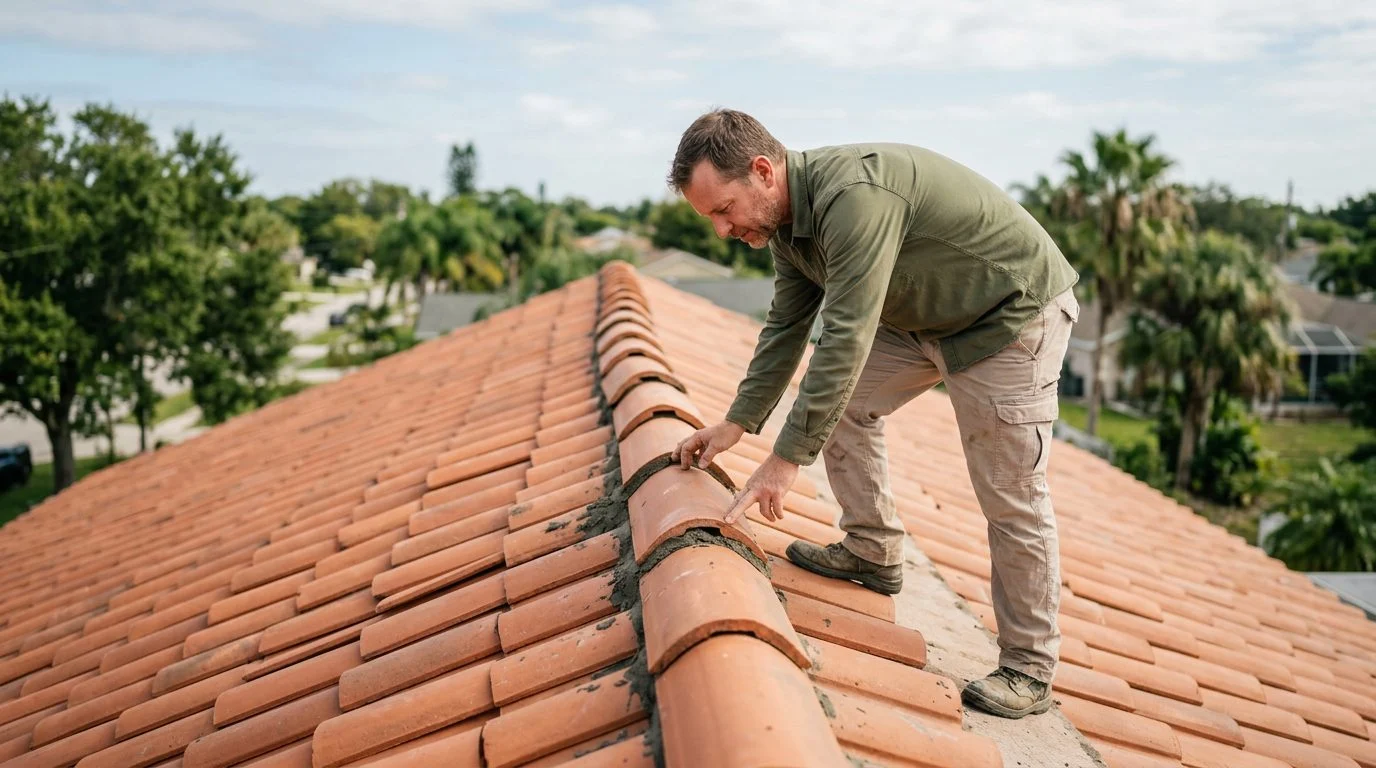
Tile Roofing | South Florida
How Long Does a Tile Roof Really Last in Florida?
Tile is durable, but the underlayment, flashing, and installation often determine how well a roof holds up in the Florida sun, wind, and rain. Here are the key factors.
By Jonathan Rodriguez · Published October 19, 2026
If you’re asking what the average lifespan of a tile roof in Florida is, the honest answer is that no single number fits every home. Tile itself is durable. The layers beneath it, and the conditions above it, decide how much of that life a roof actually delivers. This guide explains those factors so you can judge a specific roof, not just a general figure.
Short Answer: How Long a Tile Roof Lasts in Florida
A tile roof can last a long time, but no single lifespan applies to every house. The NRCA roofing materials guidance describes clay and concrete tile as durable roofing materials, including their use in Florida. Online estimates vary widely, so treat any one number with caution. The tile is only one part of the roof. The underlayment, flashing, fasteners, and installation beneath it also decide how well the roof keeps water out. Florida heat, humidity, salt air, and storms can shorten or extend that service life. A roof’s actual condition tells you more than its age or a general range.
If you're weighing this roof for a parent's home or an inherited property, you don't have to sort it out alone. Our team can talk through its condition with you. Talk it through with our team — the first consultation is free, confidential, and carries no obligation.

Clay Tile vs. Concrete Tile: How the Material Changes Lifespan
Clay tile is fired from natural clay. Concrete tile is made from a cement-based mix. Both are heavy, so the roof structure has to carry the load. The NRCA guidance notes that when tile replaces another roof covering, the structure’s load capacity must be verified. The Tile Roofing Industry Alliance installation guides cover proper installation practices and acceptable products for high-wind applications in Florida. Tile is often the most durable layer on the roof. The layers underneath usually set the timing for repairs or replacement. Keep that in mind when you compare materials. For a broader look at tile options, see our tile roofing guide.
How Florida’s Heat, Humidity, and Storms Affect Tile Roofs
Florida’s climate puts steady stress on a tile roof. Sun heats the roof through the day and lets it cool at night. Over many years, that movement can loosen fasteners and strain flashing. Humidity and heavy rain add more load. Moisture that gets past a weak seal can soak into the underlayment and wood decking, often out of sight. Salt air near the coast can corrode metal parts such as fasteners and brackets. Storms add the biggest sudden risk. High winds can crack, slip, or displace tiles, even on a roof that was in good shape before. Wind-borne debris can break tiles too. Storm damage is not always visible from the ground, so an inspection after a major storm is worth scheduling.
Installation Quality and Underlayment: The Layer That Often Decides Lifespan
The water-resistant underlayment beneath the tile is the main barrier against leaks. Its service life can be shorter than the tile above it. That means a roof can need attention before the tiles do. Proper fastening, flashing at roof penetrations and valleys, and correct tile attachment all affect how long the roof performs. These details are hidden once the roof is finished. That is why age alone doesn’t reveal what’s underneath. Two tile roofs of the same age can be in very different condition. The installation guides from the Tile Roofing Industry Alliance give a useful reference point. Keep installation records with the home, because they show what was used and how it was put together.
Ventilation, Drainage, and Slope: Keeping Water and Heat Moving
Attic ventilation lets hot air leave the space under the roof. Less trapped heat means less stress on the underlayment and the tile. Roof slope, along with working gutters and valleys, directs rainwater off the roof. Blocked gutters and debris can hold water against the roof and speed wear in those spots. The IBHS Roof 101 guide covers residential tile roofing materials and common installations. It is a useful reference when you check how a roof is built. Good airflow and drainage help a roof work as designed. They do not add a fixed number of years to its life.
Maintenance and Foot Traffic: What Helps a Tile Roof Last Longer
Regular visual checks and prompt repairs help a tile roof keep its performance. Look for cracked, broken, or slipped tiles, especially after a major storm. Walking on tile can crack tiles or push them out of place. Let trained workers handle any work on the roof. Clear away leaves, branches, and debris that trap moisture against the surface. Routine care supports the roof, but it does not reset its age. A clean, sound roof still gets older. Good upkeep can slow the wear that heat and storms cause. It also gives you early notice when a problem starts.
Not sure what your next step is?
Talk it through with our team — the first consultation is free, confidential, and carries no obligation.
Signs a Tile Roof Is Nearing the End of Its Service Life
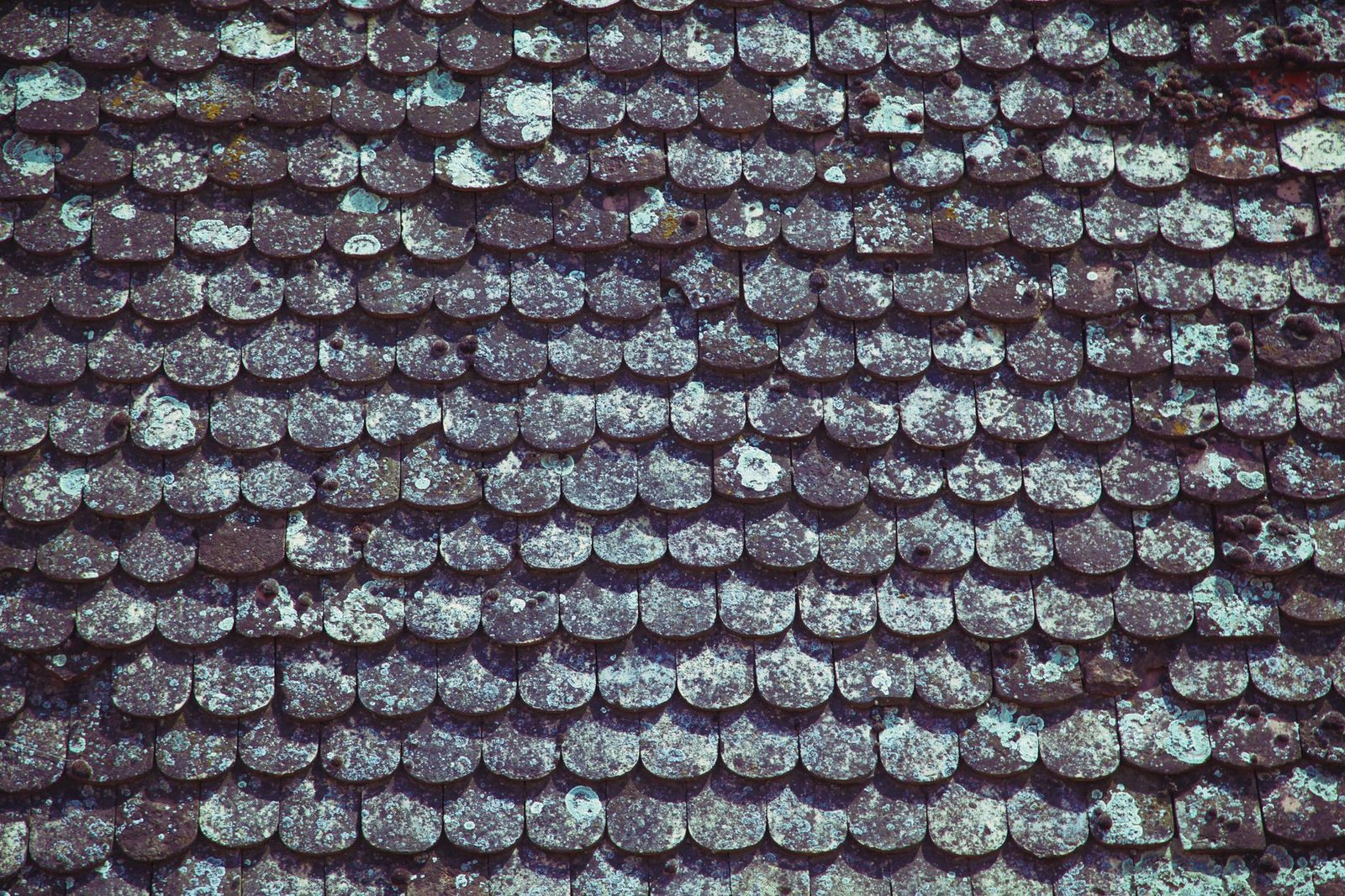
Several cracked or missing tiles, slipped tiles, and repeated leaks are common warning signs. So are water stains on ceilings, damp or soft decking, and worn flashing. A leak can start in the underlayment or flashing even when the tiles look intact. By the time water shows inside, the damage may have spread. A professional roof evaluation can show which layers are affected. It can also show whether repair or replacement fits the situation. Checking your ceiling and attic between inspections helps you catch changes early.
Repair or Replacement: Deciding What Comes Next
Repair usually fits localized damage. Replacement is often considered when damage is widespread or the underlayment is failing. Insurance deadlines matter after a storm. Under Fla. Stat. § 627.70132, a claim is barred unless notice reaches the insurer within 1 year after the date of loss. A supplemental claim has an 18-month limit. For hurricanes, the date of loss is the date of landfall. Under Fla. Stat. § 627.70132, a claim or reopened claim for property loss is barred unless notice was given to the insurer in accordance with the policy terms within 1 year after the date of loss, and a supplemental claim is barred unless notice was given within 18 months after the date of loss.
If you’re handling this decision for a parent or an inherited home, the timeline can feel tight. You don’t have to work through it alone. Our first consultation is a free initial consultation, confidential, with no obligation to continue. You can contact ASP Superhome to review the roof’s condition and talk through your options.
Frequently Asked Questions
What is the average lifespan of a tile roof in Florida?
No single figure fits every home. Tile is durable, but the underlayment and installation often decide how long the roof performs.
Do clay tile roofs last longer than concrete tile?
Both can be durable. The condition of the underlayment, flashing, and installation matters as much as the tile type.
What are signs a tile roof needs replacement?
Widespread cracked tiles, repeated leaks, damp decking, and failing flashing are common signs.
How long do I have to report storm damage in Florida?
Under state law, initial notice generally must reach the insurer within 1 year after the date of loss, under the policy’s terms.
Why Talk to ASP Superhome About Your Tile Roof
Free First Consultation
Your initial consultation is free, confidential, and comes with no obligation to continue.
Built for South Florida
We serve homeowners in Miami, Fort Lauderdale, West Palm Beach, Kendall, Naples, Fort Myers, and Boca Raton.
Tile and Roof Work
Our roofing services include tile roofing, metal roofing, roof repair, and full roof replacement.
Clear Quotes
We review your roof's condition and explain your options so you can make a decision with confidence.
Don't Wait on Visible Damage
Cracked, slipped, or missing tiles and water stains inside the home can point to problems beneath the surface, such as underlayment or flashing issues. Early inspection can help you plan repairs before a small problem becomes a larger one.
Key Factors That Shape Tile Roof Lifespan
Underlayment
The layer beneath the tile is your main barrier against water. Its condition often matters as much as the tile itself.
Installation Quality
Proper fastening, alignment, and flashing around vents, valleys, and walls help prevent leaks and wind damage.
Wind and Storm Exposure
Florida's coastal winds and storm season put added stress on tiles and their fasteners, especially in exposed locations.
Maintenance and Ventilation
Regular inspections, debris removal, and proper attic ventilation help slow heat and moisture damage over time.


