


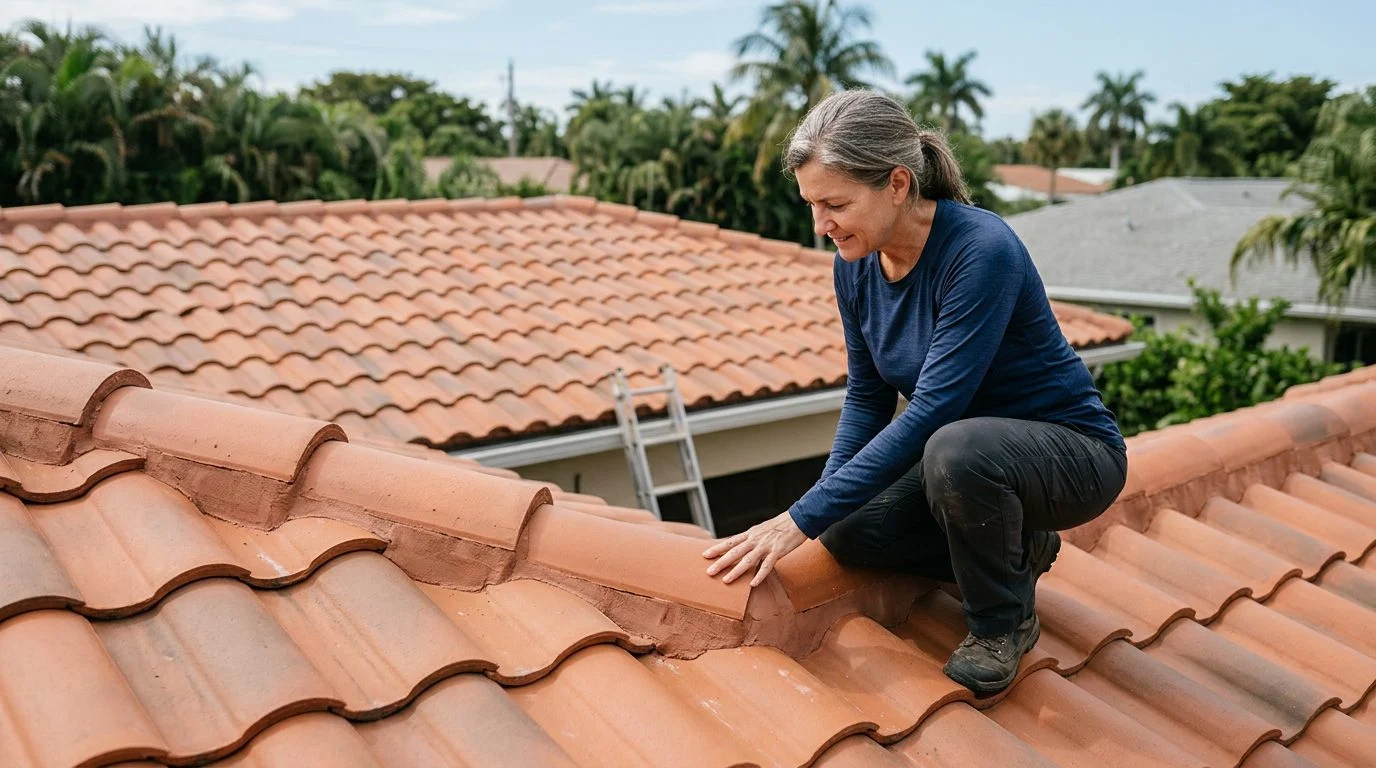
Tile Roofing | Fort Lauderdale
Tile Roofs Built for South Florida Weather, Kept in Good Shape
Learn when a cracked or leaking tile roof can be repaired and when replacement makes more sense. Start with a free first consultation from ASP Superhome.
By Jonathan Rodriguez · Published October 16, 2026
Tile roofing in Fort Lauderdale holds up well when it gets regular attention. A few cracked tiles are often repairable. Widespread cracking, leaks in several spots, or a failed underlayment usually means replacement should be on the table. This guide covers how tile performs in Broward County, where it tends to struggle, and how to tell repair from replacement.
Why Tile Roofs Are a Common Choice in Fort Lauderdale
Clay and concrete tile are long-standing roofing choices across Fort Lauderdale. Homeowners value them for heat resistance and appearance. Many homes here have Spanish-style or Mediterranean-influenced designs, and tile fits that look well.
Tile is also durable. The National Roofing Contractors Association describes clay and concrete tile as durable roofing used in Florida.
Wind is the bigger local concern. Fla. Stat. § 553.73 says the Florida Building Code covers the design, construction, and repair of buildings and structures. So a tile roof here is judged against wind rules, not just looks.
If your tile roof has cracked pieces, a ceiling stain, or is nearing the end of its life, our team can help you weigh repair against replacement. Talk it through with our team — the first consultation is free, confidential, and carries no obligation.

Downsides of Ceramic and Concrete Roof Tiles
Tile’s main drawbacks are weight, breakage under foot traffic, and matching older pieces. Each one shapes how a repair or replacement gets planned.
Weight comes first. The NRCA notes that when another roof covering is replaced with tile, the structural load capacity must be verified. Tile is heavy, so the framing, decking, and underlayment need a check before new tile goes on.
Foot traffic is the second problem. Tile can crack or slip under a person’s weight. Walking the roof for cleanup or a quick look can break pieces that were sound before. Staying off the roof is the safer habit.
A single cracked or shifted tile can also let water reach the underlayment below. Intact-looking tiles can hide that damage, which is why small problems are worth fixing early. The Tile Roofing Industry Alliance publishes installation guides on proper tile-roof practices and high-wind applications in Florida. Those guides give a clear picture of what sound work looks like.
Matching is the last issue. Older roofs may use profiles or colors that are hard to find today. That can change how a repair is done.
Tile Roofs Compared: Tile, Shingles, and Metal
Tile is heavier than asphalt shingles and metal. That weight comes with durability and a classic look. Shingles are lighter, but they look different from the tile many Fort Lauderdale homes use.
Metal tile and standing-seam metal roofs are lighter than clay or concrete. Some metal tile profiles mimic the look of tile while carrying less weight. Their upkeep is different, though. Seams, fasteners, and coatings need periodic checks, while tile upkeep centers on tile condition and the underlayment beneath it.
The right material depends on the home’s structure, the existing roof, and what the owner wants most. These factors are assessed on site. A comparison chart can’t show how a specific roof will perform.
Tile Roof Repair in Fort Lauderdale: Common Problems
Most tile roof repairs start with a leak, a broken tile, or flashing that has pulled loose. Watch for these signs after a storm:
- Cracked, slipped, or missing tiles
- Water stains on ceilings or walls
- Loose ridge or hip caps
- Damaged flashing around vents, chimneys, and skylights
- Tile fragments or grit in the gutters
Wind-driven rain often finds weak points first at ridges, valleys, and roof penetrations. Water can run under tile that looks fine from the street. A common mistake is fixing only the visible tile and leaving the water path open.
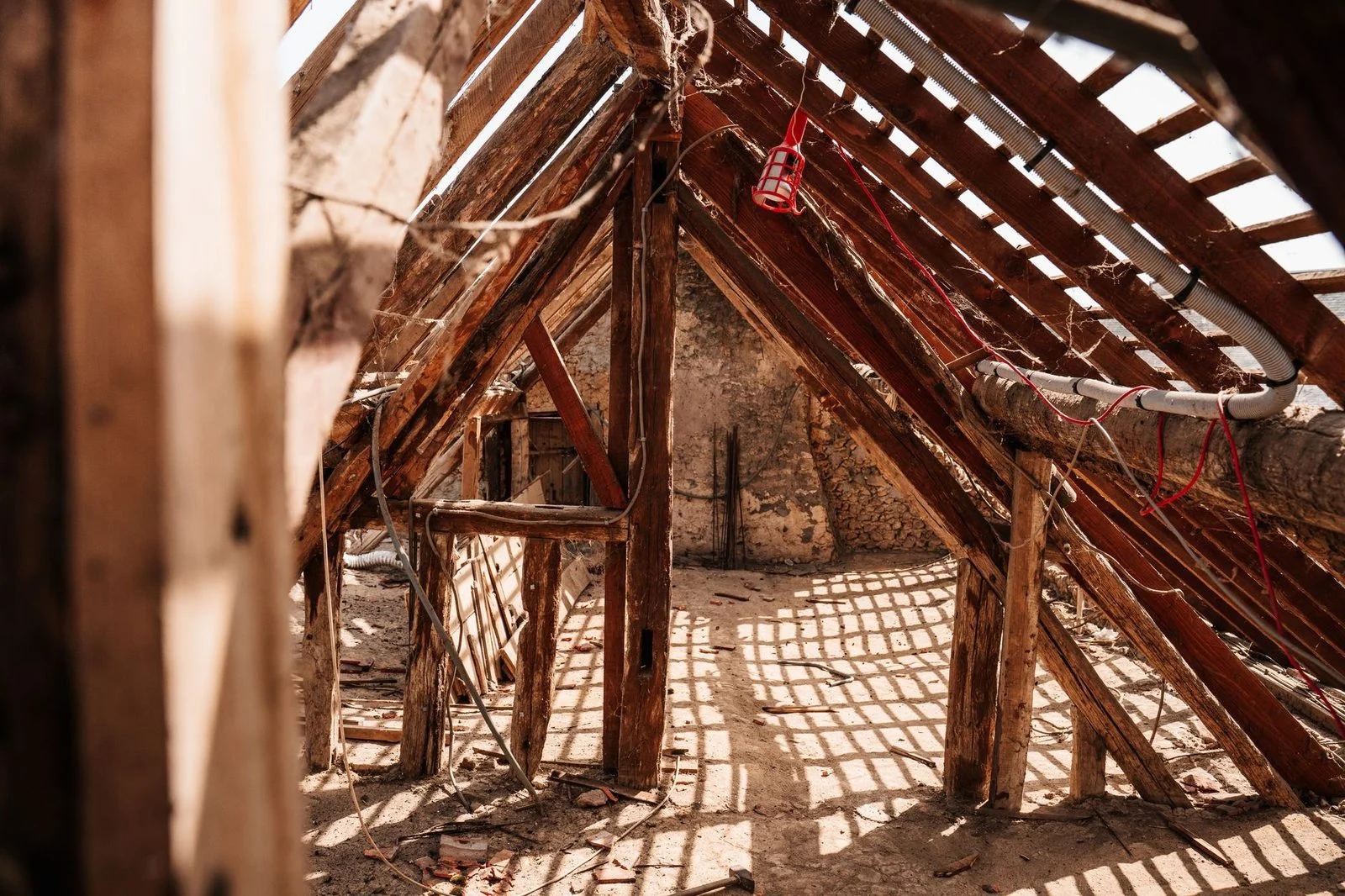
A sound repair checks the underlayment and decking, not just the surface. That scope is what helps a fix hold up through the next storm season.
When Roof Replacement Makes More Sense Than Repair
Replacement makes more sense when damage is widespread, the decking or underlayment has failed, or leaks keep showing up in new places. Partial fixes stop being practical at that point.
Florida law sets a threshold for partial work. For a roof built, repaired, or replaced under the 2007 Florida Building Code or a later edition, the rule works like this: if 25 percent or more of that roof section is repaired, replaced, or recovered, only that portion must meet the current code. The same statute says roof-to-wall connections are not required unless the work at gable ends or all corners can be done for 15 percent of the cost of roof replacement. The Florida Legislature finds that the effects of recent hurricanes have demonstrated the effectiveness of the Florida Building Code in reducing property damage to buildings constructed in accordance with its requirements (Florida Statutes on the Florida Building Code).
Permits are part of the job. The City of Miami permit catalog says the city requires permits for residential roof repair and replacement. Permit rules vary by city, so the permit path for a Fort Lauderdale address is confirmed during the consultation.
What to Expect From ASP Superhome’s Roofing Process
ASP Superhome starts with an assessment of the roof and the structure beneath it. A written scope of work follows, and the homeowner reviews it before any work begins.
Our team inspects the roof, sets the scope, and manages the roofing work. Team members are available to answer questions during the project, so you’re never left guessing about what’s happening on your roof.
Approval matters when you compare impact products. Florida law says a product may not be advertised, sold, or marketed as hurricane or impact protection from wind-borne debris unless it is approved under Fla. Stat. § 553.842.
Contract terms matter too. Florida law requires a construction lien notice in certain direct owner-contractor contracts over $2,500 for homes up to four units. The notice must be printed in at least 12-point, capitalized, boldfaced type, per Fla. Stat. § 713.015.
ASP Superhome also offers solar panels, solar battery backup, impact windows, impact doors, and kitchen remodeling. A tile roof project can be planned alongside those upgrades.
Not sure what your next step is?
Talk it through with our team — the first consultation is free, confidential, and carries no obligation.
Start With a Free Consultation
The first consultation is free, confidential, and carries no obligation to continue.
Use that conversation to talk through one specific roof. Be ready to describe the tile type, the roof’s age, any visible damage, and whether you want a repair, a partial replacement, or a full replacement. Whether a roof needs repair or replacement depends on the facts of that roof.
Can a tile roof be repaired instead of replaced?
Often, yes, when damage is limited to a few tiles or to flashing. Widespread cracks or underlayment damage usually call for replacement.
Do tile roofs need a permit in Florida?
Permit rules vary by city. The City of Miami requires permits for residential roof repair and replacement.
Get Your Fort Lauderdale Tile Roof Looked At
A tile roof with cracked pieces, a fresh ceiling stain, or an aging surface needs a clear decision before the next storm. Waiting often lets small leaks spread into the decking and underlayment.
If that describes your roof, reach out through the ASP Superhome contact page to book a free estimate or request a quote for your tile roof.
Why Tile Roofing Fits Fort Lauderdale Homes
Built to Handle Heat
Clay and concrete tile reflect sun and shed heat well, which suits the long, hot seasons across Broward County.
Long-Lasting Material
Properly installed tile can serve a home for decades when it receives regular inspection and timely attention.
Classic Curb Appeal
Tile offers a distinctive look that complements Fort Lauderdale's Mediterranean, Spanish-influenced, and modern coastal styles.
Repair or Replace, Your Choice
Isolated damage is often fixable. Widespread problems call for a broader plan, and our team can walk you through both paths.
Don't Ignore Early Signs of Trouble
Small cracks, slipped tiles, or a stain on a ceiling can point to damage under the surface. Water that reaches the underlayment or decking can spread quietly. Have the roof looked at before a small problem becomes a larger repair.
Repair or Replacement: Quick Guide
Localized Cracks or Broken Tiles
A few damaged tiles in one area are often repairable. Replacing individual tiles and sealing the surrounding area can restore protection.
Leaks in Several Spots
Multiple leak points can indicate failed underlayment or flashing. These issues often need a more thorough evaluation before deciding on the next step.
Widespread Cracking or Aging
When cracking, loose tiles, or worn sections appear across much of the roof, replacement may be the more practical solution.
Roof Replacement Planning
A replacement project includes removing the old tile, checking the deck, installing new underlayment, and setting new tile for a secure, weather-ready roof.


