


Tile Roofing | South Florida
Tile Roof Underlayment in Florida: What Protects the Roof Under Your Tiles
Learn the common underlayment types, what they do, and the code questions to raise before your tile roof is installed or replaced.
By Jonathan Rodriguez · Published November 2, 2026
The best underlayment for a tile roof in Florida is a tested, approved system installed to the code’s lap and uplift rules. No single product wins on every roof. The right choice depends on the roof’s slope, deck, and tile type. This guide explains the main types, what Florida’s building code now requires, and how to tell what roof you have.
Underlayment is the water-resistant layer under the tiles. Tile is not waterproof, so this layer does the real work when water gets past the tile. For a broader look at the material, read our tile roofing guide for South Florida.
What Underlayment Does Under a Tile Roof
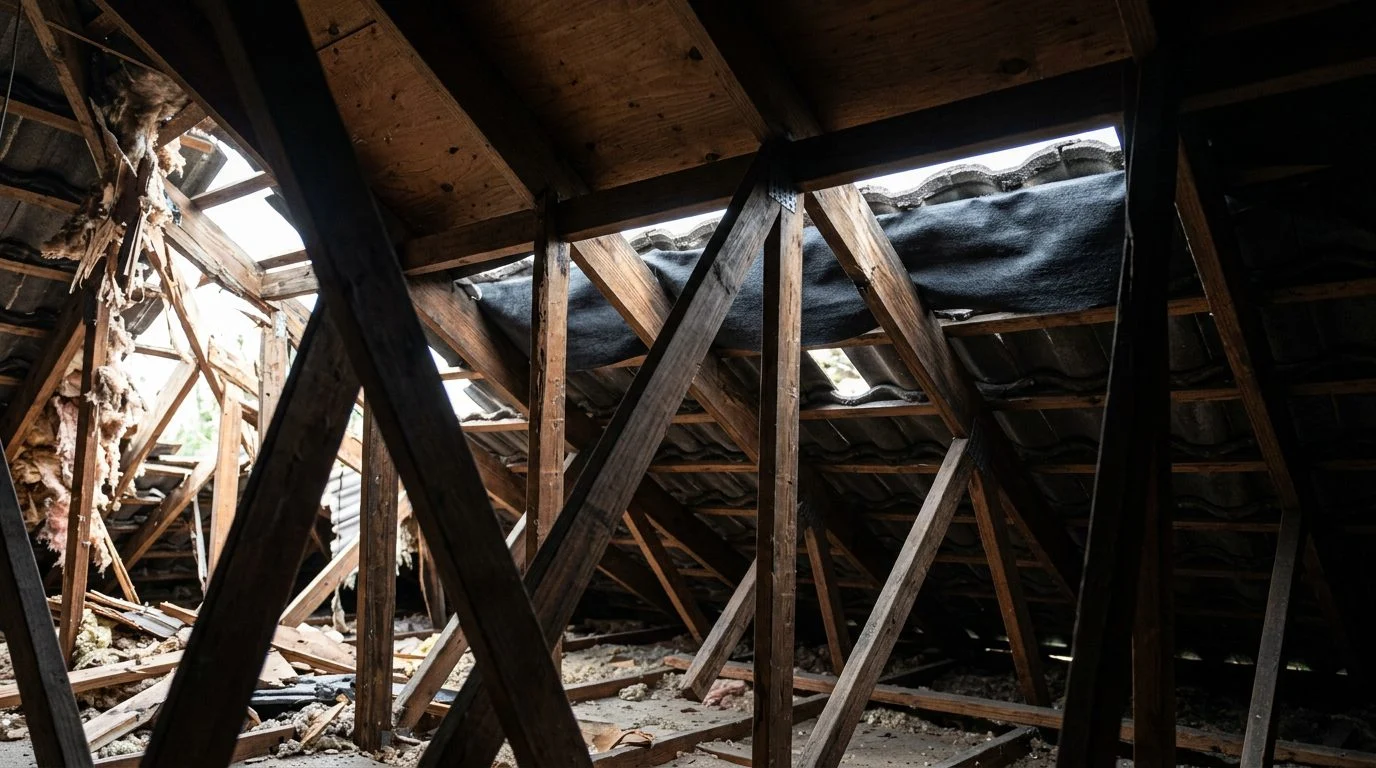
Underlayment is the water-resistant layer between the roof deck and the tiles. It keeps water out of the home when the tiles let it through. Tile sheds most rain well, but it is not a seal. Wind can push rain sideways and up under the edges of tiles. Water also finds its way through valleys, around vents, and where tiles have shifted.
South Florida adds more stress. Summer heat bakes the roof for long stretches. Afternoon storms bring heavy rain. Hurricane-season winds can drive water under the tile line. The layer beneath the tile has to handle all of this without failing quietly.
Think of the tile as the first line of defense and the underlayment as the backup. When the first line fails, the backup decides how much water reaches the house.
If a storm, a leak, or lifted tiles has you looking into this for a home, our team is glad to talk through your underlayment options with you. Talk it through with our team — the first consultation is free, confidential, and carries no obligation.
Is Tile Underlayment Necessary?
Yes. Underlayment is a standard part of a tile roof system, and it protects the deck even when the tiles look fine. Tiles can crack, slip, or lift in a storm. When that happens, water that once ran off the tile can reach the deck.
Without underlayment, that water goes straight to the wood or concrete deck. From there it can reach the attic, insulation, and ceilings. Underlayment buys time between tile damage and repair. One common mistake is treating a few swapped tiles as the whole fix, while the layer below stays old and brittle.
Florida law recognizes this idea. The Fla. Stat. § 553.844 windstorm loss mitigation statute directs the state building code to address secondary water barriers for roofs on certain older single-family homes. The statute also says the criteria may not be limited to one method or material. That is a reason to ask whether your roof has a secondary barrier, and what kind.
What Underlayment Is Made Of and the Main Types
Underlayment is usually one of three materials: asphalt-saturated felt, synthetic sheet, or self-adhering membrane. Each has a different base and a different job.
Asphalt-saturated felt is a mat soaked in asphalt. It is the older, lower-cost option. It is water-resistant, but it can wrinkle, tear, or lose flexibility in heat. It also tears more easily during installation.
Synthetic underlayment is a sheet made from polymer material. It is lighter than felt, resists tearing, and holds up better when installers walk on it. Many modern tile jobs use it.
Self-adhering, or peel-and-stick, membranes are bitumen-based sheets with an adhesive side. They bond to the deck and seal around nails and fasteners. Installers often use them in the most vulnerable spots.
Many roofs combine these layers. A full-coverage layer goes across the deck. A self-adhering membrane goes at eaves, valleys, and penetrations, where water is most likely to get in.
Comparing Underlayment Types for a Florida Tile Roof
Synthetic and self-adhering layers usually handle Florida heat and wind-driven rain better than felt alone. That is a general pattern. The details of the roof still decide the final pick.
Heat is the first test. Felt can soften, wrinkle, or dry out under a hot roof. Synthetic sheets hold their shape better. Self-adhering membranes bond well, but they need a clean, dry deck and the right temperature to install properly.
Wind and water are the second test. Tile-only protection is weakest at edges, valleys, and penetrations. Those are the spots where a layered system matters most.
Installation is the third test. Felt and synthetic layers need dry weather and careful fastening. A rushed install can cause more trouble than the product choice itself.
Proposed 2026 Florida Building Code changes address underlayment for roof tile. The 2026 Building changes analysis states that tile underlayment uplift resistance must meet the component and cladding loads of ASCE 7. For discontinuous tile systems, the same analysis says the underlayment must be tested under TAS 110, and its uplift value must appear on the product approval. In the High-Velocity Hurricane Zone, the 2026 HVHZ test protocols analysis reviews proposed changes to underlayment testing for roof tile.
Check these approvals before choosing a product for a tile roof.
How to Tell What Kind of Roof Tiles You Have
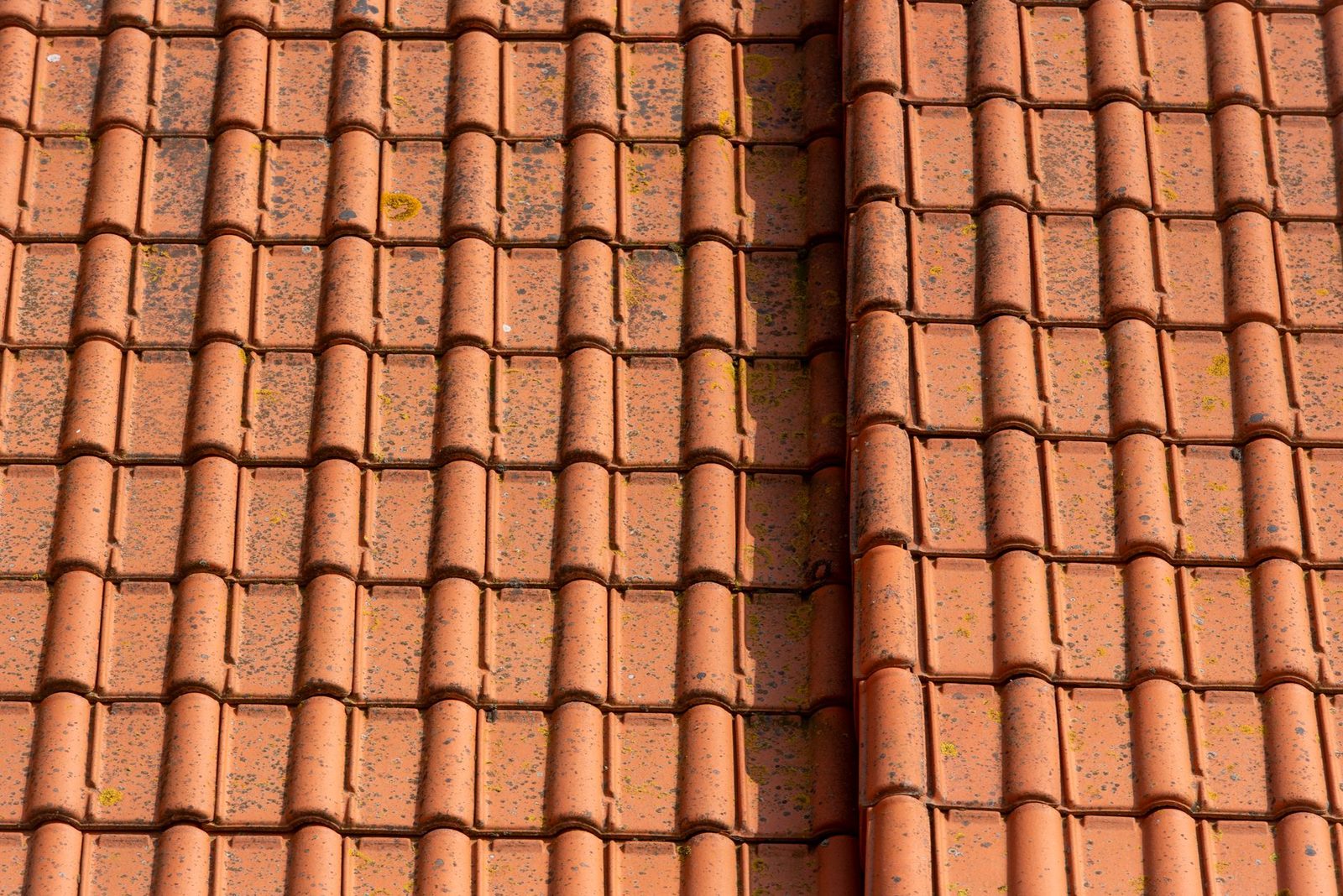
Start with the tile material and the shape. Most South Florida tile roofs use concrete or clay tile. Common profiles include flat tile and S-tile.
Concrete is a recognized roof tile type. Miami-Dade County’s product control lists a flat-profile, interlocking concrete tile system tested under TAS 112, as shown in the Miami-Dade concrete tile approval. The NRCA roofing materials guidance says clay and concrete tile are durable roofing materials used in Florida.
Weight and profile matter. Heavier tile and different profiles change how battens and underlayment get fastened. That is why the tile type shapes the underlayment conversation.
Old permit and inspection paperwork can name the tile and underlayment used on the roof. That record gives you a head start. It shows what was installed before you compare options.
Florida Code and When to Check the Underlayment
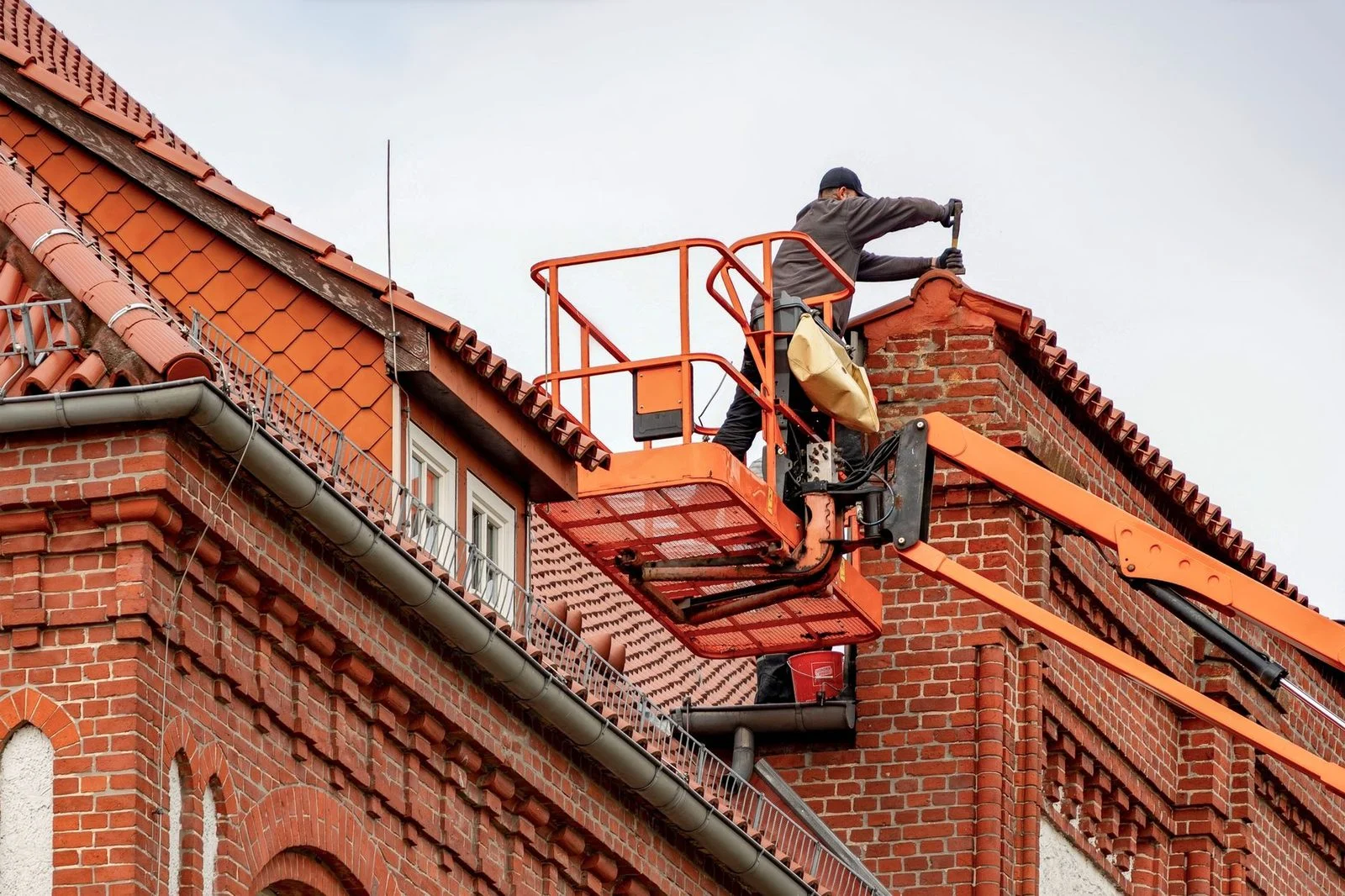
Check the underlayment any time tile is repaired, replaced, or recovered. The 2026 recovering versus replacement analysis says the upper roof covering can be removed only when recovering, provided the existing or repaired substrate is adequate.
Also check the lap. The 2026 Building changes analysis for underlayment lap states that underlayment must lap over hips and ridges a minimum of 6 inches, except where ventilation openings are provided.
The Tile Roofing Industry Alliance post-storm guidance advises evaluating storm-damaged concrete or clay tile roofs. It covers choosing between repair, replacement, and harvest-and-repair, and it calls for inspecting the underlayment during that review.
Roof age matters too. Older underlayment is more likely to be brittle, torn, or water-damaged. An age and condition check is a practical first step.
Is tile underlayment necessary?
Yes. It protects the deck when tiles crack, slip, or lift.
What is underlayment made of?
Most types are asphalt-saturated felt, synthetic polymer sheets, or bitumen-based self-adhering membranes.
Is felt or synthetic better for a Florida tile roof?
Synthetic usually handles heat and tearing better. The roof’s details and the approved product make the final call.
Not sure what your next step is?
Talk it through with our team — the first consultation is free, confidential, and carries no obligation.
Talk With ASP Superhome About Your Tile Roof
If you’re reading this after a storm, a leak, or tiles that lifted, you may be gathering facts for a home you don’t live in. That is a normal place to start, and you don’t need every answer before you call.
Our team at ASP Superhome can talk through your tile roof, your underlayment options, and what the code requires for your roof. You can contact ASP Superhome to begin that conversation. The first step is a consulta inicial gratuita, confidencial y sin compromiso (free, confidential, no-obligation first consultation).
Common Underlayment Types at a Glance
Asphalt-Saturated Felt
A traditional sheet material that has been used for decades. It is widely recognized, but it can be more sensitive to moisture and heat during installation.
Synthetic Polymer Sheets
Lightweight, tear-resistant sheets that are often easier to handle on the roof and can hold up well in Florida's heat and humidity.
Self-Adhering Bitumen Membranes
Sticky-backed membranes that bond to the deck. They are often used at vulnerable areas such as valleys, eaves, and penetrations.
Don't Assume the Underlayment Is Fine
Tile roofs can hide underlayment problems for years. Tiles can crack, slip, or lift, and the underlayment is often the last line of defense. If your roof is being repaired or replaced, ask what underlayment is being used and how it is installed.
Why Homeowners Start with a Free Consultation
Free First Consultation
Talk through your roof, your questions, and your options with no obligation to move forward.
Confidential Conversation
Your details and your home's condition are kept private as you weigh your choices.
Serving South Florida
We work with homeowners in Miami, Fort Lauderdale, West Palm Beach, Kendall, Boca Raton, Naples, and Fort Myers.
Support from Our Team
Our team will help you understand your tile roof options and what to expect from the next steps.


