


Roofing | South Florida
Understand the Underlayment Rules Behind a Roof That Lasts
A plain-language guide to Florida roofing underlayment requirements for South Florida homes, from Miami and Fort Lauderdale to Naples and Fort Myers.
By Jonathan Rodriguez · Published November 1, 2026
What is the code for roofing underlayment in Florida? Florida’s statewide rule comes from the Florida Building Code.
This guide explains that answer for tile and metal roofs in South Florida. It gives general information, not a decision about your specific permit.
What roofing underlayment is and why the code cares about it
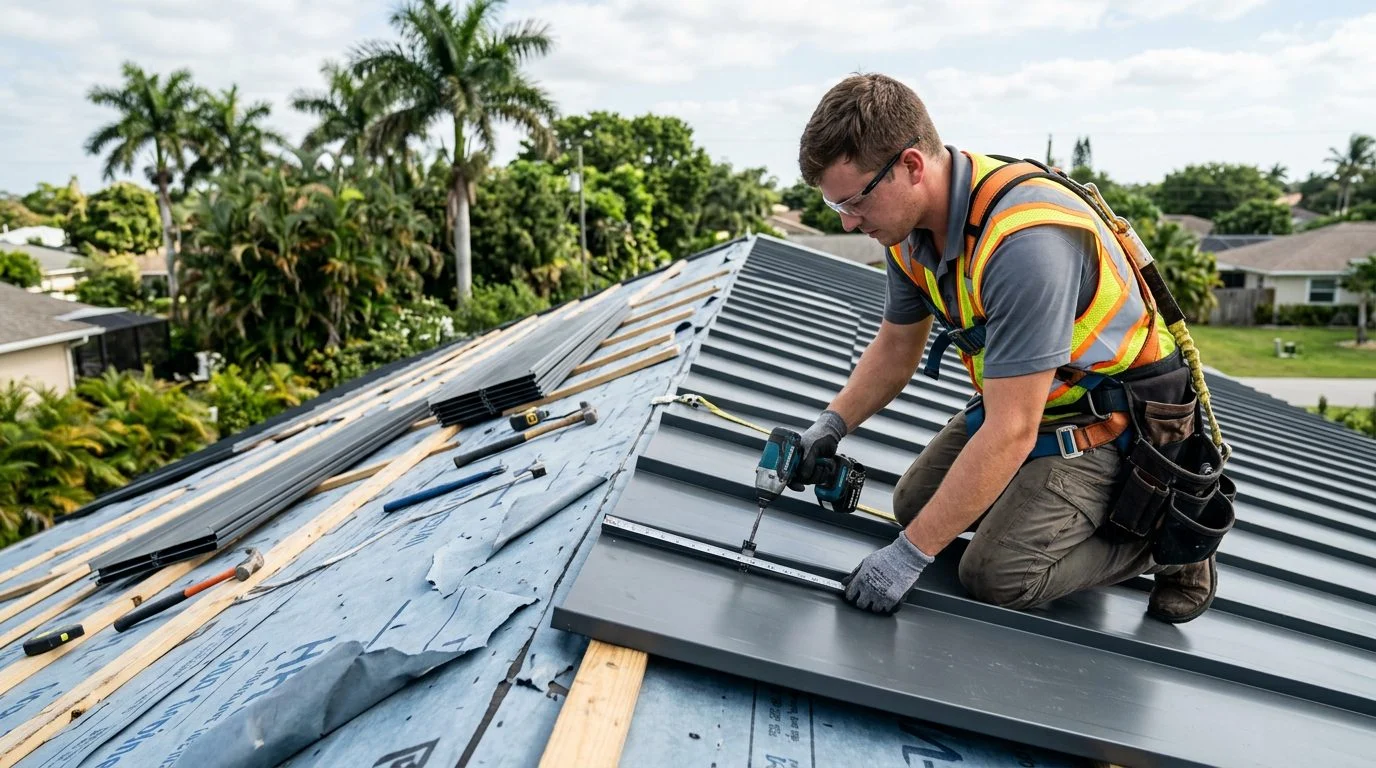
Roofing underlayment is the layer between the roof deck and the roof covering. It works as a secondary water barrier. If wind-driven rain gets past the tiles or metal panels, the underlayment helps keep water out of the roof structure.
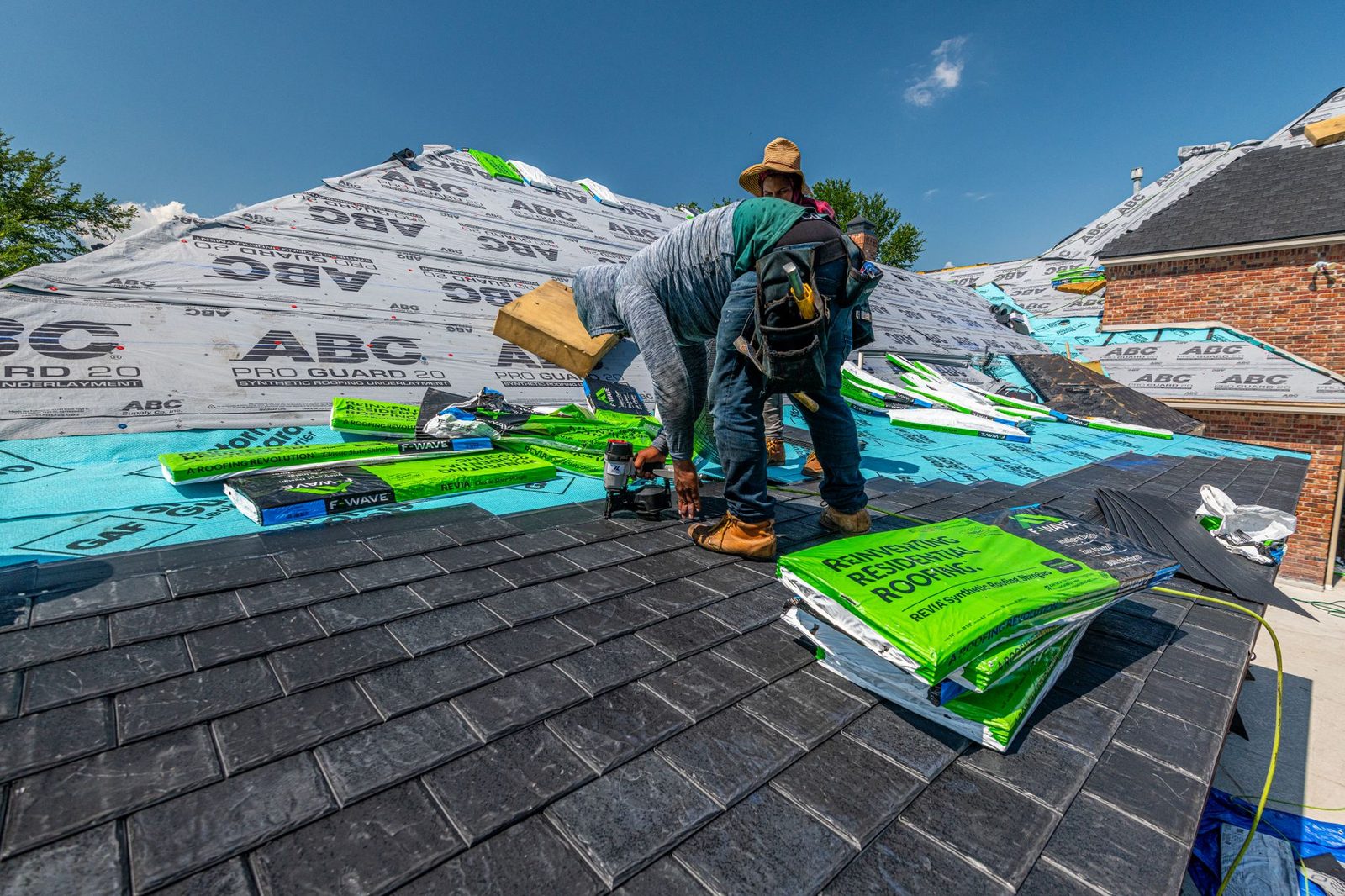
Tile roofs depend on it more than many owners expect. Tiles shed most water, but they don’t seal the roof on their own. Wind can push rain up under the edges, and the layer beneath does much of the protecting.
The Florida Building Commission analysis of changes uses the term “roof assembly” for the complete system.
If an inspector, insurer, or leak has you asking about your roof's underlayment, our team can review your situation with you. Talk it through with our team — the first consultation is free, confidential, and carries no obligation.
The statewide rule: Florida Building Code roof covering requirements
The Florida Building Code sets the statewide minimum for roofs, underlayment included. The Fla. Stat. § 553.73 statute says the Florida Building Commission adopts the code by rule. The code governs construction, alteration, and repair of public and private buildings.
The edition that applies depends on timing.
The 2026 edition sets a clear lap rule. The 2026 Florida Building Code, Building volume, revised Section 1518.2 on underlayment to require underlayment to lap over hips and ridges a minimum of 6 inches except where ventilation openings are provided (Florida Building Commission analysis of changes). The exception is where ventilation openings are provided. That analysis describes what changed, so confirm the current text with your permitting office.
Roofing products also need statewide approval. Under Fla. Stat. § 553.842, roofing, windows, exterior doors, and impact protective systems are among the categories that must be approved statewide.
Stricter rules in the High-Velocity Hurricane Zone (Miami-Dade and Broward)
Product approval matters even more here. The Commission’s HVHZ test protocols analysis says all underlayment systems must be tested and have Product Approval for use as a roof tile underlayment. Ask for the approval paperwork, not just the product name.
Florida also allows several ways to meet the secondary water barrier rule. Under Fla. Stat. § 553.844, criteria may consider roof shape, slope, and the make-up of all roof elements. They may not be limited to one method or material. So the exact layer your roof needs depends on those details. Confirm it with the permitting office before work begins.
How underlayment requirements differ for tile and metal roofs
Tile roofs need underlayment tested for the tile system. For discontinuous tile systems, the Commission’s Building analysis of changes says underlayment must be tested under TAS 110. Its uplift resistance must be set under FM 4474 or UL 1897 and listed on the Product Approval. A new section also requires tile underlayment uplift resistance to meet ASCE 7 component and cladding loads.
Metal roofs work differently. Panel type, fastening, and the underlayment product all work together as one system. The IBHS Hurricane Ian assessment found that metal roofing systems held up well in winds below 130 mph.
Roof slope and deck material also shape the answer. The Lake County roofing guidelines show how underlayment layers, laps, and fastening patterns change by roof slope. Underlayment sits beneath the covering, so it is hard to see once the roof is finished. Permit and inspection records help show what was installed.
Confirming the requirement for your project and talking to ASP Superhome
To confirm the rule for your roof, check three things with the local permitting office.
- Confirm your city or county.
- Ask which Florida Building Code edition applies to your permit date, and whether HVHZ rules apply.
- Request the product approval documents for the underlayment you plan to use.
That is the kind of paperwork to ask for.
You may be reading this because an inspector raised the question, an insurer asked for documents, or a landlord needs an answer. A leak makes the question feel urgent. Our free initial consultation is confidential and carries no obligation to continue. If you’re weighing an underlayment question on your own roof, contact ASP Superhome and we’ll review it with you.
What is the code for roofing underlayment in Florida?
The Florida Building Code sets the statewide rules.
Do tile roofs need underlayment in Florida?
Yes. Tiles shed most water but don’t seal the roof alone, so underlayment acts as the secondary barrier.
Does Miami-Dade have special underlayment rules?
Yes. HVHZ rules require underlayment used for tile to be tested and carry Product Approval.
Don't Count on Tiles Alone
Tile and metal roofing shed most water, but they don't seal the roof by themselves. Underlayment is the secondary barrier that protects the deck when wind-driven rain gets under the roofing material. Confirm the underlayment plan before any roof work begins.
How We Approach Underlayment on South Florida Roofs
Code-Aware Planning
We review the applicable Florida Building Code requirements for your roof type and location before recommending materials.
Layered Protection
We treat underlayment as part of a complete system, matched to your tile, metal or other roofing material.
Local Conditions
Heat, humidity, storms and coastal exposure vary across South Florida, and our team factors them into every plan.
Clear Next Steps
You get a straightforward explanation of what your roof needs and why, with no pressure to commit.
Common Underlayment Questions
Do tile roofs need underlayment?
Yes. Tiles shed most water but don't seal the roof alone, so underlayment serves as the secondary barrier beneath them.
Is underlayment only a concern for new roofs?
No. Roof replacement and roof repair both affect the underlayment, so it should be checked whenever the roof is opened up.
Do metal roofs need underlayment?
Metal roofs also benefit from a proper underlayment system, which helps manage moisture and protects the deck in heavy weather.


