


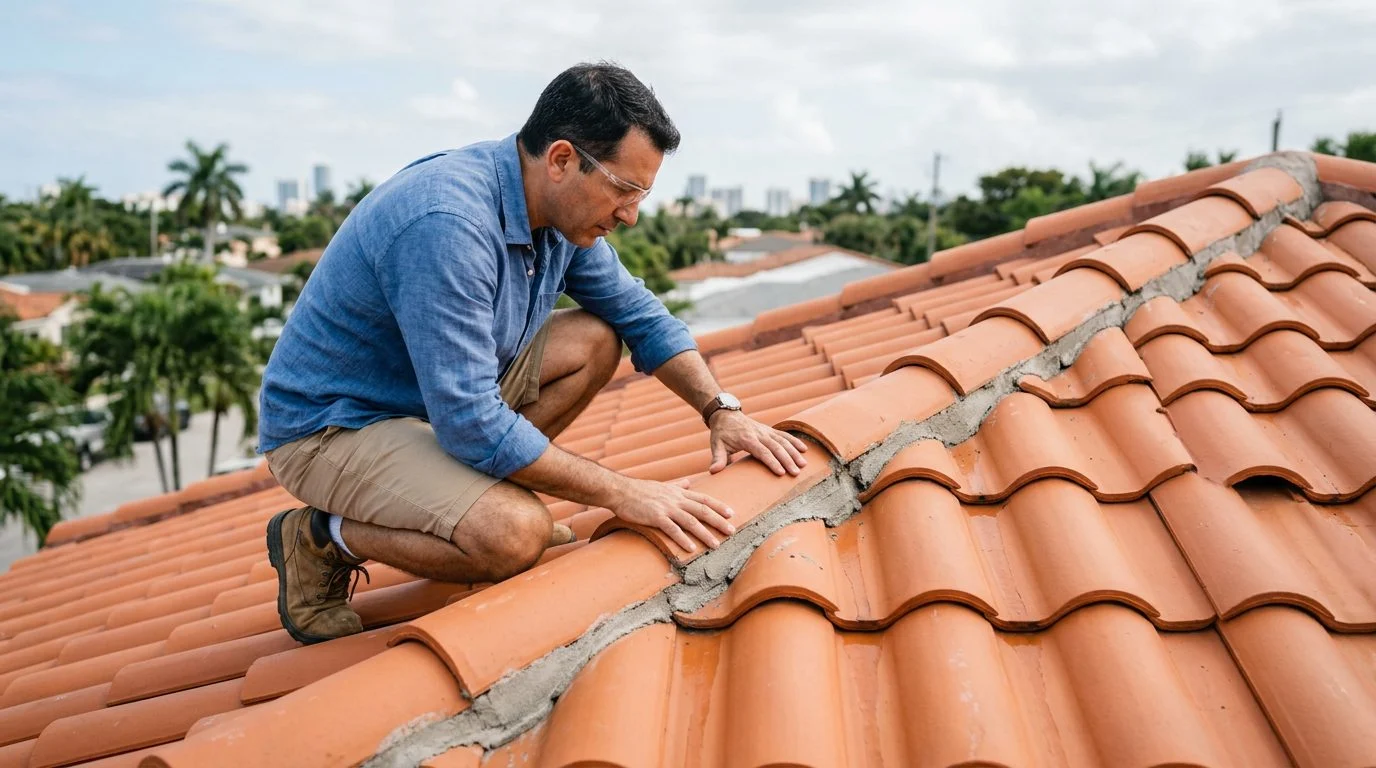
Tile Roofing in Miami
Tile Roofs Built for South Florida Weather
Clay, concrete, and synthetic tile options for Miami homes, with repair and replacement handled by our team. Start with a free, confidential first consultation with no obligation.
Start With a Free First Consultation
Free
First consultation
Confidential
Your information stays private
No obligation
Decide whether to continue
By Jonathan Rodriguez · Published October 16, 2026
Tile roofing in Miami is a practical choice when it’s installed and kept up to current Florida code. Clay, concrete, and synthetic tile all suit South Florida homes, but they differ in weight, look, and how they go on. This guide covers those differences, the main cost drivers, and how to decide between repair and replacement. For the wider regional picture, read our South Florida tile roofing guide.
Why Miami Homes Are Often Roofed in Tile
Tile is common on Miami homes because it’s durable and fits the Spanish and Mediterranean styles many neighborhoods favor. The National Roofing Contractors Association states that clay and concrete tile roofing is durable and used in Florida.
Miami’s sun and heat wear on any roof, and summer storms bring heavy rain. Wind matters too. The Florida Building Code governs the design, construction, and repair of buildings, and that includes the roof.
Miami-Dade County also runs its own roofing permit process. Its roofing permits page explains the forms, checklists, and hurricane-mitigation documents that may apply. Learning this early helps you plan a project without surprises.
If your tile roof is cracking, slipping, or leaking, our team can look at it with you and help you weigh repair against replacement. Talk it through with our team — the first consultation is free, confidential, and carries no obligation.

Clay, Concrete, and Synthetic Tile: What Each Roof Is Made From
Each tile type starts from a different material. That choice changes weight, appearance, and installation.
Clay tile is fired from natural clay. It gives the classic warm terracotta barrel look.
Concrete tile is made from cement and sand. It copies a similar profile, with a wider range of colors and finishes.
Synthetic composite tile is made from manufactured materials that mimic the barrel shape. It is generally lighter than clay or concrete, which can matter on older roof framing.
The NRCA notes that structural load capacity must be verified when you replace another roof covering with tile. The Tile Roofing Industry Alliance publishes installation guides covering proper practices and acceptable products for high-wind applications in Florida. Match the material to your home’s structure and style. ASP Superhome offers tile roofing and can talk through which type suits your home during your consultation.
What Drives the Cost of a Tile Roof in Miami
The cost of a tile roof in Miami depends on roof size, roof pitch, tile type, and the work hidden under the tiles. Here’s what moves the number up.
Roof area and pitch come first. A larger or steeper roof takes more tile, more labor, and more safety work.
Underlayment and flashing come next. Underlayment is the waterproof layer beneath the tiles. Flashing is the metal at valleys, edges, and roof openings. Both matter in Miami’s heavy rain and wind, and cheap versions can cost more later.
Tile removal, disposal, and roof access add to the total. So do permits. Permit requirements for roof work can differ from one municipality to another.
Does a tile roof need a structural check?
Yes, when you switch to tile from a lighter covering. Tile is heavier than many roofing materials, so the framing’s load capacity must be checked first. The real cost turns on the facts of your roof, so ASP Superhome provides a written estimate for your specific home.
Repair or Replacement: How to Decide on a Tile Roof
Repair often fits when damage is limited to one section. Replacement deserves a close look when damage is widespread. Three factors help you decide.
First, the damaged area. A few cracked or slipped tiles is different from broken tiles across most slopes.
Second, the age of the tile. Older tile can be brittle, and it may chip during repair.
Third, whether matching tiles still exist. A repair looks right only when the new tile matches color, profile, and size.
Florida rules add another layer when a roof is replaced. Fla. Stat. § 553.844 sets out wind-mitigation requirements for certain Florida homes. Whether they apply depends on the type of structure and how its value is documented, so review the current statute for the conditions that apply to a specific property. For connections at gable ends or all corners, the statute says they are not required unless they can be completed for 15 percent of the roof replacement cost. Whether this applies to your home depends on its insured value and location, so ask during your consultation.
Tile Roof Downsides and Maintenance Miami Homeowners Should Plan For
The main downsides of a tile roof are weight, fragility underfoot, and harder repairs later. Plan for all three.
Tile adds weight to the structure. On some homes, framing may need reinforcement before a new tile roof goes on.
Tiles can crack or slip under foot traffic. Leave roof access to trained professionals.
Broken or displaced tiles expose the underlayment beneath them. Water then finds a path inside. Many owners don’t notice a problem until a stain shows up indoors, so early repair saves money.
Matching replacement tiles can be hard on older roofs. Plan repairs with extra time to source the right tile.
Inspect your roof after storms and heavy rain. Look from the ground for cracked, slipped, or missing tiles, and contact us if you spot one.
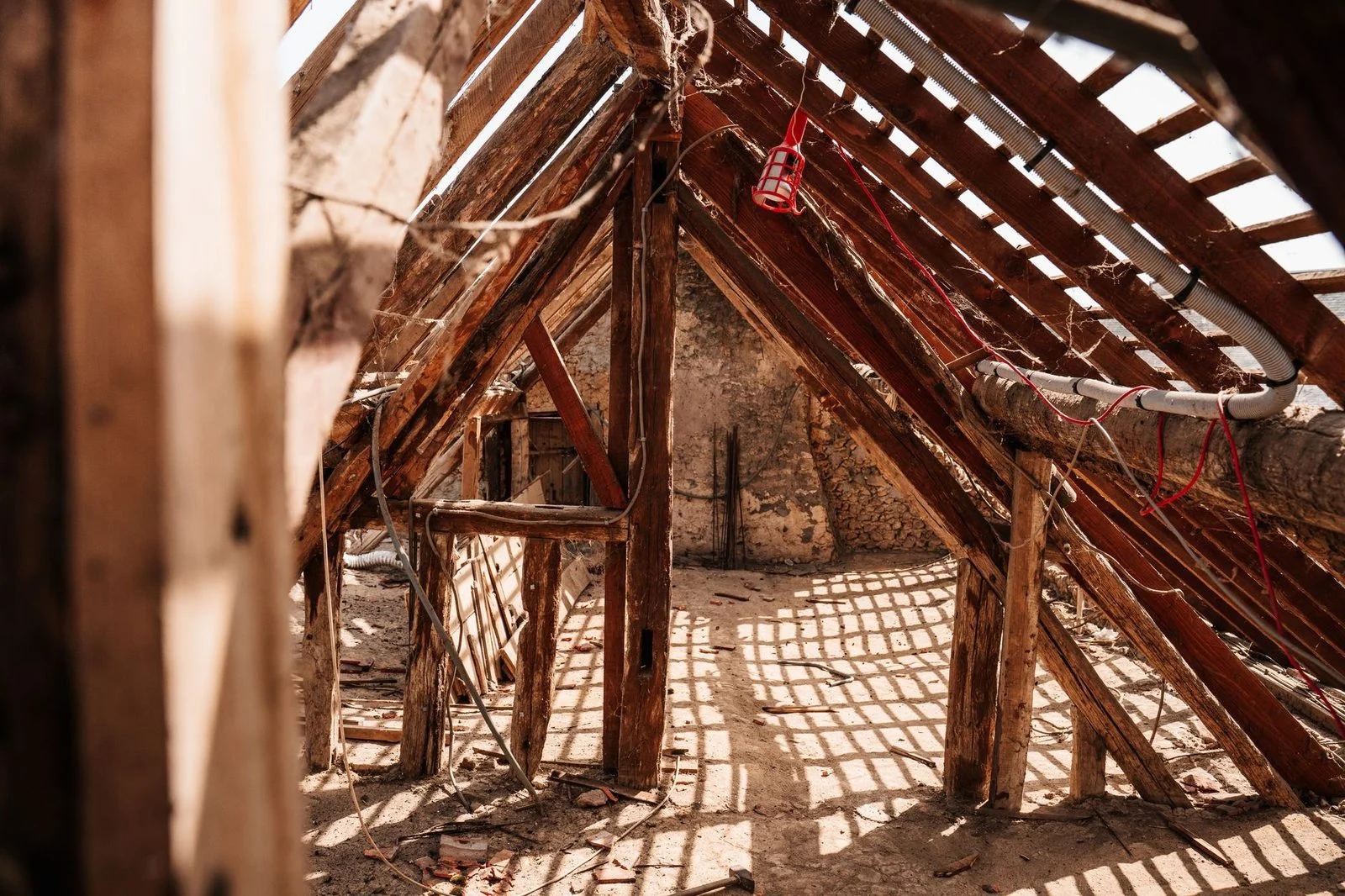
Get Your Miami Tile Roof Reviewed by ASP Superhome
If your tile roof is cracking, slipping, or leaking, the next step is a clear review of its condition. ASP Superhome offers tile roof repair, roof replacement, and tile roofing options for Miami homes.
The first consultation is free, confidential, and carries no obligation to continue. If you’re deciding whether to repair a damaged tile roof or replace it, request your free estimate here.
Common Miami Tile Roofing Options
Clay Tile
Fired clay is a classic choice for Spanish and Mediterranean-style homes. It is heavy, so the roof structure must be evaluated before installation.
Concrete Tile
Concrete tile is durable and typically heavier than synthetic options. It suits homeowners who want a traditional tile look with a sturdy, long-lasting profile.
Synthetic Tile
Synthetic tile offers the look of clay or concrete at a lighter weight. It can be a good fit when the roof structure is a limiting factor.
Repair or Replace
Isolated cracked or displaced tiles can often be repaired. When damage is widespread or the underlayment is failing, a full roof replacement may be the better path.
What Shapes Your Tile Roofing Plan
Roof Condition
The age, underlayment, and decking of your roof determine whether a repair will hold or replacement is the more practical step.
Tile Type and Weight
Clay, concrete, and synthetic tile differ in weight and profile, which affects structural requirements and overall project scope.
Roof Access and Layout
Roof pitch, number of valleys and penetrations, and access for crews all influence labor and material planning.
Don't Let a Small Leak Wait
Water that gets under damaged tiles can reach decking, insulation, and interior finishes. If you notice staining, dripping, or missing or cracked tiles after a storm, have the roof inspected promptly.


