


Roof Replacement | South Florida
Florida's 25% Roof Rule, Explained in Plain Terms
Understand how the 25% threshold works, why it matters when you repair or replace part of a roof, and what to plan for before you start your project.
Start With a Free Consultation
Free
First consultation
Confidential
Your project details stay private
No Obligation
Continue only if it makes sense for you
By Jonathan Rodriguez · Published November 1, 2026
Under Fla. Stat. § 553.844, when an existing roofing system built, repaired, or replaced under the 2007 Florida Building Code or a later edition is repaired, replaced, or recovered, only the repaired, replaced, or recovered portion is required to meet the code in effect. If 25 percent or more of a roofing system or roof section is repaired, replaced, or recovered, only that portion must meet the Florida Building Code in effect. The exception covers roofs built, repaired, or replaced under the 2007 code or a later edition. Here is how it works, what counts, and how it connects to permits and insurance.
What the 25% roof replacement rule says
Fla. Stat. § 553.844 limits the code upgrade to the repaired, replaced, or recovered portion, but only if the existing roofing system or roof section was built, repaired, or replaced under the 2007 Florida Building Code or a later edition and 25 percent or more of it is being repaired, replaced, or recovered; the portion must then meet the code in effect. Once an existing roofing system or roof section built, repaired, or replaced under the 2007 Florida Building Code or a later edition has 25 percent or more repaired, replaced, or recovered, only that portion must meet the code in effect.
Two conditions matter. First, the existing roof must have been built, repaired, or replaced under the 2007 Florida Building Code or a later edition. Second, the 25 percent is measured against the roofing system or a roof section. The statute does not measure it against the whole building by default.
The rule also sits inside the code that governs existing buildings. Roof repairs and replacements are part of that work, not only new construction.
If an inspection or storm has you weighing a partial repair against a full replacement, our team can walk through your roof's details with you. The first consultation is free, confidential, and carries no obligation. Talk it through with our team — the first consultation is free, confidential, and carries no obligation.
Where the rule comes from and why it matters in Florida
The rule comes from Fla. Stat. § 553.844(5), which applies notwithstanding any contrary provision in the Florida Building Code and directs the Florida Building Commission to adopt it by rule and incorporate it in the code, the statewide code for building work. Fla. Stat. § 553.73 says the code covers the design, construction, alteration, modification, repair, and demolition of buildings. That means roof repairs fall within its reach.
Florida law also requires a permit before work starts. Fla. Stat. § 553.79 makes it unlawful to repair a building without first getting a permit from the enforcing agency. The permit comes after paying the agency’s adopted fees.
Why does this matter in South Florida? Homes here face strong wind and wind-driven debris. The code’s roof wind rules reflect that risk. The analysis for Section 1504.1 states that the section was revised to clarify that roofs have to comply with all of Section 1504. A partial job can still bring those wind rules into play.
How the 25% threshold is measured
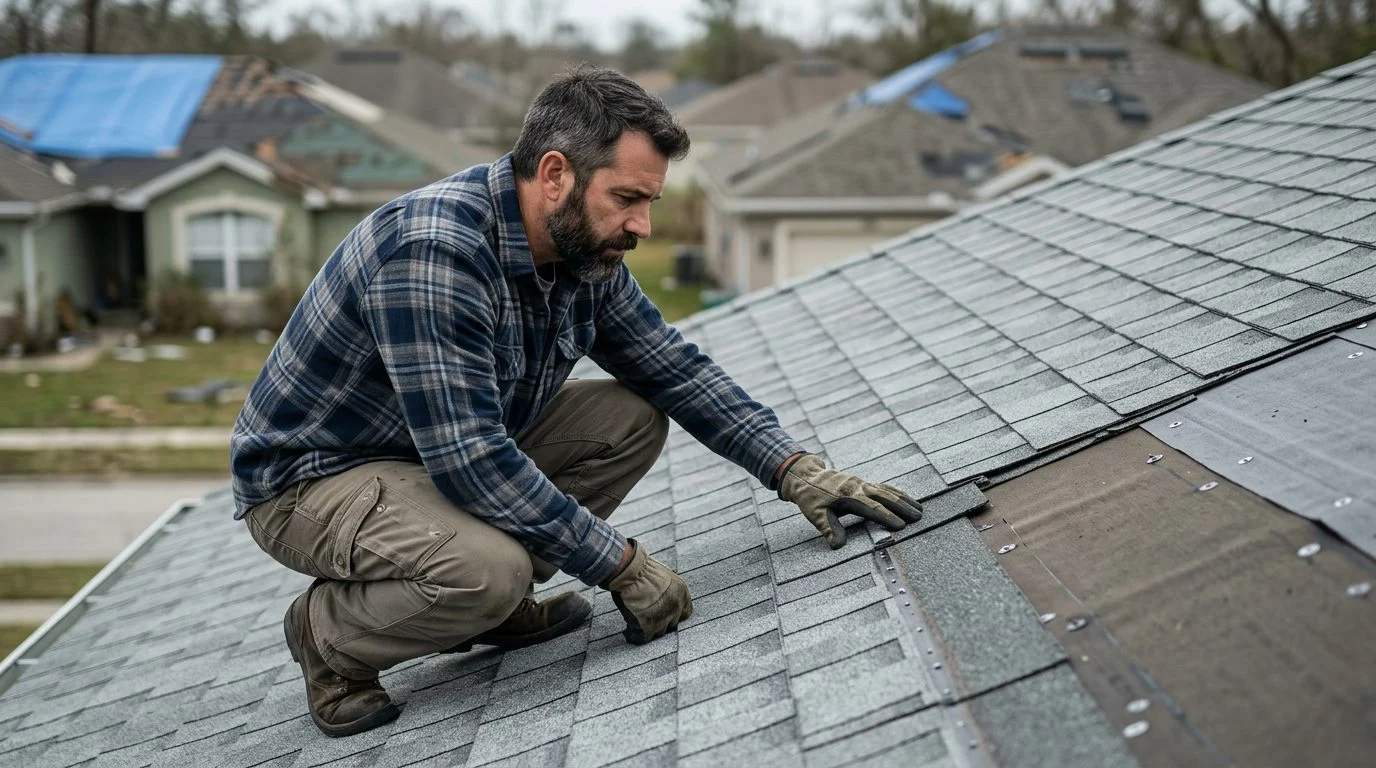
Start by measuring the area being repaired, replaced, or recovered. Then compare that area with the roofing system or roof section it belongs to. If the result is 25 percent or more, the portion-only rule applies.
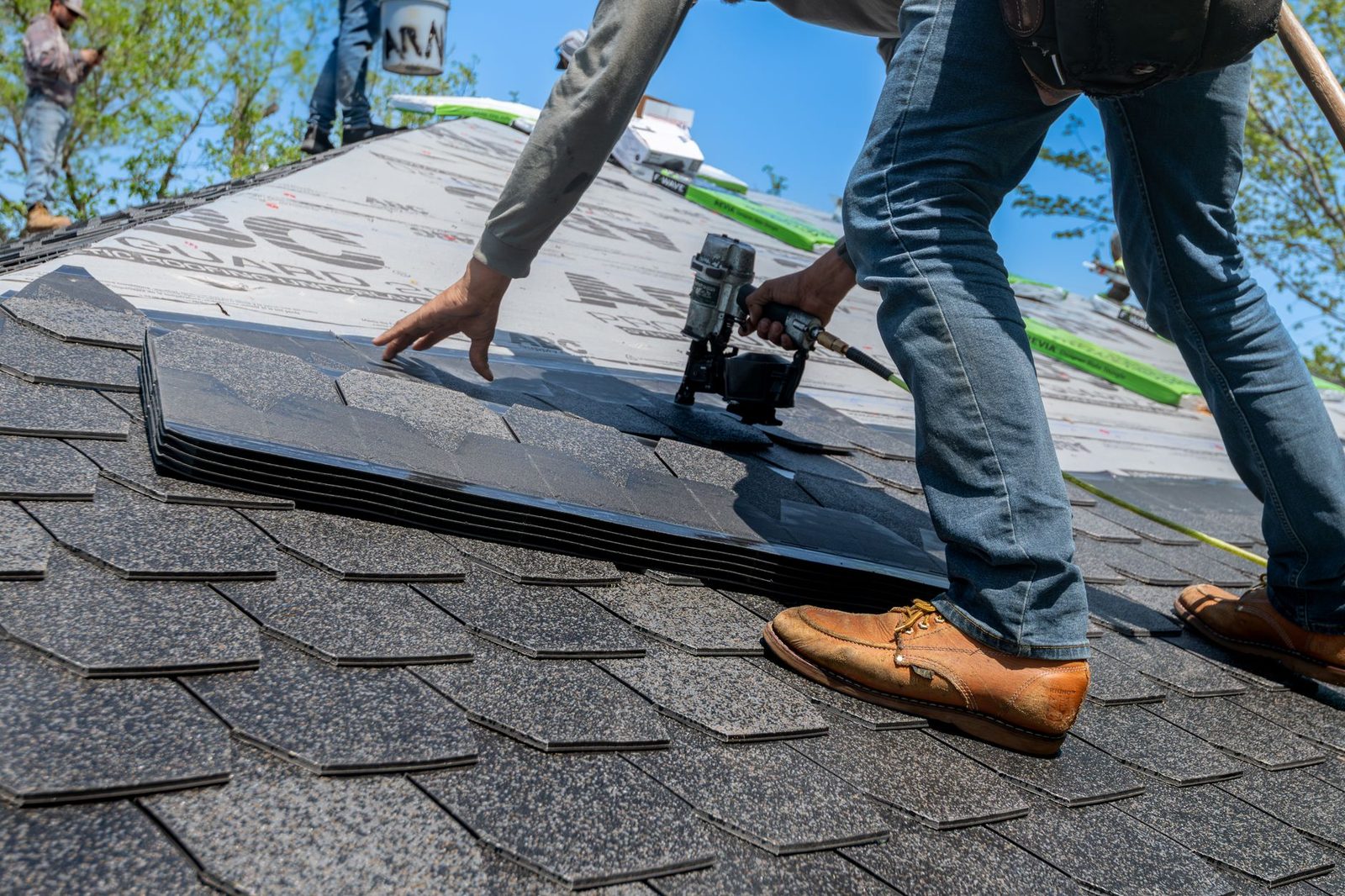
Here is a simple example. Say a roof section covers 1,000 square feet. A crew replaces 300 square feet of tile on that section. That is 30 percent, so the threshold is met. This example assumes the roof was built under the 2007 code or later.
Your permit file and the building department’s review decide how a project is classified.
Has the 25% rule been modified?
Yes, the roof-recovering section has changed in recent code editions. The analysis for Existing Building notes that Condition 1 of Section 706.3 was revised for clarity. Exception 3 now lets only the upper roof covering or roof system be removed during recovering. That is allowed when the existing or repaired substrate is adequate.
The same analysis says Exception 5, which covered roof coatings, was deleted. Its language now covers existing vapor barriers and self-adhering underlayments.
The statute also limits local changes. Because the wording shifts by edition, confirm which edition applies to your project before you plan the work.
How the 25% rule connects to insurance and roof age
The building code and insurance are separate. They meet at roof age and code upgrades.
Roof age comes first. For partial jobs, the count starts with the first partial job that led to that full coverage.
Ordinance or law coverage is next.
Windstorm mitigation is a separate topic. Fla. Stat. § 553.844 requires certain windstorm techniques when a roof is replaced on a site-built, single-family home. The Florida Office of Insurance Regulation explains that homeowners submit an official mitigation inspection form to an insurance agent to seek premium discounts. Keep your permits, inspection reports, and estimates together. That record makes the roof’s history clear when insurance questions come up.
Does an HOA cover roof replacement in Florida?
Who pays for a roof depends on the association’s governing documents. The 25% rule does not decide that.
Settle responsibility early. Approvals, costs, and insurance can differ when the association maintains the roof and when the owner does. Review the governing documents before you schedule any work.
Under § 553.844(5), if an existing roofing system or roof section was built, repaired, or replaced under the 2007 Florida Building Code or a later edition and 25 percent or more is being repaired, replaced, or recovered, only the repaired, replaced, or recovered portion must be built to the Florida Building Code in effect. Under Florida law, the Florida Building Code governs repair work, but under § 553.844(5) only the repaired, replaced, or recovered portion of a qualifying roof section must meet the code in effect when 25 percent or more is being repaired, replaced, or recovered.
Not sure what your next step is?
Talk it through with our team — the first consultation is free, confidential, and carries no obligation.
What to ask before choosing a partial repair or full replacement
Start with the numbers. Find the area affected, then measure it against the roof section it belongs to. Check the permit history on file for that section.
Ask these questions before you decide:
- How much of the roof section is affected, and what percentage does that make?
- Was the roof built, repaired, or replaced under the 2007 code or a later edition?
- What is the roof covering type: tile, metal, or another material?
- What is the condition of the underlayment and decking?
A roof inspection records the existing condition. That record supports the repair scope and any insurance discussion. For tile roofs, read our tile roofing guide before you choose between repair and replacement.
Frequently asked questions
Is the 25% rule a full roof replacement requirement?
Not always. For roofs built under the 2007 code or later, only the portion being worked on must meet current code once 25 percent or more is repaired, replaced, or recovered.
Does a roof repair need a permit in Florida?
Yes. Florida law requires a permit before repairing a building, and the local enforcing agency issues it.
How long does a Miami roofing permit review take?
Does roof age affect insurance in Florida?
Section 553.844(5) says that when an existing roofing system or roof section was built, repaired, or replaced in compliance with the requirements of the 2007 Florida Building Code or a later edition, and 25 percent or more of it is being repaired, replaced, or recovered, only the repaired, replaced, or recovered portion must be constructed in accordance with the Florida Building Code in effect, as applicable. This subsection addresses only which portion of the roof must meet the code.
If a storm or an inspection has you weighing a partial repair against a full replacement, you don’t have to sort it out alone. If this roof belongs to a parent, a family member, or a property you manage, we can help you plan the next step. Your first consultation is free, confidential, and comes with no obligation to continue. Request your free estimate.
How We Help Homeowners Plan
Review Your Roof
We look at the roof's age, materials, and the work being considered so you can see how the rule may apply to your project.
Compare Your Options
We walk through repair, partial work, and full replacement so you can weigh cost, timing, and long-term value.
Answer Your Questions
Our team explains permits, inspections, and next steps in clear language, without pressure.
Plan Before You Start
Every roof is different. Before you commit to repairs or replacement, have your specific project reviewed so you understand how the 25% threshold may affect the scope and permitting of your work.
Common Questions About Roof Work
Repair or Replacement?
Small repairs and full replacements follow different planning paths. We help you decide which fits your roof's condition and your goals.
Do Repairs Need a Permit?
Permitting depends on the work and your location. We explain what to expect for your project during your consultation.
Metal or Tile?
Metal and tile roofs each suit different homes and budgets. We discuss the options available for your property.
Coordinating Other Upgrades
Impact windows, impact doors, and solar can be planned alongside roof work so your project stays organized.


