


Tile Roofing | South Florida
Average Tile Roof Cost in Florida: What Drives the Price
There is no single number for every home. Here is how roof area, tile choice, labor, decking, permits, and wind-rated installation shape your total project cost.
By Jonathan Rodriguez · Published October 18, 2026
What is the average cost of a tile roof in Florida? There’s no single number that fits every home. A tile roof is priced as one total project. The price is built from roof area, tile type, labor, removal of the old roof, decking, permits, and wind-rated installation.
Most people start this search while a problem is already in front of them. A storm may have left a leak. An aging roof may be near the end of its service. Or a family member may be asking for help with a decision. This guide explains each cost driver in plain terms, so you can read a quote with confidence.
What the average cost of a tile roof in Florida covers
The average cost covers the whole project, not just the tiles. It includes materials, labor, removal of the existing roof, underlayment, flashing, and the parts needed to finish the job. For an overview of how these pieces fit together, see tile roofing in South Florida.
Roofing contractors commonly quote by the roofing square. One roofing square is 100 square feet of roof surface. That makes roof area the first cost driver. A larger roof needs more tile, more underlayment, more labor, and more hours of removal.
Pricing depends on the facts of each roof, including its size, shape, age, and condition. Two homes with the same floor plan can carry very different totals. If a line item is missing from a quote, the written estimate should explain why.
If a storm left a leak or an aging roof has you weighing a tile replacement, our team can talk through what drives your roof's cost with you. Talk it through with our team — the first consultation is free, confidential, and carries no obligation.
How roof size and pitch change the price, including a 2,000 square foot home
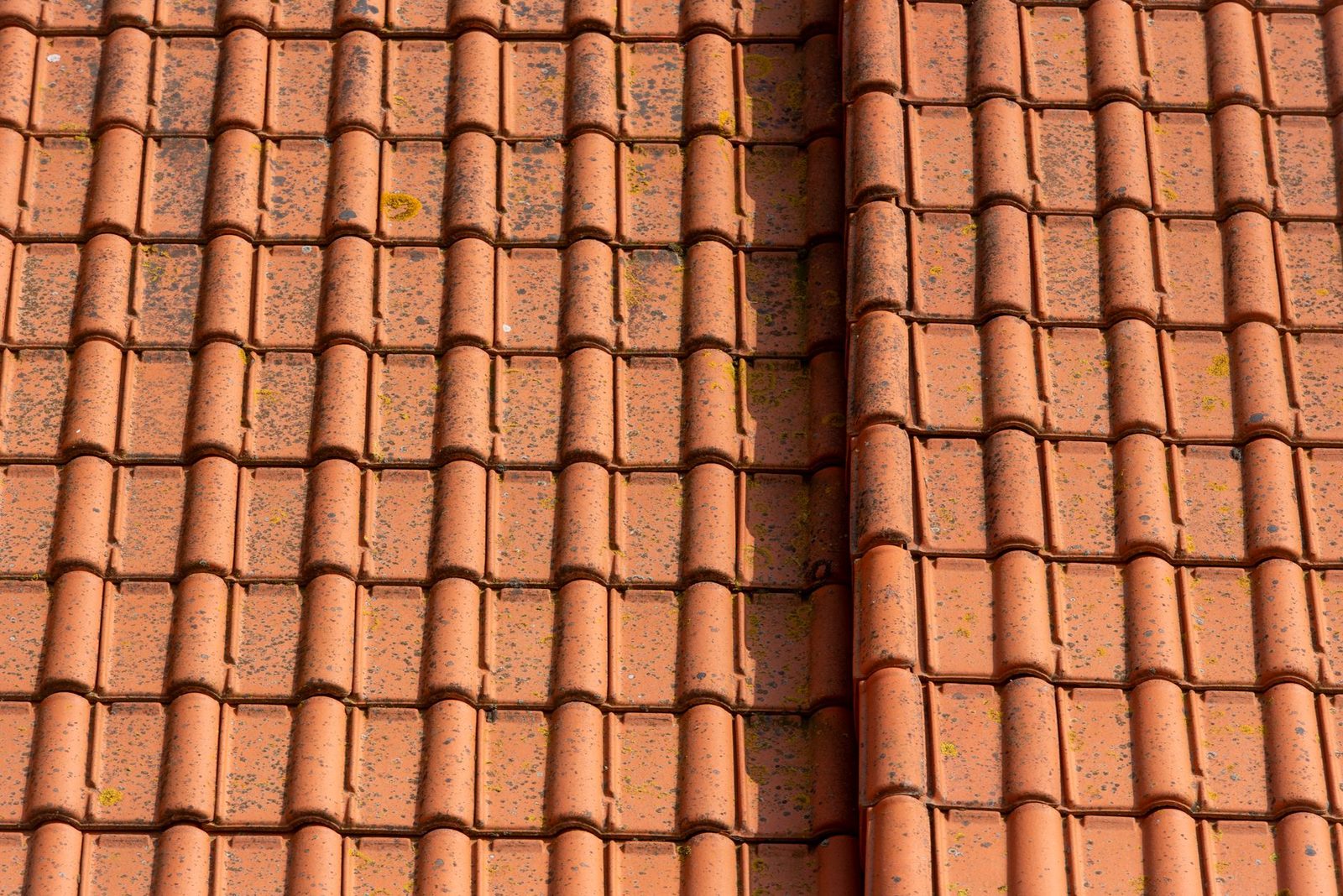
A roof’s surface is usually larger than the floor area beneath it. Slope and overhangs add square feet that the floor plan doesn’t show. Layered roof sections add more.
Take a 2,000 square foot home as an example. Floor area is only a starting point. The roofer measures the actual roof surface, including each slope. That measurement is then converted into roofing squares. A roof that measures 25 squares covers 2,500 square feet of surface before waste is added.
Steeper pitches take more time and care to work on. Multiple hips, valleys, and dormers add cuts. Each cut adds labor and waste, which raises the cost per square. A simple gable roof is generally less labor-intensive to tile than a complex roof with many cuts. The same square count can cost more on a complex roof than on a simple one.
Concrete tile and clay tile: how material choice affects cost
Concrete and clay are the two main tile materials for Florida roofs. The National Roofing Contractors Association states that clay and concrete tile roofing is durable and used in Florida.
Tile weight matters. NRCA guidance says structural load capacity must be verified when tile replaces another roof covering. That check can reveal that framing or decking needs work before the tile goes on. Those repairs add cost beyond the tile itself.
Material cost per square also varies with tile profile and manufacturer. Two concrete tiles can carry different prices based on shape and finish. Check that the quote names the exact tile product. For the trade-offs of clay material, see downsides of ceramic roof tiles.
Labor, tear-off, and decking: the costs beyond the tile
Labor is a major part of a tile roof’s price. Tile is heavy and set piece by piece. That makes installation more labor-intensive than many other roof types. Crews also cut tile at edges, valleys, and roof penetrations.
Tear-off means removing the existing roof and hauling away the debris. The number of existing layers changes that work. More layers mean more material to remove and dispose of.
Decking and underlayment are often the hidden variables. Damaged or rotted decking usually shows up only after the old roof comes off. That decking is then replaced to the extent needed. Underlayment goes over the decking to keep water out of the home.
Because hidden damage can change the total, a written estimate should show these items separately. Labor, tear-off, disposal, decking, and underlayment each deserve their own line.
Permits, inspections, and wind-resistant installation requirements
Florida law generally requires a permit before a building is repaired or altered. Under Fla. Stat. § 553.79, it is unlawful to repair a building without first getting a permit. The enforcing agency may charge reasonable fees it has adopted, so permit fees vary by local jurisdiction. Charlotte County roof permit guidance shows how one county lays out permit documents, inspection timing, and fees.
Inspection fees have a limit. Under the same statute, they may not be based on the total cost of a project. They also may not exceed the actual inspection costs the local agency incurs. The inspection line should not rise just because the project is large.
Wind rules shape installation. The Florida Building Code governs the design, construction, and repair of buildings, and its technical provisions cover the materials and methods used. Fla. Stat. § 553.844 directs the Florida Building Commission to adopt wind-mitigation requirements for roof replacements, and some of those measures apply only under certain conditions, such as location in the wind-borne debris region or the home’s insured value. Wind-rated work is a real part of the price in coastal cities such as Miami, Fort Lauderdale, West Palm Beach, Boca Raton, and Naples.
The same statute sets limits for certain partial work. If 25 percent or more of a roof built or replaced under the 2007 or later code is repaired, replaced, or recovered, only that portion must meet the code in effect.
Tile roof and metal roofing: how the cost compares
Tile and metal roofs share several cost drivers. Both are priced by roof area. Both involve labor, tear-off, decking, permits, and inspections.
The differences come from material and installation method. Tile is heavy, so the structural check and tile handling set its cost apart. Metal roofing is generally installed as panels, including standing seam. Panel type changes labor and material cost per square.
A fair comparison starts with the same roof area and the same scope of work. Compare the cost drivers one by one, not a single headline price for each material. ASP Superhome also installs metal roofing, and that option is covered on its own service page.
Not sure what your next step is?
Talk it through with our team — the first consultation is free, confidential, and carries no obligation.
Life expectancy of a tile roof and what the cost includes
Tile roofs are known for long service life when they’re installed and maintained well in Florida conditions. Cost is best weighed against how long the roof is expected to last, not against the price alone.
Proper installation is part of that picture. The Tile Roofing Industry Alliance publishes installation guides covering proper tile-roof installation practices and code requirements.
Tile’s weight means it needs more structural assessment than some lighter roofs. That assessment, and any framing or decking repairs it reveals, is part of why the decision involves more than the tile price. The downsides of having a tile roof page lays out the trade-offs beside the benefits.
What is the average cost of a tile roof in Florida?
It is one total project price. It is built from roof area, tile type, labor, tear-off, decking, permits, and wind-rated installation.
Does a tile roof replacement in Florida need a permit?
Florida law generally requires a permit before a building is repaired or altered. Permit fees vary by local jurisdiction.
Do inspection fees rise with the total project cost?
No. Under Florida law, inspection fees may not be based on the total cost of a project.

Talk through your tile roof’s cost with our team
Knowing what drives the average cost of a tile roof in Florida is one thing. Applying it to your own roof is another. If a storm left water stains in your ceiling, or a relative is asking for your help with a new roof, that decision can feel heavy and rushed.
A site visit looks at the same factors covered here: roof area, tile type, decking condition, and permit needs. ASP Superhome offers a free initial consultation that is confidential and carries no obligation to continue. If you’d like to talk through your roof, reach out to ASP Superhome.
The Four Groups of Cost Drivers
Roof Area and Tile Type
Larger roofs need more materials and more labor. The tile you choose also changes the total, since materials range widely in price and weight.
Labor and Old Roof Removal
Crew time depends on the roof's size and complexity. Removing the existing roofing before new tile goes on is a separate line item in most projects.
Decking and Structural Work
Once the old roof is off, the condition of the roof deck may reveal damage that needs repair or replacement before the new tile can be installed.
Permits and Wind-Rated Installation
Permitting and installation methods built for Florida wind conditions are part of the project scope and factor into the total cost.
Why Start with a Free Consultation
Free First Consultation
Your initial consultation is free, confidential, and comes with no obligation to continue.
Built for South Florida
We serve homeowners across Miami, Fort Lauderdale, West Palm Beach, Kendall, Boca Raton, Naples, and Fort Myers.
A Project-Based Estimate
Your estimate covers the whole tile roof project, from removal and decking to permits and installation.
Support You Can Reach
Our team is here to answer your questions about tile roof costs and what fits your home.
Important: A Price per Square Is Not a Quote
Online averages can help you set expectations, but they cannot account for your roof's pitch, condition, decking, or local permit requirements. Only an on-site review can give you a figure that reflects your home.


