


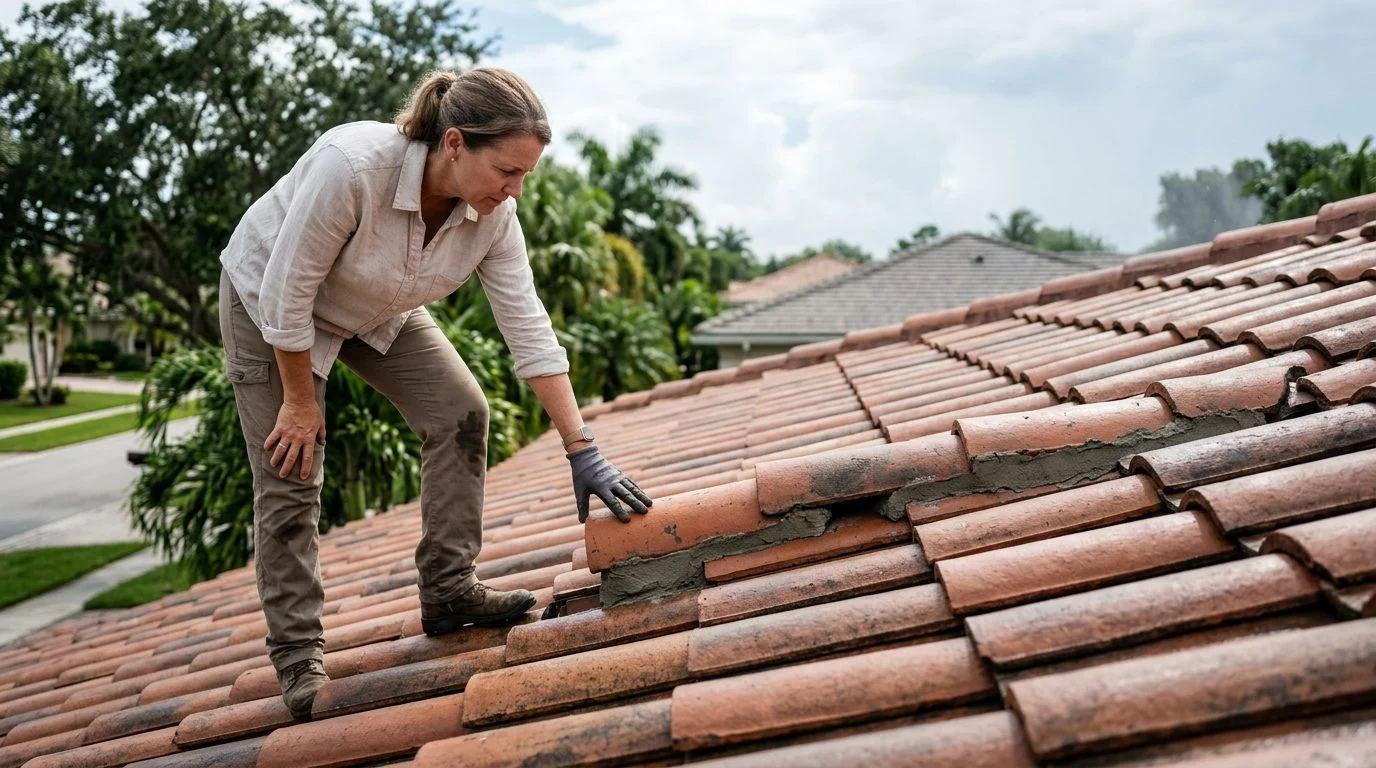
Tile Roofing | South Florida Homes
Thinking About a Clay Tile Roof? Weigh the Pros and Cons First
Clay tile can be durable and low-maintenance, but its weight, cost, and repair challenges matter in South Florida. Here is what to consider before you decide.
By Jonathan Rodriguez · Published November 4, 2026
Clay Roofs at a Glance: The Short Answer
A clay tile roof is durable and long-lasting, but it is heavy and costs more at the start. That trade-off is the core answer to “What are the pros and cons of clay roofs?” The pros are strength, low routine upkeep, and a classic look. The cons are weight, breakage risk, and a higher upfront price.
Clay tile is fired clay laid in overlapping rows over a roof deck. The NRCA roofing materials guidance describes clay and concrete tile roofing as durable and notes that it is used in Florida. Many South Florida homes, from Miami and Fort Lauderdale to Naples and Fort Myers, have this type of roof.
This page covers the pros, the cons, lifespan and cost, common problems, and how clay compares with concrete tile. Each point ties back to conditions in South Florida.
If a storm or an inspection report has you weighing a clay roof, our team at ASP Superhome can talk through your roof and your options with you. Talk it through with our team — the first consultation is free, confidential, and carries no obligation.
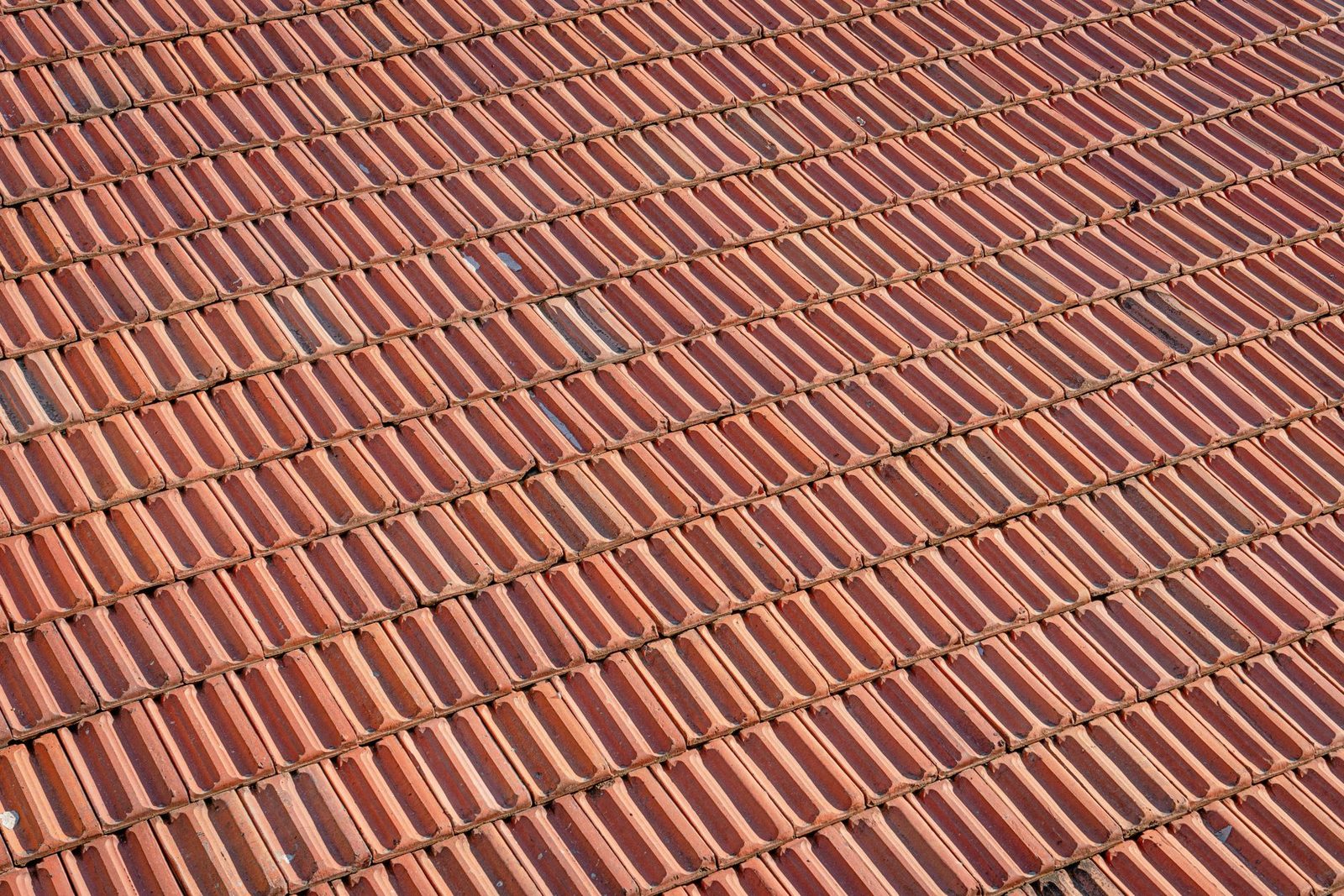
Pros of Clay Tile Roofs
Clay tile’s main strengths are durability, low routine maintenance, and help with attic heat. Each one depends on a correct installation, so the details matter as much as the tile.
Durability. Fired clay holds its shape and color for many years when it is installed correctly. The system underneath, including the underlayment and fastening, matters as much as the tile itself.
Heat. The air space under the tiles, along with the mass of the tile, can help moderate attic heat. That matters during long South Florida summers, when attics run hot.
Low maintenance. Clay does not need repainting or sealing. Routine care is an inspection after storms and clearing debris from valleys and gutters.
Style. Clay profiles suit the Spanish and Mediterranean-style homes common in Miami, Boca Raton, and Naples.
Insurance. Florida wind-mitigation inspections are performed by qualified inspectors and require documentation. They can record roof-related features that qualify for insurance discounts for hurricane-resistant construction, according to the Florida Department of Financial Services.
Cons of Clay Tile Roofs
The main cons are weight, breakage, higher upfront cost, and harder repairs. Each one can change the plan before any work begins.
Weight. Clay tile is heavy. The NRCA guidance says that when another roof covering is replaced with tile, the building’s structural load capacity must be verified. Check this first.
Breakage. Tiles can crack or slip when someone walks on them or when debris hits them. Repairs take skilled work, not a quick fix.
Upfront cost. The starting price is higher than many asphalt shingle options.
Repair matching. If a damaged tile’s profile or color is no longer made, a patch can stand out for years.
Installation sensitivity. Underlayment, flashing, and fastening details decide how well the roof performs over time. A good tile on a weak base can still lead to leaks.
How Long Does a Clay Tile Roof Last, and What Does It Cost?
Lifespan is shaped by tile quality, underlayment, installation, and maintenance. Cost follows the job itself, not a single set number.
The main cost drivers are tile type, roof pitch and complexity, structural work, and removal of the existing roof. A steep or complex roof takes more labor and more planning.
Code details also affect the scope. Drip edge requirements, including those for roof slopes of 2:12 and greater, depend on the code edition and adoption date that apply to a given project. The analysis of the building code covers proposed changes related to tile underlayment uplift resistance.
Common problems include cracked or displaced tiles, underlayment wear, and flashing failures. From the ground, look for tiles out of line, broken pieces in the yard or gutters, or metal flashing that looks lifted.
Clay vs. Concrete Tile: What Is the Difference?
Concrete tile is a related tile option. The choice between the two often comes down to budget, structure, and the look you want.
Both materials are tile, but they differ in surface and finish. Concrete tile can show color fading and surface wear over time. Both need the same care with underlayment, flashing, and fastening.
Weight is the first question for either material. A heavy tile on a structure that has not been checked is a problem, no matter which tile you pick.
If budget is the main driver, compare the starting price on the same job. If the structure is limited, settle the weight question first. If appearance matters most, compare profiles and colors side by side before you decide.
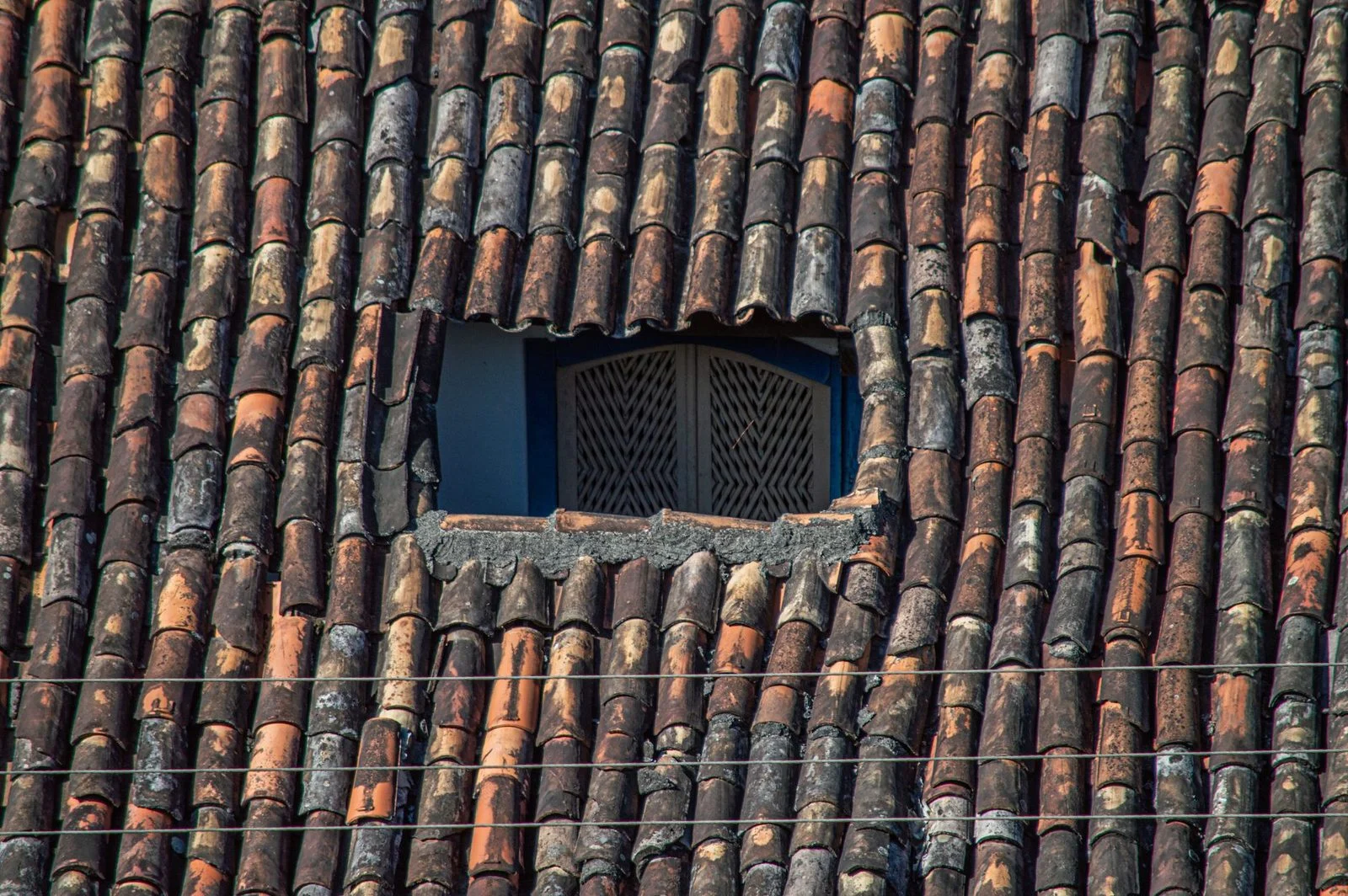
Your Next Step If You’re Researching a Clay Roof
A clay roof decision starts with three things: the structure, the underlayment, and the flashing. Knowing what each one needs makes the rest of the choice easier.
You may be reading this after a storm damaged your roof, after an inspector flagged the tile, or because a family member asked you to help decide for their home. You don’t have to settle every detail today.
If that is your situation, our team at ASP Superhome can talk through your roof and your options with you. Your first consultation is free, confidential, and comes with no obligation to continue. You can reach out through our contact page to begin.
Frequently Asked Questions
What are the main pros and cons of clay roofs?
Clay roofs are durable and need little routine upkeep. They are heavy, can break, cost more at the start, and can be hard to match when repairs are needed.
How long does a clay tile roof last?
Lifespan is shaped by tile quality, underlayment, installation, and maintenance. A well-installed roof with steady care is the goal.
Do clay roofs need drip edge in Florida?
The Florida Building Commission’s 2026 analysis lists a drip edge rule for tile roofs on slopes of 2:12 and greater. Installers follow the FRSA/TRI Florida High Wind Concrete and Clay Roof Tile Installation Manual for that work.
What Homeowners Like About Clay Roofs
Durability
Clay tile is built to stand up to demanding conditions when it is properly installed and maintained.
Low Routine Upkeep
Clay roofs generally need little routine attention between periodic checks.
Lifespan Shaped by Care
Tile quality, underlayment, installation, and maintenance all affect how long a clay roof performs.
Check Your Roof Structure Before Choosing Clay
Clay tile is heavy. Before installation, the roof deck and framing should be evaluated to confirm they can support the added weight.
Drawbacks to Weigh
Weight
Clay tiles add significant load, which can require structural review and reinforcement on some homes.
Breakage
Tiles can crack or break from impact or foot traffic, so damaged pieces need prompt attention.
Higher Upfront Cost
Clay roofing typically costs more at the start than many other roofing materials.
Matching Repairs
Replacement tiles may be hard to match in color and profile, especially on older roofs.
Not Sure Whether Clay Tile Fits Your Home?
Related practice areas
- Tile Roofing in South Florida: Costs, Styles & Installation Guide
- Types of Roofing Materials in South Florida: A Guide


