


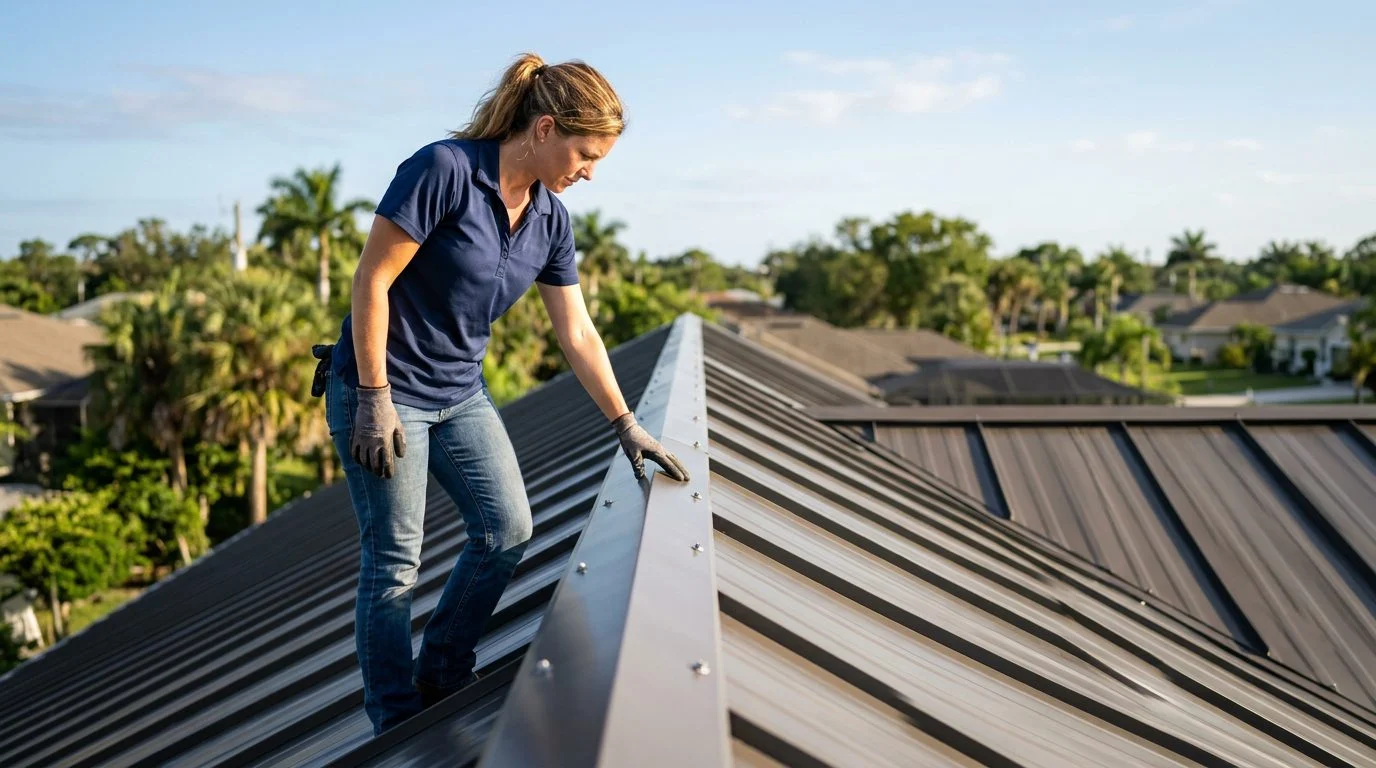
Roof Replacement | South Florida
How Often Does a Roof Need to Be Replaced in Florida?
Florida's climate, roofing material, and installation all shape how long your roof lasts. Learn what to look for, then book a free estimate with our team.
By Jonathan Rodriguez · Published November 3, 2026
How often does a roof need to be replaced in Florida? There’s no fixed year. Material, age, condition, and installation all shape the timing, and South Florida’s sun, storms, and salt air often shorten it.
If you’re handling this for a parent, a tenant, or a home you just bought, the question can feel urgent. This guide covers how long roofs last here, what wears them down, which Florida rules come into play, and the warning signs that point toward replacement.
How long does a roof last in Florida?
A Florida roof is usually judged on age, condition, and material together, not on one set number of years. Asphalt shingles, clay and concrete tile, and metal panels each age differently. Installation quality and routine upkeep change the picture for every material.
Tile needs a closer look. The NRCA roofing materials guide describes clay and concrete tile as durable and used in Florida. That check is easy to skip and important to make before work starts.
Age is only one clue. An older roof with sound decking and no leaks can be in better shape than a newer roof with failed underlayment. An inspection tells you more than the installation date on an old invoice.
If you're facing an aging roof, a leak you didn't expect, or an insurance notice, you don't have to work through it alone, so request a quote with our team. Talk it through with our team — the first consultation is free, confidential, and carries no obligation.
Why does Florida’s climate shorten roof life?
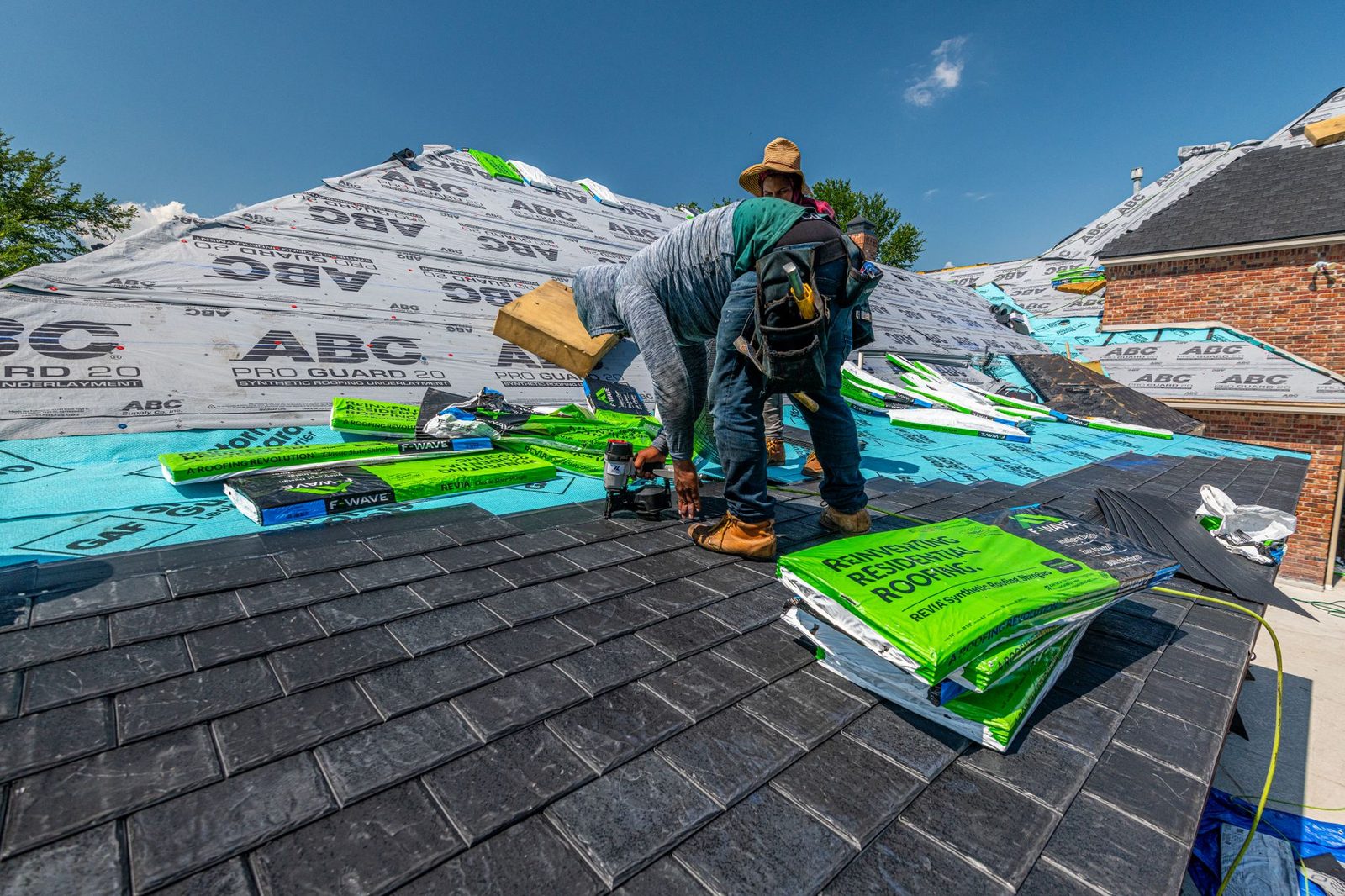
Florida’s climate puts a roof under several stresses at once. Strong sun and repeated heat cycles age shingles, tile bedding, underlayment, and sealants. Humidity and frequent afternoon storms push water into small gaps that were already there.
Hurricane-season wind is harder on a roof than everyday weather. Wind can lift edges and flashing, and flying debris can crack tile or puncture coverings. Impact-rated windows and doors belong in this conversation too, because storm debris strikes openings as well as roofing.
Salt air adds another wear factor near the coast. In Boca Raton, Fort Lauderdale, and Naples, salt can speed corrosion of metal flashing, fasteners, and trim. Fort Myers homes see similar coastal exposure in parts of the area, so metal components deserve a regular look.
Storm performance has been studied. The IBHS Hurricane Ian roof assessment is a third-party review of building performance in Southwest Florida during Hurricane Ian. ASP Superhome also offers metal roofing for South Florida homes.
Which signs show a roof needs replacement, not repair?
Replacement becomes the better question when damage is widespread rather than isolated. Outside, look for curling, cracking, or missing shingles, cracked or slipping tile, and granule loss that collects in gutters. These signs show the protective surface is wearing thin.
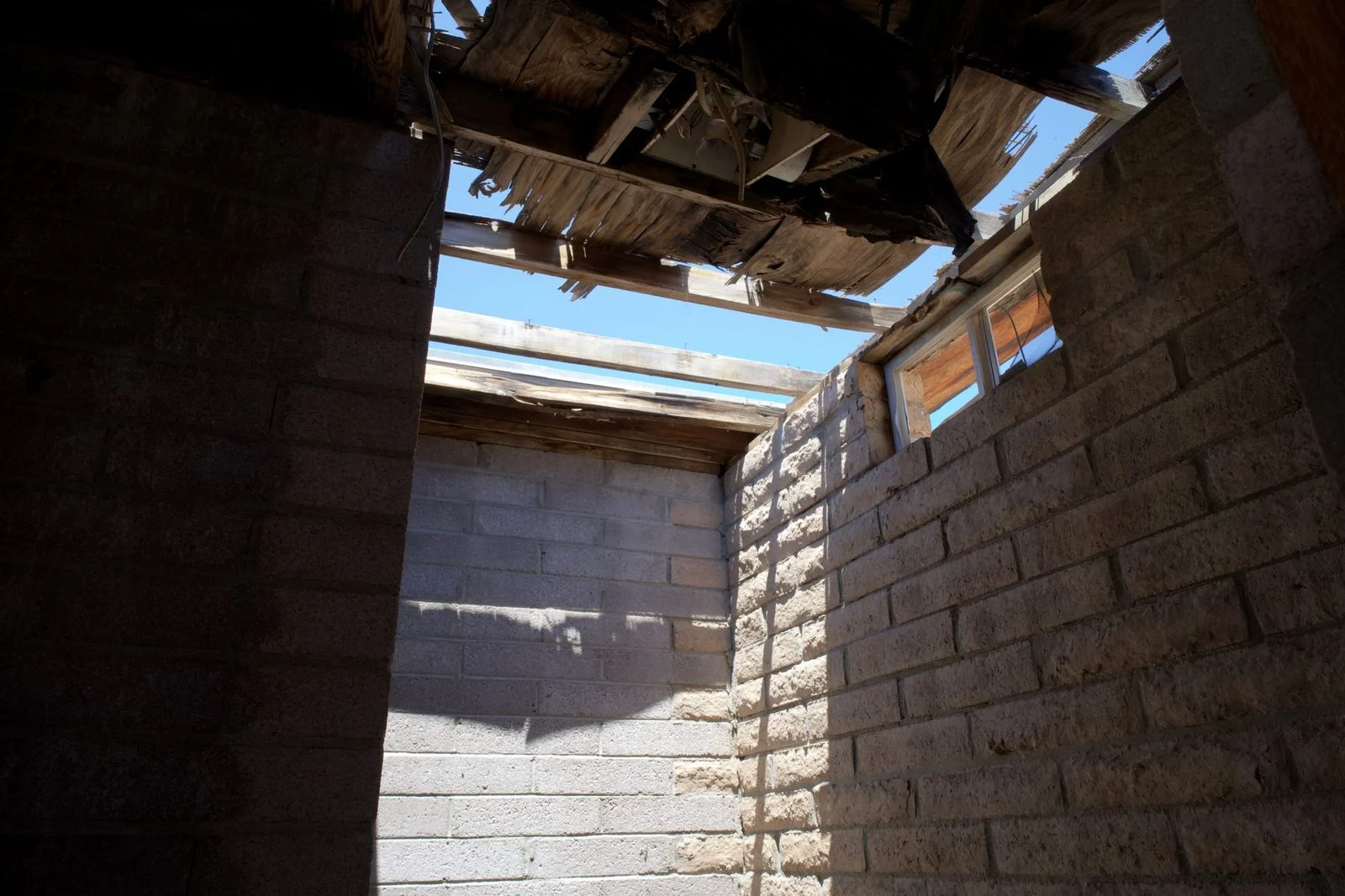
Inside, the clues are more serious. Water stains on ceilings, a musty attic smell, or daylight visible through the decking all mean water is getting past the roof. Don’t wait for a second or third leak to act.
Repeated repairs add up. When the same roof needs patching every season, total the repair bills. Compare that total with the cost of a full replacement, and bring those numbers to an inspection.
A hands-on inspection sees what a checklist cannot. It checks decking, underlayment, and flashing hidden beneath the surface.
What is Florida’s 25% roof rule?
If a roof system was constructed, fixed, or re-covered to the 2007 edition of the Florida Building Code or a newer one, and at least a quarter of that system or roof section is being redone, only the redone part is required to follow the code currently in force. In plain terms, the current code applies to the work being done, not automatically to the entire roof.
Here’s a simple example. Under Fla. Stat. § 553.844, when 25 percent or more of a roofing system or roof section built, repaired, or replaced in compliance with the 2007 Florida Building Code or a later edition is repaired, replaced, or recovered, only the repaired, replaced, or recovered portion must be constructed in accordance with the Florida Building Code in effect. Only that replaced portion must meet the current Florida Building Code.
Whether the rule applies depends on the facts of your project and the local permitting authority.
Work on a roof also needs a permit. Under Fla. Stat. § 553.79, unless otherwise provided by law, it is unlawful to repair a building without first getting a permit from the enforcing agency. Miami-Dade County’s roofing permits page lists required forms, checklists, and contractor e-permitting. The City of Miami roofing permit page explains how to apply for a roofing permit.
How do roof age and insurance connect in Florida?
Roof age may be one factor that comes up when an insurance company reviews a home.
Storm timing matters too. Under Fla. Stat. § 627.70132, a property insurance claim is barred unless notice reaches the insurer within 1 year after the date of loss. A supplemental claim has an 18-month limit. For hurricanes, the date of loss is the day the hurricane made landfall.
Premium discounts, credits, or deductible reductions may be available for properties where fixtures or construction methods shown to lower windstorm losses can be or have been installed. Whether a metal or impact-resistant roof lowers your premium depends on your insurer and policy. The Florida Office of Insurance Regulation publishes wind-mitigation resources, including information on premium savings. Gather your roof’s age, permit history, inspection report, and any wind-mitigation form before you talk with your insurer.
When is the right time of year to replace a roof in South Florida?
The rainy season runs roughly June through September in South Florida. Heavy afternoon storms slow crews down, and wet conditions make tear-off and material handling harder. Many owners schedule larger projects for the drier months.
Dry-season timing is practical for many projects, but storm preparation stays on the calendar all year. Hurricane season overlaps the rainy months, so a roof that needs work shouldn’t wait for a quiet forecast.
Scheduling depends on project size and material. A small repair can fit into a short window. A full tile replacement needs more planning, and metal panels may need different handling on the job.
Not sure what your next step is?
Talk it through with our team — the first consultation is free, confidential, and carries no obligation.
Talk through your roof’s situation with our team
If you’re facing an aging roof, a leak you didn’t expect, or an insurance notice, you don’t have to work through it alone. Those moments are stressful, and a clear look at the roof’s age and condition is a good place to start.
Our first consultation is free, confidential, and comes with no obligation to continue (consulta inicial gratuita, confidencial y sin compromiso). To book a free estimate or request a quote, use our free estimate request form.
Frequently asked questions
How often does a roof need to be replaced in Florida?
There is no single year. Material, age, condition, and installation decide the timing, and an inspection gives the clearest answer.
When does the 25% rule apply?
It applies when 25 percent or more of a roofing system built, repaired, or replaced under the 2007 or later Florida Building Code is repaired, replaced, or recovered. Only the redone portion has to follow the building code now in effect.
Do I need a permit to repair my roof?
Under Fla. Stat. § 553.79, unless otherwise provided by law, it is unlawful to repair a building in Florida without first obtaining a permit.
What Decides When Your Roof Needs Replacing
Roofing Material
Metal, tile, and other roofing materials wear at different rates under Florida sun, humidity, and storms.
Age of the Roof
A roof's age matters, but it is only one piece of the picture. Two roofs of the same age can be in very different condition.
Current Condition
Damaged shingles or tiles, worn flashing, and areas of standing water all affect how much life is left.
Installation Quality
How the roof was installed, including fasteners, underlayment, and ventilation, influences how well it holds up over time.
Don't Wait for a Leak to Find Out
An inspection gives the clearest answer about your roof's condition. Many problems are easier and less costly to address when they are caught early.
Signs Your Roof May Need Attention
Recurring Leaks
Water stains on ceilings or walls, or drips after rain, can signal that the roof is no longer keeping water out.
Cracked or Lifted Materials
Cracked, curled, or missing shingles or tiles leave the roof exposed to wind-driven rain and storm damage.
Granule Loss or Surface Wear
Loose granules in gutters or bare patches on shingles can point to an aging surface that is losing protection.
Sagging or Soft Spots
A dip in the roofline or soft areas underfoot can indicate deeper moisture or structural concerns that need prompt review.
Not Sure Where Your Roof Stands?
Let's Take a Look. Your First Consultation Is Free, Confidential, and Comes With No Obligation to Continue.


