


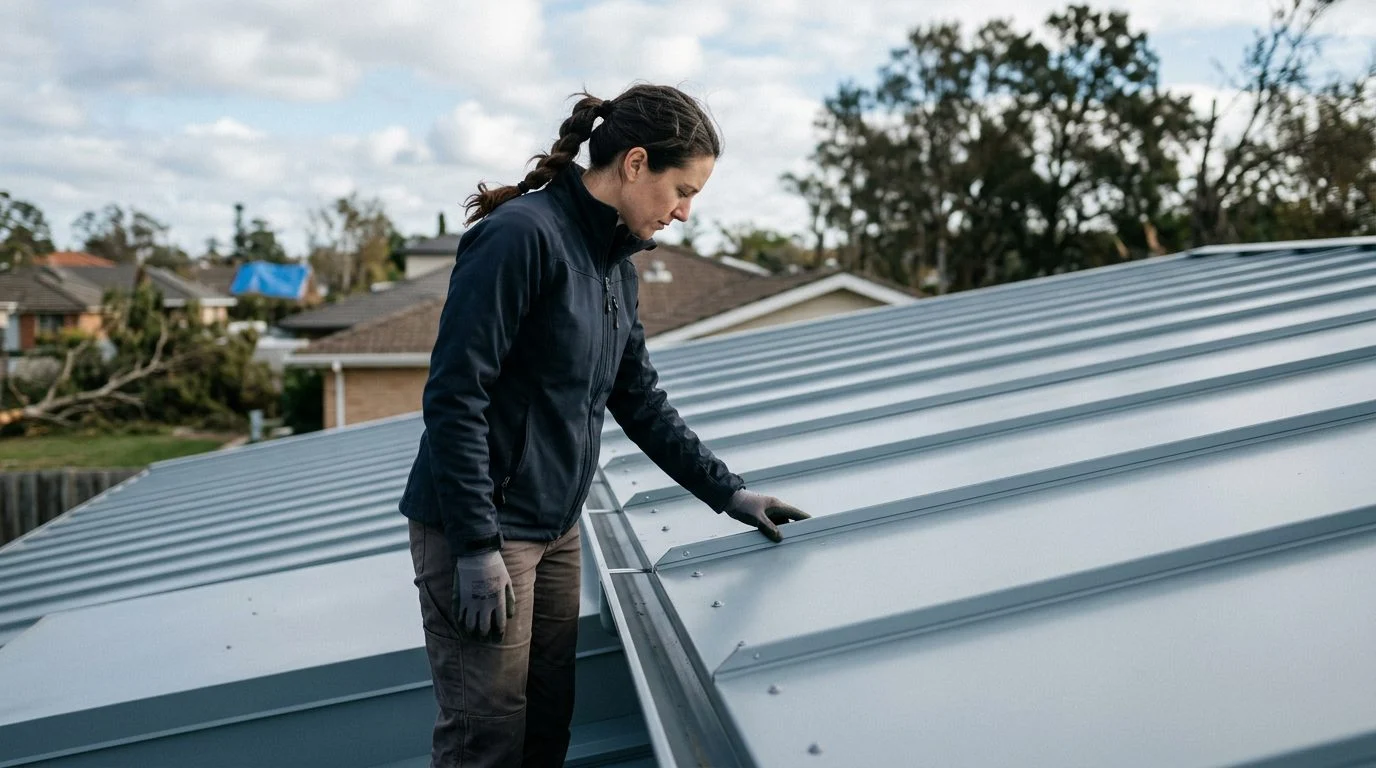
Roofing · South Florida
How to Pay for a Roof When You Can't Afford It
Roof work doesn't have to wait for a full lump sum. Here are the payment paths homeowners commonly consider, and how to start a conversation about your roof.
By Jonathan Rodriguez · Published November 3, 2026
When a Roof Problem Lands on a Budget You Didn’t Plan For
If you’re asking how to pay for a roof when you can’t afford it, you have several realistic paths. You can stage the work, finance part of the cost, or check whether an insurance claim applies.
A roof problem rarely waits for a good time. A leak often shows up as a ceiling stain, a damp attic, or water near a window after a storm. Watch for these warning signs:
- Ceiling stains or bubbling paint
- Water or damp insulation in the attic
- Missing, cracked, or slipping tiles
- Lifted or loose metal panels
- Gritty debris in your gutters
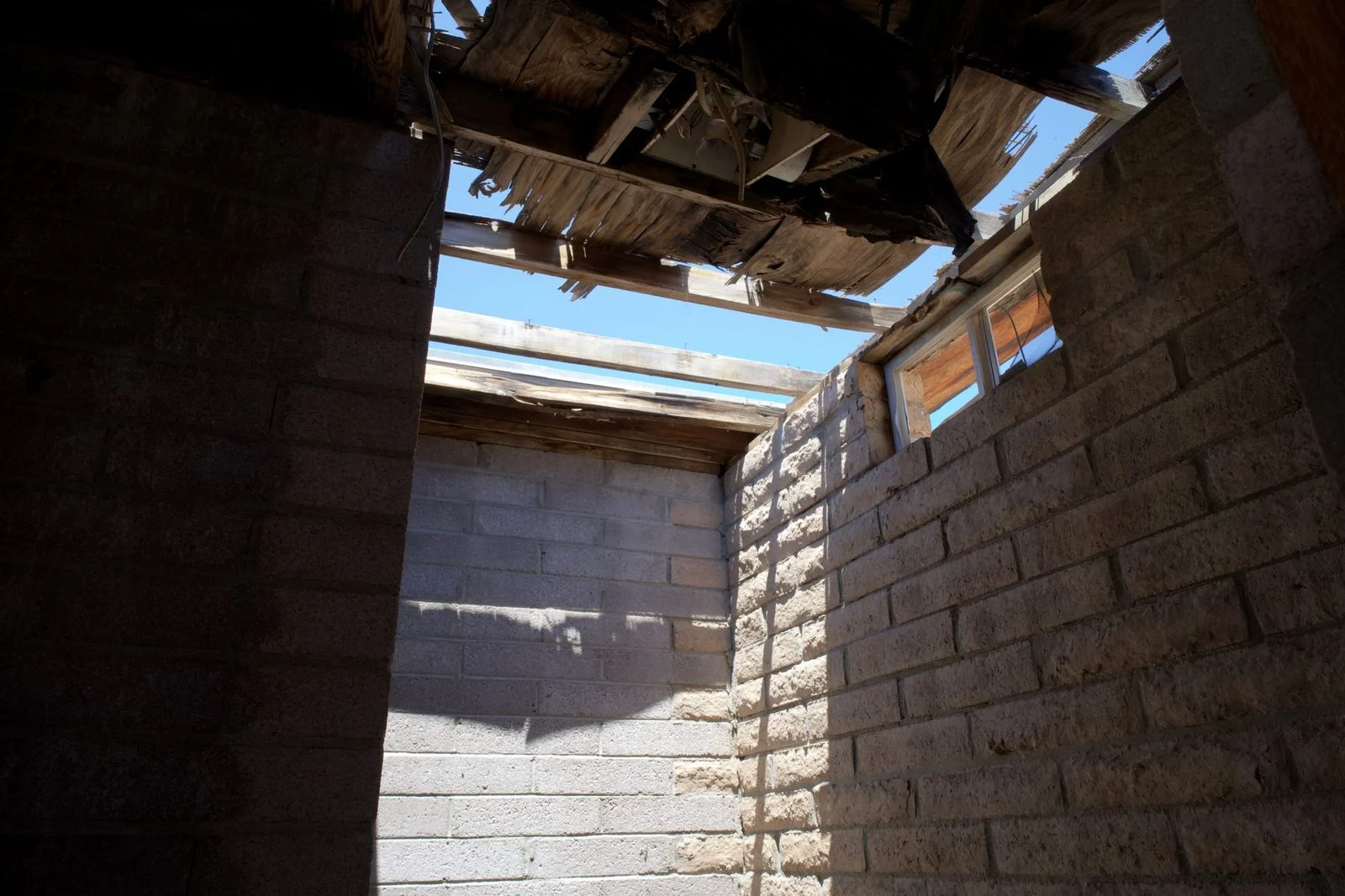
Waiting can make the bill bigger. Water that gets past the roof can reach the decking, insulation, drywall, and flooring. A small leak can turn into a repair that touches every room below it. This guide covers your payment options, from the simplest to the most involved.
If a leaking roof is squeezing your budget, you don't have to sort out the payment plan alone. Our team can walk through your options with you. Talk it through with our team — the first consultation is free, confidential, and carries no obligation.
What to Do If You Can’t Afford to Replace Your Roof Right Now
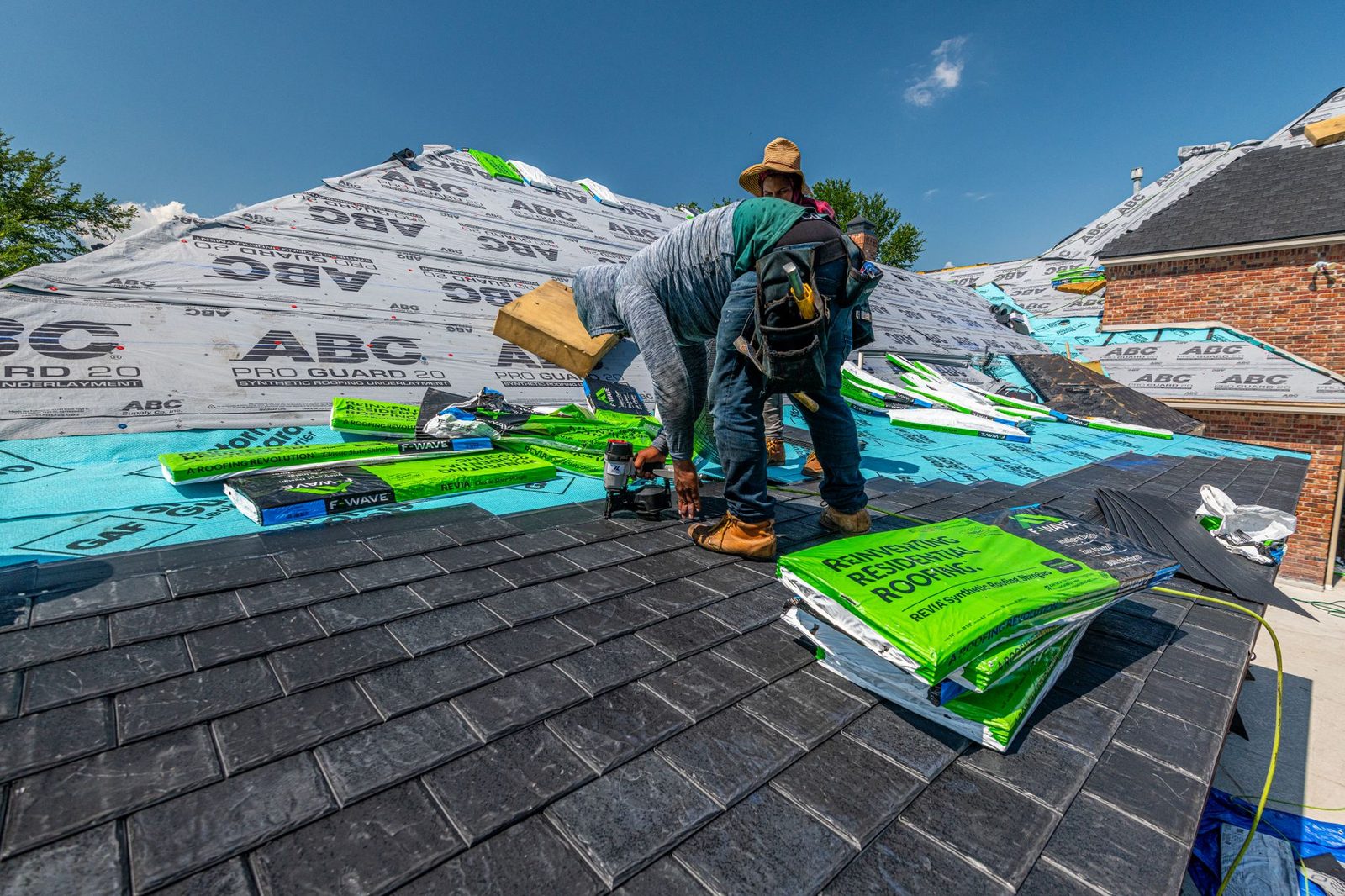
Start by finding out whether you need a full replacement or a targeted repair. That answer sets the size of the bill. A roof with a few damaged areas may only need roof repair. A roof near the end of its service life usually needs replacement.
A professional inspection can tell the two apart. Florida law gives homeowners a specific right on older roofs. For a roof at least 15 years old, an insurer must allow an authorized inspector to check the roof, at the homeowner’s expense, before requiring replacement. The insurer may not refuse coverage only because of roof age if the inspection shows 5 or more years of useful life remaining. Fla. Stat. § 627.7011
Once you know the scope, you can stage the work. Fix the most urgent leak areas first, then plan the full replacement for later. A temporary fix can slow damage, but it doesn’t replace a failing roof system. For the full picture on replacement, read our roof replacement guide.
Why Roof Replacement Costs So Much in Florida
Roof replacement costs more in South Florida because of several factors. These include the material, roof size and pitch, tear-off of old layers, deck repair, and permits. Each one changes the final price.
Material is the first choice. Metal and tile differ in upfront cost and weight, and both need careful installation.
Permits add time and cost. The City of Miami says its roofing permit requirements cover residential and commercial roof repair or replacement. City of Miami roofing permit
Partial work can also trigger code rules. Under Fla. Stat. § 553.844, if 25 percent or more of a roofing system built, repaired, or replaced under the 2007 or later Florida Building Code is repaired, replaced, or recovered, only that portion must meet the code then in effect. Fla. Stat. § 553.844
Whether a price is fair depends on the facts of the project.
Financing Options for Roof Replacement
The main paths are a home equity loan or line of credit, a personal loan, PACE financing where your county offers it, an insurance claim, and a contractor payment plan. Each works differently, so compare the total repayment cost, not just the monthly payment.
A home equity loan or line of credit uses your home as collateral. Your home secures the debt, so read the repayment terms closely. A personal loan is unsecured, so it doesn’t use your home as collateral. It often has shorter repayment periods and different rate structures.
PACE financing works differently. Florida law allows a program for financing qualifying improvements to residential property only where the county or municipality has authorized it by ordinance or resolution. Before approval, financing disclosures are confirmed in an oral, recorded telephone call, as Fla. Stat. § 163.081 provides. Before you enter the agreement, you must give existing mortgage holders or loan servicers written notice at least 5 business days in advance, stating the maximum amount to be financed, including the amount of any fees and interest, and the maximum annual assessment necessary to repay the total. Fla. Stat. § 163.081
Insurance can help fund covered storm damage. Fla. Stat. § 627.70132(2) sets an 18-month limit for giving notice of a supplemental claim, counted from the date of loss. Under Fla. Stat. § 627.7011, when a roof deductible under s. 627.701(10) is applied to the insured loss, the insurer may limit its roof claim payment to the actual cash value of the loss to the roof until it receives reasonable proof that the policyholder paid that roof deductible. Fla. Stat. § 627.7011
A Pompano Beach senior program sets its own rules for income, age or disability, and property. CDBG Senior Roof Replacement Program
Choosing Roofing Materials That Fit Your Budget
Your material choice shapes how much you need to finance and how long you’ll repay. Metal and tile cost differently up front and weigh differently on the structure. Ask for both options side by side in your written estimate.
Metal roofing can suit storm-prone homes. Tile roofing has its own strengths and installation needs. Compare upfront cost, weight, and upkeep with the same care.
Impact-rated components also matter. Impact windows and impact doors help protect openings during storms. Price them in the same estimate so you can see the full project cost.
How to Protect Your Home and Your Finances While You Plan
Document the damage as it happens. Take dated photos of interior water stains, attic moisture, and exterior damage. Keep every inspection report, estimate, and written message about the roof in one folder.
Watch the claim deadline. Under Florida law, a claim generally must be noticed within 1 year after the date of loss, and a supplemental claim within 18 months. For hurricanes, the date of loss is the date the hurricane made landfall; for tornadoes, windstorms, severe rain, or other weather-related events, it is the date the National Oceanic and Atmospheric Administration verifies the event. Fla. Stat. § 627.70132
Check your contract for cancellation rights. Fla. Stat. § 501.025 governs home solicitation sales. Under Fla. Stat. § 501.025, the buyer has the right to cancel a home solicitation sale until midnight of the third business day after the day on which the buyer signs an agreement or offer to purchase, and cancellation is made by written notice delivered in person, by telegram, or by mail to the seller at the address stated in the agreement or offer to purchase. Fla. Stat. § 501.025
Set a budget range and a priority order before you decide. Read every financing document. Look at the total repayment cost, any fees, and what happens if a payment is late.
Not sure what your next step is?
Talk it through with our team — the first consultation is free, confidential, and carries no obligation.
Questions Homeowners Ask Before Choosing a Payment Path
Can you finance a new roof when savings are limited?
Often, yes, through a home equity product, a personal loan, or a PACE program where the county offers one. Approval rules vary by lender and program.
Is it smarter to repair now and replace later?
It can be, if the roof still has useful life and the leaks are contained. Compare both plans over the same time period, including repair costs, water-damage risk while you wait, and the later replacement price.
What decides the right payment path?
Your home equity, credit, insurance coverage, and the roof’s condition all shape the answer. The right path depends on the facts of your situation.
Talk Through Your Roof Options With ASP Superhome
If your roof is leaking and the full cost is more than your budget can absorb now, you’re facing a hard choice on a short timeline. A clear conversation can help you see what’s possible before you commit to anything.
Our team at ASP Superhome can review the roof’s condition with you, walk through repair and replacement options, and talk about how the project might be paid for. Our free first consultation is confidential and comes with no obligation to continue. Book your free estimate or request a quote to get started.
Common ways to pay for a roof
Home equity products
Some homeowners use a home equity loan or line of credit to fund roof work. Terms, approval, and costs depend on the lender and your own financial picture.
Personal loans
An unsecured personal loan can cover a roof project without using your home as collateral. Rates and repayment terms vary, so compare the total cost before you sign.
County PACE programs
Where a county offers a Property Assessed Clean Energy program, some improvements may be financed through an assessment on your property tax bill. Availability and rules differ by county.
How ASP Superhome can help you plan
A free, confidential first consultation
Talk through your roof, your budget, and your options with no obligation to continue.
Repair or replacement, side by side
We'll help you weigh the cost of fixing your current roof against replacing it, so you can see both paths clearly.
Phasing options when they fit
In some cases, completing urgent repairs first and scheduling larger work later can make the project easier to manage.
Metal and tile roofing, roof repair and replacement
ASP Superhome works across metal roofing, tile roofing, roof repair, and roof replacement for homes in South Florida.
Don't let a small leak wait
A minor leak can spread into insulation, drywall, and framing over time. Getting an inspection early often keeps the options open and the repair smaller.
Ready to talk about paying for your roof?
Start with a free, confidential consultation with no obligation to continue.


