


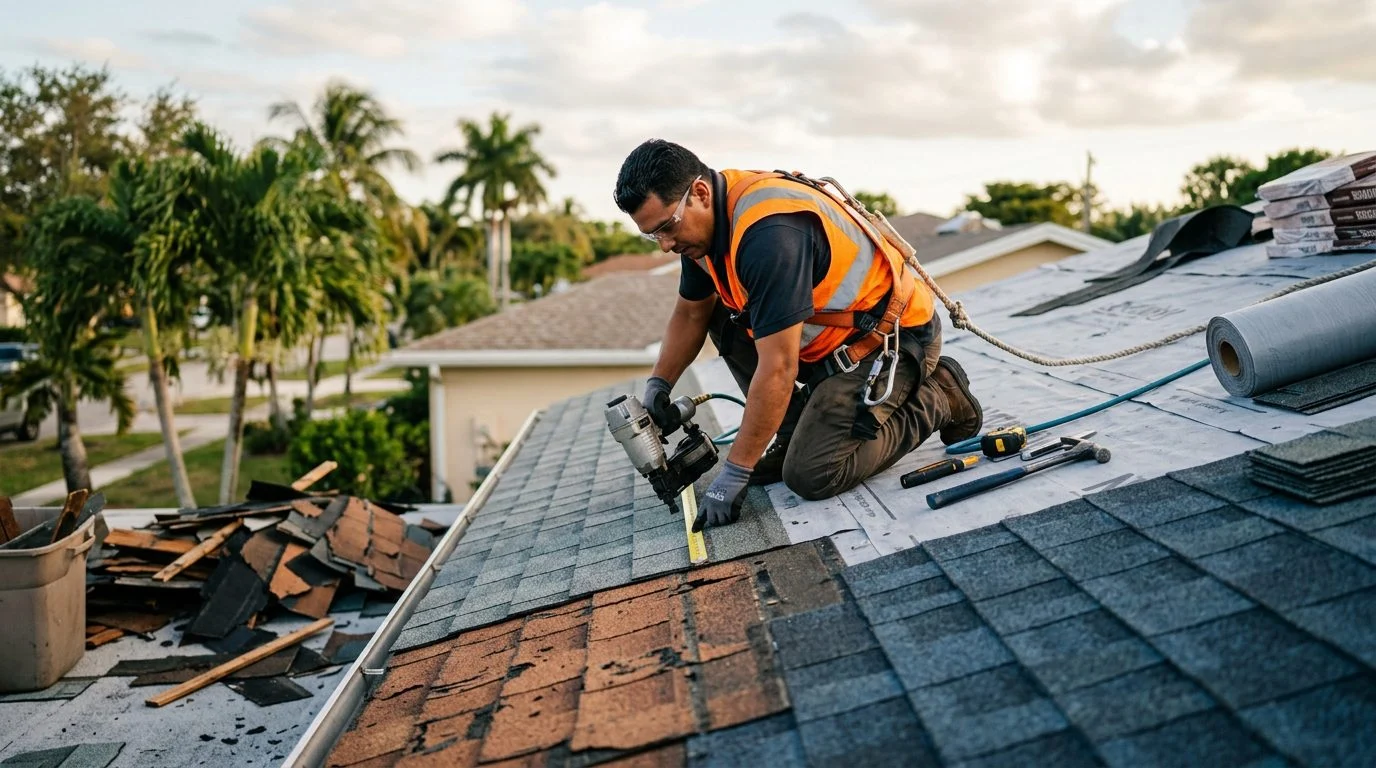
Roof Replacement | South Florida
Insurance Says Your Roof Is Too Old? Here's What to Do Next
Roof age alone doesn't tell the whole story. Learn how South Florida homeowners can respond to a roof age concern, and how ASP Superhome can help with roof repair, roof replacement, metal roofing, and tile roofing.
Why Insurers Flag Older Roofs
Age Is Only One Factor
Many insurers look at roof age when reviewing a policy. The condition of the roof, the materials used, and any past repairs also matter.
Keep Your Records
Permits, installation dates, invoices, and inspection reports can help document what work has been done and when.
Material Choices Matter
Impact-rated and metal roofing systems are often discussed as options in South Florida because of how they hold up in high winds.
Get a Clear Picture
A current inspection shows whether your roof needs repair, replacement, or simply ongoing maintenance.
By Jonathan Rodriguez · Published October 31, 2026
Wondering what happens if my insurance company says my roof is too old? The short answer: the notice usually starts a review. It does not end the discussion.
Florida law limits when an insurer can refuse coverage because of roof age alone. This guide explains what the notice usually means, what shapes the outcome, and what you can do next. It’s written for homeowners in Miami, Fort Lauderdale, Kendall, and nearby areas, including people handling a family member’s home or a property they manage.
What Does a “Too Old” Notice Mean?
A “too old” notice usually means the insurer has flagged the roof’s age as a risk factor. That flag affects how the roof is rated. It is not a verdict on the whole home.
You may hear this at renewal, after an inspection request, or during a claim. The letter or call often uses a few key terms:
- Roof age is how many years old the roof is, measured from the last date on which 100 percent of the roof’s surface area was built or replaced in accordance with the building code in effect at that time, or, where partial replacements were done, the initial date of a partial roof replacement when subsequent partial replacements were completed that resulted in 100 percent of the roof’s surface area being built or replaced. Insurers also look at its remaining useful life, meaning how many years it can keep doing its job.
- Cover year is the year an insurer uses to judge the roof. It can differ from the year the roof was installed.
- Company approved is an insurer’s term for a repair or roof condition it has signed off on. Its exact meaning depends on the carrier, so ask for it in writing.
The age date on the insurer’s file isn’t always the install date. Invoices, warranty papers, and the roofer’s records can help show when the roof went on.
If a letter or phone call about your roof has you unsure what comes next, we're glad to talk it through with you. Talk it through with our team — the first consultation is free, confidential, and carries no obligation.
Why Do Insurers Look at Roof Age and Condition?
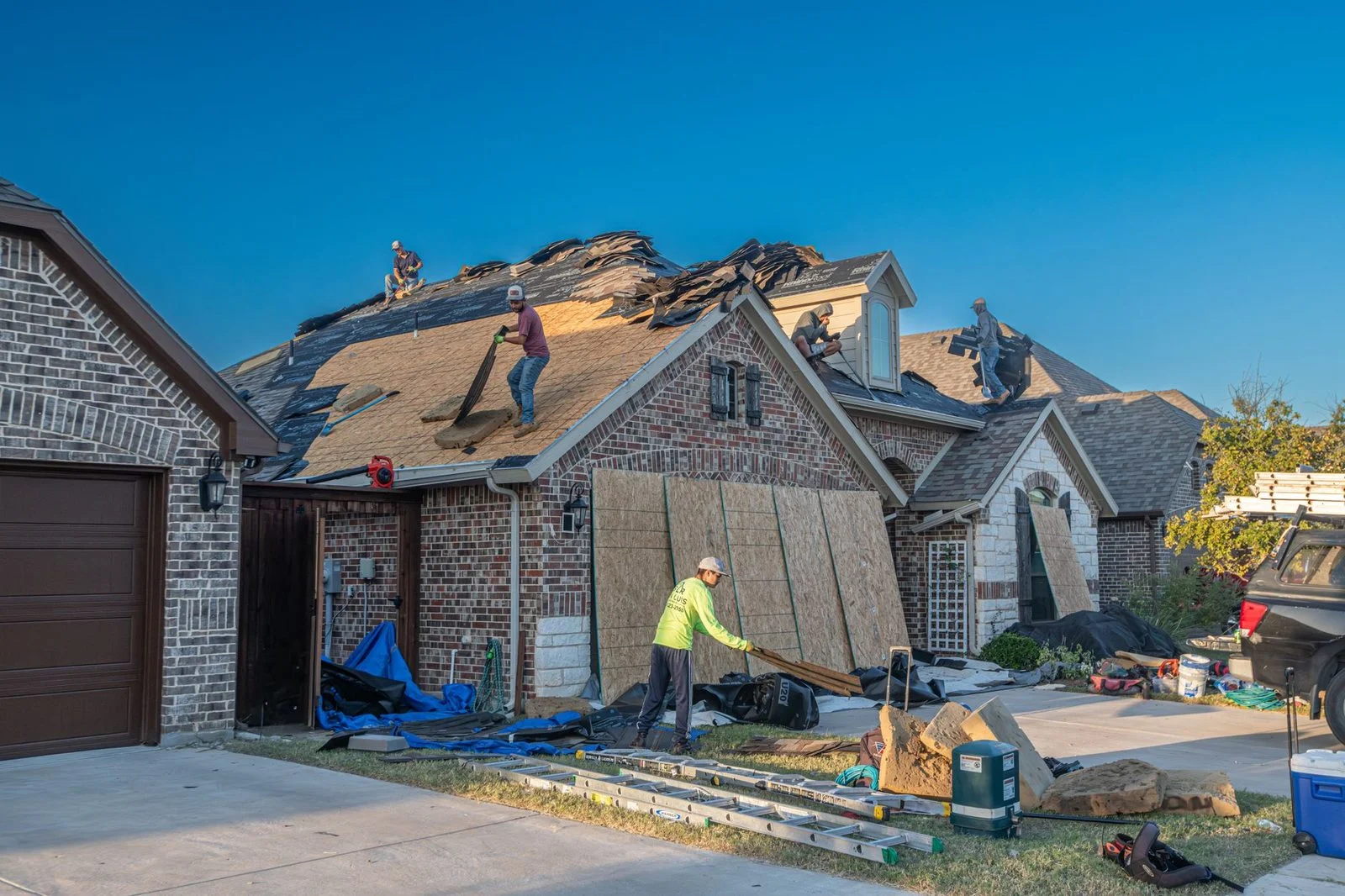
Insurers look at roof age and condition because the roof is the main barrier against wind and water. An older roof has less margin before it leaks or fails.
A roof that still performs well can be treated differently from one with visible wear. Missing shingles or tiles, cracks, lifting metal panels, and past leaks all draw attention. Clear records of these conditions matter.
South Florida adds pressure. Strong sun, heavy rain, and storm winds all work on roofing materials. Hurricane exposure is a major reason insurers pay close attention to roofs across the region.
Material matters too. The Institute for Business & Home Safety reviewed roof performance in Southwest Florida after Hurricane Ian. According to IBHS, metal roofing systems held up well in winds below 130 mph. The IBHS Hurricane Ian roof assessment gives the details.
What Happens in a Renewal, a Claim, or a New Policy?
Fla. Stat. § 627.7011(5)(c) provides that, for a roof that is at least 15 years old, an insurer must allow the homeowner to have a roof inspection performed by an authorized inspector, at the homeowner’s expense, before requiring replacement of the roof as a condition of issuing or renewing a homeowner’s insurance policy. If that inspection indicates 5 years or more of useful life remaining, the insurer may not refuse to issue or renew the policy solely because of roof age.
In a claim, timing is critical. A supplemental claim is barred unless notice is given within 18 months. For hurricanes, the date of loss is the date the hurricane made landfall; for tornadoes, windstorms, severe rain, and other weather events, it is the date the National Oceanic and Atmospheric Administration verifies the event.
If you’re buying a home or taking over a policy, coverage may be limited or conditioned. The Florida Office of Insurance Regulation explains that homeowners policy forms can differ, older homes may be written under HO-8 coverage, and eligibility can vary by insurer.
Which Factors Shape Coverage on an Older Roof?
Roof condition, cause of damage, policy wording, and local building rules shape coverage the most. Each one can change the answer.
Condition comes first. Photos of shingles, tiles, or metal panels, plus any leak history, give a fuller picture than a general age number.
Cause matters next. A sudden storm loss is handled differently from long-term wear, so the adjuster will ask which one happened.
Carrier rules also vary. Citizens Property Insurance Corporation publishes roof inspection requirements for older roofs, including documentation of remaining useful life. The Florida Department of Financial Services says roof discounts vary by insurer and depend on age, condition, and type. Those discounts are typically limited to roofs under 10 years old, according to its roof discount tips.
Building rules matter as well. Under Fla. Stat. § 553.844, a roof replacement on a site-built, single-family home must include certain windstorm techniques, including secondary water barriers.
Unless the insurer gets your written refusal, a policy is deemed to include law and ordinance coverage limited to 25 percent of the dwelling limit.
What Are Your Options When the Insurer’s Position Is Unclear?
Start by asking the insurer for the roof findings in writing. Request the photos, the inspection date, and the stated reason.
Does roof age affect what your insurer can do? For a roof that is at least 15 years old, an insurer must allow the homeowner to have a roof inspection performed by an authorized inspector, at the homeowner’s expense, before requiring its replacement as a condition of issuing or renewing a homeowner’s insurance policy (Fla. Stat. § 627.7011(5)(c)).
Deductibles can also affect payment. Keep receipts, a canceled check, or a financing agreement.
Repair and replacement are different decisions. Repair fits localized, documented damage. Replacement fits widespread wear that an inspection supports. Roof type matters too, since tile, metal, and other roofs age differently. ASP Superhome offers roof repair, roof replacement, metal roofing, and tile roofing.
If you sign a roofing contract tied to an insurance claim, Florida law sets requirements.
Key Takeaways and Your Next Step
A “too old” notice starts a review of age, condition, cause of damage, and policy rules. It does not settle the matter.
- Ask for every roof finding in writing.
- Document condition with dated photos.
- Keep proof of any deductible you pay.
- Watch the claim deadlines.
Frequently asked questions
How long do I have to report a roof claim in Florida?
Notice is generally due within one year after the date of loss, or the claim is barred. Supplemental claims have 18 months, under Fla. Stat. § 627.70132.
What did IBHS find about metal roofing in a major storm?
IBHS reported that metal roofing systems held up well in winds below 130 mph after Hurricane Ian.
If a letter or call about your roof has left you unsure what to do, a roof assessment can give you a documented picture of its condition. Your first consultation with ASP Superhome is free, confidential, and carries no obligation to continue. Request your free first consultation.
Don't Wait on a Notice Alone
If your insurer raises a concern about your roof, respond promptly and keep copies of everything you send and receive. Do not assume a repair is unnecessary or that a replacement is required until the roof has been properly inspected.
How ASP Superhome Can Help
Roof Repair
Targeted repairs to address leaks, storm damage, and worn areas, so your roof can keep protecting your home.
Roof Replacement
Full replacement when the roof has reached the end of its useful life or no longer meets your needs.
Metal Roofing
Durable metal systems built to withstand South Florida's heat, humidity, and storms.
Tile Roofing
Classic tile roofing options that suit the style of many South Florida homes, from Miami to Naples.


