


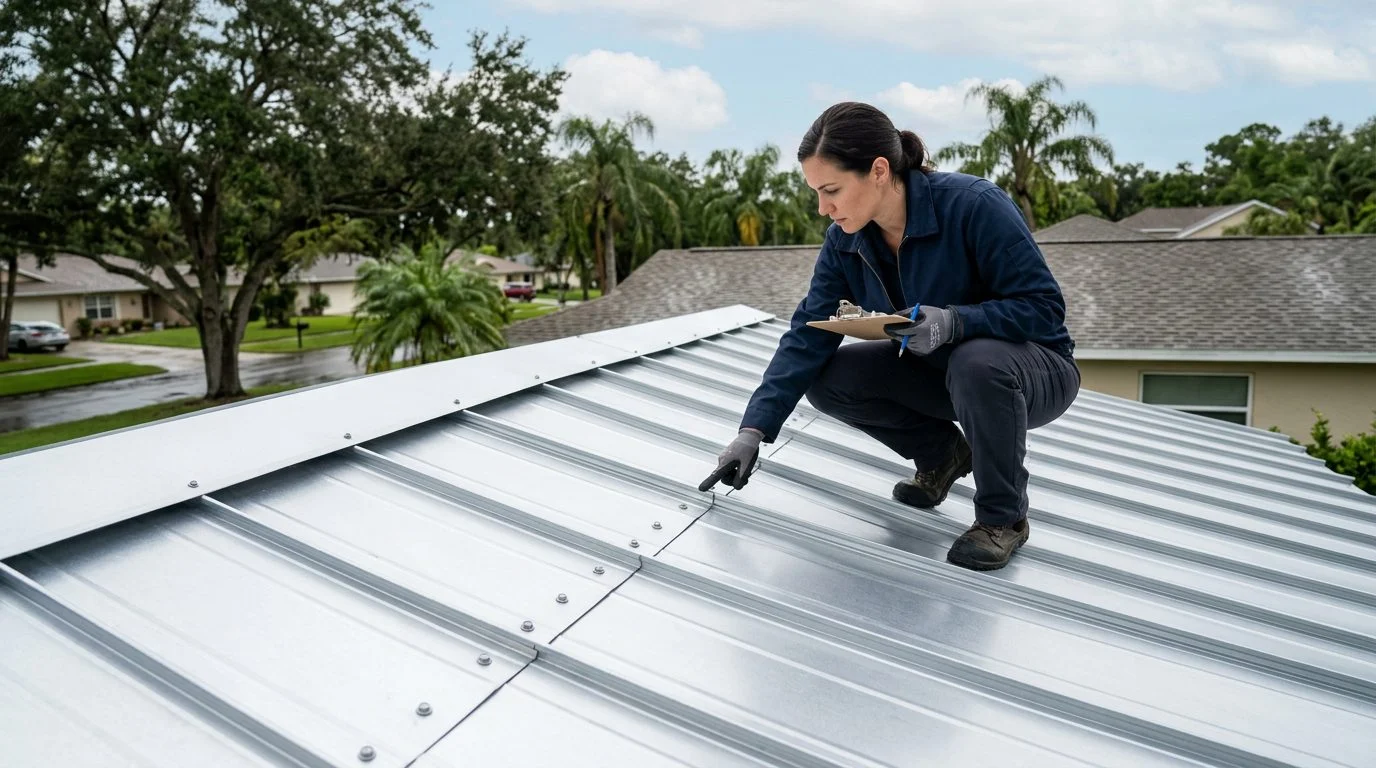
Roofing | South Florida
Got a Roof-Age Non-Renewal Notice? Here's What to Do Next
Learn what a non-renewal notice means, how an inspection fits in, and how roof replacement, metal roofing, and tile roofing can help you respond with clear documentation.
By Jonathan Rodriguez · Published October 27, 2026
Facing an insurance non-renewal over roof age in Florida? A roof replacement with a building permit and final completion records is often the most direct way to answer the concern. Florida law limits how roof age can be used, and a roof’s age is calculated from the last date on which 100 percent of the roof’s surface area was built or replaced in accordance with the building code then in effect, or from the initial date of a partial roof replacement when later partial replacements together resulted in 100 percent of the roof’s surface area being built or replaced. Here is what to check and how to respond.
Roof-Age Letter or Non-Renewal Notice: Which Did You Get?
A roof-age letter asks for information or an inspection. A non-renewal notice says your policy will end on a set future date. Read which one you hold before you act, because each one calls for a different response.
Florida law requires written notice before an insurer non-renews a policy. The notice must state the reason. The statute also sets advance-notice periods and conditions, so compare your dates against Fla. Stat. § 627.4133.
Don’t set a letter aside because it doesn’t use the words “non-renewal.” Read every line. Look for a date, a stated reason, and any request for an inspection. Missed dates are hard to recover from, so act early.
If a non-renewal date is already on your notice, our team can talk through a permitted roof replacement and the records it creates, so you can plan before that date. Talk it through with our team — the first consultation is free, confidential, and carries no obligation.
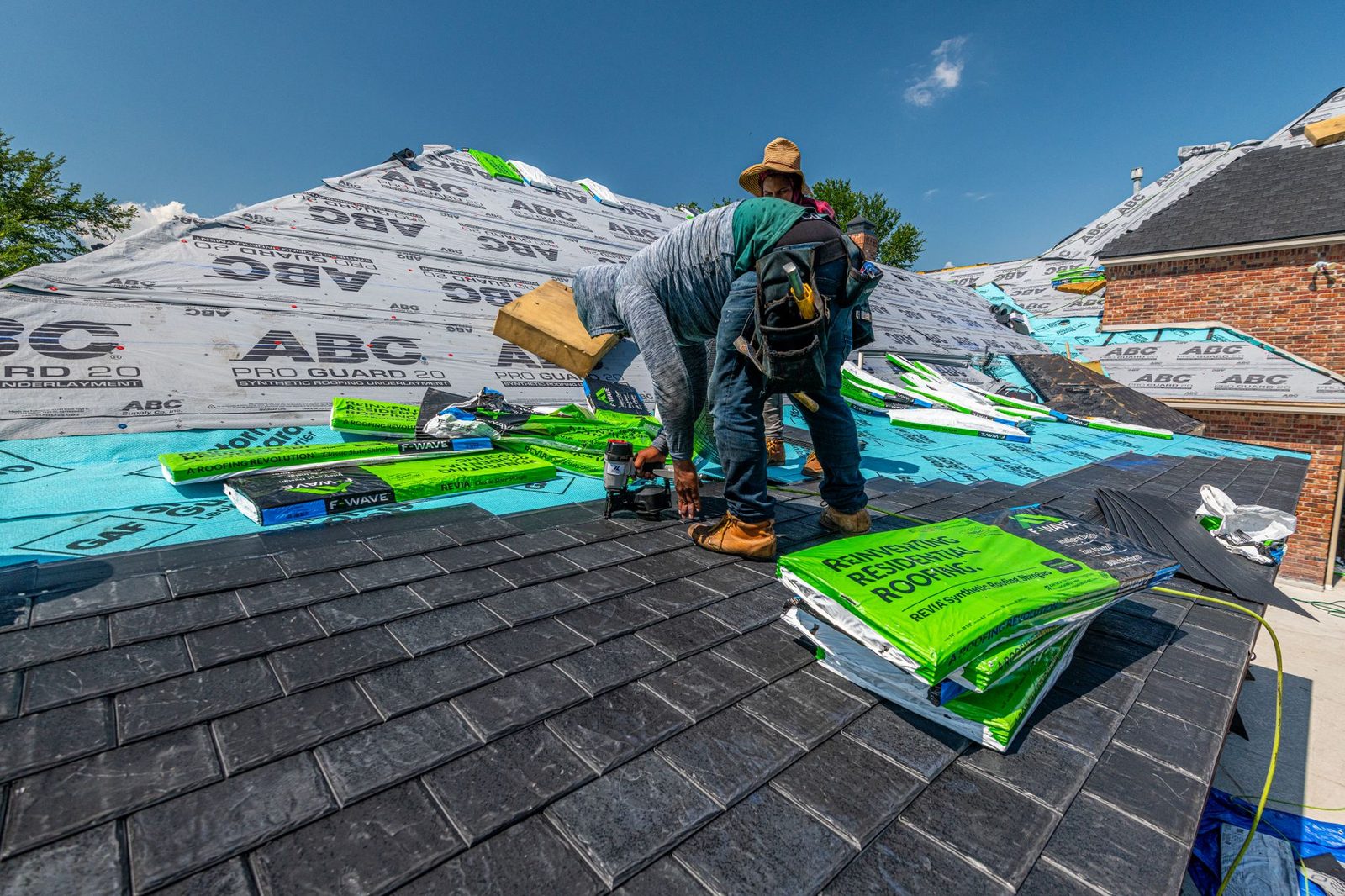
What to Check on the Notice: Dates and the Stated Reason
The three items to check are the notice date, the effective date of the change, and the reason given. Write each one down. Keep the original envelope or email, along with any delivery record.
The stated reason matters most. If the insurer cites roof age, compare that reason with your roof’s actual age and condition. Florida law gives older roofs an inspection path. For a roof at least 15 years old, the insurer must allow the homeowner to have an inspection performed by an authorized inspector, at the homeowner’s expense, before requiring replacement as a condition of issuing or renewing a homeowner’s policy.
The same statute says an insurer may not refuse to issue or renew solely because of roof age if an inspection shows 5 years or more of useful life remaining. Send questions about dates and reasons to your insurer in writing. Keep copies of everything you send.
How Florida Law Treats Roof Age
The main rule sits in Fla. Stat. § 627.7011. Florida law bars an insurer from refusing to issue or renew a homeowner’s policy solely because of roof age when an inspector who meets the statute’s definition finds the roof has 5 years or more of useful life remaining. For a roof aged 15 years or more, the insurer must let the homeowner have that inspection at the homeowner’s expense before requiring replacement (Fla. Stat. § 627.7011).
Coverage also depends on the policy form and the insurer. The Florida Office of Insurance Regulation explains that eligibility and coverage vary by insurer.
Replacement cost has a limit you should know. Under the same statute, a basic replacement-cost settlement does not include costs needed to meet applicable laws and ordinances, but a replacement-cost policy may also include them. Law and ordinance coverage is deemed included, limited to 25 percent of the dwelling limit, unless you reject it in writing. Ask your insurer what your policy pays for code upgrades. Whether a particular roof meets these tests depends on the facts.
Why Carriers Look at Roof Age and Condition
Carriers use roof age as a rough measure because roofing materials wear out over time. Service life varies by material, so age is only a starting point. Visible condition matters too. Look for granule loss on shingles, cracked or lifted tiles, and damaged or loose metal panels.
Installation quality and building code compliance also shape how a roof is judged. A roof built under an older code edition may differ from new work in ways an inspector will note.
Metal roofing has a useful data point. The Insurance Institute for Business & Home Safety has published material on roof cover performance in Southwest Florida during Hurricane Ian. That finding shows material performance, not an insurance result.
How a Permitted Roof Replacement Answers the Carrier
A roof replacement with a permit and a final inspection record is often the most direct way to address a roof-age concern. The permit shows the work was authorized. The final inspection record shows the work was finished.
Florida law makes the permit the starting point. It is unlawful to alter or repair a building without first getting a permit from the enforcing agency (Fla. Stat. § 553.79).
The code edition matters too.
Records worth keeping include the permit number, contractor information, the materials used, the installation date, and inspection results. If your insurer asks about wind features, a uniform mitigation verification form may be part of the file. The Florida Office of Insurance Regulation notes that homeowners can use an official form to seek wind-mitigation premium discounts.
Who Pulls the Roof Permit, and What the Insurer Reviews
Roof permits come from the local enforcing agency for the property. The permit record documents the work. The name on the application matters less.
Questions about your policy belong with your insurer. The Florida Department of Financial Services publishes these contractor rules.
Not sure what your next step is?
Talk it through with our team — the first consultation is free, confidential, and carries no obligation.
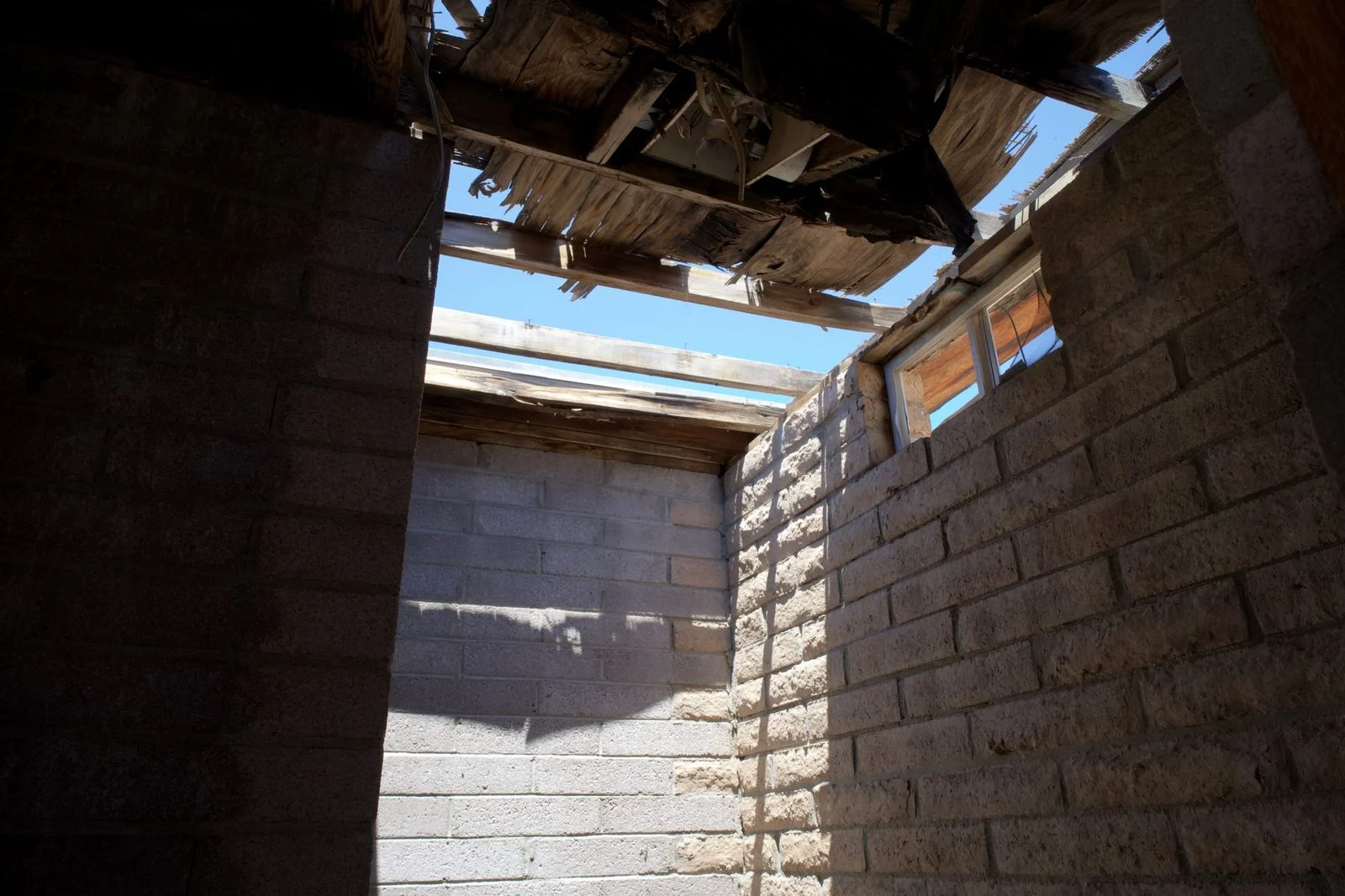
Repair, Replacement, or Metal: Which Fits Your Roof?
Repair or replacement turns on the roof’s condition and the concern your carrier stated. A small, isolated repair may fix a visible problem. Widespread wear points more toward replacement.
A new roof over an old one is another option. A qualified contractor can evaluate whether that suits a given property.
Metal roofing may come up in insurance talks in Florida. Ask your insurer directly whether a metal roof qualifies for any discount. Don’t assume one applies.
How old can a roof be in Florida for insurance?
Florida’s roof-age rule turns on inspection results.
Does a roof replacement stop a non-renewal?
A permitted replacement with completion records is often the most direct way to answer a roof-age concern. Your insurer still makes its own decision on the policy.
Can a metal roof lower my premium?
Ask your insurer directly whether metal roofing qualifies for a discount. Each carrier sets its own rules.
If a non-renewal date is already on your notice, you may be weighing a roof replacement against the calendar. Our team can walk you through the permit, inspection, and records for that job. Reach out to our team for a free first consultation that is confidential and comes with no obligation to continue.
How We Help South Florida Homeowners Respond
Clear Documentation
We can help you gather the paperwork that shows your roof's condition and any work completed, so you have something concrete to share with your insurer.
Inspection-Focused Review
Our team looks at your roof's age, condition, and remaining life so you understand where it stands before you make a decision.
Impact-Rated Upgrades
Impact windows, impact doors, and durable roofing materials are options many homeowners consider when addressing wind-related concerns in Florida.
Coordinated Support
Our team works with you from the first conversation through installation, so you have one point of contact for your roofing project.
Don't Wait Until the Notice Arrives
A roof inspection and written estimate take time to schedule. Reviewing your roof's condition early gives you more options and more time to plan, whatever your insurer decides.
Common Roofing Paths Homeowners Consider
Roof Replacement
A full replacement with permitted work and completion records is often the most direct way to show a current roof. Your insurer still makes its own decision on your policy.
Metal Roofing
Metal roofs are a durable option for South Florida homes. We can talk through installation, materials, and how the work would be documented.
Tile Roofing
Tile roofing suits many Florida homes and can be paired with a documented inspection and replacement plan for your records.
Roof Repair
If your roof is in good condition apart from specific issues, targeted repairs with written inspection notes may help document its current state.


