


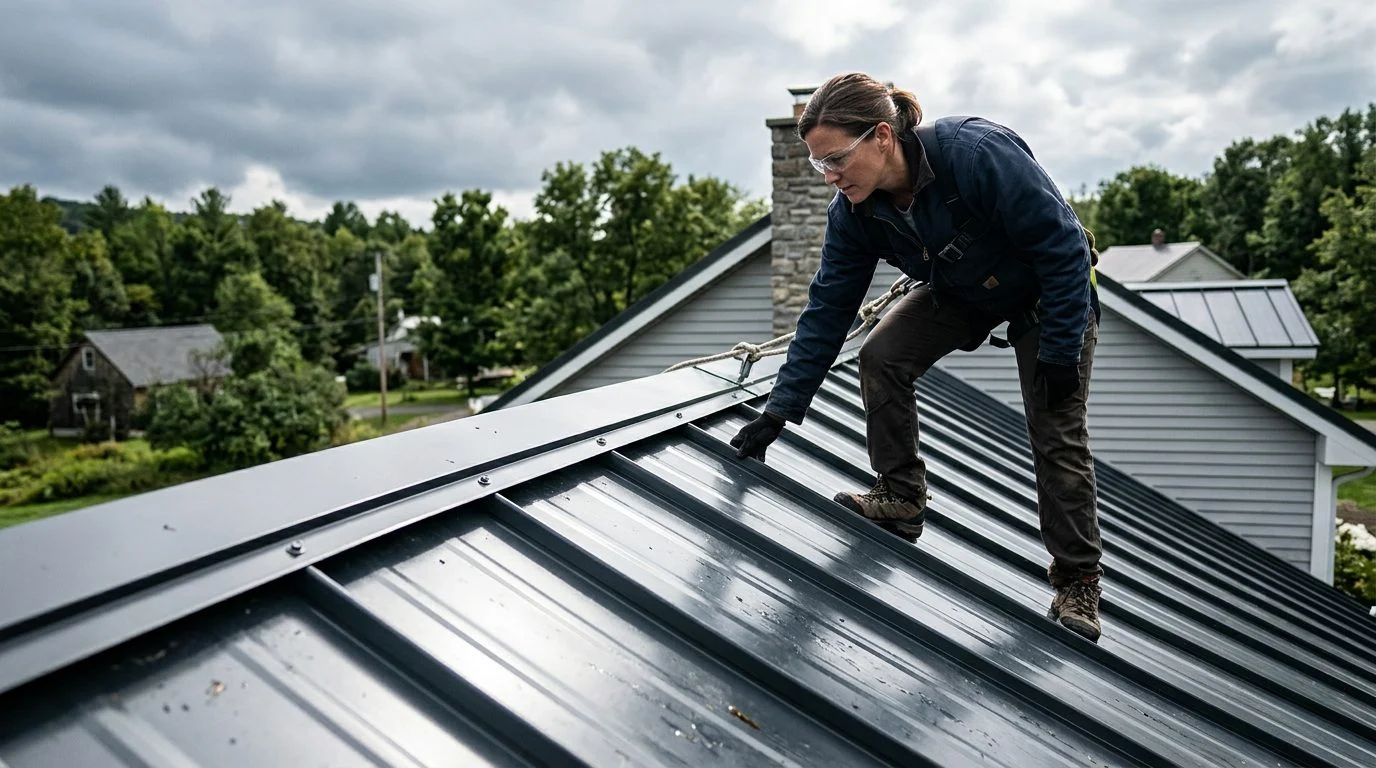
Metal Roofing | South Florida Homeowners
Does a Metal Roof Raise Your Home Insurance? Here's What to Know
Insurance premiums depend on more than the roofing material. Learn which factors matter most for your home and how to plan your next step.
By Jonathan Rodriguez · Published November 3, 2026
Is house insurance more expensive with a metal roof? Not automatically. A metal roof can raise, lower, or leave your premium unchanged, depending on your insurer and your policy. This guide explains the factors insurers commonly weigh, so homeowners in Miami, Fort Lauderdale, West Palm Beach, Kendall, Naples, Fort Myers, and Boca Raton know what to ask.
The short answer: a metal roof can move your premium either way
A metal roof can push your premium up, down, or not at all. Insurers don’t price a roof by its material alone. Each company uses its own rating model, so two carriers can treat the same metal roof differently.
Florida law does require insurers to recognize some wind-resistant features. Fla. Stat. § 627.0629 says the Legislature intends insurers to give savings to homeowners who install windstorm mitigation features. It also says rate filings for residential property insurance must include actuarially reasonable discounts for features that enhance roof covering performance, among others.
That gives you a basis to ask about credits. It does not guarantee a credit for a metal roof. This page covers the factors insurers commonly weigh. It does not predict the price on your policy.
If you're weighing a roof decision for your own home or a property you manage, our team can talk it through with you. Talk it through with our team — the first consultation is free, confidential, and carries no obligation.
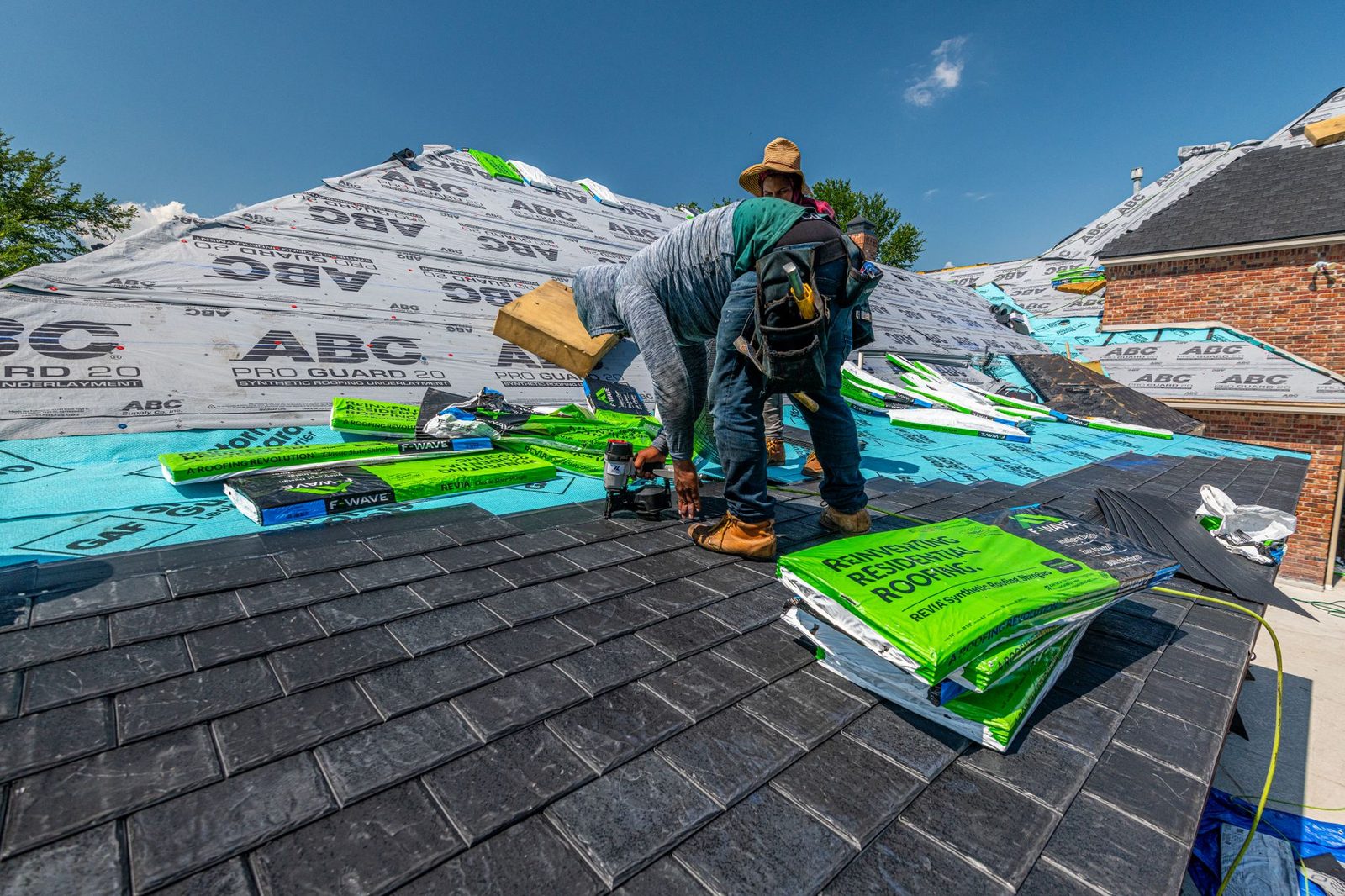
What insurers look at when they price a roof
Insurers mainly look at roof age, roof condition, wind performance, and the cost to rebuild your home. Each one can affect your rate or the coverage you need.
Florida has specific rules for older roofs. Florida law gives a homeowner with a roof at least 15 years old the right to have an authorized inspector examine the roof, at the homeowner’s expense, before an insurer can make roof replacement a condition of issuing or renewing a policy. An insurer may not refuse to issue or refuse to renew a homeowner’s policy insuring a residential structure with a roof that is less than 15 years old solely because of the age of the roof.
Replacement cost is the next factor. The same statute describes replacement cost coverage as paying to repair or replace the dwelling. The basic replacement cost coverage does not include the cost of meeting applicable laws and ordinances regulating the construction, use, or repair of any property; a separate offered option can include those costs, with the additional costs limited to 25 percent or 50 percent of the dwelling limit, as selected by the policyholder, and that coverage applies only to repairs of the damaged portion of the structure unless the total damage to the structure exceeds 50 percent of the replacement cost of the structure.
Wind mitigation credits run through a standard form. Wind mitigation discounts rely on a standard verification form. For the full overview of replacing a roof, see our roof replacement guide.
Why metal roofs are often viewed differently in wind-prone South Florida
Metal roofing is often viewed favorably for wind performance when it is installed to the applicable building code.
The Building America Solution Center says properly selected and installed metal roofs can last 50 years or more. It also says they should meet wind-uplift and attachment standards. See Building America Solution Center metal roofs.
Insurers must also describe their mitigation discounts online. Under § 627.0629, that duty applies from October 1, 2023. Ask your insurer which discounts apply to your roof. Credits and surcharges follow the rating rules, not the roof’s installed price.
What can offset the effect or push premiums up
A higher rebuild cost can offset a roofing credit. Metal panels and specialized labor can raise replacement cost, which can raise the dwelling limit you need. The rest of the home matters too. Roof age, prior claims, and the age of the home can outweigh the material in some ratings.
Check your coverage limits before work starts. Under Fla. Stat. § 627.7011, unless you refuse it in writing, a policy is deemed to include law and ordinance coverage. That coverage is limited to 25 percent of the dwelling limit. Fla. Stat. § 627.7011 reads: “However, additional costs necessary to meet applicable laws and ordinances may be limited to 25 percent or 50 percent of the dwelling limit, as selected by the policyholder, and such coverage applies only to repairs of the damaged portion of the structure unless the total damage to the structure exceeds 50 percent of the replacement cost of the structure.” Code upgrades can add cost, so confirm that limit.
Permitted, inspected work is easier to document. See our Broward County roof permit guide. If you plan solar, read roof replacement before solar panels first.
What a metal roof is and how it is installed
A metal roof is a roof covering made from steel or aluminum panels or metal shingles. The panels fasten to the roof deck over an underlayment.
Standing seam roofs use long panels with raised seams that lock together. Metal shingles copy the look of tile or asphalt shingles while using metal. Panel profile, fastening pattern, and underlayment all affect how the roof handles wind. Those details also become part of the installation record.
Compared with tile, metal is generally lighter, so it puts less weight on the structure. Tile is heavier and needs structural planning. Asphalt shingles usually cost less upfront than metal. Our team offers both metal roofing and tile roofing, so we can explain the tradeoffs for your home.
Roof age, repair versus replacement, and your options
Repair fits localized damage, while replacement often fits when the roof’s age or condition is the central issue. An inspection shows which one applies to your home.
Under Fla. Stat. § 627.7011, for a dwelling insured on the basis of replacement costs, an insurer must initially pay at least the actual cash value of the insured loss, less any applicable deductible. It then pays the remaining amounts necessary to perform repairs as work is performed and expenses are incurred. If a roof deductible under § 627.701(10) is applied to the loss, the insurer may limit the roof payment to the actual cash value of the roof loss until it receives reasonable proof that the policyholder has paid that deductible. Actual cash value accounts for age, so an older roof can mean a smaller first payment. For more, read actual cash value of a 20-year-old roof.
A common mistake is waiting until a roof leaks to check coverage. Ask your insurer how it rates your roof before you choose a material. Cost depends on size, panel type, pitch, and access. A free estimate gives a figure for your specific home.
Not sure what your next step is?
Talk it through with our team — the first consultation is free, confidential, and carries no obligation.
Talk with our team about your roof
Some readers are dealing with storm damage, an aging roof, or a renewal notice they didn’t expect. Others are deciding for a parent or for a rental property they manage. You don’t have to sort out the insurance question alone.
Is house insurance more expensive with a metal roof?
Not automatically. The premium depends on your insurer’s rating rules, your roof’s age and condition, and your coverage limits.
Do metal roofs lower insurance premiums in Florida?
They can, if your insurer gives a mitigation credit that applies to your roof. Florida law requires qualifying discounts in rate filings but does not promise a specific credit.
Our first consultation is free, confidential, and comes with no obligation to continue. To talk through your roof, request a free estimate from our team.
What Shapes Your Premium
Insurer rating rules
Each insurance company sets its own rating rules, so the same roof can affect premiums differently from one carrier to another.
Roof age and condition
A newer, well-maintained metal roof is often viewed differently than an older roof that shows wear.
Coverage limits
The amount of coverage you choose, along with your deductible, has a direct effect on what you pay each year.
Mitigation features
Roofing and window upgrades that strengthen a home against wind can sometimes be reflected in how an insurer prices a policy.
Don't Assume the Answer
A metal roof does not automatically raise or lower your premium. Ask your insurer how your specific roof, age, and coverage limits are rated before you make decisions based on price.
Questions to Bring to Your Insurance Provider
Does my roof qualify for a credit?
Ask whether your current roofing material, installation date, and roof condition are part of the rating for your policy.
How do my coverage limits compare?
Review your dwelling coverage, deductible, and roof-related terms so you understand what each option costs and covers.
What documentation do you need?
Keep your roofing contract, permits, and installation records ready so your insurer can review the details of your home.


