


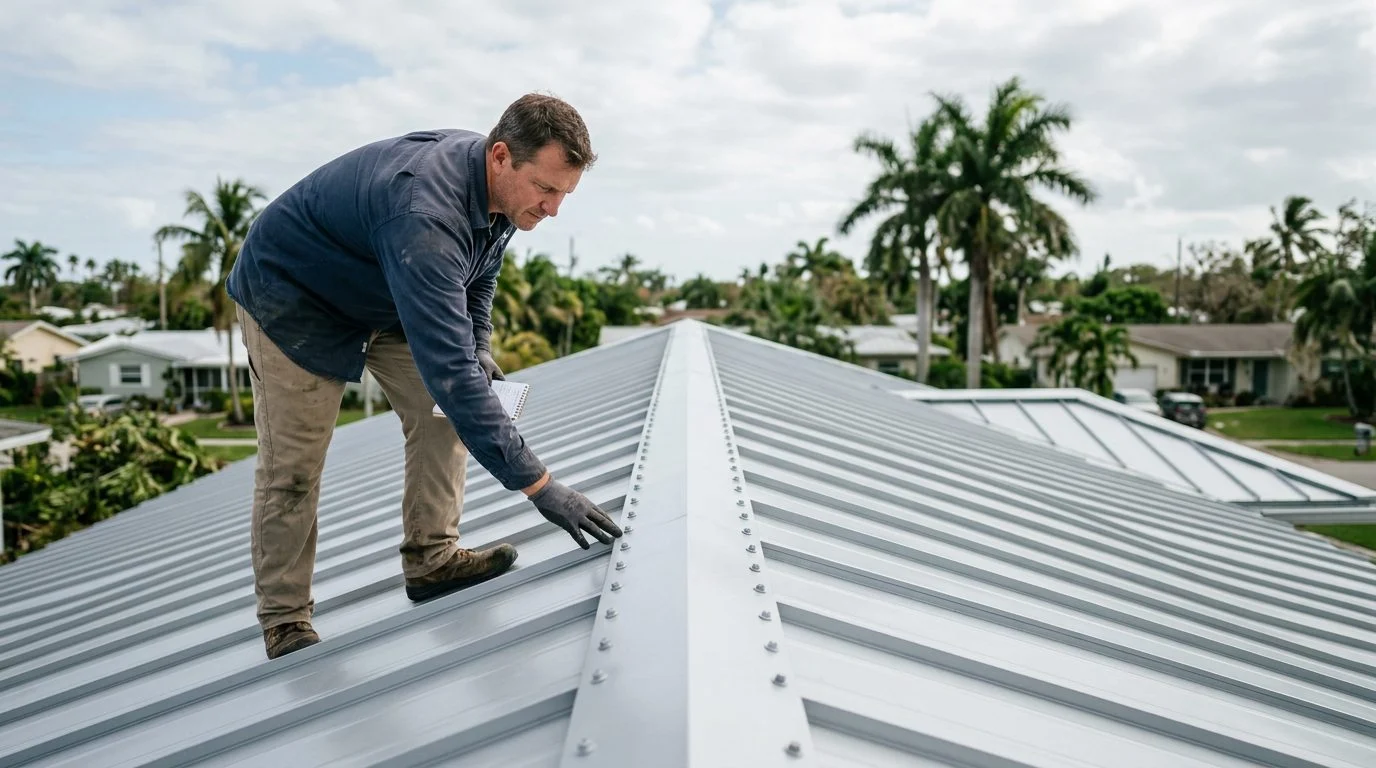
Roof Repair & Roof Replacement | South Florida
Patch or Replace? Get Clear Answers for Your South Florida Roof
Leaks, lifted shingles, and storm damage raise a hard question: fix it or start over. Learn how to tell the difference, then book a free consultation with ASP Superhome.
What Shapes the Decision
The cause of the damage
A single failed flashing or a cracked tile is a different problem from widespread granule loss or aging underlayment. The cause points you toward the right fix.
The age and material of the roof
Metal, concrete tile, and shingle roofs age differently in South Florida's heat, humidity, and salt air. The material affects what a repair can realistically accomplish.
How far the damage has spread
One localized area may be repairable. Soft decking, repeated leaks in several rooms, or damage across large sections usually calls for a broader conversation.
The quality of the work
A repair is only as sound as the workmanship and materials behind it. Whether you patch or replace, the installation details matter.
Don't Let a Small Leak Sit
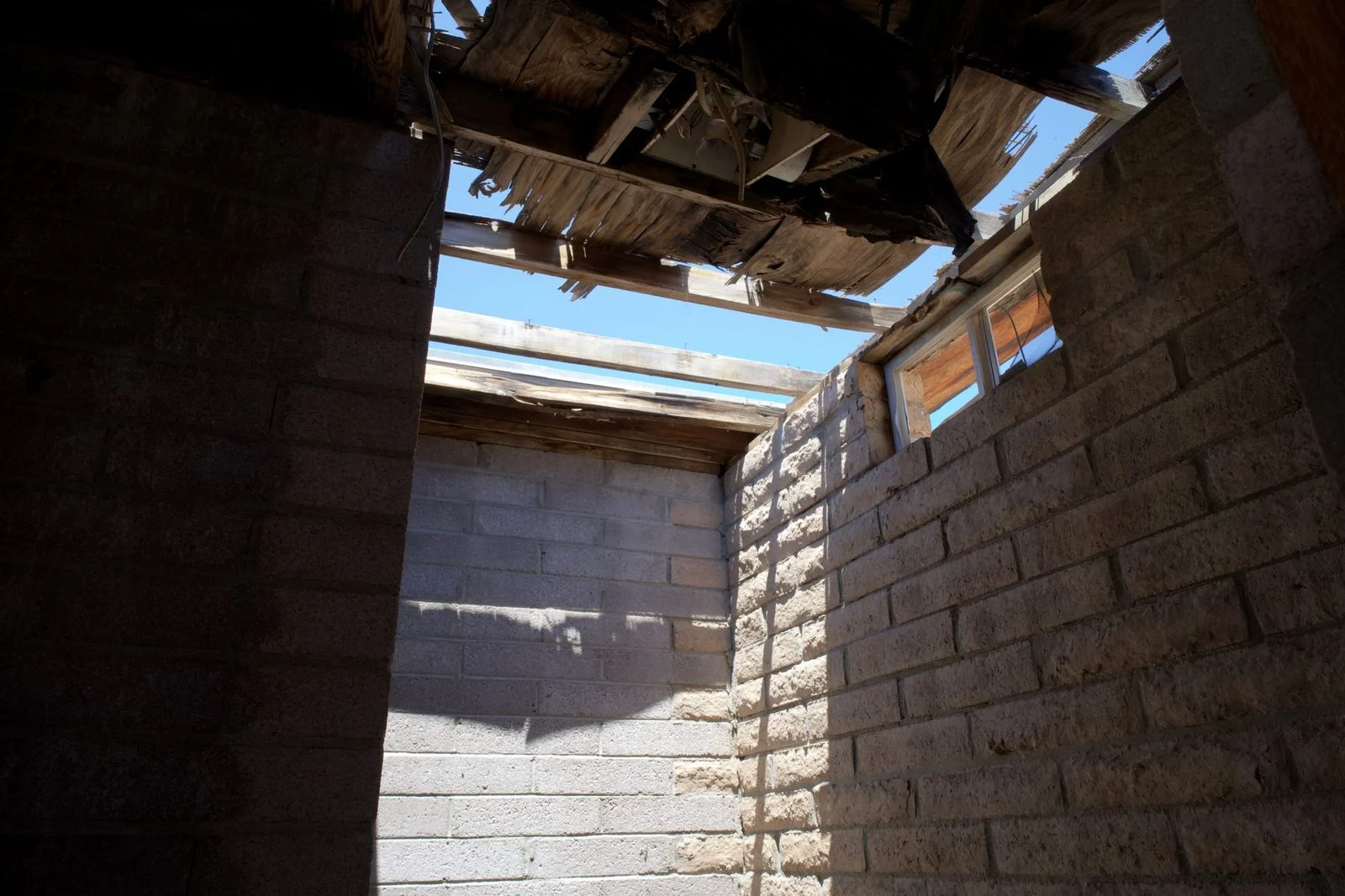
Water that gets under your roofing can damage insulation, drywall, and framing before it shows on your ceiling. Inspect after major storms and have any active leak looked at promptly.
By Jonathan Rodriguez · Published October 20, 2026
Short answer: when a patch is enough and when replacement makes more sense
Is it better to patch a roof or replace it? A patch is often enough when the roof is sound overall and the damage is small and easy to trace. Replacement becomes the better comparison when damage is widespread, keeps coming back, or the roof is near the end of its service life.
Three factors decide which side you’re on: roof age, the size of the damaged area, and the type of damage. This guide walks through each one. It also explains what a repair and a replacement each involve, and what a cost figure does and doesn’t show.
If you’re looking into this for a parent, a tenant, or a property you manage, you’re not alone in that. You don’t need to decide today. You need a clear picture first. For the full overview of our roof repair and replacement work, see the roof replacement guide.
If a stain or lifted tiles after a storm has you deciding whether to patch or replace, we're glad to talk through your roof with you. Talk it through with our team — the first consultation is free, confidential, and carries no obligation.
Start with the age of the roof
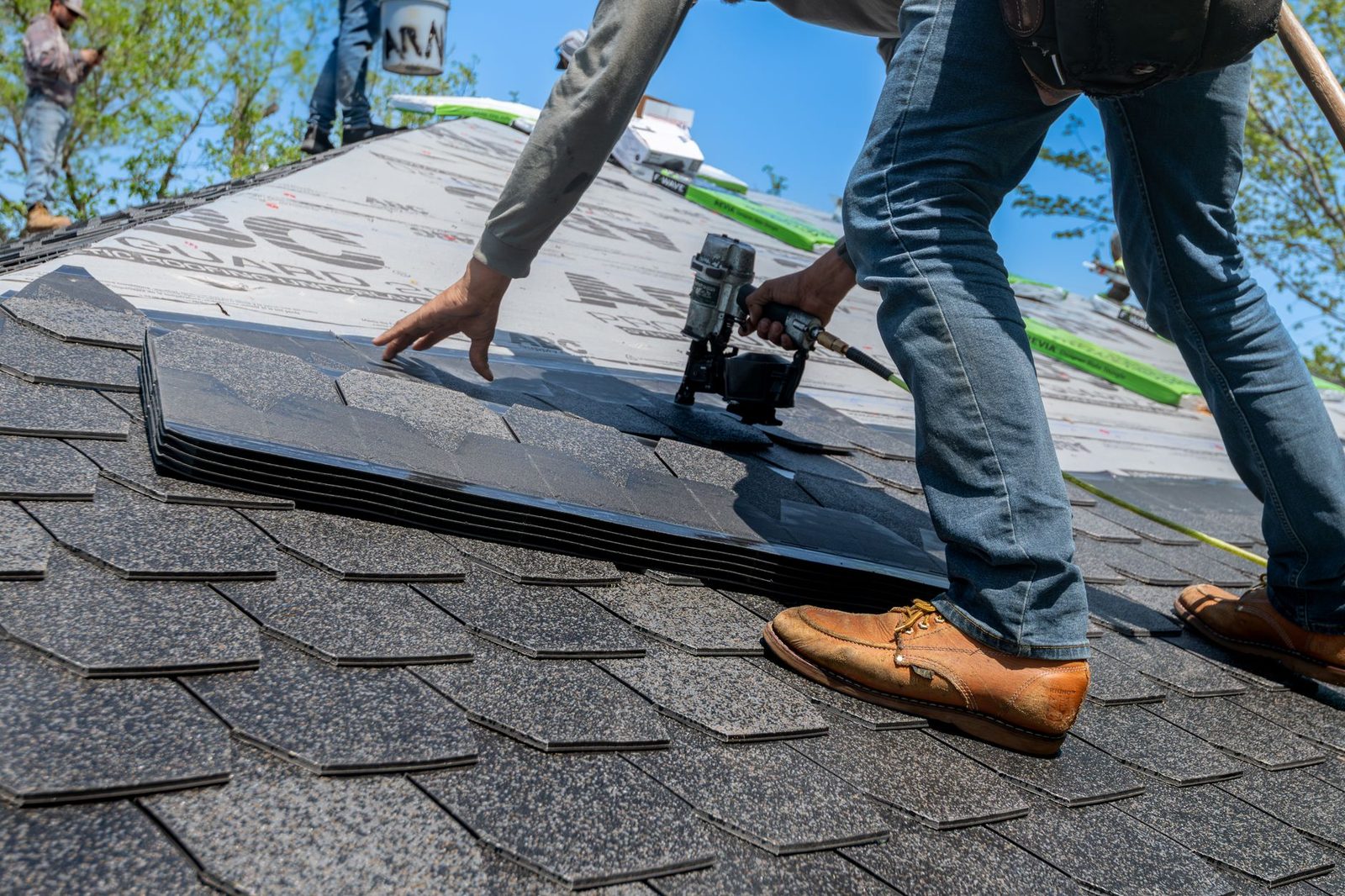
Roof age matters because a patch doesn’t reset the clock. Every roofing material has a limited service life. A repair on an older roof buys less time than the same repair on a younger one.
To find the install date, check permit records, closing paperwork from a home purchase, or ask the previous owner. Write down what was installed and when, even if the year is approximate. That one fact shapes the rest of your decision.
Age alone doesn’t settle the question. A well-kept older roof with one leak at a flashing joint may still be a repair case. A newer roof hit hard by wind may need more than a patch.
Measure how large the damaged area is
A small, isolated problem is usually a patch conversation. Examples include a few cracked tiles, one lifted metal panel, or a single leak point around a vent. The damage is visible and easy to bound.
Damage spread across many sections points toward replacement. So do leaks that show up in new spots after each rain. Each new leak suggests the roof may be failing in more than one place.
Check inside the home too. New ceiling stains, damp attic insulation, or soft spots in the ceiling can mean water has traveled past the area you can see. A roofing inspection measures how far the damage reaches. That keeps the decision tied to what’s actually there, not to how the roof looks from the street.
Storm damage adds a timing question. Under Fla. Stat. § 627.70132, a claim or reopened claim (but not a supplemental claim) under a property insurance policy is barred unless notice was given to the insurer within 1 year after the date of loss, in line with the policy terms. That time limit is tolled during any term of deployment to a combat zone or combat support posting that materially affects a servicemember named insured’s ability to file. A supplemental claim is barred unless notice was given within 18 months. For claims resulting from hurricanes, the date of loss is the date the storm made landfall; for tornadoes, windstorms, severe rain, or other weather-related events, the date of loss is the date NOAA verifies the event. Keep dates and photos from the storm.
Identify the type of damage
Tile and metal roofs fail in different ways. The repair math changes with the material.
On tile roofs, watch for cracked or displaced tiles, loose underlayment beneath them, and flashing that has pulled away around chimneys, vents, and walls. One broken tile is a simple fix. Flashing that has lifted at several points signals a bigger problem.
On metal roofs, look for lifted panels, fasteners that have backed out, scratches or coating loss, and separated seams. Coating loss matters because it leaves the metal more exposed to weather over time.
South Florida storms add another layer. Wind can loosen roofing in ways that look minor from the ground but reach under the surface. Damage with one clear cause, such as a single flashing failure, is more often suited to repair. Damage that keeps reappearing from the same source points to a larger problem.
The material matters in storms, too. According to the IBHS Hurricane Ian roof assessment, metal systems held up well in winds below 130 mph in Southwest Florida. That is useful context when comparing metal and tile in storm-prone areas like Naples and Fort Myers.
When a roof repair makes sense: pros and cons
Roof repair makes sense when the problem is specific and identified, and the rest of the roof is in fair shape. Repairs usually cost less up front, finish faster, and disrupt the home less.
The downsides are real. A repair doesn’t change the roof’s age. On an aging roof, a patch can be a short-term fix, and repeated patches add up. Keep a record of each one.
Signs a repair fits include a roof that is relatively young for its material, a localized leak, decking and underlayment that look sound when the area is opened, and no widespread wear.
Here’s what a patch can and can’t do. It can stop water at a specific leak point. It can’t restore a roof with broad material fatigue. How long a patch holds turns on what caused the damage and how well the work was done. There’s no fixed lifespan to promise. A written scope shows exactly what the repair covers, so you know what you’re paying for.
When roof replacement makes sense: pros and cons
Roof replacement makes sense when damage is spread across the roof, leaks keep returning, or the roof is near the end of its service life. A new roof addresses the whole system, including underlayment, decking condition, and flashing. It also resets the roof’s age.
The cons are real, too. Replacement costs more up front, runs as a larger project, and needs planning around the disruption.
Delay has a hidden cost. Repeated leaks can reach decking, insulation, and interior finishes. Those repairs cost more than the roof patch. The bill can grow while the roof keeps getting patched without a fix to its condition.
Permits and code rules apply. The City of Miami roofing permit page notes that its first building-permit review cycle may take up to 14 business days.
A large repair can also trigger code upgrades.
ASP Superhome offers roof replacement and roof repair for both tile and metal roofs. The right choice comes after the roof has been evaluated.
Not sure what your next step is?
Talk it through with our team — the first consultation is free, confidential, and carries no obligation.
Why roof costs vary: what a cost figure includes
Roof cost depends on several things. These include roof size, material, pitch (how steep the roof is), access, tear-off of old material, underlayment and decking work, permits, and the scope of work. A single headline number can hide very different work.
Review that your written estimate clearly lists the work included. Note which items are repairs and which are replacement work. Check whether tear-off, underlayment, flashing, decking repair, and permits are included. Confirm whether tear-off, the removal of old roofing material, is included in your written estimate.
For local project context, see roof replacement in Miami.
Questions people ask about patching and maintenance
Roofs should be checked after major storms and on a routine schedule. Quick attention keeps small problems small.
How often should you fix your roof?
Check your roof after major storms and on a regular schedule. Small issues found early are usually simpler to address than large ones found late.
How long does a patch last on a roof?
The answer turns on the cause of the damage, the material, and the quality of the work. Treat a patch as a fix for one specific problem, not a guarantee.
Is it better to patch a roof or replace it?
Neither option wins every time. A patch suits a small, traceable problem on an otherwise sound roof. Replacement suits widespread damage, repeated leaks, or an aging roof.
For how tile and metal roofs handle South Florida weather, read what roof type fits Florida weather. That context affects long-term repair decisions.
Next step: talk through your roof with our team
Maybe a stain appeared after the last storm. Maybe tiles slid off during a windy night. Maybe a leak over a bedroom has you deciding whether to patch before the next rain. If you’re handling this for a parent or a tenant, that adds another layer of worry.
Our team can look at the actual damage and explain your options in plain terms. Your first consultation is free, confidential, and comes with no obligation to continue (Spanish: ‘consulta inicial gratuita, confidencial y sin compromiso’). When you’re ready, book your estimate with ASP Superhome.
Signs It May Be Time to Patch
Isolated damage
A few missing or cracked tiles, a lifted section of metal panel, or one leaking vent boot often suits a targeted repair.
Recent, storm-related issues
After a storm, a focused repair can restore protection quickly when the rest of the roof is sound.
Good overall condition
If the roof is structurally sound and its surface is in good shape, a repair may address the problem without a full tear-off.
Signs It May Be Time to Replace
Widespread wear
Curling, cracking, or granule loss across much of the roof means repairs will keep appearing in new places.
Soft or damaged decking
Sagging, soft spots, or rot underneath the surface suggest the structure needs attention, not just the covering.
Repeated leaks
When leaks keep returning in different rooms, the underlying system may be failing across the roof.


