


Roof Replacement Guide | South Florida
Is It Easy to Replace a Roof?
Rarely simple. The pitch of your roof, the condition of the decking, and the materials you choose all shape how much work a replacement takes.
By Jonathan Rodriguez · Published October 22, 2026
Is it easy to replace a roof? Rarely. It’s skilled, physical work, and how hard it is depends on the house. Roof pitch, old layers, the condition of the decking, site access, and the material you choose all change the job. Here’s what makes a South Florida roof replacement simpler or harder, and what the process looks like from start to finish.
The Short Answer: Why Roof Replacement Is Rarely Simple
Replacing a roof means taking off or covering the old roofing, repairing what lies beneath, and installing a new weather barrier and roofing system. All of this happens high off the ground, often under the Florida sun. The same job can be straightforward on one house and complex on the next. A crew needs the right tools, fall protection, and training to work safely and correctly.
Many homeowners expect the tear-off to be the hard part. Often, though, the condition hidden under the old roof sets the timeline. Think of a roof replacement as a project with stages, not a one-day task. For the full picture, read our roof replacement guide.
If a leak or storm damage has you weighing your options, our team can talk through your roof with you. Talk it through with our team — the first consultation is free, confidential, and carries no obligation.
Factors That Make a Roof Replacement Easier or Harder
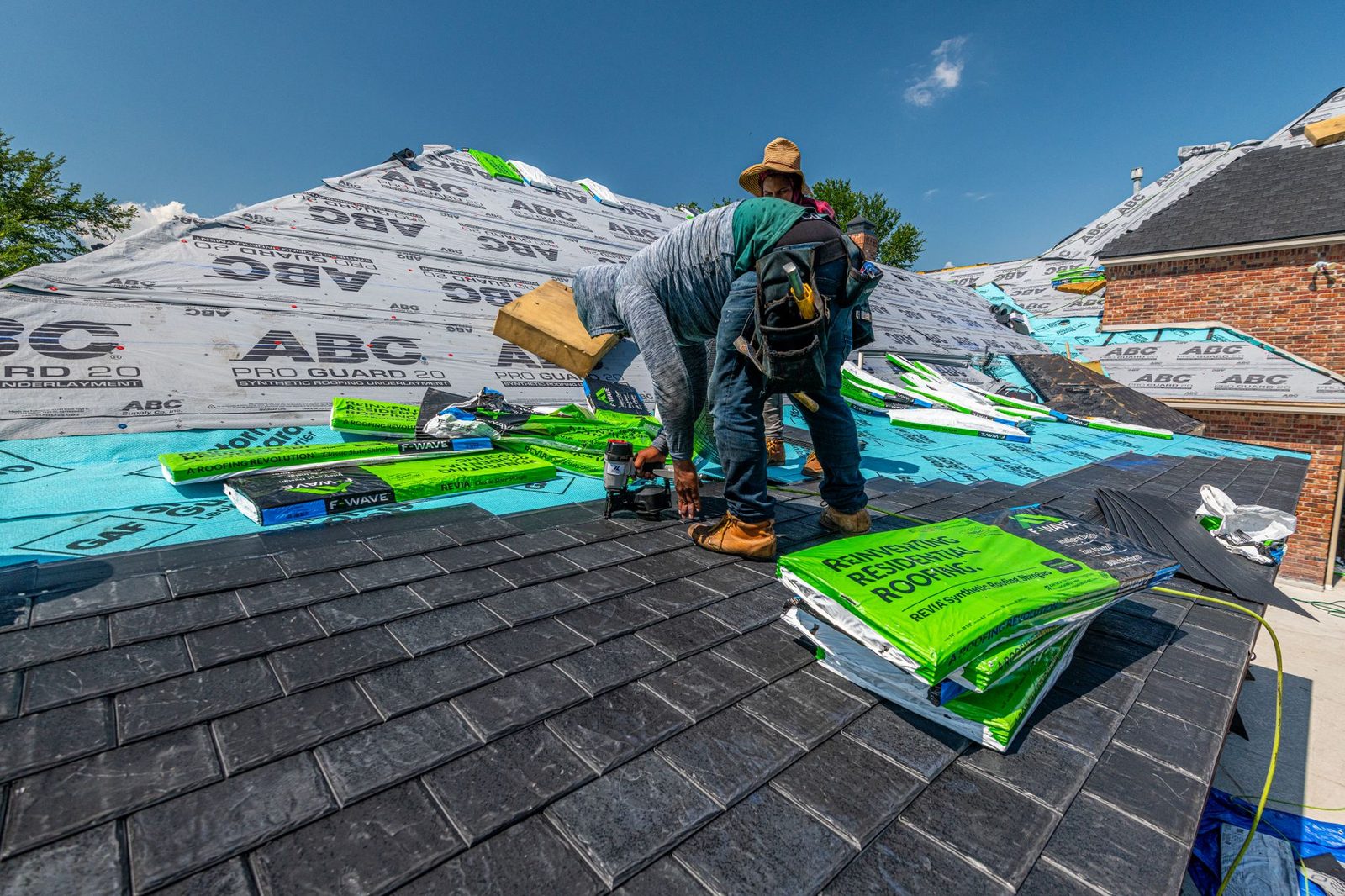
The biggest factors are pitch, the number of old layers, the condition of the decking, the roof’s shape, site access, and the material chosen.
- Pitch and slope: Steeper roofs need more safety equipment and slower work. Low-slope sections need different materials and underlayment.
- Number of layers: Removing one layer is usually less work than removing several. Old layers can also hide damage you can’t see from the ground.
- Decking condition: Rotted or water-damaged sheathing, also called roof decking, must be repaired before new roofing goes on. That adds time and cost.
- Penetrations: Vents, chimneys, skylights, and flashing each add detail work around the edges and openings.
- Access: Room for a dumpster, space in the driveway, and nearby power lines or landscaping all affect how the crew works.
The General Steps of a Roof Replacement
A roof replacement follows a set order: inspect, permit, tear off, repair the deck, install the barrier and flashing, then roof and clean up.
- Inspection: The crew checks the roof, decking, attic, and flashing to set the scope of work.
- Permitting: Florida’s building permit rules generally apply to repair work, unless otherwise provided by law, as Fla. Stat. § 553.79 states. Permit requirements for roofing projects can vary by municipality, and the City of Miami permit catalog is one place to see the roofing permit information the city publishes. Build that into your timeline.
- Protection and tear-off: The crew covers landscaping and surfaces, then removes the old roofing down to the deck.
- Deck repair: Damaged sheathing is replaced, and the surface is checked for soundness.
- Underlayment and flashing: The weather barrier goes down, and flashing seals edges, valleys, and penetrations.
- New roofing and cleanup: The new system goes on, followed by a magnetic sweep for nails and a final inspection where required.
How Tile and Metal Roofing Change the Work
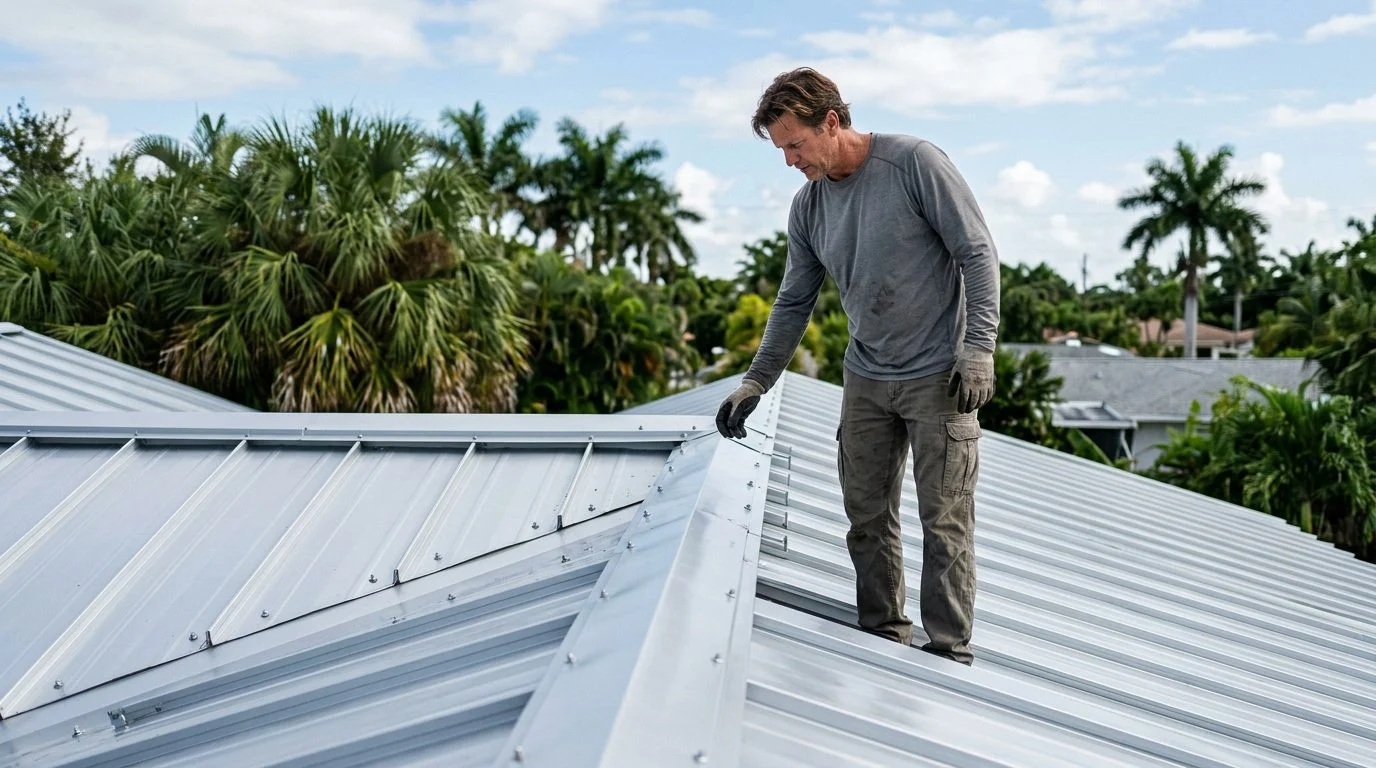
Tile is heavy, and metal is light, so each material changes the job in different ways. Tile removal is labor-intensive. The structure must be evaluated to confirm it can carry the chosen tile. Metal avoids much of that weight concern, but it needs careful work. Panels must line up, fasteners must be placed correctly, and trim depends on the profile you pick.
Wind performance matters in Florida too. The Insurance Institute for Business & Home Safety examined roof covers in its Hurricane Ian roof cover assessment. For a broader look at newer options, see what is the newest type of roofing. For lifespan in Florida conditions, see how long a metal roof typically lasts in Florida.
Florida-Specific Considerations for Roof Replacement
Florida adds wind, heat, humidity, and permit rules to every roof job.
Local rules add steps too. Under Fla. Stat. § 553.842, products or systems of construction requiring approval must be approved by one of the methods the statute establishes before they are used in construction in Florida. A statewide approval issued by the Florida Building Commission precludes local jurisdictions from requiring further testing, evaluation, or submission of other evidence as a condition of using the product, as long as it is used consistent with the conditions of its approval.
Planning for a Roof Replacement and Taking the Next Step
Before any estimate, write down the roof’s age, any leaks or stains, any storm damage, and any prior repair records. Scope comes before cost. Once the scope is clear, the price is easier to compare. For a general overview of cost factors, see how much it roughly costs to replace a roof.
Is it easy to replace a roof?
Rarely. It is skilled work, and the house, its pitch, and its decking decide how hard it is.
Do you need a permit to replace a roof in Florida?
Yes. Florida law generally requires a permit before repair work on a building begins, unless otherwise provided by law.
Permit timing
Is a metal roof easier to install than tile?
Metal is lighter, so the structural check is often simpler. Its panels and trim still need careful work.
If a leak or a storm has you weighing your options, you don’t have to sort through the roof alone. Our team offers a free first consultation that is confidential and carries no obligation. Contact ASP Superhome to talk through your roof.
What Makes a Roof Replacement Easier or Harder
Roof pitch and layout
Steep pitches, multiple valleys, and complex rooflines require more labor, more safety equipment, and more careful flashing.
Decking condition
Rotted or water-damaged decking must be repaired or replaced before new roofing goes on, which adds time and cost.
Material choice
Metal, tile, and other roofing systems each have different weight, fastening, and installation requirements.
Permits and inspections
In Florida, roof replacement generally requires a permit. Requirements vary by county and municipality, and our team can explain what applies to your project.
Watch Out for Hidden Damage
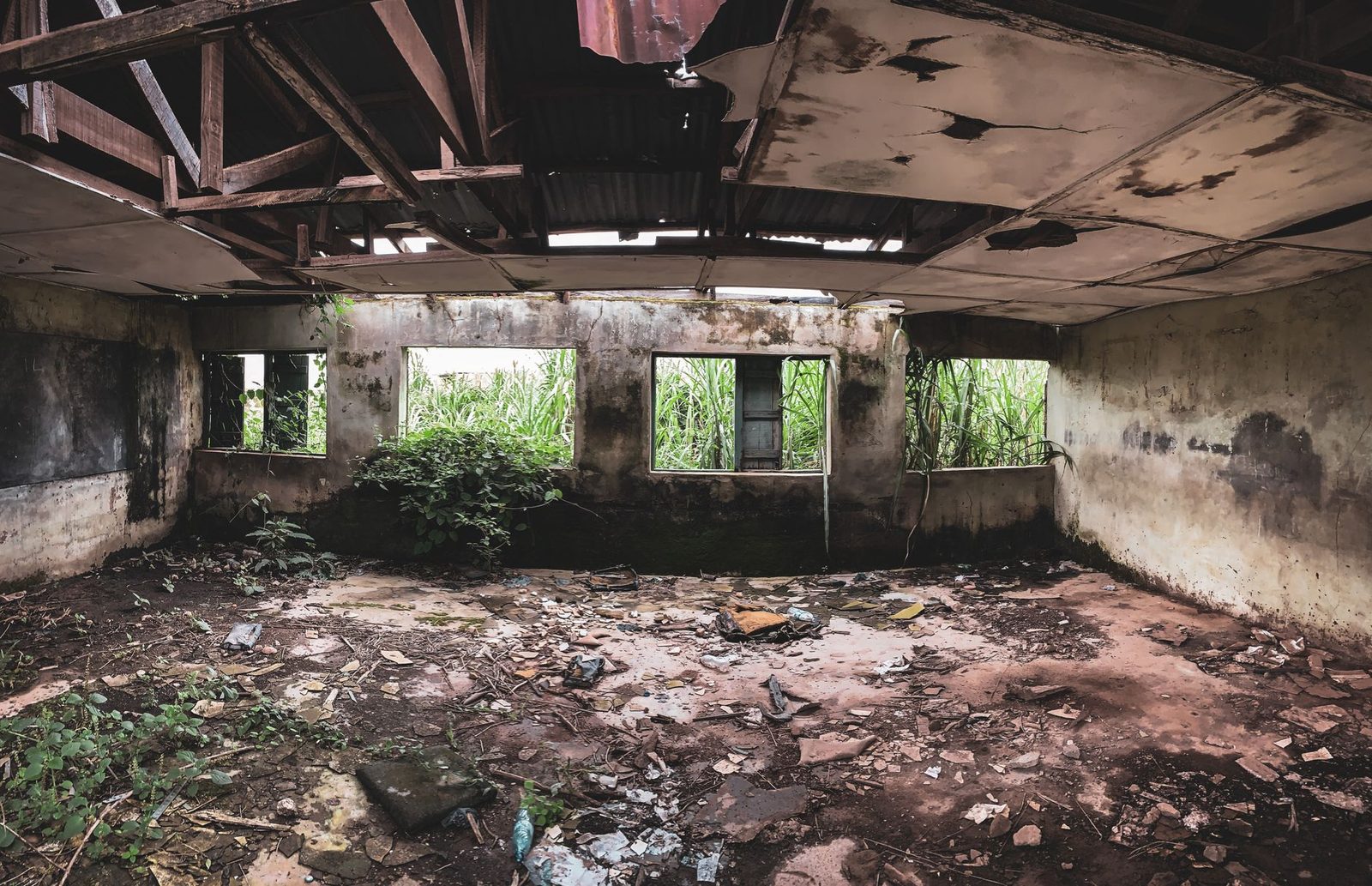
Leaks, soft spots, and sagging often signal problems beneath the surface. Plan for the possibility of decking repairs before you set a budget.
Common Roof Replacement Options in South Florida
Metal Roofing
Lightweight, durable, and well suited to South Florida's heat, humidity, and storm season.
Tile Roofing
A classic look that handles intense sun well, though it requires a structure able to bear its weight.
Full Roof Replacement
Best when damage is widespread, the roof is near the end of its service life, or repairs no longer make financial sense.
Roof Repair
Targeted fixes for leaks, damaged shingles or tiles, and flashing problems when the rest of the roof is sound.


