


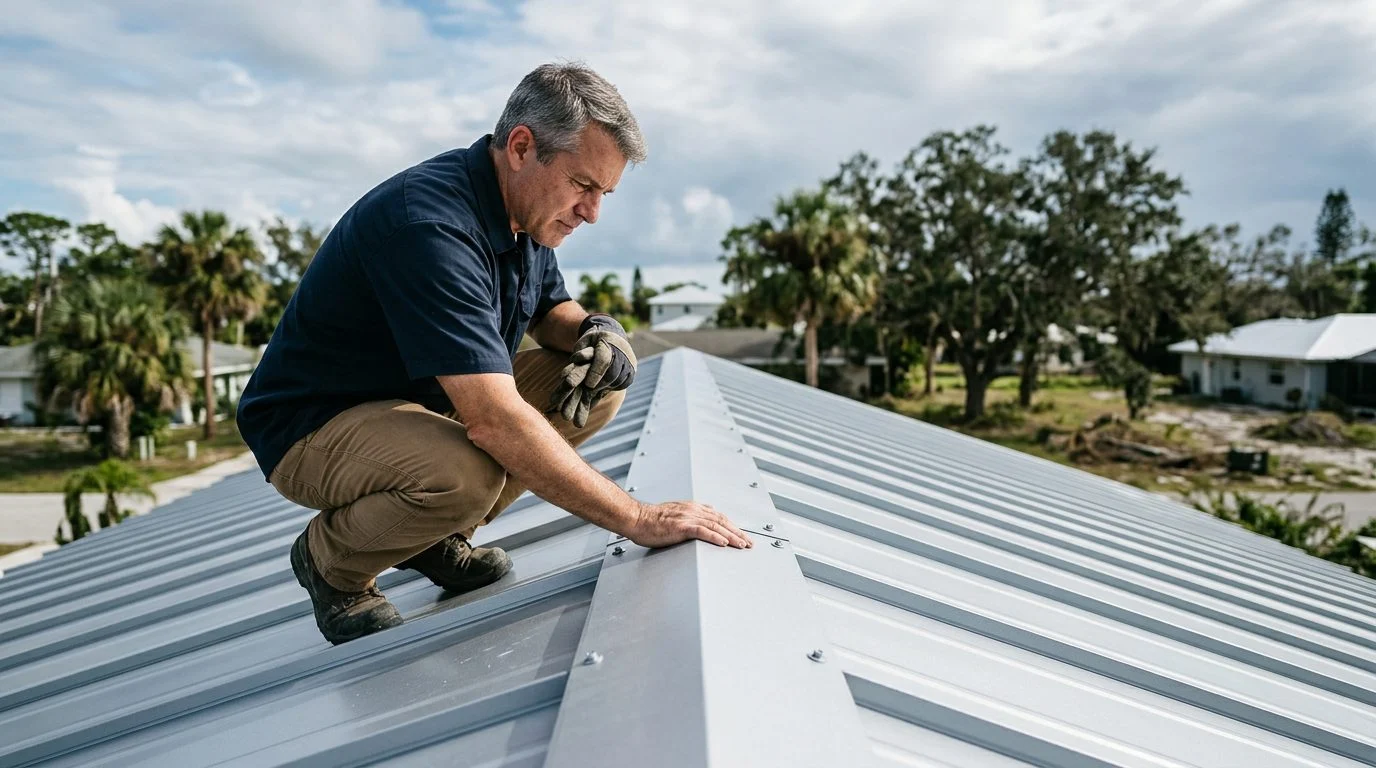
Metal Roofing | South Florida
How Long Does a Metal Roof Last in Florida?
Metal roofs are built for decades of service. See what shapes how long yours lasts in South Florida's climate, and how to help it get there.
By Jonathan Rodriguez · Published October 22, 2026
A metal roof is widely cited as one of the longer-lasting residential roofs, with lifespans measured in decades. How long yours lasts depends on the facts: your location, how the roof was built, and how well it’s kept up. This guide explains what shapes that answer for South Florida homes.
How long does a metal roof typically last in Florida?
Metal roofs are commonly expected to last decades, not years. Published figures are general industry ranges, so they are a starting point rather than a promise for any single house.
The number that matters for your home depends on local conditions and on how the roof was built and maintained. Two metal roofs of the same type can age very differently on different lots.
For a reference point, asphalt shingles are generally expected to last a shorter time than metal. That gap is why many owners look at metal first when a roof nears the end of its life. The gap narrows if the metal is poorly installed or left unmaintained.
Think of lifespan as a range, not a date you can circle on the calendar. In South Florida, the stresses that set that range are heavy, and the sections below explain the main ones.
If an aging roof, a leak, or storm damage has you weighing your options for a home you own or manage, we're glad to talk through its age and condition with you. Talk it through with our team — the first consultation is free, confidential, and carries no obligation.
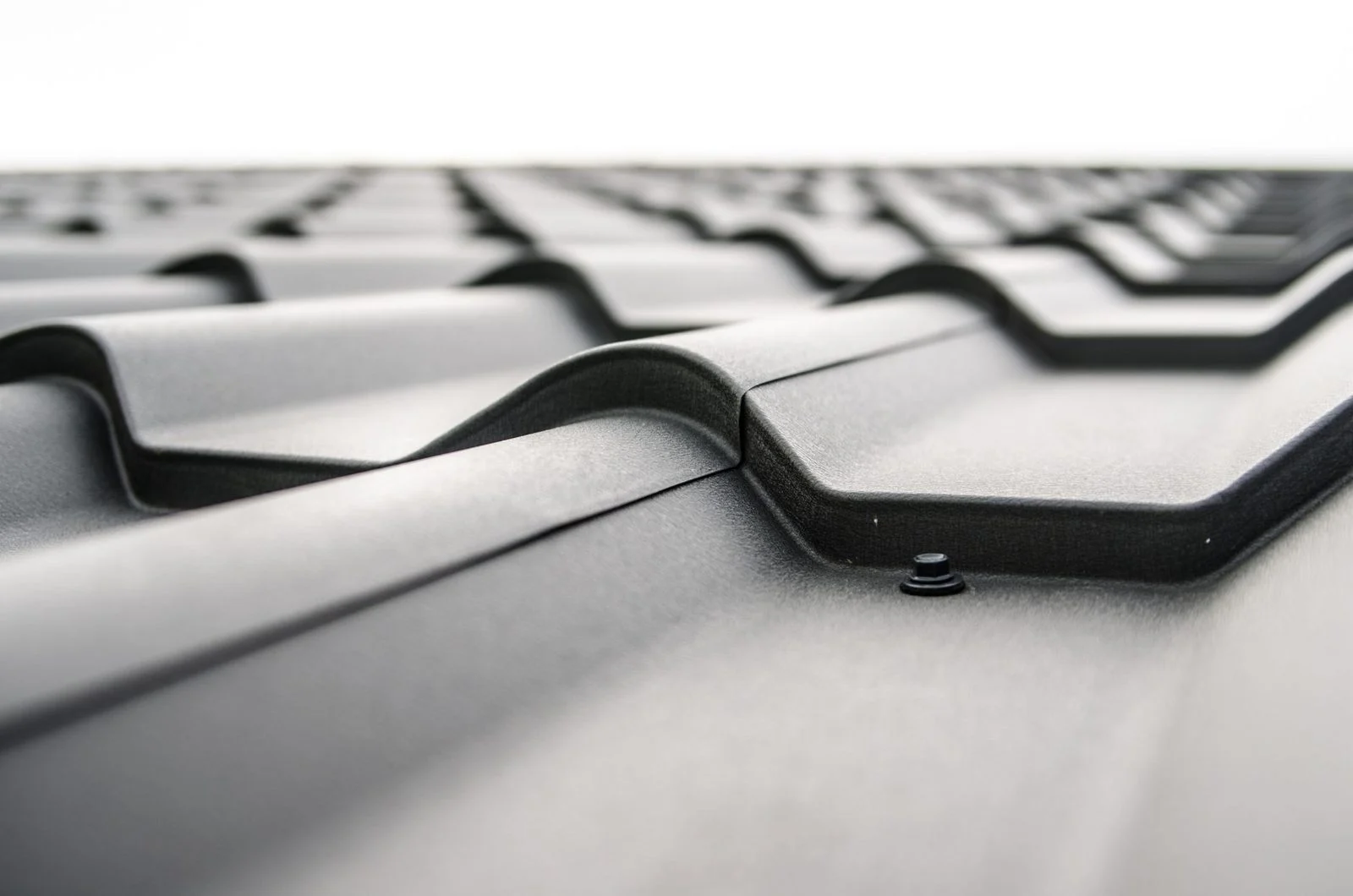
How does Florida’s climate affect a metal roof?
Florida’s climate puts more stress on metal roofs than many other places do. Salt air, humidity, sun, and storms all work on the roof at the same time.
Salt air is the main concern near the coast. Salt and moisture can start corrosion, and corrosion often begins at fasteners, seams, and roof edges. Homes in Miami, Fort Lauderdale, Boca Raton, Naples, and Fort Myers face this exposure most directly.
Sun and heat also matter. Intense UV exposure and daily heat cycles wear on paint and protective finishes. Once the finish weakens, the metal underneath has less protection. Heat also makes panels expand and contract, which strains fasteners.
Storms add another test. The IBHS Hurricane Ian roof assessment from the Insurance Institute for Business & Home Safety found that metal roof systems held up well in winds below 130 mph in Southwest Florida.
Heavy rain and wind-driven storms still press on seams, flashing, and fasteners. Those are the spots to check after any big storm.
What factors decide how long your metal roof lasts?
Panel type, metal coating, installation quality, and roof design shape the result most. Each one affects how well the roof holds up over time.
Standing seam panels lock together along raised seams, and their fasteners stay hidden. Exposed-fastener panels show their screws on the surface. Each exposed screw is a spot where water and corrosion can get in, so those fasteners need regular checks. Both types must handle wind uplift and the metal’s movement from heat.
The finish matters on coastal homes. The Metal Construction Association guide describes factory coil coating and a typical two-coat paint system as the processes used to finish steel and aluminum roofing panels.
Installation often matters as much as the panel itself. Good underlayment, the right fastening schedule, sound flashing at edges and walls, and careful sealing at vents and penetrations all protect the roof. Small gaps in these details can let water in.
Roof pitch and attic ventilation also count. Poor airflow traps heat and moisture under the roof, which can stress the decking over time.
How does maintenance help a metal roof last longer?
Routine checks and quick fixes help a metal roof reach its full service life. Maintenance is the part of ownership you control most.
Inspect the roof after each storm season. Look at fasteners, seams, sealants, and flashing. Loose screws, cracked sealant, or lifted flashing are easy to miss from the ground, so a closer look helps.
Keep the roof clear of debris. Clean gutters so water drains away from the edges. Blocked drainage holds water against panels and edges.
Address small scratches or finish damage early. Once the coating is breached, exposed metal can start to corrode. Touching up minor damage is generally simpler than repairing corroded panels.
Fixing an isolated problem early is usually more straightforward than waiting. Water that reaches the decking or the interior creates larger, more involved damage.
Metal or tile, and when does replacement make sense?
Metal and tile roofs can both serve South Florida homes well. They differ mainly in weight and in how they handle wind. Tile is heavier, so the home’s structure matters more during a project. Metal is lighter. The right choice turns on the house itself.
Watch for signs of an aging roof. Widespread corrosion, lifting or missing panels, leaks that keep coming back, and damaged underlayment all point to a roof near the end of its service life.
Repair and replacement are different decisions. A repair fixes a specific problem. Replacement addresses the whole system. A roof with isolated damage and sound panels may suit a repair. Widespread failure often points to replacement.
Florida rules can shape a replacement. If an existing roof was built, repaired, or replaced to the 2007 Florida Building Code or a later edition, and Florida Statutes applies, only the repaired, replaced, or recovered portion of the roofing system or roof section must be built to the Florida Building Code in effect when 25 percent or more of it is repaired, replaced, or recovered.
Talk with ASP Superhome about your roof
You may be reading this after a storm, a leak you didn’t expect, or a roof that’s simply aging. You might also be researching for a parent or for a property you manage. That’s a lot to carry, and you don’t have to sort out every detail alone.
Insurance can add a decision point. For a roof that is at least 15 years old, Florida Statutes requires an insurer to allow the homeowner to have a roof inspection performed by an authorized inspector, at the homeowner’s expense, before requiring the roof to be replaced as a condition of issuing or renewing a homeowner’s insurance policy. An insurer may not refuse to issue or renew a policy solely because of roof age if that inspection shows 5 years or more of useful life remaining.
ASP Superhome offers a free first consultation, which is confidential and carries no obligation to continue.
Quick answers
How long does a metal roof typically last in Florida? Metal roofs are commonly expected to last decades in Florida. Coastal exposure, storms, and maintenance shape how a specific roof performs.
If you’d like to talk through your roof’s age, condition, and location, contact ASP Superhome.
What Shapes the Lifespan of a Metal Roof
Your Local Climate
Intense sun, heavy rain, humidity, and salt air all affect how a roof ages. South Florida homes face all four.
Material and Coating
The metal type, its finish, and the protective coating it carries influence how well it resists corrosion over time.
Quality of Installation
Fasteners, flashing, underlayment, and seams need to be installed correctly for the roof to perform as designed.
Ongoing Maintenance
Regular checks and timely repairs help small issues stay small, so the roof can reach its full expected life.
Small Problems Can Become Big Ones
Loose panels, rust spots, and failing sealant can let water reach the structure well before a leak shows inside your home. An inspection can catch these early.
Helping Your Metal Roof Last
Schedule Regular Inspections
Check the roof after severe storms and at least once a year to spot lifted panels, damaged trim, or worn coatings.
Keep Gutters and Drainage Clear
Debris and standing water can accelerate wear on edges and seams. Clear them regularly.
Address Repairs Promptly
Fix scratches, fastener issues, and sealant gaps early to limit corrosion and water intrusion.
Start With Quality Installation
A correctly installed system is the foundation of a long-lasting roof. Ask about materials, coatings, and workmanship before you commit.


