


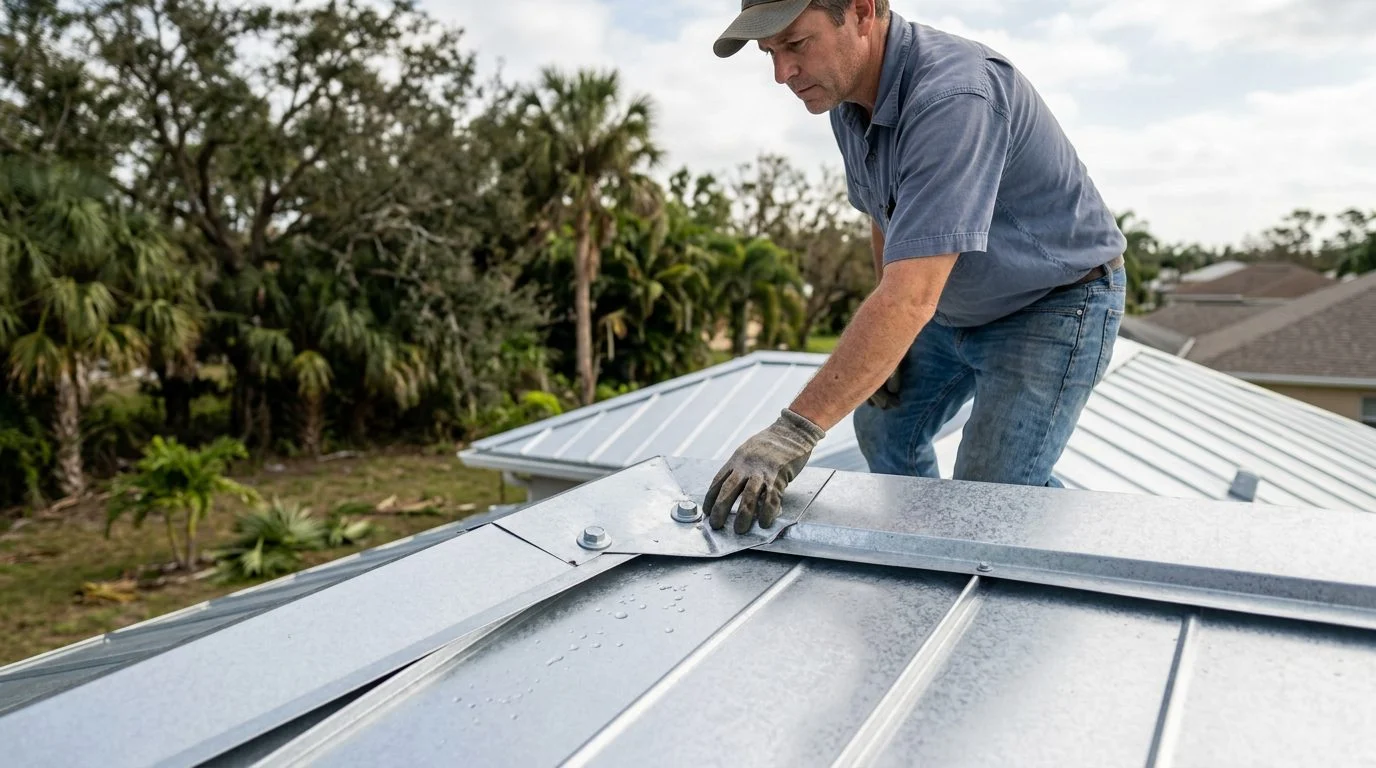
Metal Roofing · South Florida
How Long Does Galvanized Metal Roofing Really Last in South Florida?
The answer depends on the coating, the panel system, our climate, and how the roof is installed. Here is what shapes the result, and how to plan for it.
Getting Started With ASP Superhome
Free
First consultation
Confidential
No obligation to continue
South Florida
Miami to Naples and beyond
By Jonathan Rodriguez · Published October 27, 2026
How long will galvanized metal roofing last? It lasts as long as its zinc coating keeps rust away from the steel underneath. How long that takes depends on the coating, the panel style, the climate, and how the roof was installed. South Florida adds salt air, strong sun, and hurricane winds, so local conditions matter. This guide walks through each factor and what to ask before you decide anything.
How long does galvanized metal roofing typically last?
Galvanized metal roofing lasts as long as its zinc coating stays intact. Galvanized steel is steel with a layer of zinc on its surface. The zinc protects the steel by corroding first, which slows rust. Once the coating wears thin or breaks down, rust can reach the steel and shorten the roof’s life. So the coating’s condition is central to how long the roof lasts.
Published lifespan ranges differ from source to source. They vary with coating thickness, panel type, and climate. Treat any single number as a starting reference, not a promise for your roof. Installation and upkeep also decide how much of that coating life the roof actually uses. For the bigger picture on replacement options, read our roof replacement guide.
Not sure what your next step is?
Talk it through with our team — the first consultation is free, confidential, and carries no obligation.
Galvanized steel vs. Galvalume: how the coating sets the clock
Galvalume is steel coated with an aluminum-zinc alloy, while galvanized steel carries a zinc-only coating. Both protect the steel underneath, but they work in different ways. Galvanized steel relies on zinc to corrode first and shield the metal. Galvalume pairs aluminum with zinc, and the zinc still protects cut edges and small scratches.
Coating weight and thickness set how long that shield lasts. Thicker coatings usually give the steel more time before rust starts. That is why the coating specification belongs in your roofing quote. Ask the contractor to name the coating type and weight in writing. Most finished panels also carry a factory paint layer. The Metal Construction Association coating guide explains the factory coil coating and the typical two-coat paint system used on these panels. For a fuller comparison, see metal roofing systems compared.
Standing seam vs. screw-down panels and how they age
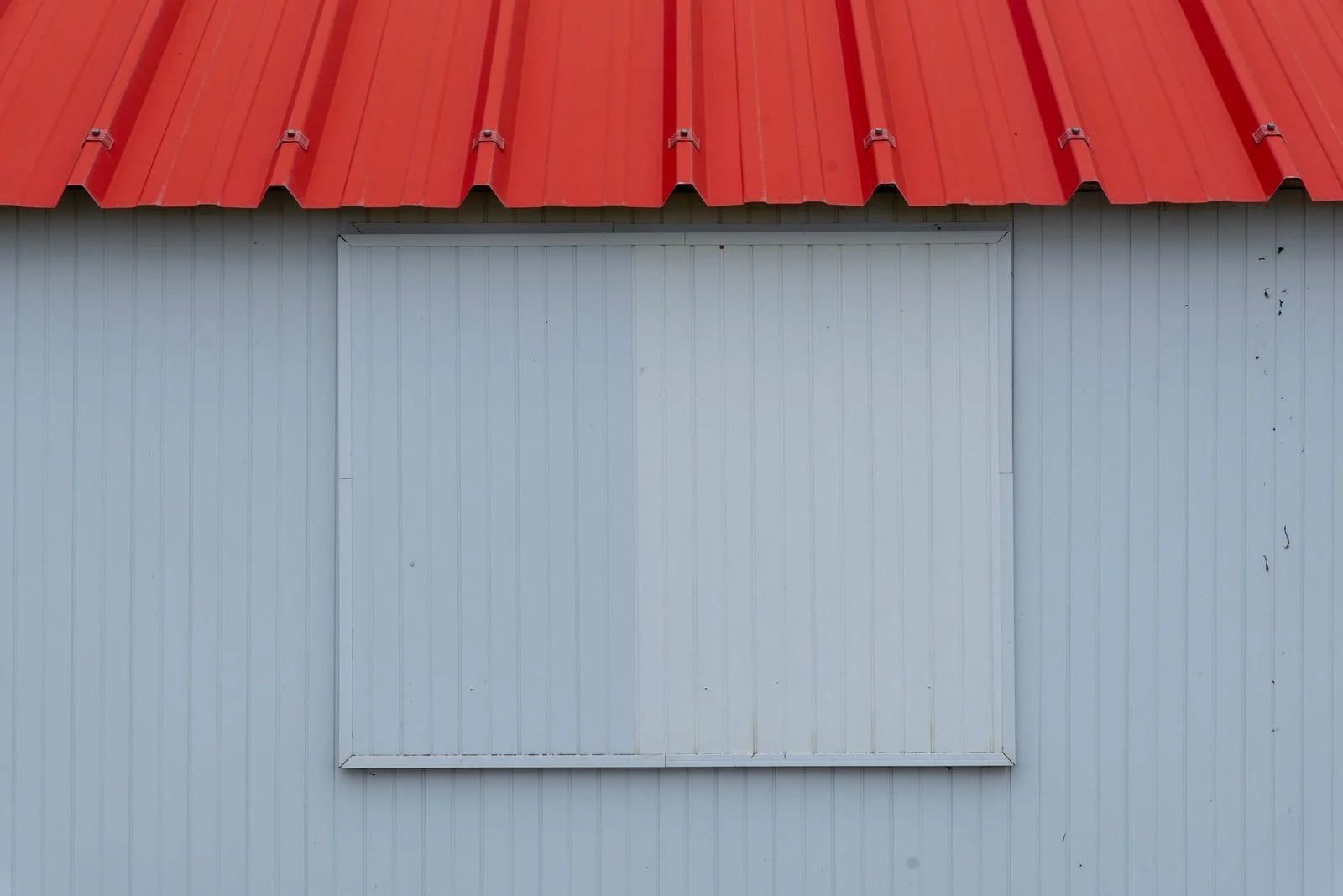
Standing seam panels hide their fasteners, while screw-down panels leave fasteners exposed on the panel face. Standing seam panels lock together along raised seams, and their clips sit underneath the surface. Screw-down panels are fastened straight through the face, so each screw is a spot that needs watching.
Exposed fasteners matter over time. A screw’s sealing washer can dry out or crack, and water can find its way in. Fasteners can also work loose as the panel expands and contracts with heat. Standing seam designs have fewer exposed penetrations, so there are fewer places for water to enter.
Panel style is only part of the story. Installation quality and fastener type matter as much as the panel style itself. A careful installation with the right fasteners and sealants helps either style perform well over time. A rushed installation can undo the benefits of either one. Ask who will install the fasteners and what sealants they plan to use.
What shortens or extends metal roof life in South Florida
Salt air, intense sun, and hurricane winds are the main stresses on a metal roof in South Florida. Each one wears on the coating, the paint, or the fasteners in a different way. Salt air matters most near the coast. Homes in Miami, Fort Lauderdale, Boca Raton, and Naples face salt spray and humidity that can speed corrosion on exposed steel.
Sun and heat work on colored panels. Intense UV and heat can fade or chalk the paint finish. Over time, that exposes the coating underneath.
Wind is the third stress. The Insurance Institute for Business & Home Safety publishes research on how roof coverings perform in high winds and storms. Proper installation still matters. Under Fla. Stat. § 553.844, for site-built, single-family residential structures, a roof replacement must incorporate the techniques specified in subparagraphs (2)(b)2. and 4. Subsection (3)(b) applies to a site-built, single-family residential building located in the wind-borne debris region that has an insured value of $300,000 or more or, if the building is uninsured or lacks documentation of insured value, a just valuation for the structure for ad valorem taxation of $300,000 or more, and provides that its roof replacement must incorporate the techniques specified in subparagraph (2)(b)3.
Routine upkeep helps a metal roof reach its expected life. Rinse salt residue off the panels. Clear debris from valleys and gutters. Check fasteners and sealants on a regular basis. Fix scratches or coating damage early, before rust starts. For cost context in Florida, see the Florida metal roof cost guide.
Common questions about metal roof lifespan
Lifespan comes down to coating, panel system, climate, and installation, not one fixed number.
How many years does metal roofing last?
There is no single answer for every roof. Coating, panel system, climate, and installation all shape the result.
What is the 25% rule for roofing?
Under Fla. Stat. § 553.844(5), when 25 percent or more of a roof built, repaired or replaced to the 2007 Florida Building Code or later is being repaired, replaced or recovered, only that portion must meet the code in effect.
What are the disadvantages of corrugated metal sheets?
Exposed fasteners can loosen over time, and rain can sound loud on thin panels. Corrugated profiles also offer fewer styles than some other panel types.
How much should a 2,000 sq ft metal roof cost?
Pricing depends on panel type, roof complexity, and region. The metal roof replacement cost guide explains what drives the number.
Talking through your roof with ASP Superhome
You may be reading this for a home you don’t live in, a roof you inherited, or a parent’s house you’re watching over. Some readers are dealing with a roof a storm damaged, and a decision is now on the table. You don’t need every answer yet to start the conversation.
ASP Superhome can talk through your roof’s condition, coating, and panel options with you. If a storm or an aging roof has you facing a decision, a free, confidential first consultation with no obligation to continue is a simple place to start at contact ASP Superhome.
Four Factors That Shape Metal Roof Lifespan
Protective Coating
The finish on galvanized steel helps resist corrosion. Its quality and condition over time play a major role in how long the roof performs.
Panel System
The profile, fastening method, and overall panel design affect how the roof handles wind, rain, and thermal movement.
South Florida Climate
Heat, humidity, salt air near the coast, and storm season all put steady demands on a roofing system.
Installation Quality
Proper underlayment, flashing, fastening, and sealing at penetrations help the roof perform as designed from the start.
Why Homeowners Plan Their Roof With ASP Superhome
Planning Before Installation
We walk through the options with you, from panel systems to coatings, so your choice fits your home and your budget.
Built for South Florida Weather
Our roofing work is designed around the heat, humidity, and storm conditions that define life in South Florida.
Clear Answers
Ask about lifespan, maintenance, or warranties, and our team will explain what applies to your roof in plain language.
Confidential, No-Obligation Start
Your first consultation is free, confidential, and comes with no obligation to continue.
Maintenance Matters
Even a well-chosen metal roof benefits from periodic inspection. Look for loose fasteners, damaged sealant, debris buildup, and signs of corrosion, especially after major storms. Small issues caught early are easier to address.


