


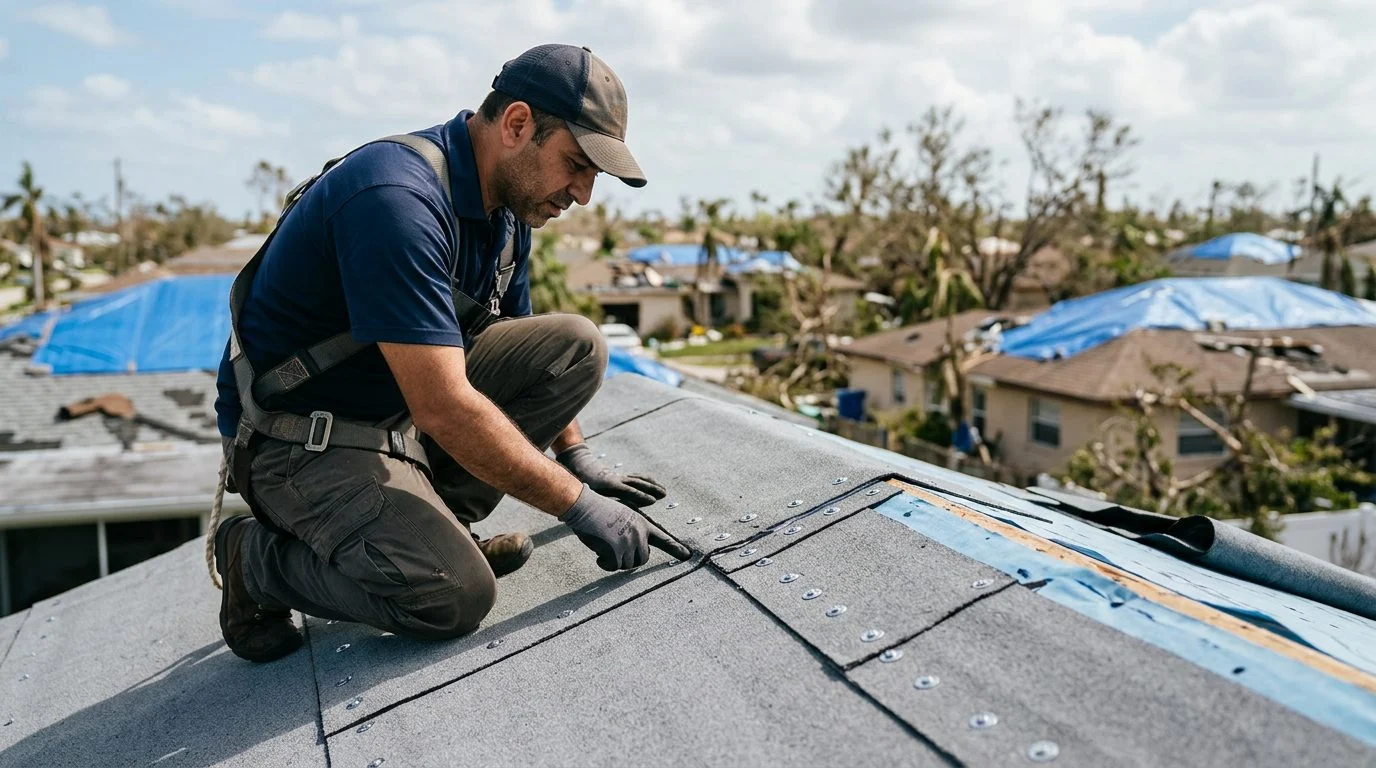
Roof Replacement · Miami, FL
Partial or Full Roof Replacement? Know Your Options Before You Decide
A partial replacement fixes one section. A full replacement renews the whole roof. Here is how to tell which makes sense for your Miami home.
By Jonathan Rodriguez · Published October 17, 2026
Roof Replacement Miami FL: Partial vs. Full Replacement Explained
A partial roof replacement swaps out one section of roof covering. A full roof replacement removes the covering across the whole roof and installs a new one. The right path depends on where the damage is, the condition of the rest of the roof, and what Florida rules require.
Roof replacement Miami FL homeowners look into often start with one question: do I really need a whole new roof? The answer isn’t always yes. Local rules and your roof’s materials can push the decision either way.
If a storm left a leak or a soft spot on your Miami roof, our team can talk through whether a partial or full replacement fits your home. Talk it through with our team — the first consultation is free, confidential, and carries no obligation.
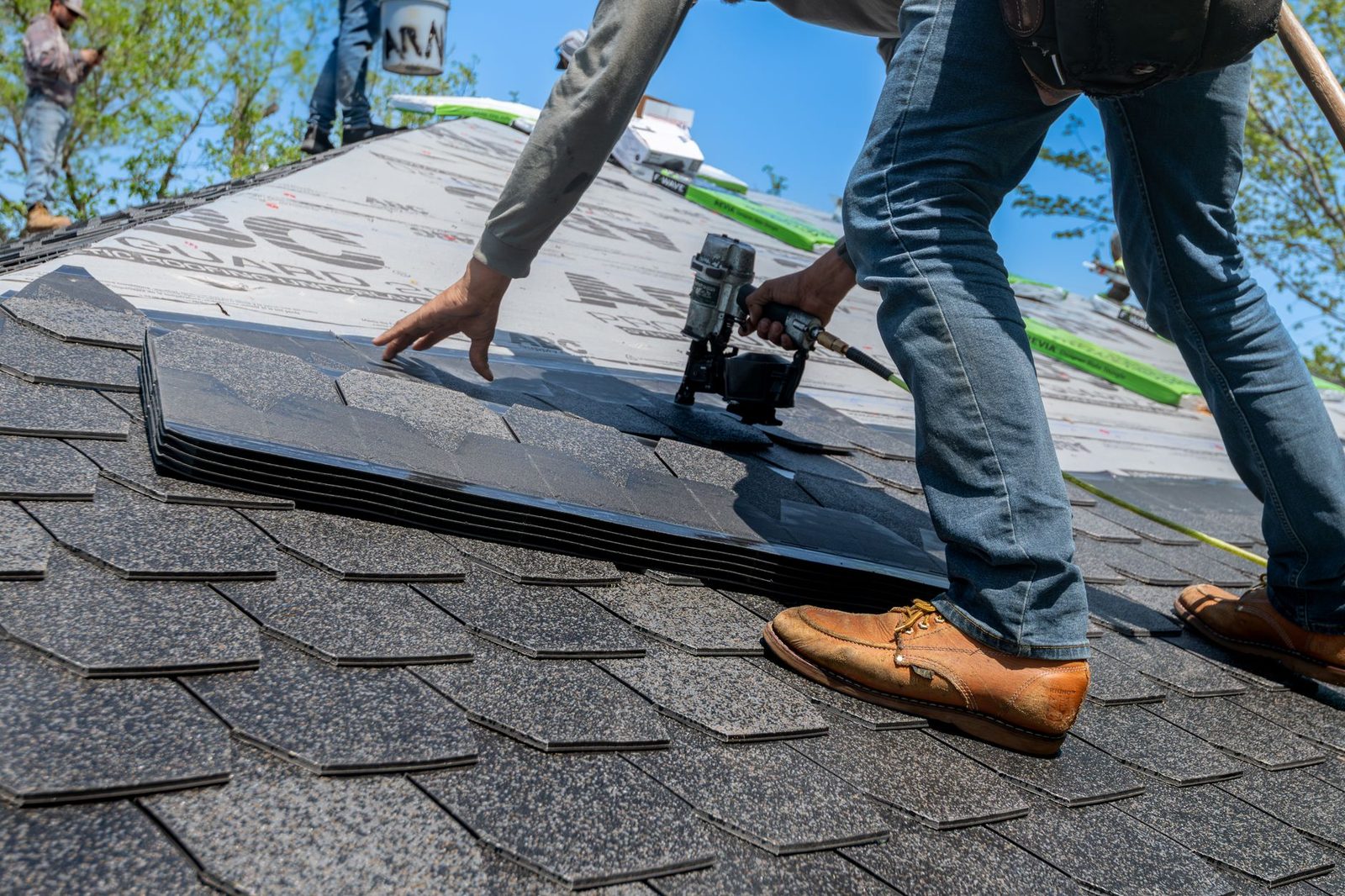
Partial Roof Replacement vs. Full Roof Replacement: What the Terms Mean
A partial roof replacement replaces a defined section of roof covering. A full roof replacement renews the entire covering. The covering is the outer layer that sheds water, such as tile, metal panels, or shingles. Under it sits the roof decking, the sheathing that holds everything up.
A full replacement strips the old covering from every slope and installs a new system. A partial replacement works only on the area that is failing.
Roof repair is different again. A repair fixes one specific problem, like a cracked tile, a lifted metal panel, or worn flashing around a vent. Replacement renews the covering itself.
Whether a repair, a partial replacement, or a full replacement fits your roof depends on the facts. Water often travels along the decking before it shows up as a ceiling stain. The stain alone doesn’t mark the true edge of the damage.
When a Partial Roof Replacement Can Make Sense
A partial replacement can make sense when damage is limited to one area and the rest of the roof is sound. Storm damage often works this way. A fallen limb may crush one slope, or a leak may trace back to a single valley, the channel where two slopes meet.
Before work starts, the roofer should check the decking and structure under the damaged area. Bad decking under a new section will fail, no matter how good the covering is. Patching over rotten wood only hides the problem for a while.
The age of the rest of the roof matters too. A new section laid on an old roof with brittle material or worn fasteners can still fail at its edges. Fixing one area may stop today’s leak and leave the next one a few years away.
A common mistake is patching the same leak again and again. Each repair costs money and can hide how far the damage has spread. If repairs keep coming back, the roof needs a wider look.
Matching Materials, Profiles, and Colors in a Miami Roof
A new section often won’t match an older roof exactly. Manufacturers change products over time, so the original profile or color may no longer be made.
Sun and salt air also change how a roof looks. Metal panels and tile can fade or weather unevenly over the years. A patch that matches a showroom sample may look different beside a roof that has aged in Florida sun for a decade.
Profile matters as much as color. Metal panels differ in the shape of their ridges and seams. Tile differs in shape and glaze. A section with the wrong profile can look like a patch from the street, even when it’s built correctly.
The clearest way to judge the blend is in person. A roofing contractor can bring a sample of the existing material and compare it side by side in daylight. That check shows whether a partial section will look acceptable.
Code and Permit Limits That Can Require a Full Replacement
Permit requirements for roofing work in Florida depend on the scope of the project, and some minor repairs may be exempt under the Florida Building Code or local rules.
The City of Miami requires permits for residential and commercial roof repair or replacement. The Miami-Dade County roofing permits page describes the required forms, checklists, and hurricane-mitigation documentation.
Florida’s roofing rule depends on the portion of a roof repaired, replaced or recovered within any 12-month period, not on the extent of problems found (Fla. Stat. § 553.844). The exception covers roofs built, repaired or recovered to the 2007 Florida Building Code or a newer edition; for those, only the repaired portion must comply with current code (Fla. Stat. § 553.844(5)). Under Fla. Stat. § 553.844, certain roof-to-wall connection techniques may apply to site-built single-family homes in the wind-borne debris region that meet a just-value threshold.
Signs That a Full Roof Replacement Is Needed
A full roof replacement usually makes sense when wear shows up across most slopes or repairs keep coming back. Look for a pattern, not one bad spot. Warning signs include:
- Cracking, curling, or brittle material on several slopes
- Leaks in more than one area of the house
- Repeated repairs over the same roof in a short time
- Soft or stained decking found when the covering is lifted
Roof age matters here. Old decking makes a patchwork approach impractical, because each new section must fasten to tired wood. A full replacement lets the crew inspect the whole deck at once.
Insurance can factor in too. The Florida Office of Insurance Regulation says wind-mitigation inspections follow defined procedures, and qualifying measures can produce premium savings.
Not sure what your next step is?
Talk it through with our team — the first consultation is free, confidential, and carries no obligation.
Roofing Materials Common in South Florida: Metal and Tile
Metal and tile are two common roofing choices for South Florida homes. Each handles partial work in its own way, so the existing roof often shapes the decision.
Metal has a useful track record in recent storms. The Insurance Institute for Business & Home Safety reported that metal roofing systems held up well in winds below 130 mph in Southwest Florida during Hurricane Ian. That is one assessment of one storm, not a promise for any roof.
Tile is heavier, so the structure under a tile section needs a careful check. A partial tile repair must also fit the shape of the surrounding tiles.
Building codes set the baseline for both.
If a project includes impact windows or impact doors, check the approval paperwork. Under Fla. Stat. § 553.842, a product may not be advertised as hurricane or wind-borne debris protection unless it has the approval that statute describes.
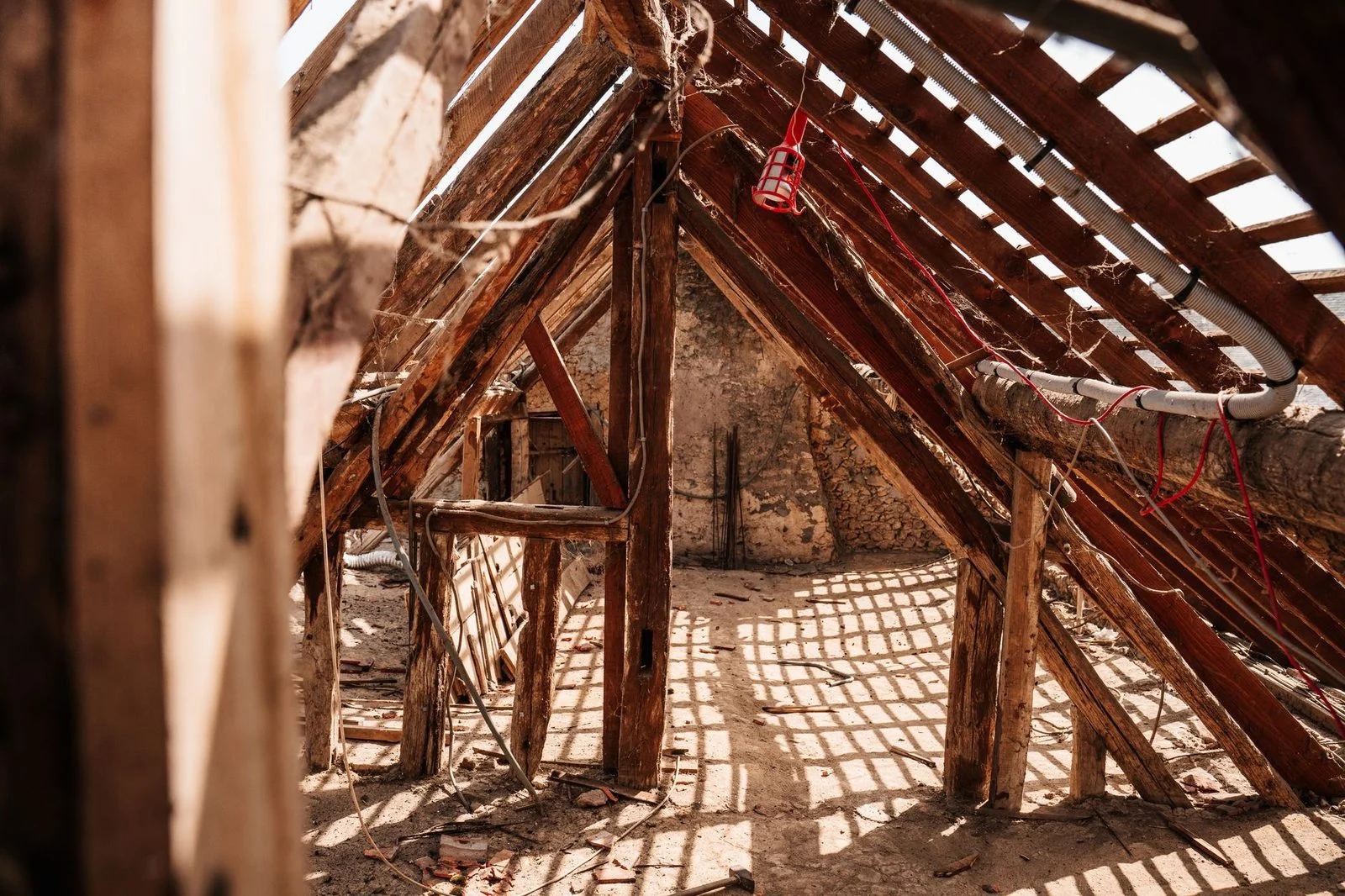
Talk With ASP Superhome About Your Miami Roof
Roof replacement Miami FL decisions often start with a storm leak, a damaged section, or a roof nearing the end of its life. Choosing the wrong fix can mean paying for the same problem twice, so a careful look at the whole roof comes first.
ASP Superhome offers roof replacement, roof repair, metal roofing, tile roofing, impact windows, impact doors, solar panels, solar battery backup, and kitchen remodeling.
Quick Answers on Roof Replacement Miami FL
Can you replace just one section of a roof in Florida? Yes, when damage is limited and the rest of the roof is sound. The decking under that section should be checked first.
Does Florida require a full replacement if 25 percent of the roof is damaged? Under the Florida Building Code, Existing Building, when more than one-quarter of a roof area or roof section is repaired, replaced or recovered in any 12-month span, the whole roofing system or section must be brought up to current code; Fla. Stat. § 553.844(5) sets out the exception for roofs that were built, replaced or recovered under the 2007 code or a newer edition.
Do I need a permit for roof replacement in Miami FL? Yes, permits may be required for some building repairs and replacements in Florida, and some minor repairs may be exempt under the Florida Building Code or local rules.
Will a new section match an older roof? Not always. Products change over time, and sun fades color, so a close match isn’t guaranteed.
Your first consultation with ASP Superhome is free, confidential, and carries no obligation to continue. If you’re unsure whether your Miami roof needs a patch or a larger replacement, contact ASP Superhome to talk it through.
What We Look at When Comparing Partial and Full Replacement
Where the damage is
Damage concentrated in one area can often be addressed with a partial replacement. Damage spread across the roof usually points toward a full replacement.
The age of the roof
An older roof may have worn underlayment and fasteners throughout, even where the surface looks fine. Age is a key factor in deciding the scope of work.
Condition of the rest of the roof
Matching materials, sound decking, and solid flashing across the remaining roof all affect whether a partial job holds up over time.
Local requirements
Permit and code requirements can influence the scope of a project. Confirm these details during your consultation before choosing a path.
Don't Assume a Patch Is Always Enough
Repeated leaks, curling or missing tiles across several areas, or widespread granule loss are signs the problem may be bigger than one section. A short inspection can show whether a repair is enough or a larger replacement is the better investment.
Roofing Options We Install in South Florida
Roof Replacement
A full replacement removes the existing covering and installs a new roof across the entire structure.
Roof Repair
Targeted repairs address leaks, damaged sections, and flashing problems when the rest of the roof is in good condition.
Metal Roofing
Metal roofing is available for partial or full installations, with a profile suited to Florida homes.
Tile Roofing
Tile roofing can be matched and installed in sections or across the whole roof, depending on your home's needs.


