


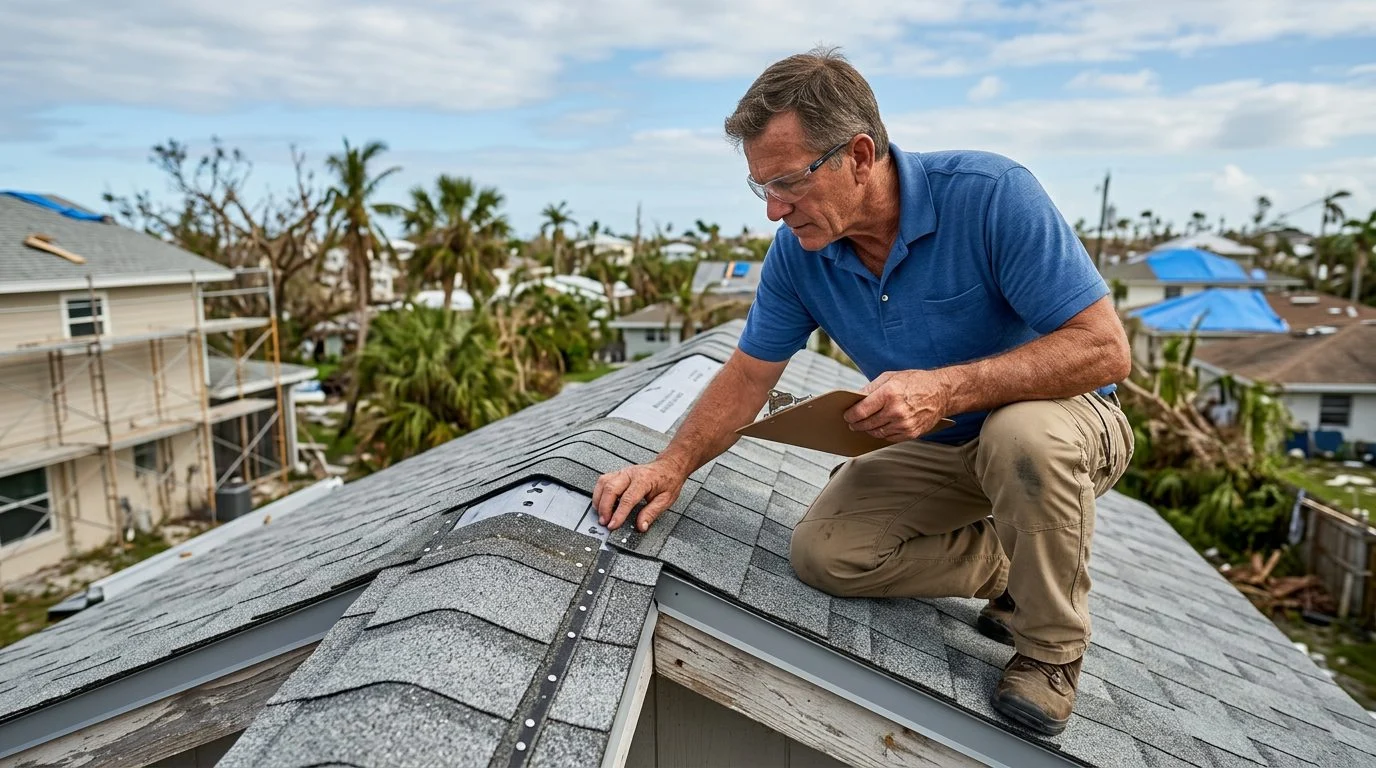
Roof Replacement | Miami, Fort Lauderdale, West Palm Beach, Boca Raton, Naples, Fort Myers
Planning a roof replacement after storm damage? Start with a clear plan.
Our team walks you through the roof, the paperwork, and your options, one step at a time.
How we help South Florida homeowners
Free first consultation
Your initial consultation is free, confidential, and comes with no obligation to continue.
One team for the whole home
Roofing, impact windows and doors, solar, and kitchen remodeling, all from one company.
Built for South Florida weather
We focus on impact-rated windows, doors, and roofing systems designed for the region's storms and heat.
Straight answers
We explain your roofing options in plain language so you can decide with confidence.
By Jonathan Rodriguez · Published November 9, 2026
Your roof took damage in a storm, and now you want to know what your policy will pay. If you’re asking whether homeowners insurance covers roof replacement in South Florida, the honest answer is that it depends.
Coverage turns on your policy wording, the cause of the damage, and how much of the roof is affected. This guide walks through the decision points that usually shape a South Florida roof claim.
The Short Answer: Replacement Versus Repair Depends on Your Policy and the Damage
Whether insurance pays for a full roof replacement depends on three things: the policy language, the cause of the damage, and the extent of that damage. No page can say what a specific insurer will pay on your claim.
A repair fixes a specific problem. That might mean replacing a few damaged shingles or tiles, resealing flashing, or fixing a vent boot. A full replacement installs new roofing across the covered roof area.
Adjusters often describe the difference as scope. Scope is the list of work needed to return the roof to its condition before the storm.
Your declarations page and policy form show what your coverage includes. Read them before you assume any payout amount. Look for your dwelling coverage type, your deductibles, and any roof settlement terms.
If storm damage has left you unsure whether your roof needs repairs or a full replacement, our team is glad to talk it through with you. Talk it through with our team — the first consultation is free, confidential, and carries no obligation.
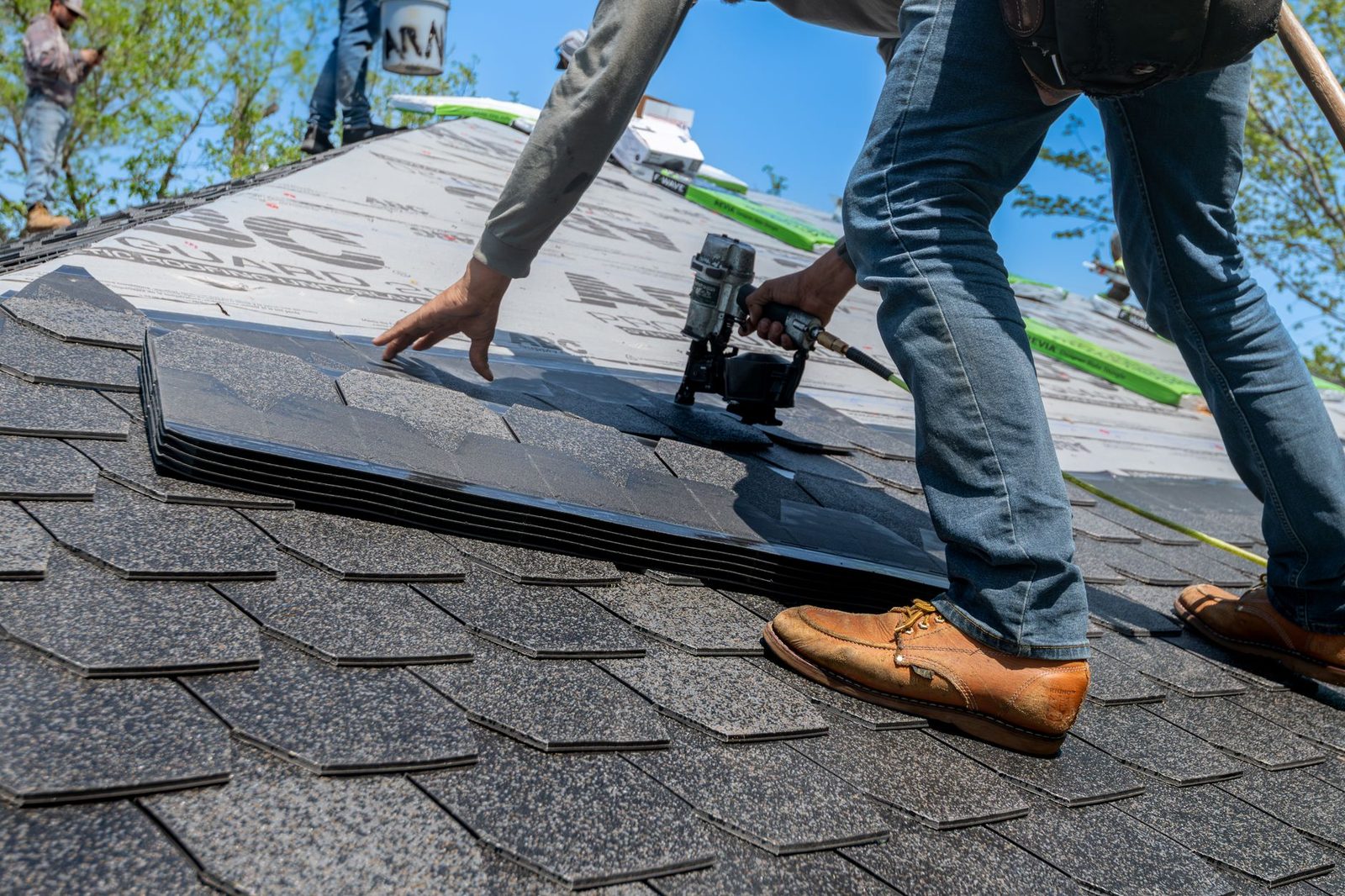
How Homeowners Policies Treat Wind and Hail Damage to a Roof
Roof damage in South Florida can result from wind, wind-driven rain, or hail. Those losses are handled differently from flood damage.
Florida law requires a specific notice on the declarations page of homeowners policies that do not provide flood insurance coverage. It says a standard homeowners policy does not cover flood damage, even when hurricane winds and rain cause the flood. Flood needs separate coverage, as Fla. Stat. § 627.7011 describes.
The date of loss matters for storms. For hurricanes, the date of loss is the landfall date; for tornadoes, windstorms, severe rain, or other weather-related events, the date of loss is the date on which the National Oceanic and Atmospheric Administration confirms the event, as set out in Fla. Stat. § 627.70132. Write down the storm date and keep any weather reports that name it.
Policy wording on covered perils and exclusions decides whether your storm damage qualifies. Check your policy for wind terms and any windstorm deductible listed in your declarations.
For an overview of roof damage types, see our roof replacement guide.
When Damage Points to Repair Rather Than Full Replacement
Localized damage is usually scoped as a repair. Examples include a few lifted shingles, a few missing tiles, or a damaged vent boot.
A repair makes sense when the rest of the roof is sound. The damaged area must be fixable without tearing into undamaged roofing.
Widespread granule loss can move the assessment toward replacement. So can cracked or brittle covering across several slopes, or damage that cannot be safely repaired.
Repairability also matters. If the roofing material is no longer made or cannot be matched, a repair may not be practical. That can shift the scope discussion.
Material matters too. Compare roofing options in our roof replacement guide.
Actual Cash Value Versus Replacement Cost and Why Roof Age Matters
Replacement cost coverage pays to replace the loss with new materials, not exceeding policy limits. Actual cash value (ACV) pays a figure that subtracts depreciation.
Under Fla. Stat. § 627.7011, a replacement cost policy adjusts a loss on replacement cost, not ACV.
The insurer must first pay at least the ACV of the loss, less your deductible. It pays the rest as work is performed and expenses are incurred.
Roof deductibles add a step. If a roof deductible applies, the insurer may limit the roof payment to ACV until it receives reasonable proof you paid that deductible. Florida law provides that reasonable proof of payment of a roof deductible includes a canceled check, money order receipt, credit card statement, or copy of an executed installment plan contract or other financing arrangement that requires full payment of the deductible over time. Keep those records.
Roof age is a common factor in depreciation. Roofing materials age through everyday weather exposure, according to IBHS roof aging research. The Florida Department of Financial Services says roof discounts vary by insurer and depend on age, condition, and type.
Matching: Can an Insurer Require Matching Shingles or Tiles Across the Whole Roof?
Matching questions come up when a repair cannot blend with the existing roof. A few new tiles or shingles may differ in color or profile from the rest.
Your policy wording controls this question. Read the language on repairs and matching in your own policy form.
The facts of your roof matter as well. Photograph the existing roof from several angles, including the slopes and ridge lines.
Keep records of the original material, its color, the installation date, and any permit paperwork. Those records give your claim a clear starting point.
Miami-Dade County’s roofing permit page describes required forms, checklists, and certain hurricane-mitigation documentation. For local context, see our Miami roof replacement guide.
What to Document After a Storm Before You File a Claim
Document the damage with dated photos and the storm date before repairs begin. Take photos from the ground and, when it is safe, from a higher vantage point.
Record video of ceilings and walls to show any water intrusion. Note when you first saw water and where it appeared.
Keep receipts for emergency tarping and other temporary protection. Save copies of every letter, email, and call note with your insurer.
A written record of the roof’s condition supports your claim, whatever the final scope turns out to be. Request a free estimate from ASP Superhome to start that record.
Storm and roof condition details vary by area. See our Fort Lauderdale roof guide and Kendall roof guide for local context.
Not sure what your next step is?
Talk it through with our team — the first consultation is free, confidential, and carries no obligation.
Claim Timing and What Happens After the Insurer Inspects the Roof
Florida sets deadlines for filing claims. The clock generally starts on the date of loss.
Under Fla. Stat. § 627.70132, a claim or reopened claim, but not a supplemental claim, is barred unless notice of the claim was given to the insurer in accordance with the terms of the policy within 1 year after the date of loss. A supplemental claim, for added damage from the same peril, is barred unless notice came within 18 months.
Notice must also follow the terms of your policy. Check your policy’s notice terms now, not later.
A typical sequence runs like this. The claim is reported, an adjuster is assigned, the adjuster inspects, and the insurer issues a scope and estimate. Compare that scope to the damage you documented.
Ask questions in writing. Send more documentation if the damage looks more extensive than first assessed.
Code upgrades can add cost. Whether an existing roof can support a new layer depends on an inspection of its condition, and our team can assess this during your free initial consultation, which is confidential and carries no obligation to continue.
Under Fla. Stat. § 553.844, the Florida Building Commission must adopt rules that require or otherwise clarify that, for site-built, single-family residential structures, any replacement of the roof incorporates the mitigation techniques listed in subparagraphs (2)(b)2. and 4. of that section: secondary water barriers for roofs, and strengthening or correcting the attachments and fasteners of the roof decking when reroofing.
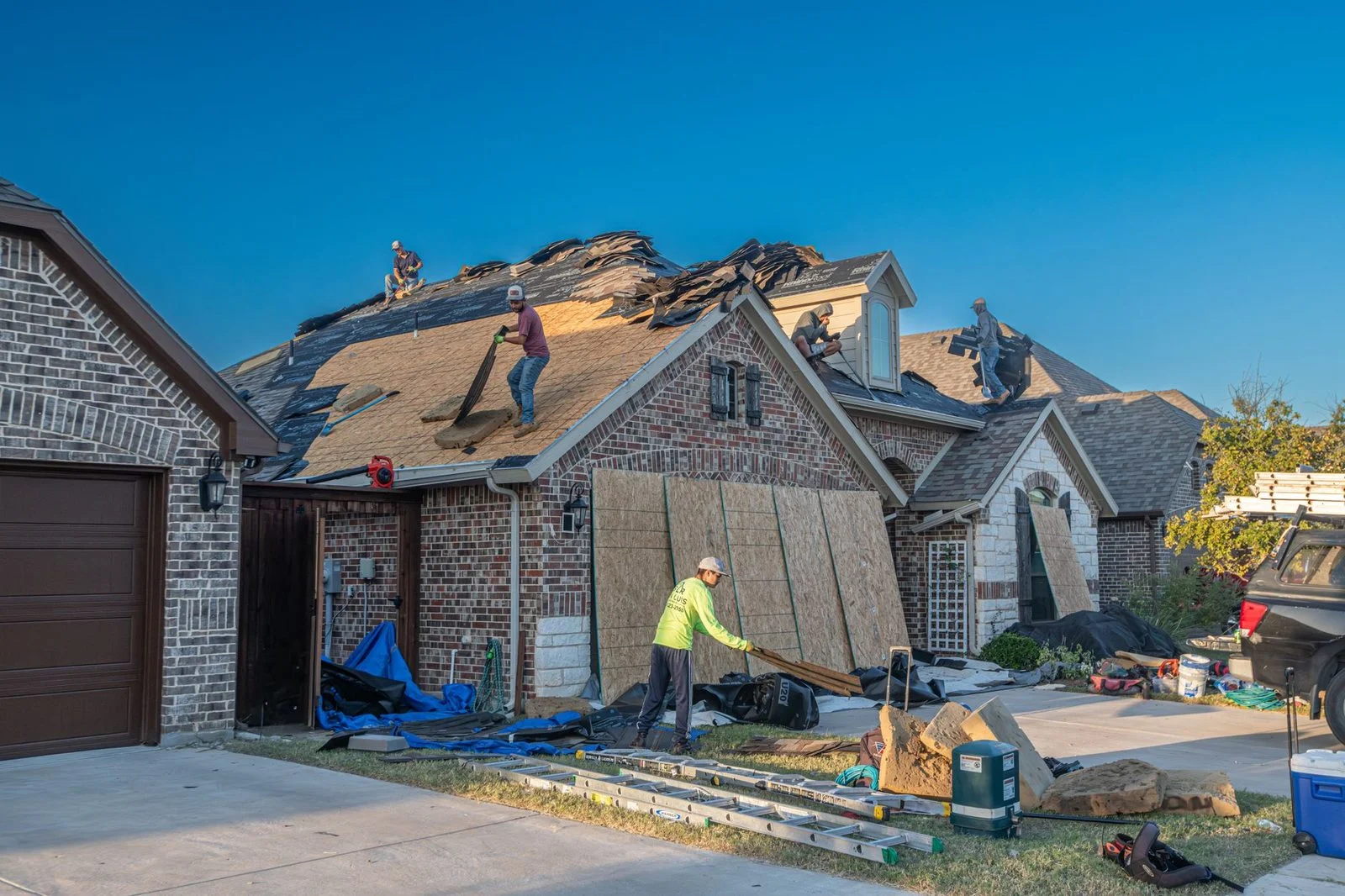
Start with a Free, Confidential Initial Consultation
If storm damage has left you unsure whether your roof needs repairs or a full replacement, you don’t have to sort it out alone. A roof damaged in a recent storm, a policy that is hard to read, and a claim deadline you need to track can all feel urgent at once.
ASP Superhome offers a free, confidential initial consultation with no obligation to continue. Our team can look at your roof and talk through the repair and replacement options that fit your situation. Contact ASP Superhome to request your consultation.
Does roof age affect my claim?
Roof age can affect depreciation and the roof discounts an insurer offers. Those discounts vary by insurer.
How long do I have to report storm damage?
Florida law sets a 1-year notice deadline for most claims. Your policy’s notice terms also apply.
Before any work begins
Take clear photos and video of the damage, keep notes on when you noticed it, and save any written communication about your roof. Good records make the next steps easier for everyone.
Roofing services we provide
Roof replacement
A full replacement for roofs that have reached the end of their service life or were damaged in a storm.
Roof repair
Targeted repairs to stop leaks and protect the rest of your home from further damage.
Metal roofing
Durable metal systems suited to Florida's heat, humidity, and wind.
Tile roofing
Classic tile roofs that complement South Florida architecture and hold up to the climate.


