


Roof Inspection Guide | South Florida
Your Roof Failed a Four-Point Inspection. Here's What It Means.
A failed item doesn't have to mean a crisis. Learn what the report is telling you, how insurers and buyers read it, and how to weigh repair against replacement.
By Jonathan Rodriguez · Published October 17, 2026
If your roof fails a four-point inspection, the report usually means the inspector wants repairs or more review before the roof is accepted. Insurers and buyers often read this result closely, so it can affect a policy or a sale. This guide explains what the failed item means and how to weigh repair against replacement.
What a Four-Point Inspection Covers
A four-point inspection reviews four systems: the roof, electrical, plumbing, and HVAC. Each one gets a look at its current condition and how much useful life it has left.
Insurers often ask for this report, and buyers often order it too. It’s narrower than a full home inspection. A full inspection covers the whole structure in more depth. A four-point review focuses on the systems that carry the most weight for insurance and for a sale.
Many homeowners hear about the roof first. Roof condition often drives the insurance question. That’s why a roof finding can change the whole conversation about a property.
If your roof just failed its four-point review and you're weighing repair against replacement, we're glad to talk through your options with you. Talk it through with our team — the first consultation is free, confidential, and carries no obligation.
How the Roof Section Is Evaluated
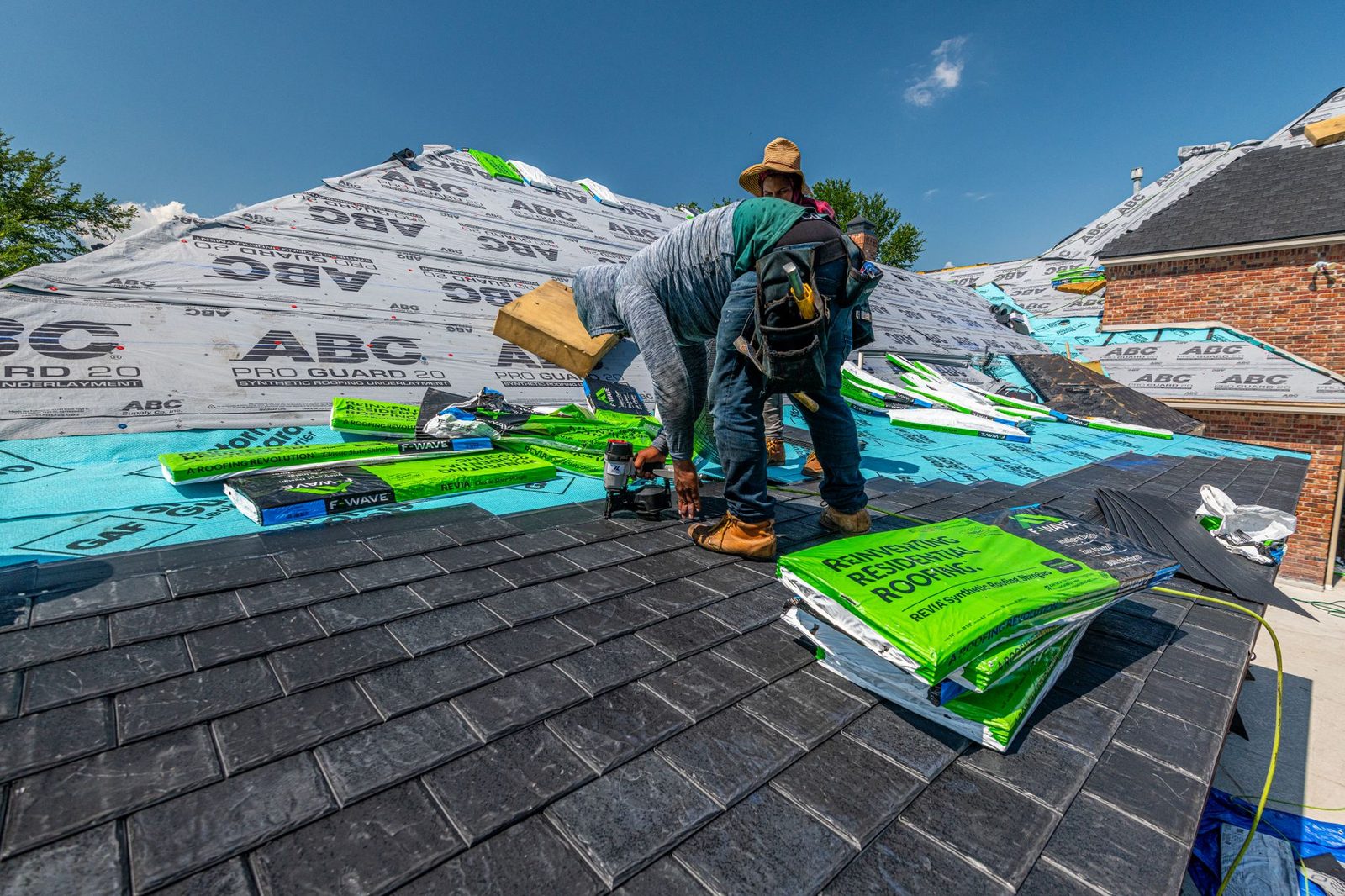
The inspector checks the roof’s visible condition, its age, and how much useful life it appears to have left. Those three things shape the result.
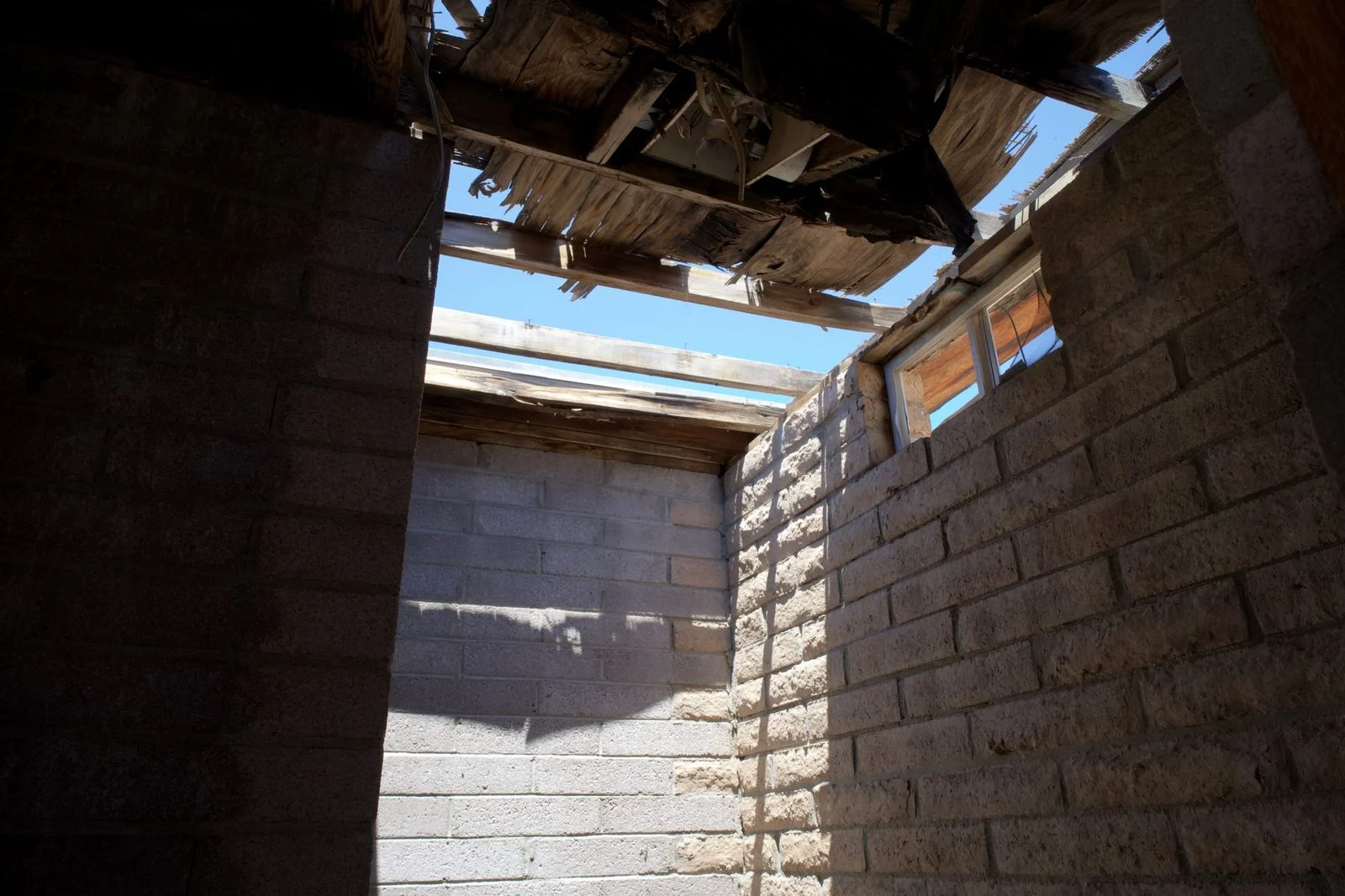
Common findings include shingle or tile condition, missing or lifted pieces, damaged flashing, gutter problems, and signs of leaks. Interior staining on a ceiling is a sign that needs an explanation.
Location matters. Damage at the ridge, in valleys, or around roof penetrations like vents and pipes can carry more weight than isolated surface wear. A few worn pieces in an open area are different from water entry at a valley.
Age matters too. Florida law draws lines at 15 years of roof age and 5 years of useful life. An insurer may not refuse to issue or renew a policy for a roof under 15 years old solely because of its age. For a roof 15 years or older, an insurer must allow an authorized inspector to check it, at the homeowner’s expense, before requiring replacement. Fla. Stat. § 627.7011
Why a Roof Can Fail While Other Systems Pass
A home can pass its electrical, plumbing, and HVAC checks and still fail on the roof alone. Each system is judged on its own condition.
Roof failures usually trace back to a few conditions. Active leaks are the clearest sign. Deteriorated flashing, the metal or membrane that seals roof edges and openings, is another. Widespread missing material across the surface is a third.
Roof and electrical concerns can overlap. Damaged wiring or exposed connections near roof openings can add to a roof problem. Water near an electrical connection is worth raising right away, because it touches two systems at once.
What Happens After a Roof Fails
After a failed roof item, the inspector usually recommends repairs or a further evaluation before the roof is considered acceptable. That recommendation is the core of the report.
Insurance carriers may ask for proof of the roof’s condition or of completed repairs before they make coverage decisions. Florida law also limits how insurers can use roof age. Roofs at least 15 years old are protected: an insurer cannot refuse to issue or renew a policy based only on the roof’s age if an inspector authorized under the law finds at least five years of useful life remaining. Fla. Stat. § 627.7011
If storm damage caused the problem, timing matters. Under Fla. Stat. § 627.70132, notice of an initial or reopened property insurance claim must be given to the insurer within one year of the date of loss, and a supplemental claim carries a separate 18-month deadline from the date of loss. For hurricanes, the date of loss is the landfall date. Fla. Stat. § 627.70132
For a sale, a buyer may ask for repairs, a price credit, or a new inspection once the report is in hand.
Repair or Replacement: How the Decision Is Weighed
Repair usually fits isolated damage. Replacement is usually weighed when damage is widespread or the roof is near the end of its useful life.
Cost is part of the decision. Under replacement cost coverage, the basic provision does not pay for costs needed to meet current building laws and ordinances. Under Fla. Stat. § 627.7011, a policy is deemed to include law and ordinance coverage at 25 percent of the dwelling coverage amount unless the policyholder refuses it in writing. Fla. Stat. § 627.7011 How roof deductibles and roof payments are handled depends on your policy’s terms, so review those terms closely.
A written estimate should show scope, materials, and timing. The final cost can still differ after the insurer adjusts the claim. Fla. Stat. § 489.147
Permits are part of the plan. Many building repairs and replacements in Florida need a permit, although certain minor and ordinary repairs may be exempt under state and local rules. For cost planning in Miami, see our Miami roof replacement cost guide.
Metal and Tile Roofs: What Changes the Review
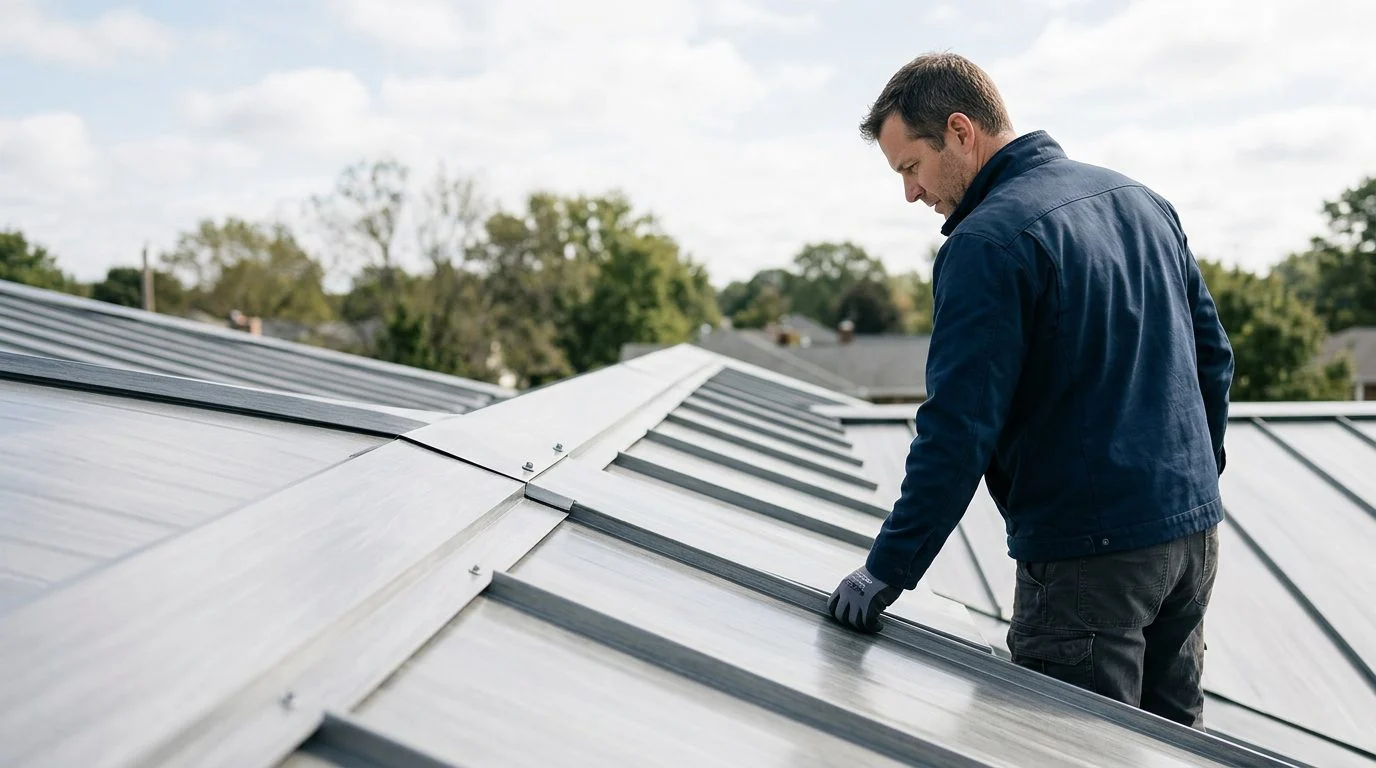
Metal and tile roofs fail in different ways, so inspectors look for different signs. On metal, check fasteners, panels, and seams for loosening or damage. On tile, look for cracked or displaced tiles.
Underlayment and flashing matter on either material. Underlayment is the water-resistant layer beneath the roof covering. Flashing seals edges and openings. A roof surface can look sound while these layers below it have failed.
Replacement also brings code requirements. Under Florida’s windstorm rules, certain mitigation techniques, such as a secondary water barrier, may apply to a roof replacement on a site-built single-family home, depending on defined conditions like wind zone, an exposed roof deck, and cost limits.
Not sure what your next step is?
Talk it through with our team — the first consultation is free, confidential, and carries no obligation.
Next Steps and Talking With ASP Superhome
Start by reading the roof section of the report closely. Write down each roof finding, photograph existing conditions, and ask for a written estimate.
Before you sign a roofing contract, check the protections Florida law requires. The Florida Department of Financial Services also publishes FAQs for homeowners about roofing contractors.
If your roof just failed its four-point review and you’re weighing repair against replacement, our team can walk through your options with you. Our first consultation is free, confidential, and comes with no obligation to continue. Contact ASP Superhome to start.
Can a failed roof item cause my insurer to drop my policy?
The Florida rule for roofs 15 years or older applies only when an authorized inspection is performed, and it does not stop an insurer from acting on the roof’s condition. Fla. Stat. § 627.7011
Is a four-point inspection the same as a full home inspection?
No. A four-point inspection covers four systems, while a full home inspection covers the whole structure in more depth.
Do I need a permit to replace a roof in Miami?
Permits are generally needed for roofing work in the City of Miami, though some minor repairs may be exempt under the Florida Building Code and local rules. Timing for each step depends on the specifics of your project and the scheduling involved.
Don't ignore a failed report
A failed four-point inspection is a signal that the roof needs attention before the property moves forward. Leaving the item unaddressed can create problems with an insurance policy or a sale, so review the report with a professional as soon as you receive it.
How to Move Forward After a Failed Inspection
Read the report line by line
Find the exact item the inspector flagged, note the condition described, and write down any questions about what the inspector recommended.
Weigh repair against replacement
A targeted repair can be the right fit when the damage is isolated. When the roof is aging, widespread, or repaired many times, replacement may cost less over time.
Match materials to your home
Metal roofing, tile roofing, and other options differ in lifespan, weight, appearance, and maintenance needs. The right choice depends on your home's structure and your goals.
Get a clear plan in writing
Ask for a written scope of work, timeline, and material details so you can share an accurate plan with your insurer, lender, or buyer.
Start With a Free First Consultation
Free and confidential
Your first consultation with ASP Superhome is free and confidential.
No obligation
Talk through your inspection report with no obligation to continue.
Clear next steps
We'll explain what the failed item means and outline repair, replacement, or other options that fit your home.
A team that listens
Our team works with South Florida homeowners on roof repair, roof replacement, and related upgrades, from metal and tile roofing to impact windows and doors, solar, and kitchen remodeling.


