


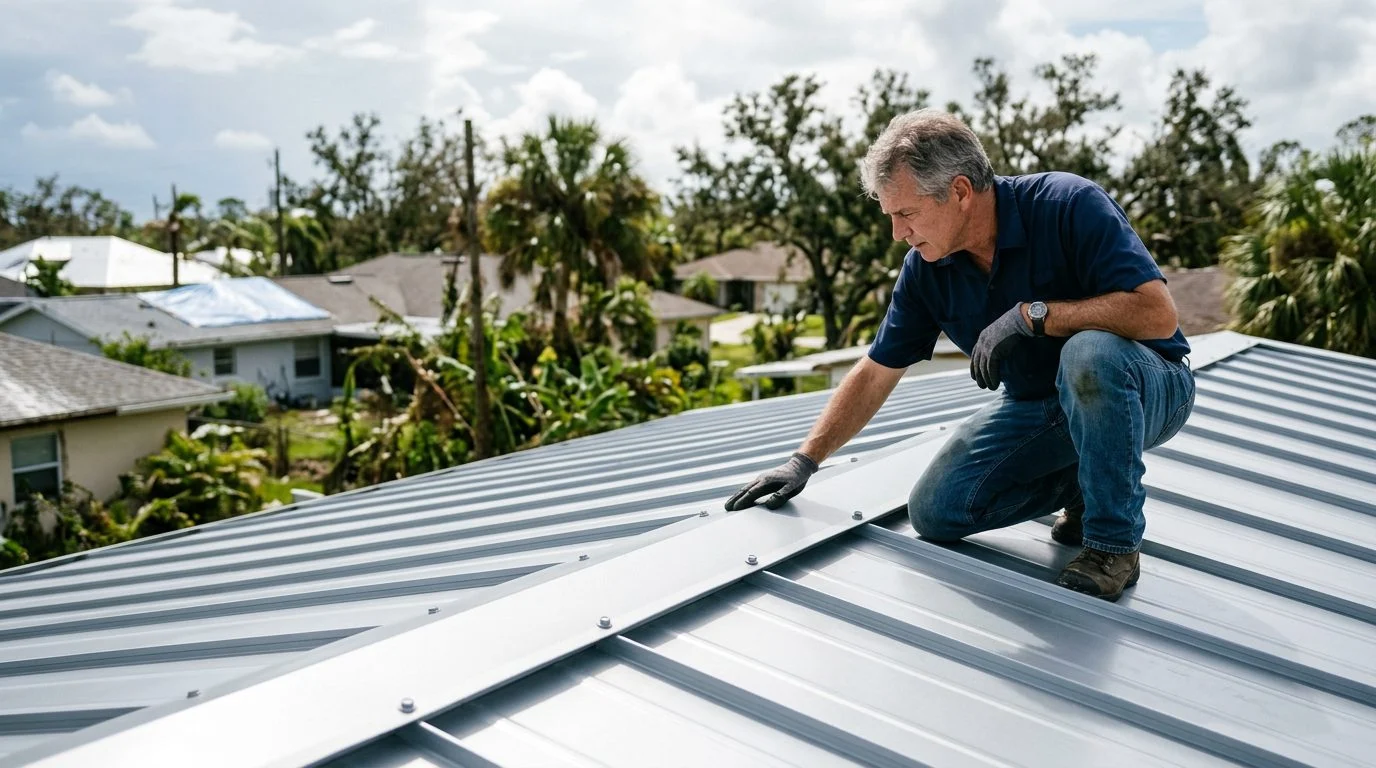
Roof Replacement · South Florida
Replace Your Roof This Hurricane Season, With a Plan for Every Storm Forecast
Get a clear plan for timing, open-roof protection, and scheduling pauses for Miami, Fort Lauderdale, West Palm Beach, Kendall, Boca Raton, Naples, and Fort Myers homes.
By Jonathan Rodriguez · Published October 27, 2026
You can replace a roof during hurricane season in Florida. The work moves forward on suitable days and pauses when severe weather is forecast or present. The bigger planning question is how to protect the home while the roof is open.
This page covers timing, open-roof protection, and the insurance and code rules that homeowners in Miami, Fort Lauderdale, West Palm Beach, Kendall, Boca Raton, Naples, and Fort Myers often ask about.
Short Answer: Yes, With Weather Pauses
A roof replacement can be scheduled during hurricane season. Crews work on days with suitable conditions. They stop when wind, lightning, or heavy rain makes the job unsafe. Pauses shift the schedule, but they don’t end the project. Timing depends on the facts of each home, the roof type, and the storm forecast, so each schedule is set case by case. Planning ahead gives you more choices about when work starts and how the roof is protected between work days.
If your roof is aging, storm-worn, or due for replacement, we can talk through the timing and protection options before the season begins. Talk it through with our team — the first consultation is free, confidential, and carries no obligation.
Why Timing Matters in South Florida
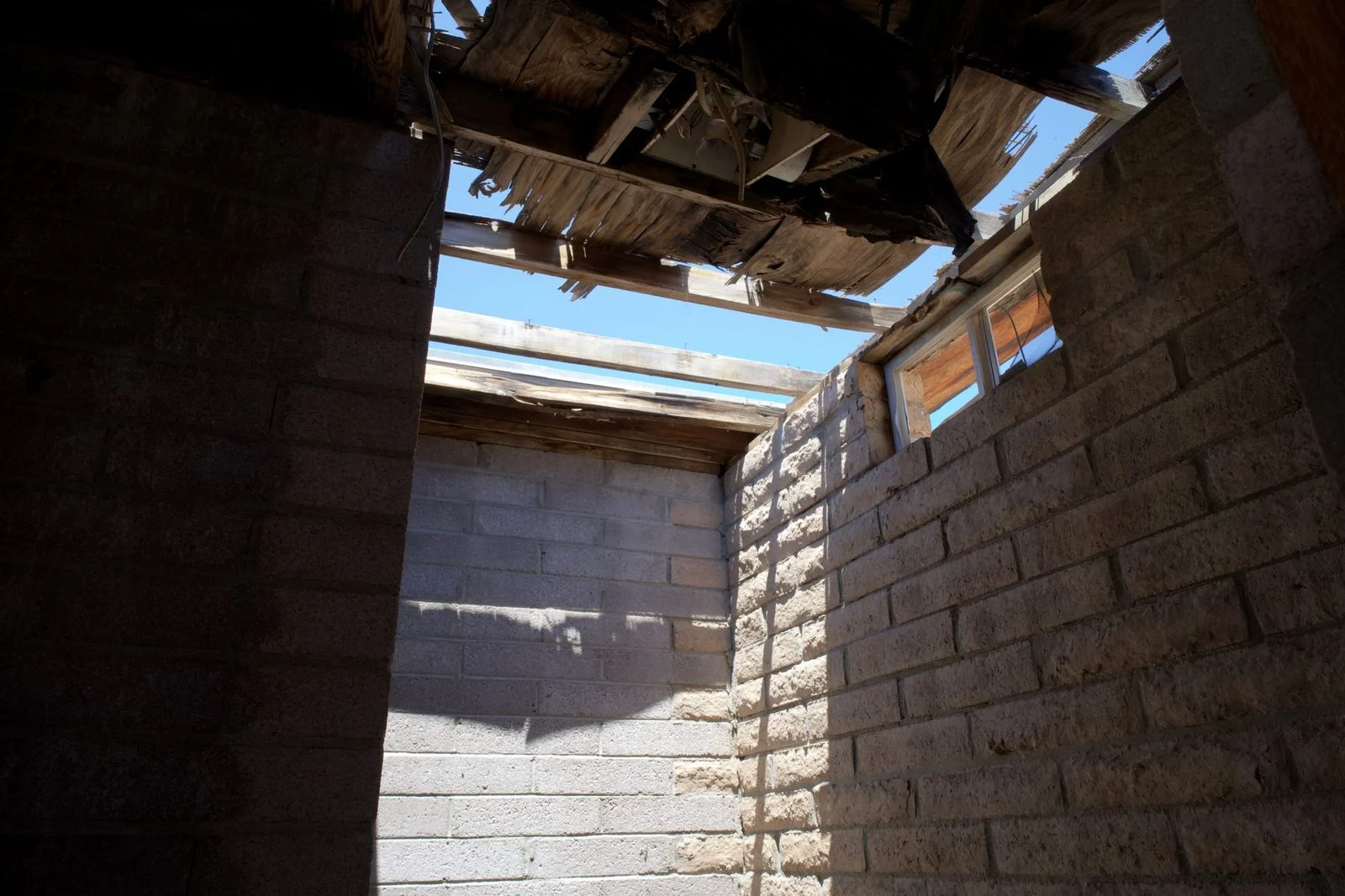
Florida’s hurricane season overlaps with its rainy season. That means the same roof can face heavy rain and strong wind in the same weeks. An open roof has less margin for error than a finished one. Water that gets under a partly removed roof can reach the inside of the home quickly if the deck is not protected.
Roofing demand also rises before and after storms. When many homeowners call at once, the calendar fills and start dates move out. Starting early usually leaves more room in the schedule than waiting until a storm is in the forecast. Early planning also gives you time to handle permits and insurance paperwork before work begins.
What Weather Pauses Look Like on a Replacement Job
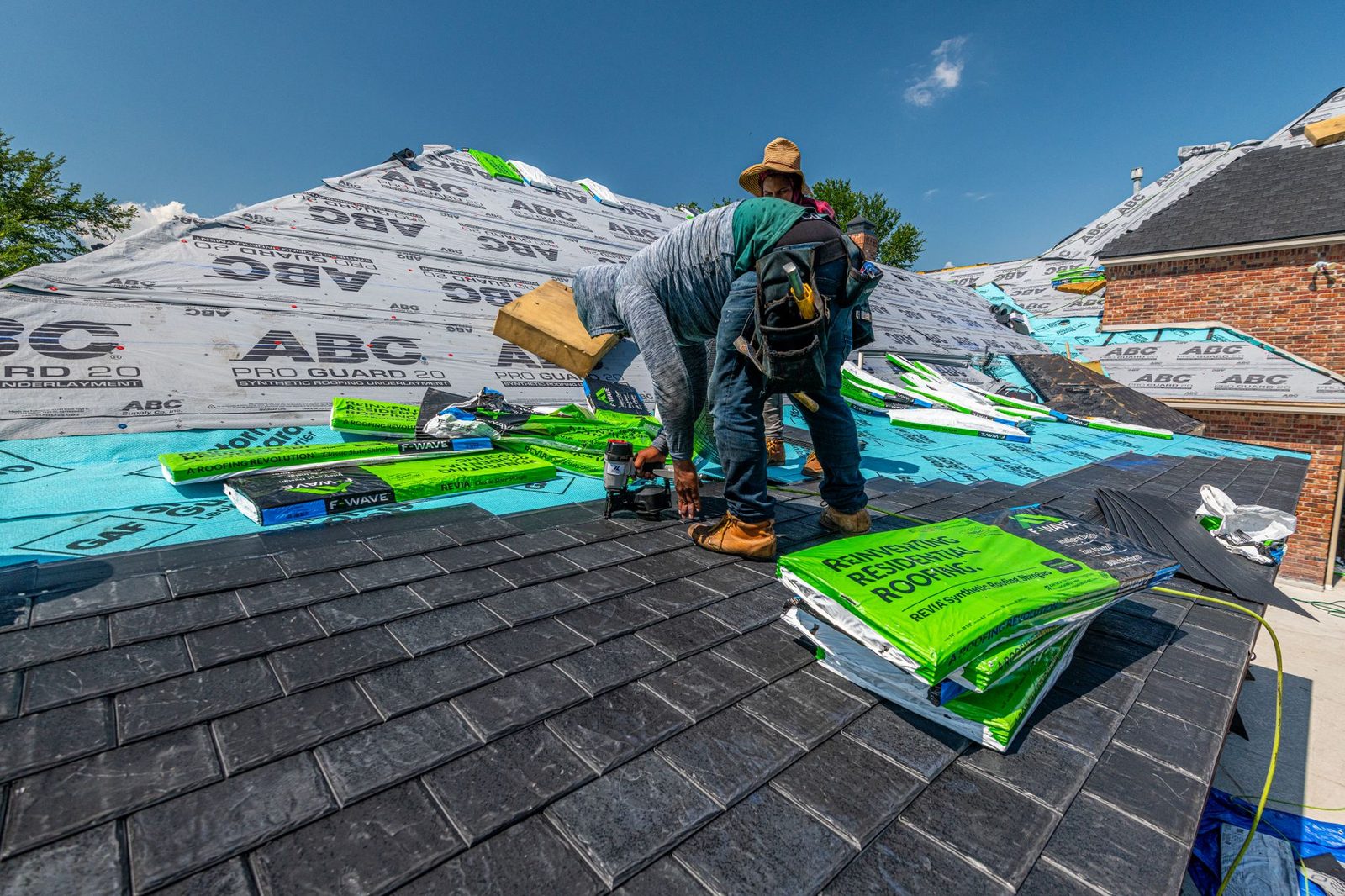
A typical replacement stops tear-off when wind, lightning, or heavy rain makes the work unsafe for workers. The crew should not leave an open roof exposed during a pause. The roof is closed in and secured. Loose materials are fastened down, and temporary covers go on where the weather calls for them.
A pause doesn’t mean the project is abandoned. It means the schedule shifts while the crew and homeowner protect the structure. Communication matters here. Ask who will contact you about delays, how they will reach you, and what happens to your start date. Get those answers in writing before work begins.
Protecting an Open Roof Before a Storm
The key idea is the dried-in sequence. Underlayment and deck protection go down so water stays out during gaps in the work. Once the roof is weathertight, the home is far less exposed. Before a forecast storm, a careful crew secures loose materials, clears debris that could blow away, and seals openings. These steps only work if they happen before the weather arrives.
Roof type changes the steps. Metal, tile, and shingle systems each need different handling and fastening. Once the roof is weathertight, impact windows and impact doors protect the interior from wind-driven rain and flying debris. For the full pre-season planning path, see the roof replacement page on this site.
Roof Types and How They Affect Scheduling
Metal roofing and tile roofing differ in weight, install sequence, and how quickly they can be sealed after tear-off. Tile is heavier and needs more careful handling during install. Those differences shape the schedule. Metal roofing has a useful track record in storms. According to the Insurance Institute for Business & Home Safety, observed wind performance in Southwest Florida during Hurricane Ian found that metal roofing systems held up well in winds below 130 mph (IBHS Hurricane Ian findings).
Replacement is different from repair. A full replacement opens the whole roof at once, so a protection plan matters more than it does for a small repair. Solar panels add another step. If panels are present, they may need removal and reinstallation, which adds time. That work should appear in the estimate so the timeline is realistic.
Insurance, Repair vs. Replacement, and the 25% Rule
The 25 percent figure in Fla. Stat. § 553.844 refers to situations where 25 percent or more of a roofing system or roof section is being repaired, replaced, or recovered. Florida law provides that when an existing roofing system or roof section was built, repaired, or replaced under the 2007 edition of the state building code or a later edition, and at least one-quarter of that system or section is repaired, replaced, or recovered, only that repaired, replaced, or recovered portion must be constructed under the code in effect (Florida Statutes section 553.844).
The insurance rule is separate. Under Fla. Stat. § 627.7011, a policy covering the dwelling is deemed to include law and ordinance coverage limited to 25 percent of the dwelling limit, unless the insurer obtains the policyholder’s written refusal.
For storm damage, notice deadlines matter. Under Fla. Stat. § 627.70132, a claim must be noticed within 1 year after the date of loss, and a supplemental claim within 18 months; these time limits are tolled during any term of deployment to a combat zone or combat support posting that materially affects a servicemember’s ability to file. For hurricanes, the date of loss is the date the hurricane made landfall. Document the roof’s condition with dated photos before work starts.
Not sure what your next step is?
Talk it through with our team — the first consultation is free, confidential, and carries no obligation.
Codes, Permits, and Replacing Over an Existing Roof
If your home is in Miami-Dade County, the Miami-Dade roofing permit page lists required forms, checklists, and certain hurricane-mitigation documentation.
Code requirements can change the scope of work. Under Florida Statutes section 553.844, roof-to-wall connection upgrades during a roof replacement apply to site-built single-family homes in the wind-borne debris region with an insured value of $300,000 or more or, if the home is uninsured or documentation of insured value is not presented, a just valuation for the structure of $300,000 or more. Even then, they are not required unless evaluation and installation of connections at gable ends or all corners can be completed for 15 percent of the cost of roof replacement.
Payment timing also matters. Under Fla. Stat. § 489.126, a contractor who receives more than 10 percent of the contract price as initial payment must apply for permits within 30 days after that payment, except where the work does not require a permit under the applicable codes and ordinances. The contractor must start work within 90 days after the permits are issued, unless the contractor has just cause for failing to apply for the necessary permits, starting the work, or refunding the payment, or unless the person who made the payment agreed, in writing, to a longer period.
Can a Homeowner Repair or Replace Their Own Roof?
Roof work is physically risky in Florida’s storm-prone climate. It involves falls from height, and wind can lift loose materials or tarps. Electrical hazards also matter when wiring or solar equipment sits near the roof edge. These risks rise during the weeks when storms are active and roofs stay wet.
Replacement involves more than shingles or panels. Underlayment, flashing details, and fastening patterns affect how the roof holds up in wind and rain. Warranty terms often depend on whether the work followed the required steps. Permits and inspections also apply to owner-led work, so the same code standards still govern the result.
Florida law also sets contract rules. Florida law requires that a contract to replace or repair a roof on residential property include specified notice language in bold type of not less than 14 points, placed on the page reserved for the owner’s signature (Florida Statutes section 489.147). That language advises the owner that, if the proposed work is related to an insurance claim, they should contact their insurance company to verify coverage, including any claims, deductibles, and policy terms, before signing. Professional installation is the safer route for both safety and build quality.
Planning Ahead: A Timeline Before the Season
Start planning early. A practical sequence runs like this: inspection, estimate, insurance documentation, material selection, permit filing, and scheduling. Each step feeds the next. The inspection shows the roof’s condition. The estimate sets the scope. The insurance review confirms what the policy covers.
Permits take time. In the City of Miami, the first review cycle may take up to 14 business days. Rules vary across South Florida cities and counties, so the timeline is confirmed during the estimate. Mitigation paperwork can also affect premiums. According to the Florida Office of Insurance Regulation, homeowners can use an official mitigation inspection form and submit it to an insurance agent to seek hurricane-wind mitigation premium discounts (premium discounts for hurricane loss mitigation).
Talk Through Your Roof Before Storm Season Starts
If your roof is aging, storm-worn, or due for replacement, the timing decision may be on your desk now. You can start with an estimate that covers the schedule, the protection plan, and the insurance steps. Your first consultation is free, confidential, and comes with no obligation to continue. Book your estimate here.
Can you replace a roof during hurricane season in Florida?
Yes. Work can be scheduled during hurricane season and pauses when weather makes it unsafe.
What is the 25% rule for roofing in Florida?
Should a 20-year-old roof be replaced?
Age is one factor. Florida law (Fla. Stat. § 627.7011) provides that an insurer may not decline to issue or decline to renew a homeowner’s insurance policy insuring a residential structure with a roof that is less than 15 years old solely because of the age of the roof. For a roof that is at least 15 years old, the insurer must allow the homeowner to have a roof inspection performed by an authorized inspector at the homeowner’s expense before requiring the roof to be replaced as a condition of issuing or renewing the policy, and it may not refuse to issue or renew solely because of roof age if that inspection indicates the roof has 5 years or more of useful life remaining. The inspected condition guides the recommendation.
Can you repair your own roof in Florida?
Roof work carries fall and wind risks, and replacement involves permits and code details. Professional installation is the safer route.
How much does it cost to replace a roof in Florida?
Cost depends on the roof’s size, materials, and condition. The estimate gives you the actual number for your home.
Can you put a new roof over an old roof in Florida?
That is decided during the estimate, based on code and the condition of the deck.
How We Plan a Roof Replacement in Hurricane Season
Weather-Aware Scheduling
Work moves forward on suitable days and pauses when severe weather is forecast or present, so your schedule reflects conditions on the ground.
Open-Roof Protection
We plan how the home is protected while the roof is open, so the interior stays as safe as possible between work sessions.
Code and Insurance Questions
We walk you through the permitting and documentation steps that commonly come up with roof replacement, so you know what to expect.
Clear Communication
Our team keeps you informed about timing, pauses, and next steps from the first consultation through completion.
Ask About Your Weather Plan Before Work Begins
Confirm how your project will handle forecast storms, what protection is in place for an open roof, and who to contact if conditions change. Clear answers up front make the schedule easier to follow.
Planning Your Roof Replacement, Step by Step
1. Free First Consultation
Start with a confidential, no-obligation consultation to review your roof, your timeline, and your concerns about storm season.
2. Timing and Materials
Compare options such as metal roofing and tile roofing, and align the installation window with suitable weather days.
3. Open-Roof Preparation
Prepare the home for the period when the roof is open, including protecting interior spaces and planning for pauses.
4. Installation and Follow-Up
Work proceeds in stages, with updates on any weather pauses until the new roof is complete.


