



Roof Replacement · South Florida
Got a Roof Age Letter From Your Insurer? Here's What to Send Back
Roof age questions can feel confusing. Learn what your insurer is asking for, what documents help, and how to respond with confidence.
By Jonathan Rodriguez · Published October 27, 2026
A roof age letter from insurer usually asks two things: when your roof went on, and what shape it’s in today. Reply with dated records that answer exactly what the letter asks. Every insurer runs its own process, so the letter is your guide. This page explains what to look for, for homeowners from Miami to Fort Myers.
What a Roof-Age Letter From Your Insurer Is
A roof-age letter is your insurer’s written request for details about your roof’s age and general condition. Carriers ask because roof age shapes how much risk they carry on a home.
The letter may come by mail or as a notice in your insurer’s online portal. It usually names a response window and lists the roof details the carrier already has on file. Read the exact wording first. Note the deadline, the items requested, and where to send your reply.
Florida law sets a notice rule for renewals. A property insurer must give the first-named insured at least 45 days’ advance written notice of nonrenewal or of the renewal premium, but only if the insured has furnished all of the necessary information so the insurer can develop the renewal premium prior to the expiration date of the policy to be renewed. A nonrenewal notice must also state the reasons, if you gave the insurer the information it needed before expiration (§ 627.4133).
Don’t guess at missing details. Write down what you know and where each detail came from. Keep the original letter and its envelope or portal date, since they show when the request arrived.
If a roof-age letter has you digging through old invoices and permits, our team can help you pull together a clear, complete reply. Talk it through with our team — the first consultation is free, confidential, and carries no obligation.
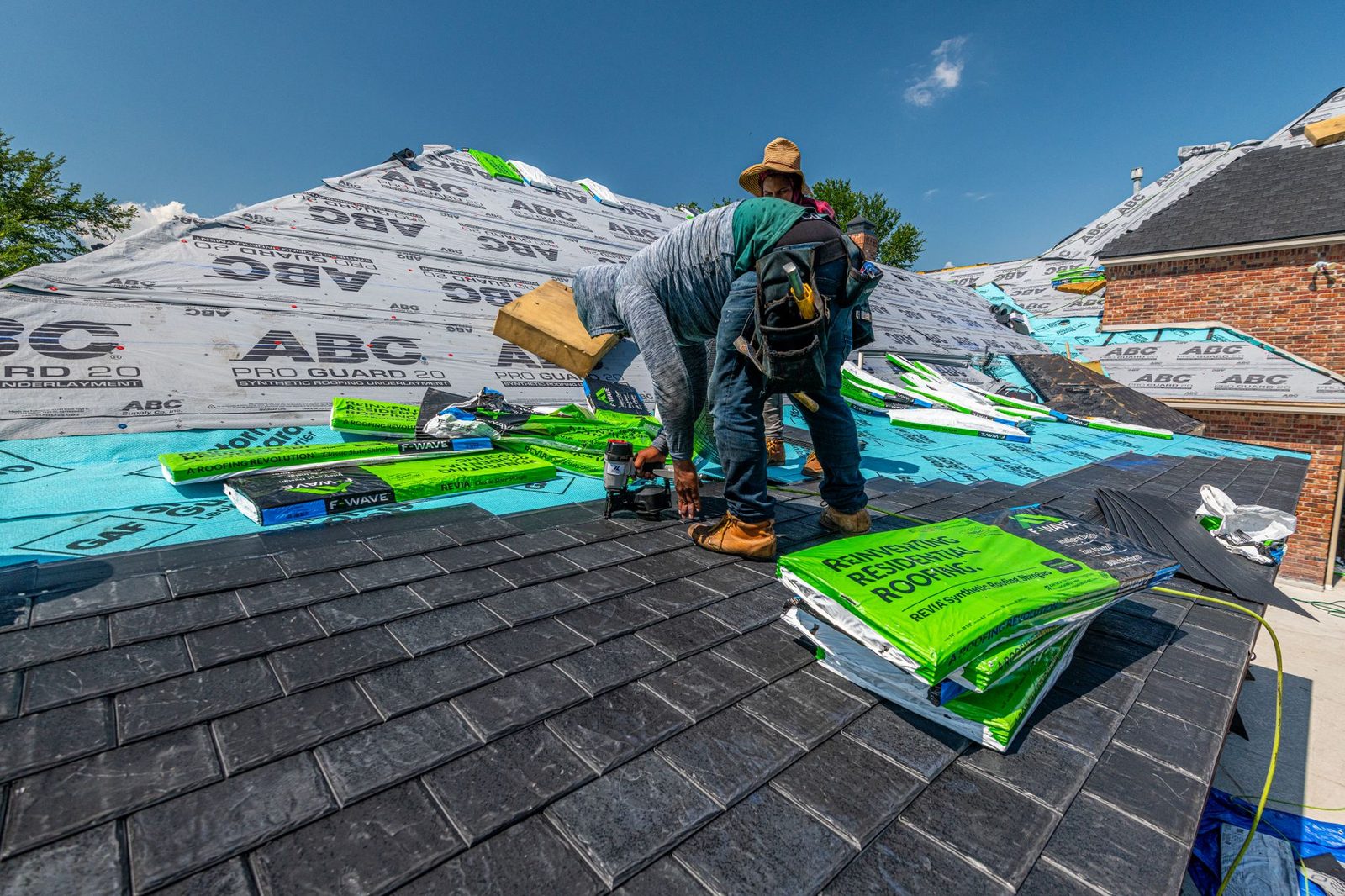
What the Insurer Usually Asks For
Most roof-age letters ask for three things: the installation year, the roofing material, and the roof’s current condition.
The installation date matters most. A letter may ask for proof of that date, not only your memory of it. A contract, invoice, or permit shows the year far better than a recollection. If you’re unsure of the year, say so, and send what you can find.
Material matters too. Name the material exactly, whether shingle, tile, or metal.
Condition comes last. Carriers may request photos or inspection findings.
Answer each request on its own line. If the letter asks for photos of all sides, send photos of all sides, each with a date. Keep your answers short and factual.
Documents That Help Show Roof Age and Condition
The strongest proof is a dated record from the roof work itself.
Start with invoices, contracts, and itemized receipts. They show the date and scope of the work. A permit record adds an official date from the local enforcing agency.
Next, add professional inspection reports and dated photos of the roof’s current condition. A written inspection report lists what the inspector saw, the date, and who did the inspection. Photos should show the roof itself, not only the house. Keep the original image files, not screenshots.
Product records matter too. Shingle or tile labels, manufacturer warranty paperwork, and installation receipts show what went on the roof. For impact-rated products, Florida law bars advertising or selling a product as hurricane or windstorm impact protection unless it is approved under that section or a related one. Approved products are added to a state-approved product list (§ 553.842).
Keep original signed documents, and scan a copy for your records. Keep copies together in one folder, on paper or digital. A future request is easier to answer when every record is in one place.
How a Roof Replacement Is Documented
A roof replacement leaves a paper trail, and each step can serve as proof later.
The typical trail runs like this: permit application, signed contract, material delivery record, installation invoice, final inspection sign-off, and warranty registration.
Under Florida law, work that repairs or alters a building needs a permit first, unless the law provides otherwise (§ 553.79). Ask whether your roof job has a permit. The statute defines “close” as the point when the permit’s requirements have been satisfied. Ask for the closed permit record, not just the application.
Ask for copies of each item at the close of the job, so none gets lost. Keep every page in one folder. When a future insurer request arrives, the answer is already in hand.
Common Questions About Roof Age and Insurance
Roof age is one factor insurers review, along with the roof’s documented condition.
Do I need to tell my insurance company that I got a new roof?
Report a new roof the way your policy and letter direct. A new roof changes the record your insurer holds about your home. Keep proof that you sent the notice, too.
Is a 10-year-old roof too old?
Roof age is one factor, and insurers weigh it with condition. Insurers set their own roof-age criteria and weigh age together with the roof’s current state, so detailed written maintenance records can help.
What is the 25% rule for roofing?
It’s a building code rule, not an insurance rule. Florida law says that if 25 percent or more of a roof section is repaired, replaced, or recovered, only that portion must meet the Florida Building Code in effect (§ 553.844). This applies when the section was built, repaired, or replaced under the 2007 code or a later edition. Check your letter for any question about partial work, and answer from your records.
Organizing Your Response and Timing a Roof Replacement
Your response to a roof age letter from insurer starts with the deadline, the items requested, and copies of everything you send.
- Confirm the response deadline in the letter.
- Match your documents to each request.
- Label photos with dates and keep the originals.
- Keep copies and proof that you sent the reply.
Plan the paperwork before the deadline, not in the last few days.
Wind mitigation records can help too. Insurers must accept as valid, for wind discounts, a uniform mitigation verification form signed by an authorized mitigation inspector, such as a licensed home inspector who has completed at least 3 hours of hurricane mitigation training and a proficiency exam, or a certified building code inspector. The Financial Services Commission gives guidance on how long inspection results stay valid (§ 627.711). The Florida Office of Insurance Regulation explains that inspections follow set procedures and that the form has a validity period. Keep the wind mitigation form with the roof records so both are easy to find. Knowingly giving a false mitigation form with the intent to get a discount on an insurance premium you are not entitled to is a first-degree misdemeanor under the same statute.
That limit lasts until it gets reasonable proof you paid the deductible. A canceled check, money order receipt, credit card statement, or copy of an executed installment plan contract is reasonable proof (§ 627.7011).
Storm-related claims have deadlines. A claim is barred unless notice was given within 1 year after the date of loss. A supplemental claim is barred unless notice was given within 18 months (§ 627.70132).
Record any repairs made before the letter arrived, with dates and receipts.
Not sure what your next step is?
Talk it through with our team — the first consultation is free, confidential, and carries no obligation.
Talk Through Your Roof Records With Our Team
If a roof age letter from insurer is in your hands and your roof papers are scattered, our team can help you sort them.
Maybe the contract sits in an old email, the permit is in a drawer, and nobody remembers the install year. That’s a hard spot, but you can work through it one record at a time.
Request a free estimate and we’ll review your roof with you. We’ll also help you organize the records the letter asks for. Bring whatever you have, even if it’s incomplete. Our first consultation is free, confidential, and comes with no obligation to continue.
We can’t control what your insurer decides. A complete, dated reply gives your carrier clear facts to review.
What Our Team Helps With
Reviewing the letter
We can help you read what your insurer is asking for so you know which details matter for your roof.
Finding the right records
Installation dates, invoices, and permit details are often easier to locate than people expect. Our team can point you to what to look for.
Planning roof work
If your roof needs repair or replacement, we can discuss metal or tile options, from roof repair to full roof replacement.
Talking it through
Questions about your home's roof age can come up at any time. Our team focuses on clear, straightforward answers.
What to Gather Before You Reply
Installation records
Any invoice, contract, or work order that shows when the roof was installed or last replaced.
Permit documents
Local permit paperwork can help confirm the year of roof work on your property.
Dated photos
Clear photos of the roof and its condition can support the information in your reply.
Your policy number
Include the policy and letter reference numbers so your insurer can match your reply to your file.
Don't Guess
If you are not sure of your roof's installation year, do not estimate it. Send the records you have, note what is missing, and keep copies of everything you send.


