


Roofing | South Florida
Understand Your Roof Deck Before You Re-Roof
How the Florida Building Code shapes roof deck attachment, and what it can mean for your replacement or repair project.
By Jonathan Rodriguez · Published November 4, 2026
Roof deck attachment requirements under the Florida Building Code set how the roof’s sheathing is fastened to the framing below it. When you replace a roof, the code and your permit help decide whether the existing deck can stay, must be renailed, or must be replaced. This guide explains those rules for homeowners in Miami, Fort Lauderdale, Kendall, and across South Florida.
What Roof Deck Attachment Means and Why Florida Code Focuses on It
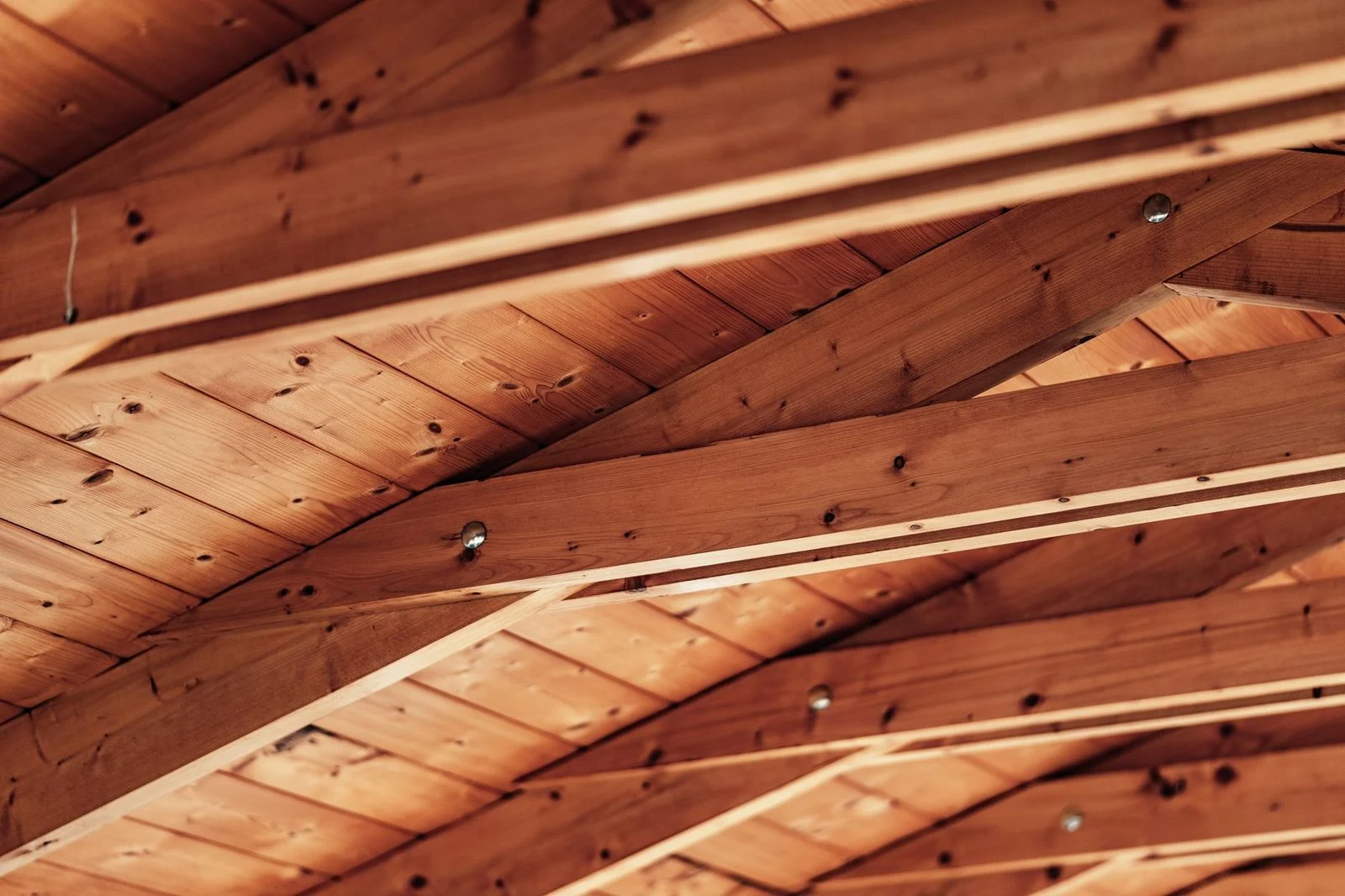
Roof deck attachment is the set of nails or screws that hold the roof deck to the rafters or trusses. The roof deck is the flat layer of sheathing, usually plywood or oriented strand board (OSB), that covers the framing. Shingles, tile, and metal panels all fasten into this layer.
Florida focuses on this connection because of wind. Strong wind pulls upward on a roof, a force called wind uplift. The deck-to-framing connection is what resists that pull. If it’s weak, wind can lift sections of roofing off the house.
The deck is also the base for new roofing. New material is only as secure as the deck beneath it. A sound deck with weak fasteners, or a rotten deck under new shingles, can fail even when the new covering is installed well.
If your tear-off uncovered soft or rotted decking, you may wonder what the code requires before new roofing goes on, and our team can walk through it with you. Talk it through with our team — the first consultation is free, confidential, and carries no obligation.
Which Florida Building Code Provisions Apply When You Replace a Roof
Reroofing falls under the Florida Building Code. Fla. Stat. § 553.73 says the code contains or incorporates the laws and rules that govern the repair and replacement of buildings.
Florida law also requires a permit before most building repairs and alterations. Fla. Stat. § 553.79 makes it unlawful to do that work without first getting a permit from the enforcing agency. The agency may charge reasonable fees for the permit.
Local rules add detail. That matters for Miami and Kendall projects.
Editions change the details, too. The Florida Building Commission’s 9th Edition residential analysis of section R908.3 describes the recovering rules. Check which edition your permit applies.
What Gets Evaluated in the Roof Deck During a Replacement
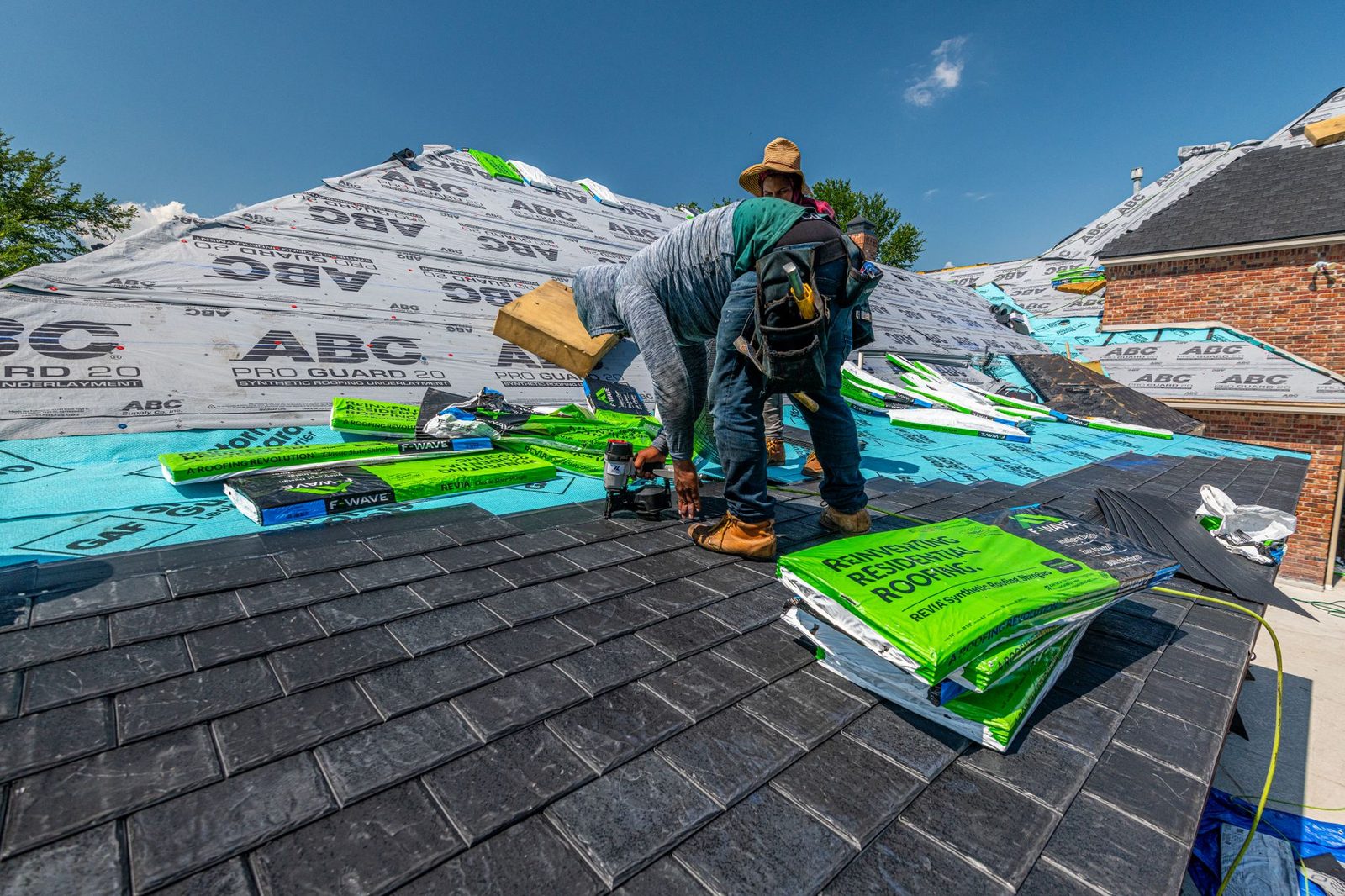
The deck is checked once the old roofing comes off. Crews and inspectors look for rot, delamination (layers of plywood or OSB separating), water stains, sagging, and loose or missing fasteners. Many of these problems stay hidden under shingles or tile until the tear-off.
Failed sections need repair or replacement. Covering a damaged deck hides the problem. New roofing nailed into soft wood will not hold well. Findings can change the material list and labor, so the scope may shift after tear-off.
Whether the rest of the roof must meet current code depends on the facts. For an existing roofing system or roof section that was constructed or last worked on in line with the 2007 Florida Building Code or a later edition, a quarter or more of it being redone (fixed, swapped out, or layered over) means only the redone part must meet the Florida Building Code in effect.
When Existing Wood Decks Can Be Renailed
Renailing adds or replaces fasteners to improve the hold on the framing. It only makes sense when the wood itself is still solid.
The recovering rules set the test. The Commission’s analysis says an upper roof covering can be removed during recovering only when the existing or repaired substrate is adequate for the new covering.
Renailing does not fix rot or delamination. Nails cannot hold wood that has crumbled. Damaged panels need replacement before the new roofing goes on.
A common mistake is treating renailing as a quick patch for a soft spot. A soft spot signals a deck problem that needs inspection first.
Attachment Requirements for New Roof Decking
The schedule depends on the wood species, which is measured by specific gravity (a measure of wood density).
Roofs must also meet all of Section 1504, the wind resistance of roofs section. A revision to Section 1504 clarifies that roofs must comply with all of that section.
Contact ASP Superhome to confirm the details for your building.
How Deck Attachment Connects to Wind Mitigation Inspections
Construction features that reduce loss can be discussed with our team when you plan your project. Under Fla. Stat. § 627.711, insurers use a uniform mitigation verification inspection form to factor those discounts.
The inspection records what is on the building now.
Roof-to-wall connections follow a separate rule. Under Fla. Stat. § 553.844, for site-built, single-family residential structures built before the Florida Building Code that are not otherwise required to comply with its new-construction requirements, the statute sets a cost limit of approximately 15 percent of the cost of reroofing. On a roof replacement, the roof-to-wall connection requirement applies only to a home that is in the wind-borne debris region (as defined in s. 1609.2 of the International Building Code (2006)) and that has an insured value of $300,000 or more. If the home is uninsured, or no documentation of insured value is presented, the test is a just valuation of the structure for ad valorem tax purposes of $300,000 or more. Even for those homes, roof-to-wall connections are not required unless evaluating and installing them at gable ends or all corners can be completed for 15 percent of the cost of roof replacement. Under § 553.844(3)(a), a roof replacement on a site-built, single-family residential structure must include the techniques specified in subparagraphs (2)(b)2. and 4.
Keep records of new decking and fastening from the replacement. A clear record helps with future inspections.
Not sure what your next step is?
Talk it through with our team — the first consultation is free, confidential, and carries no obligation.
Planning a Roof Replacement Around Deck Requirements
The usual order of work runs from permit and inspection to tear-off, deck evaluation, repair or renailing, underlayment, and then new roofing.
Settle a few questions early. Know the roof’s age, any visible decking damage, past leak history, and the material you’re choosing. Tile, metal, and shingle systems each carry their own permit and product-approval details.
Frequently Asked Questions
Does a roof deck have to be replaced before new roofing?
Not always.
What does roof deck attachment require in Florida?
The Florida Building Code sets fastener requirements based on the framing wood. The right nail and schedule depend on the building’s details.
Does an inspection change my roof’s code requirements?
No. A wind mitigation inspection records what is on the building now.
Talk Through Your Roof Deck with Our Team
If your tear-off shows soft decking, or a leak has stained your ceiling, you may not know what the code asks for before new roofing goes on. ASP Superhome can talk through the deck, the permit, and your replacement options with you. To book a free estimate or request a quote, contact ASP Superhome. Your first consultation is free, confidential, and comes with no obligation (in Spanish: consulta inicial gratuita, confidencial y sin compromiso).
What Shapes Roof Deck Attachment Requirements
Deck Material and Framing
The Florida Building Code ties fastener requirements to the wood used in the roof framing, so the material beneath your shingles or tiles matters.
Your Roof Details
The right nail type and schedule depend on the specifics of the building, including how the roof is built and what it is covered with.
Scope of the Project
Whether you are replacing the full roof or making a repair can change which attachment details come into play.
Inspection Findings
An inspection can reveal the condition and attachment of the existing deck, which helps set expectations before work begins.
Don't Assume the Existing Deck Is Compliant
A roof that has held up for years may still not reflect current code requirements for attachment. Have the deck evaluated before choosing materials or scheduling work.
Common Questions Homeowners Ask
Does the deck always need replacing?
Not always. Whether the deck can stay in place depends on its condition and how it is attached to the framing.
How do I know what applies to my home?
The answer depends on the building's details. Our team can review your roof's construction and explain what the code requires for your project.


