


Roof Replacement · South Florida
Is It Time to Replace Your Roof? Know the Signs Before Small Problems Grow
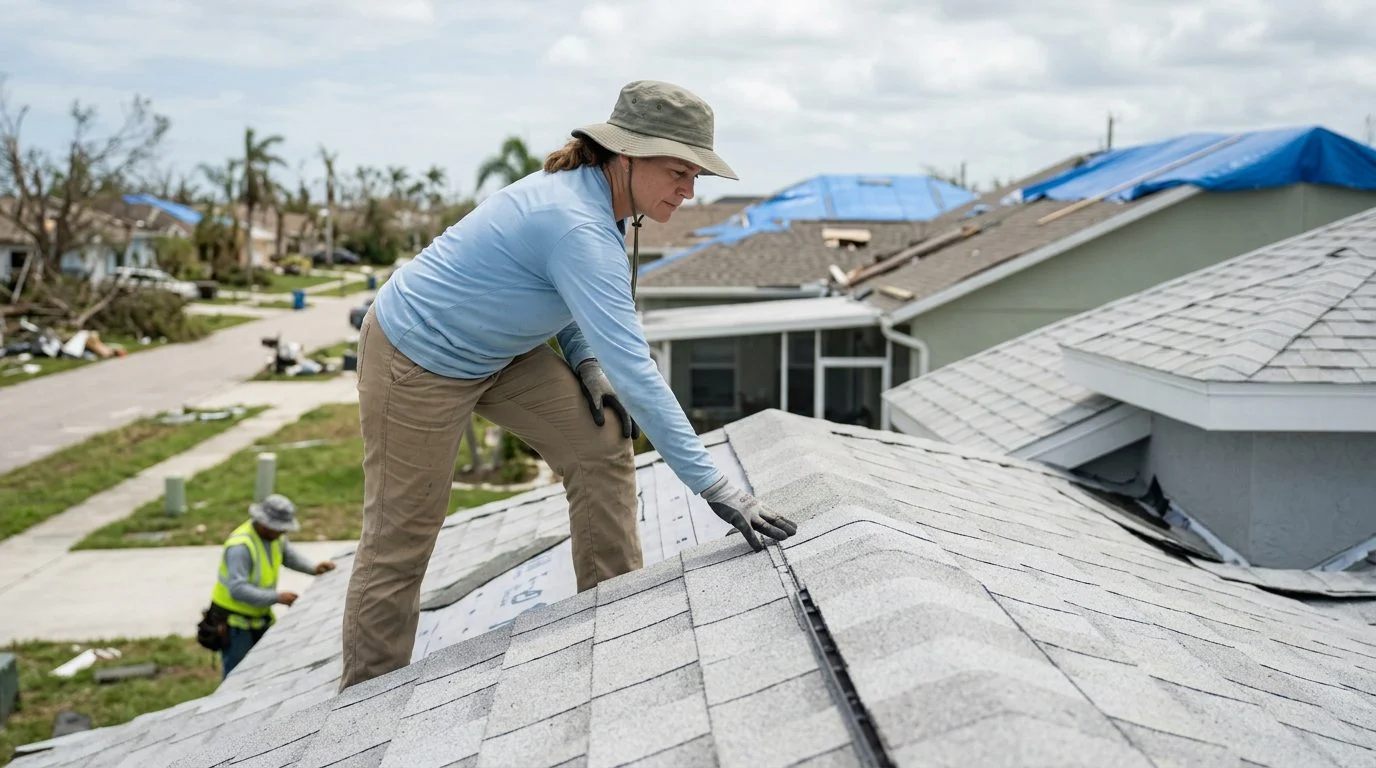
Roof replacement decisions in Miami, Fort Lauderdale, West Palm Beach, Kendall, Naples, Fort Myers and Boca Raton depend on age, condition and the weather South Florida homes face every year. Here is what to look for.
By Jonathan Rodriguez · Published November 3, 2026
Does Roof Age Affect Homeowners Insurance Florida?
Does roof age affect homeowners insurance Florida? Yes, it can. Florida law gives roofs at least 15 years old special treatment, but roof age is only one factor. This guide explains the rules, what insurers look at, and what you can document now. If you’re a homeowner, or helping a family member, these steps help you prepare before a renewal notice arrives.
If a renewal notice or higher premium tied to your roof has you worried, our team offers a free, confidential first consultation with no obligation to continue. Talk it through with our team — the first consultation is free, confidential, and carries no obligation.
What the 15-Year Roof Rule Is and Why It Exists
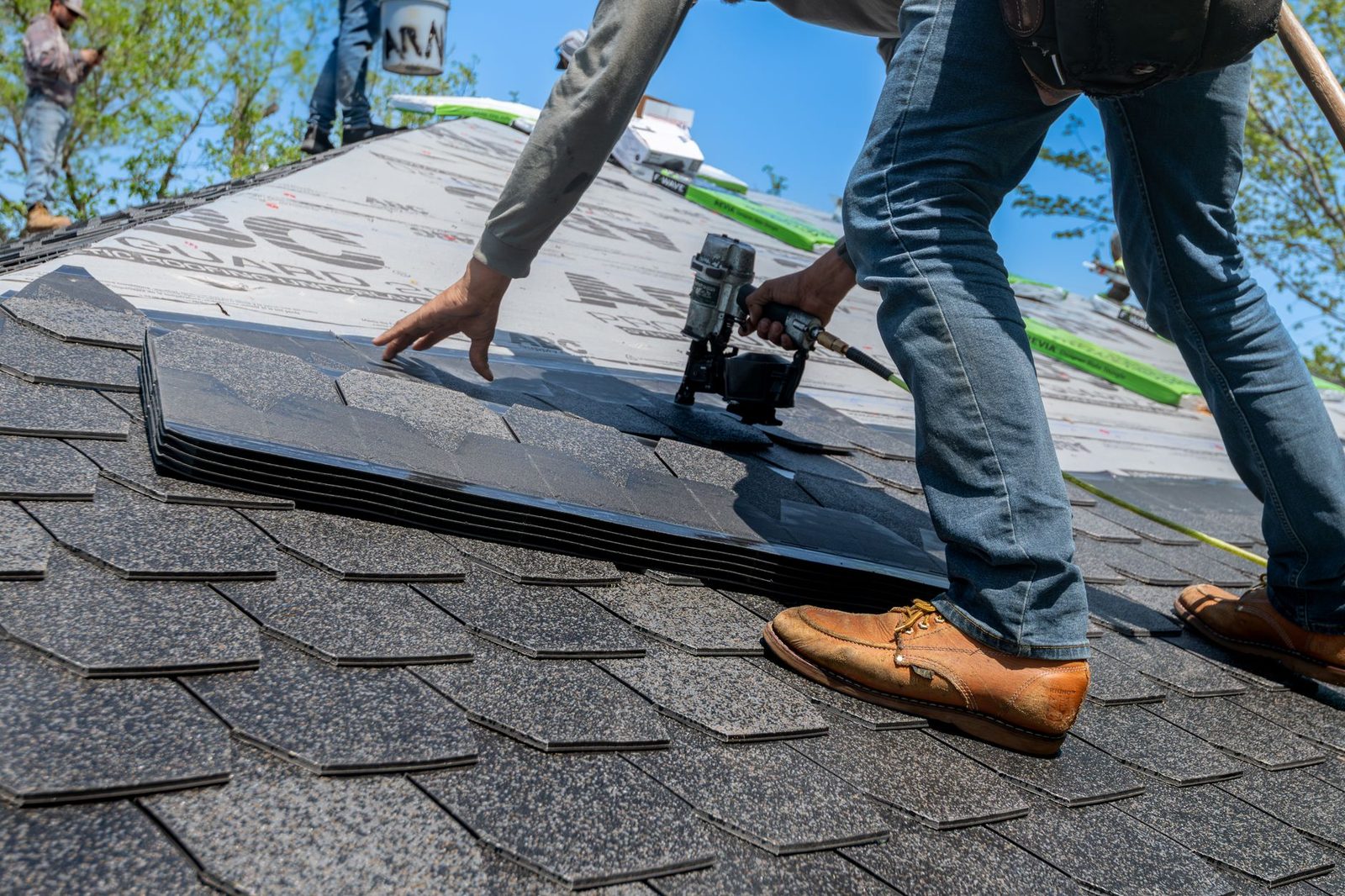
Under section 627.7011(5), Florida Statutes, for homeowner’s policies issued or renewed on or after July 1, 2022, an insurer may not refuse to issue or renew a policy solely because of the age of a roof that is less than 15 years old, and for a roof at least 15 years old it must allow an inspection by an authorized inspector at the homeowner’s expense before requiring replacement, and may not refuse solely because of roof age if that inspection indicates 5 years or more of useful life remaining. It gives homeowners a specific right. For a roof at least 15 years old, you can get an inspection before an insurer requires replacement. The rule does not say every roof becomes uninsurable at 15 years.
The statute also covers how a roof loss gets paid. It describes replacement cost coverage and sets payment steps for dwelling losses.
Roofs age through weather exposure, so insurers pay attention to age. The statute gives you a way to show a roof’s real condition. For the broader picture of roof work, see our roof replacement guide.
How Old Can Your Roof Be for Insurance in Florida?
The 15-year mark is the age where Florida’s roof inspection rule starts to apply. Once a roof is at least 15 years old, the insurer must allow an inspection by an authorized inspector. It must allow this before requiring replacement as a condition of issuing or renewing a policy. You pay for that inspection.
The rule helps a roof that is still in good shape. Florida law limits when an insurer may refuse to write or renew a homeowner’s policy solely because of the roof’s age. Under Fla. Stat. § 627.7011, a roof inspection meeting the statute’s requirements that finds at least five years of useful life remaining can prevent a denial based only on roof age.
Individual policies differ. Each insurer sets its own underwriting rules within the law. One company may ask for different documents than another. The useful-life test turns on the inspection result, so the roof’s condition on inspection day matters.
Roof Age Versus Roof Condition: What Insurers Look At
Insurers look at both roof age and roof condition, and they are different measures. An older roof in good shape can be viewed differently from a newer roof with visible damage. The statute’s useful-life test depends on an inspection, which measures condition rather than the calendar alone.
According to the IBHS roof aging research, roof materials age through everyday weather exposure. Age and condition often move together, but not always.
Signs a property owner can observe include:
- Missing, cracked, or lifted shingles or tiles
- Cracked or loose flashing around vents, chimneys, and valleys
- Granule loss on shingle roofs, which can show up in gutters
- Sagging along the roof line
Documentation supports the roof’s history. Work on a Florida home may need approval from the local building authority, and our team can explain what applies to your project. Keep permit records with your roof file. They show when permitted work was done.
Actual Cash Value vs. Replacement Cost for an Older Roof
Actual cash value is a settlement method that reflects depreciation, or the roof’s worn-out value. Replacement cost pays to repair or replace the dwelling without that reduction, up to policy limits. Replacement-cost options differ in whether they cover code-required upgrades, and Fla. Stat. § 627.7011 sets out how that coverage works.
Depreciation reflects age, so an older roof may show a larger depreciation figure. Under replacement cost coverage, the insurer must first pay at least the actual cash value of the loss, less the deductible. It pays the remaining amounts as repair work is done and expenses are incurred.
Roof deductibles add a second step. If a roof deductible applies, the insurer may limit the roof payment to actual cash value. It can do this until it gets reasonable proof you paid the deductible. Proof can include a canceled check, a money order receipt, a credit card statement, or a financing contract that requires full payment.
Here is a hypothetical example, not a quote. Suppose a roof would cost $20,000 to replace, the deductible is $1,000, and the insurer figures $8,000 of depreciation for age. The first actual cash value payment would be $11,000 in this example.
Your settlement method depends on your policy and its endorsements. Review your declarations page and endorsements with your insurer.
Does a Metal or Tile Roof Change Your Premium?
Metal and tile roofs can affect premiums, but the effect varies by insurer and policy. The Florida Department of Financial Services says roof discounts vary by insurer. It also says they depend on the roof’s age, condition, and type. Per its shopping for insurance tips, those discounts are typically limited to roofs under 10 years old. An older metal or tile roof may not qualify for a roof discount.
Metal and tile are often discussed for durability and wind resistance. Insurers consider those features, but the premium effect is up to each insurer.
Windstorm discounts are a separate question. Under Fla. Stat. § 627.711, insurers must notify policyholders about available windstorm-related premium discounts at issuance and at each renewal. The Office of Insurance Regulation’s mitigation discount page says homeowners can submit an official mitigation inspection form to an insurance agent.
Impact windows and impact doors are a separate underwriting factor from the roof. Review them in the same conversation with your insurer.
Not sure what your next step is?
Talk it through with our team — the first consultation is free, confidential, and carries no obligation.
What Homeowners Insurance Typically Does Not Cover on a Roof
Many homeowners policies do not pay for gradual wear and tear, slow deterioration, or damage from lack of maintenance. Each policy’s wording controls, but this is a common pattern.
Sudden damage is different. A covered event, such as a windstorm, is evaluated differently from long-term aging. The Florida Office of Insurance Regulation says coverage depends on the policy form and on covered or excluded perils. That includes potential coverage for storm-related property damage.
This matters when you file a roof claim. The question is whether damage happened suddenly or built up over years. Good records help separate the two. Photos taken before a storm, dated repair invoices, and past inspection reports all help.
A common mistake is looking for these records only after a claim starts. Start your file now. After a storm, make reasonable temporary repairs to prevent more damage, and keep every receipt.
Preparing for the 15-Year Mark: Documentation and a Free First Consultation
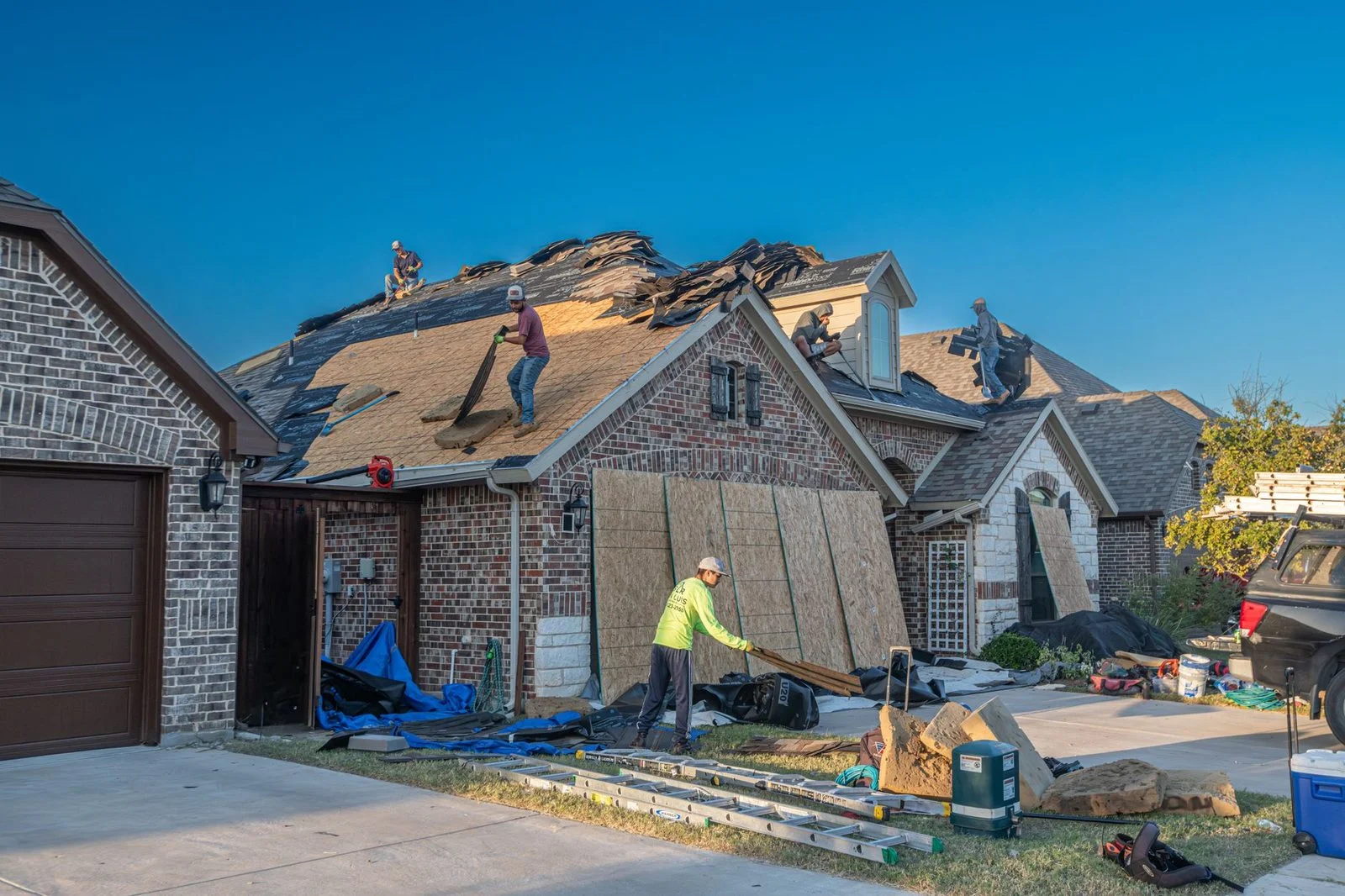
Start a roof file today. Include the installation date, permit records, product labels or invoices, dated photos of the roof, and any prior inspection or repair reports. These papers give an insurer a clear roof history.
Watch for renewal notices. Under Fla. Stat. § 627.4133, a residential property insurer generally has to give written notice of nonrenewal, cancellation, or termination, with the reason, to the first-named insured at least 120 days before the effective date; the statute sets out exceptions, including a shorter period of at least 10 days’ written notice when cancellation is for nonpayment of premium, and it separately requires at least 45 days’ advance written notice of the renewal premium. A nonrenewal notice must state the reasons. When a notice arrives, check the date and the reasons it lists.
Get a current roof inspection before an insurer asks for one. You’ll know the roof’s condition and can plan any repairs or replacement.
Does roof age affect homeowners insurance Florida if my roof is under 15 years old?
The 15-year inspection right starts at that age, so a younger roof falls outside that specific rule. Insurers can still consider condition and other factors.
Who pays for the roof inspection Florida law allows?
Does Florida require a permit for a roof replacement?
Generally, yes. Under Fla. Stat. § 553.79, a permit is required before repairing or altering a building, unless otherwise provided by law.
If a renewal notice or a higher premium tied to your roof has you worried, you don’t have to sort it out alone. Our first consultation is free, confidential, and carries no obligation to continue. Start your free first consultation.
Common Signs a Roof May Need Replacement
Age of the roof
Many roofs show wear as they age. If yours is approaching the end of its expected life, a professional look can help you plan ahead.
Curling, cracked or missing tiles or shingles
Damaged material can allow water to get under the roofing system. Widespread damage often points to replacement rather than spot repair.
Granule loss and worn surfaces
Shingles that shed granules into gutters or look thin and bare may be near the end of their useful life.
Leaks and stains inside the home
Water spots on ceilings or walls, or damp attic insulation, can signal that the roof is no longer keeping moisture out.
Repairs that keep coming back
When the same areas need fixing again and again, the cost of repeated repairs may outweigh the benefit of a full replacement.
What Your Free First Consultation Includes
A review of your roof
We look at the age, condition and visible damage of your roof so you understand where it stands today.
Options explained
We discuss repair, replacement and material choices, including metal and tile, suited to South Florida conditions.
A clear estimate
You receive a written estimate you can review at your own pace.
Confidential and no obligation
Your first consultation is free, confidential and comes with no obligation to continue.
Don't Wait for a Leak
Water damage can spread into insulation, drywall and wood framing before it becomes obvious. If you notice stains, damp spots or missing material, having the roof looked at sooner can help you avoid larger repairs later.


