


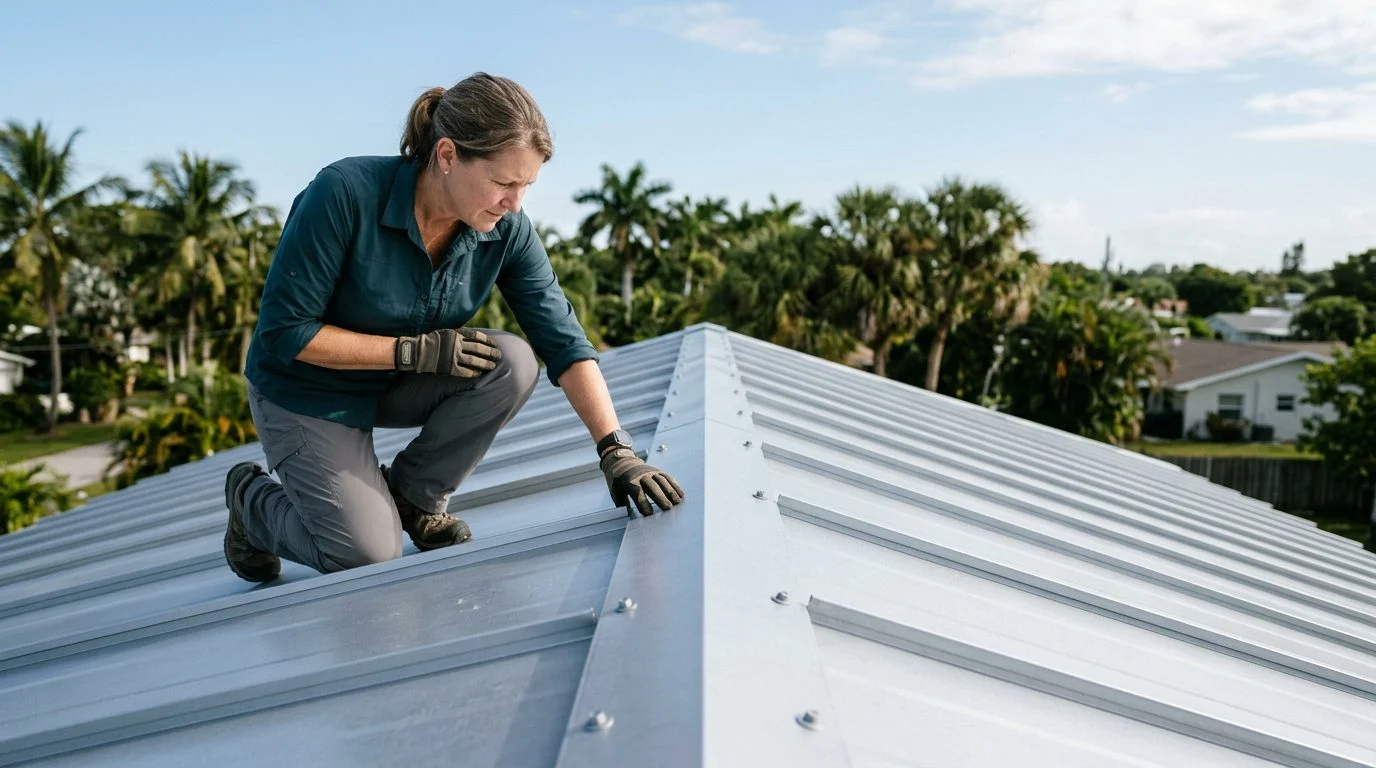
Metal Roofing | South Florida
Compare Metal Roofing Brands Before You Choose
Metal type, coating, gauge, and installation all shape how a roof performs in South Florida weather. Here is what to compare, and how ASP Superhome can help you decide.
Start With a Free Consultation
Free
First consultation
Confidential
Every conversation
No obligation
To continue
By Jonathan Rodriguez · Published October 27, 2026
What is the best brand of metal roofing? No single brand fits every South Florida roof. Brand name alone does not decide performance. Metal type, panel profile, coating, gauge, warranty terms, and installation quality matter more. Our team can walk you through these details during a free initial consultation, which is confidential and without obligation. It is written for homeowners in Miami, Fort Lauderdale, West Palm Beach, Kendall, Naples, Fort Myers, and Boca Raton.
Why there is no single best brand of metal roofing
Brand name alone does not tell you how a roof will hold up. Most shoppers see logos and color charts first. Few get to see how the panel was coated, how thick the metal is, or how it was fastened to the deck.
Those hidden details matter in South Florida. Humidity, salt air, and hurricane winds all test a roof. A panel that works well on a dry inland roof may need different protection near the coast.
Florida also regulates roofing products. Under Fla. Stat. § 553.842, the commission uses one of the listed methods to approve roofing for statewide use, and s. 553.8425 separately recognizes local product approval. Under Fla. Stat. § 553.842(5), a product may not be marketed as hurricane, windstorm, or impact protection from wind-borne debris unless it is approved under s. 553.842 or s. 553.8425. For local product approval, s. 553.8425(1) requires the product to demonstrate compliance with the structural windload requirements of the Florida Building Code through one of the methods it lists, such as a certification mark or label from an approved certification agency, a test report from an approved testing laboratory, or a statewide product approval. Look for that approval, not just a brand name.
If your roof is aging or showing storm wear, our team can talk through metal roofing options that fit your home, whether it's yours or a family member's. Talk it through with our team — the first consultation is free, confidential, and carries no obligation.
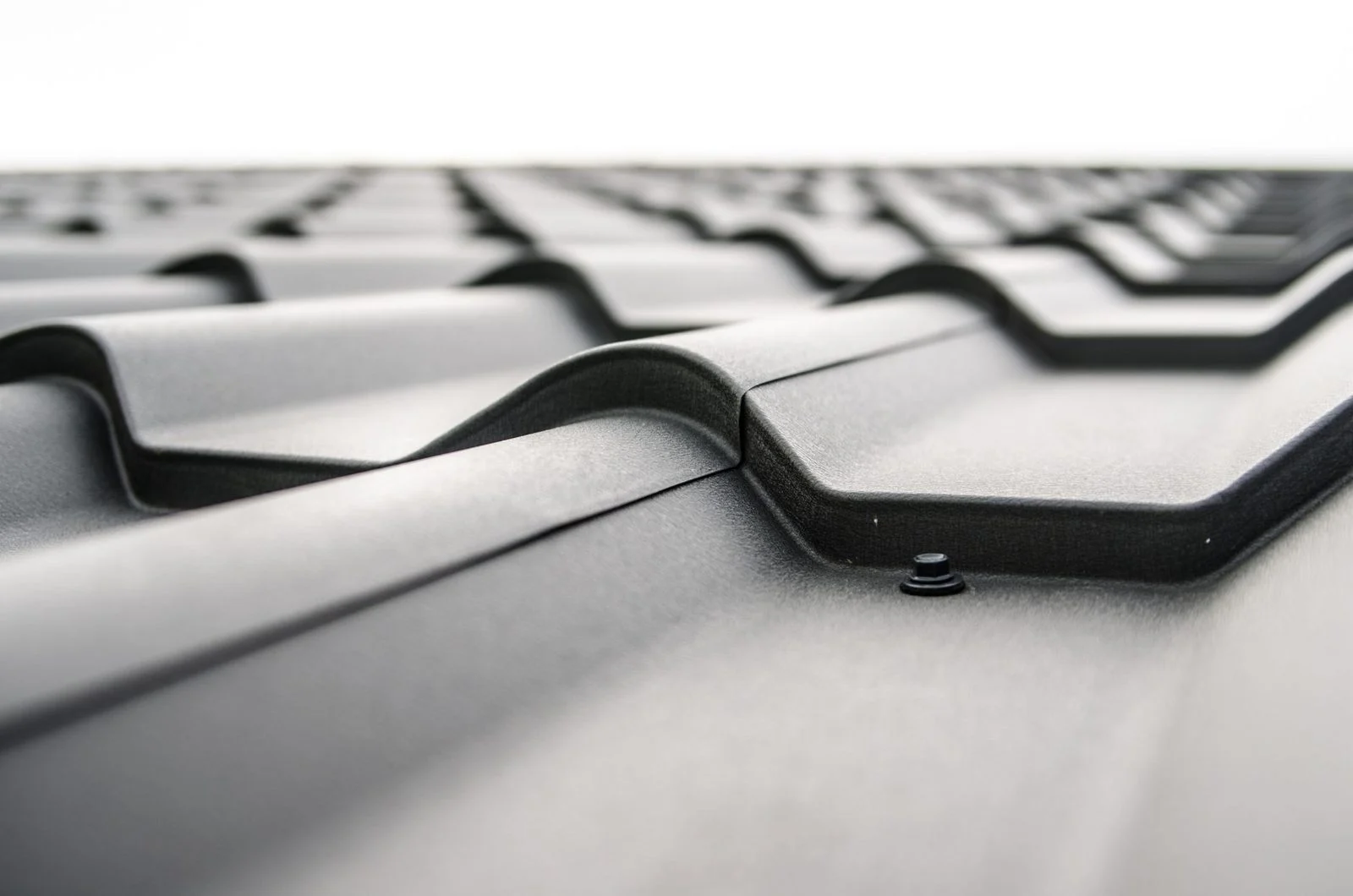
Compare the metal first: steel, aluminum, copper, stainless steel, and zinc
Steel and aluminum are the two metals most homeowners compare for a residential roof. Copper, zinc, and stainless steel are usually specialty or premium choices.
Steel is strong and widely used. Plain steel rusts, so it needs a protective coating. Galvanized steel has a zinc layer that helps guard the metal. How long that layer lasts depends on the coating and the conditions. Our supporting guide on galvanized metal roofing lifespan covers that in more depth.
Aluminum weighs less than steel. Many homeowners choose it for its resistance to corrosion in humid, salty air. Thin aluminum can dent, so thickness still matters.
Is aluminum more expensive than steel? Not always. Cost depends on gauge, finish, panel style, and project scope more than on the metal alone. Finished steel and aluminum panels are commonly coated at the factory. According to the Metal Construction Association’s roofing education materials, that coating is often a factory coil coating with a typical two-coat paint system.
Panel profiles: R-panel and AG panel explained
R-panel and AG panel are two common profiles, and they differ mainly in rib shape. R-panel has higher, more pronounced ribs. AG panel has lower, wider ribbing and a flatter look.
Profile affects appearance, how the panel sheds water, and how it is fastened. Taller ribs create a stronger visual line on the roof. Lower ribs look flatter and may suit a different home style. The right choice depends on the home’s design, the roof slope, and local code.
Every metal roofing project is different, and what yours involves will vary with where your home is and how its roof is designed. Our team can explain how the chosen profile meets those rules.
Coatings, gauge, and warranty terms to compare in writing
Get the coating, gauge, and warranty terms in writing, and contact our team with any questions before you sign. These three details shape how long metal holds up in salt air and humidity.
Coating matters most near the coast. Salt spray and humidity wear on the finish. Ask which coating system the panels use, whether it is factory applied, and how many coats it has.
Gauge is the metal’s thickness. A lower gauge number usually means thicker metal. Thicker panels resist dents better, but gauge alone does not guarantee performance.
Read the warranty closely. Check what it covers, for how long, and under what conditions. Confirm whether it covers the panels, the coating, and the labor. Note any maintenance steps the warranty requires.
Hurricane performance is also worth knowing. According to the IBHS Hurricane Ian roof study, metal roofing systems held up well in winds below 130 mph in Southwest Florida. That finding covers metal systems as a group, not any single brand.
Metal roofing versus shingles and Florida roof requirements
Metal roofing is not simply easier than shingles. Installation and upkeep differ, and both depend on the crew doing the work. Florida law also shapes what a replacement must meet.
Whether a policy pays for work needed to comply with applicable laws and ordinances depends on the policy or endorsement chosen. Read your policy’s terms on code upgrades.
Our roof replacement overview covers the full range of options.
Is metal roofing easier than shingles?
Metal roofing is not easier in every way. Metal panels install in fewer pieces, but they still need correct fastening, underlayment, and slope.
What is the best brand of metal roofing?
No single brand is best for every roof. Metal type, profile, coating, gauge, warranty, and installation decide the result.
Are metal roofs aluminum?
No. Metal roofs can be steel, aluminum, copper, zinc, or stainless steel. Aluminum is one option among several.
Talk through your roof with our team
The right metal, profile, and warranty depend on your roof’s age, its exposure, and your home’s design. Many people reach this question after storm wear has left them unsure about their roof. Others are deciding for a parent’s home or a rental property they own.
Our team can look at your roof’s condition and exposure and talk through options that fit your home. Our team offers a free first consultation. It is confidential, with no obligation to continue. Contact our team to start the conversation.
What to Compare When Reviewing Metal Roofing Options
Metal type and profile
Steel, aluminum, and other metals behave differently under heat, salt air, and wind. The panel profile affects how water sheds and how the roof handles uplift.
Coating and finish
Paint systems and protective coatings matter in coastal areas, where salt and humidity can wear down surfaces faster than inland homes see.
Gauge and thickness
Thicker panels generally resist dents and flexing better. Ask how gauge changes with the profile you select, not just the brand name.
Warranty terms
Read what a warranty covers, what it excludes, and whether it depends on certain installation methods. Warranties vary widely between manufacturers and products.
Installation quality
Fastening, underlayment, and slope requirements determine how well any metal roof holds up. The same product can perform very differently under different installers.
Compare the Full Installation, Not Just the Label
A roof is a system.
Questions to Ask Before You Decide
Which metal and coating are proposed?
Ask for the exact product, finish, and gauge so you can compare them directly.
What does the warranty cover?
Request the written warranty and review exclusions, maintenance requirements, and transfer terms.
How will the roof be installed?
Ask about underlayment, fastening pattern, flashing details, and how the roof is prepared for wind and rain.
How does it fit the whole project?
If you are also considering impact windows, impact doors, or solar panels, ask how the roof work will be coordinated with those projects.


