


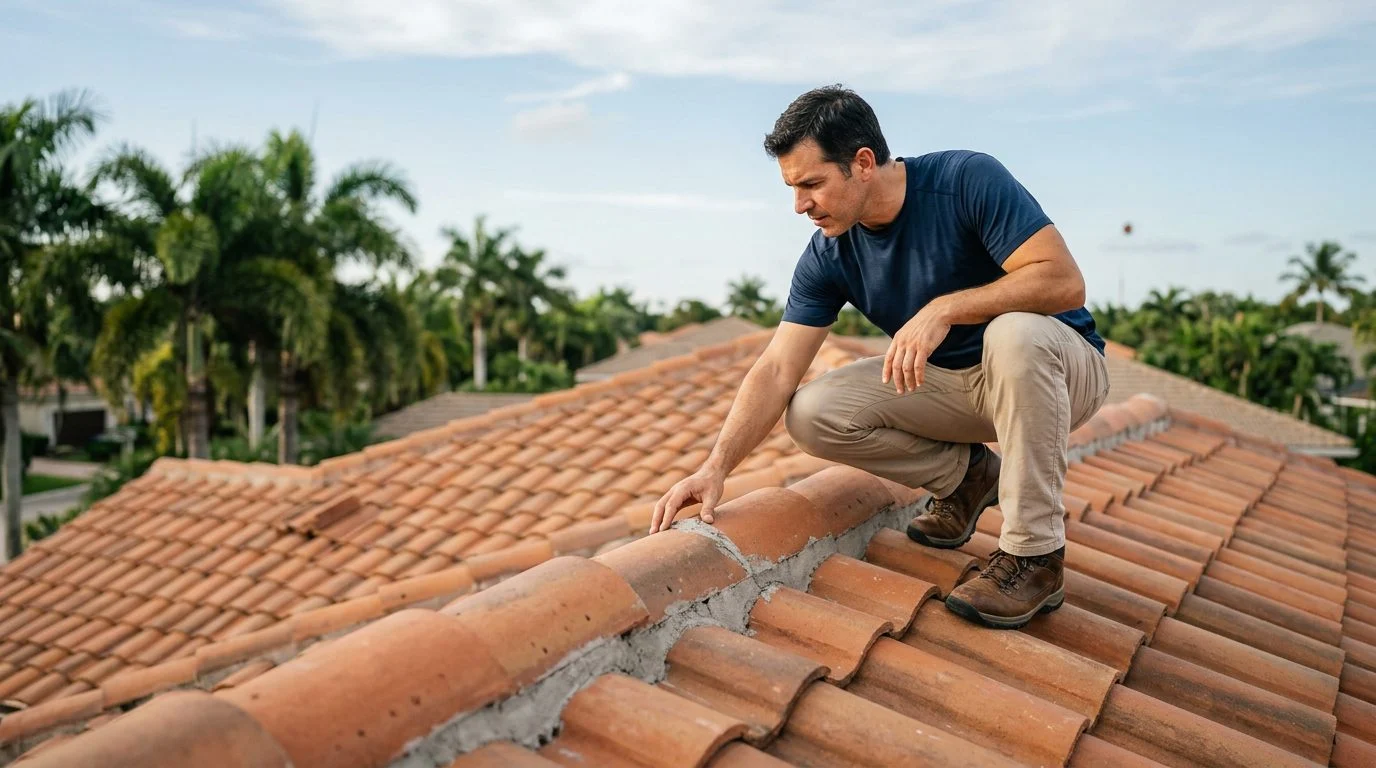
Tile Roofing | South Florida
How Long Does a Clay Tile Roof Last in South Florida?
Clay tile can serve a home for decades. See what shapes its lifespan under South Florida sun, heavy rain and salt air, and how to protect your investment.
By Jonathan Rodriguez · Published October 27, 2026
The life expectancy of a clay tile roof is commonly described in decades, and some sources cite up to 100 years under favorable conditions. In South Florida, heat, salt air, humidity, and hurricane winds often decide how much of that time a particular roof gets. This guide explains what drives tile life and the signs that a roof needs attention.
What Is the Typical Life Expectancy of a Clay Tile Roof?
Clay tile is commonly described as lasting for decades, and some sources cite up to 100 years under good conditions. The life expectancy of a clay tile roof is the expected service life of the tile itself. It is not the same as the age when a specific roof starts needing work.
That difference matters. A tile can be sound while the roof beneath it has problems. The underlayment, the fasteners, and the flashing around vents and valleys all affect how long the roof lasts.
Installation matters too. The Tile Roofing Industry Alliance says proper tile installation follows industry standards, code requirements, and accepted products and methods, including for high-wind applications in Florida. A well-installed roof gives the tile a better chance to reach its expected life. A poorly installed one may need attention much sooner, even if the tile is high quality.
If a recent storm or inspection has you wondering how much life your tile roof has left, our team is glad to talk it through with you. Talk it through with our team — the first consultation is free, confidential, and carries no obligation.
Why Does South Florida Change the Numbers?
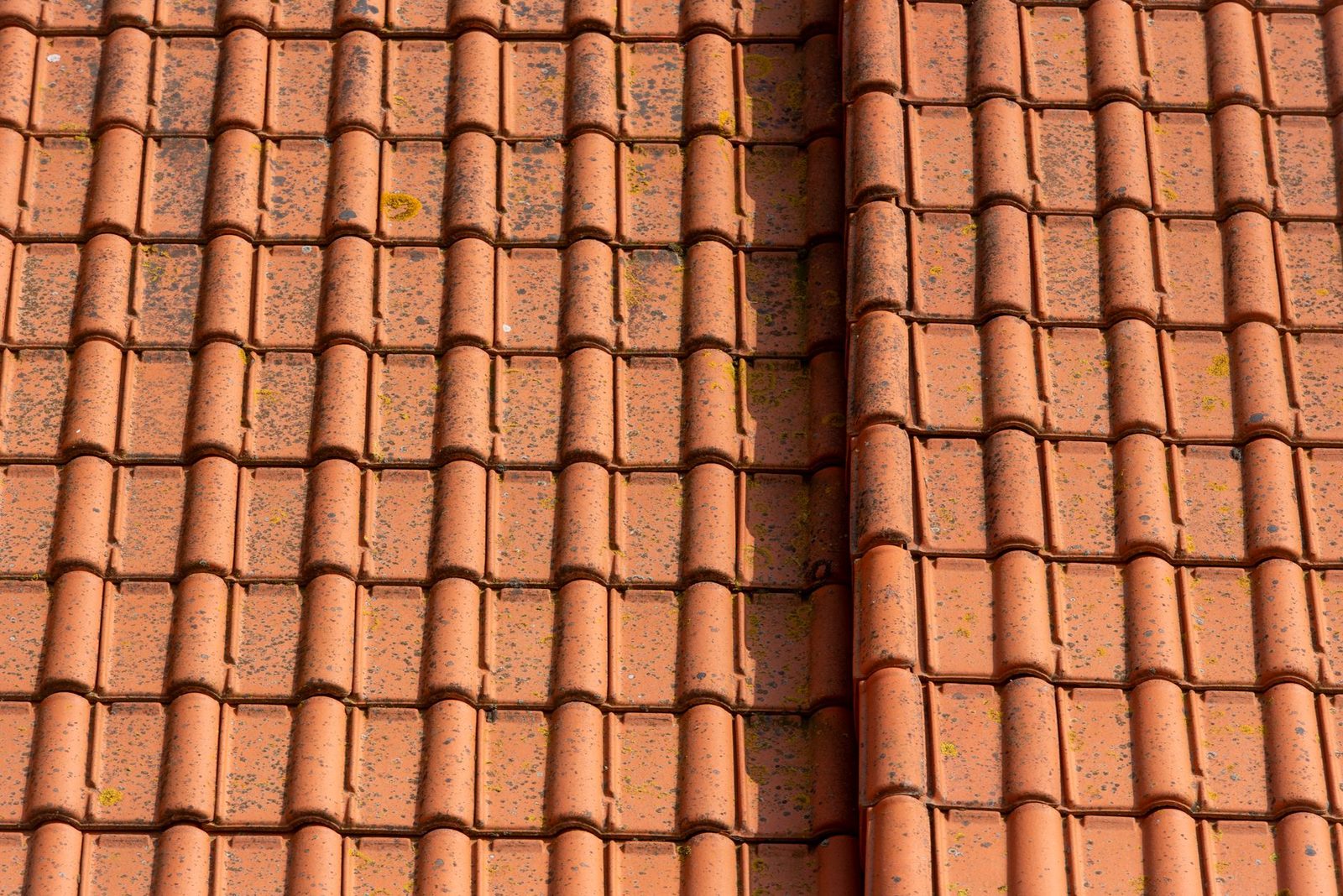
South Florida’s climate often shortens the time before a roof needs attention. The same tile can perform differently in a drier or inland area.
- Heat and UV: Strong sun wears down sealants and underlayment over time.
- Humidity and rain: Moisture feeds moss and algae, and it can get trapped beneath tiles.
- Salt air: Coastal air corrodes metal fasteners and flashing.
- Hurricane wind and debris: Strong gusts and flying debris can crack, lift, or knock tiles loose.
Storm events matter more here than in many other markets. Storm damage often shows up as cracked or displaced tiles. A roof may need prompt attention after a storm, even if it looked fine beforehand.
Roofing products are judged against set standards. The National Roofing Contractors Association notes that roofing and building standards provide measurement methods and comparison bases for evaluating roofing products and systems.
Does Clay Tile Last Longer Than Concrete Tile?
Clay and concrete tile are both durable. The specific product often matters more than the category name. Clay tile is fired from natural clay. Concrete tile is made from cement and sand formed into shape.
Quality, manufacturing standards, and warranty terms vary by manufacturer. Two tiles in the same category can have very different expected lifespans. A warranty is the maker’s promise about its product. It is not the same as the expected service life of your roof.
Identify the product before you estimate life. Installation records, permits, or the roofer who did the original work can usually name the tile. That one fact shapes any estimate of how much life a roof has left.
What Are the Signs a Clay Tile Roof Is Wearing Out?
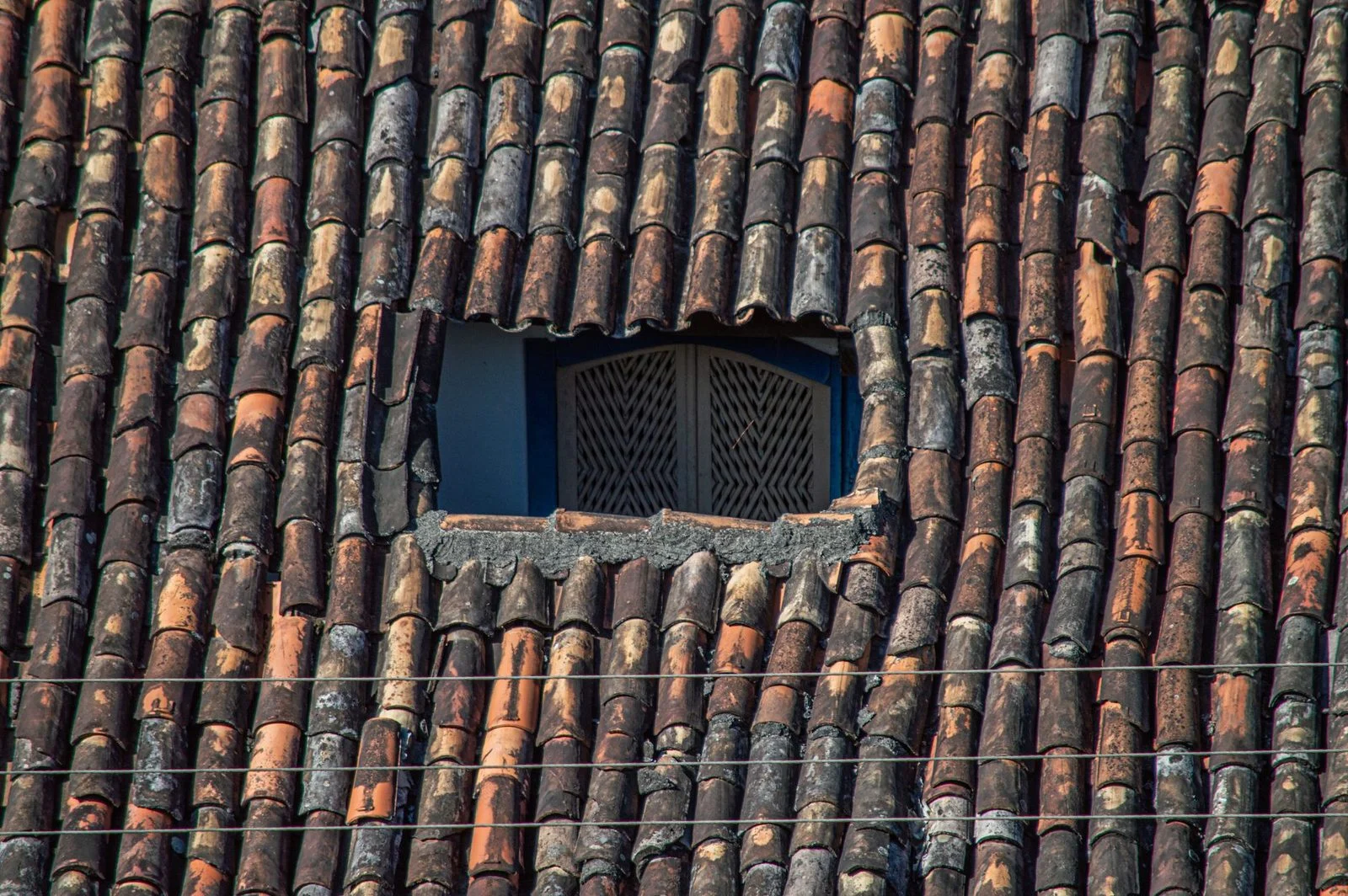
Cracked, chipped, or loose tiles and water stains inside the home are the clearest signs of wear. Catching them early often keeps a repair small.
- Cracked or broken tiles, especially after a storm.
- Tiles that slide, lift, or feel loose. An inspection can spot these before they fall.
- Damaged underlayment. Water stains on ceilings or walls can mean water is getting past the tiles.
- Corroded flashing and rusted fasteners, plus failing sealant around vents, chimneys, and valleys.
- Moss or algae growth that holds moisture against the tiles.
Some of these signs can be fixed one area at a time. Widespread damage across the roof may point toward replacement. Water stains inside the home deserve prompt attention, because they show the roof may already be letting water through.
Repair or Replace: How Does the Decision Usually Work?
Repair usually fits isolated damage. Replacement becomes the likelier choice when damage is widespread or the underlayment is compromised. Repair can address cracked or missing tiles, flashing, or sealant when the structure and underlayment below remain sound.
Roof age also matters for insurance.
Citizens Property Insurance Corporation applies its own underwriting rules. Under those rules, proof of replacement is required when less than five years of useful life remains on a roof, per Citizens Property Insurance Corporation.
For some buildings in the wind-borne debris region, the rules go further. Local building codes may set roof-to-wall connection requirements for a roof replacement, depending on the building and where it is located.
What Does a Clay Tile Roof Replacement Cost?
Cost depends on the roof’s size and pitch, the tile type, the condition of the deck and underlayment, and the scope of the work. A written estimate should account for each of these. Every project is different, so contact ASP Superhome to talk through exactly what your work will cover during our free, confidential first consultation, with no obligation to continue.
Insurance can affect how a roof claim is paid. If a roof deductible applies to a covered loss, the insurer may limit the roof payment to actual cash value until it receives reasonable proof the deductible was paid.
How long does a clay tile roof last?
Trade sources commonly cite decades, with some citing up to 100 years under good conditions. Installation, product, and exposure all shape the actual result.
Can cracked clay tiles be repaired one at a time?
Often, yes, when the underlayment and deck below remain sound. An inspection shows whether that’s true for your roof.
Does a tile roof need replacing after a hurricane?
Not always. Replacement becomes more likely when damage is widespread or the underlayment is compromised.
Not sure what your next step is?
Talk it through with our team — the first consultation is free, confidential, and carries no obligation.
When You’re Dealing With a Tile Roof Question Right Now
You may be asking this after a storm loosened tiles, an inspection flagged aging roofing, or a home purchase came with an unclear roof history. That’s a stressful spot, and you don’t have to sort it out alone.
ASP Superhome offers a free first consultation, which is confidential and comes with no obligation to continue. Contact ASP Superhome to talk through your tile roof’s condition and the questions in front of you.
What Shapes the Life of a Clay Tile Roof
Installation Quality
Proper fastening, alignment and flashing at penetrations and valleys help tiles stay secure through storms and daily heat cycles.
Underlayment and Deck
The layers beneath the tile carry much of the weight of protection. Their condition often determines how long the whole system performs well.
Sun, Wind and Salt Air
Intense UV, driving rain and coastal salt exposure all affect roofing materials. Homes near the water face different wear than inland properties.
Routine Maintenance
Periodic inspections catch cracked or displaced tiles, damaged flashing and clogged drainage before small issues spread.
Why Homeowners Plan Ahead for Tile Roofs
Know Your Roof's Starting Point
Understanding the age, materials and condition of your roof makes it easier to plan repairs or replacement on your own timeline.
Protect the Structure Below
Addressing small leaks and loose tiles early helps safeguard the decking, insulation and interior finishes beneath.
Compare Repair and Replacement Options
A clear inspection shows whether targeted roof repair or a full roof replacement makes more sense for your home.
Don't Ignore Early Warning Signs
Cracked, slipping or missing tiles, water stains on ceilings and granules in gutters can all point to a problem that grows over time. Schedule an inspection as soon as you notice them.


