


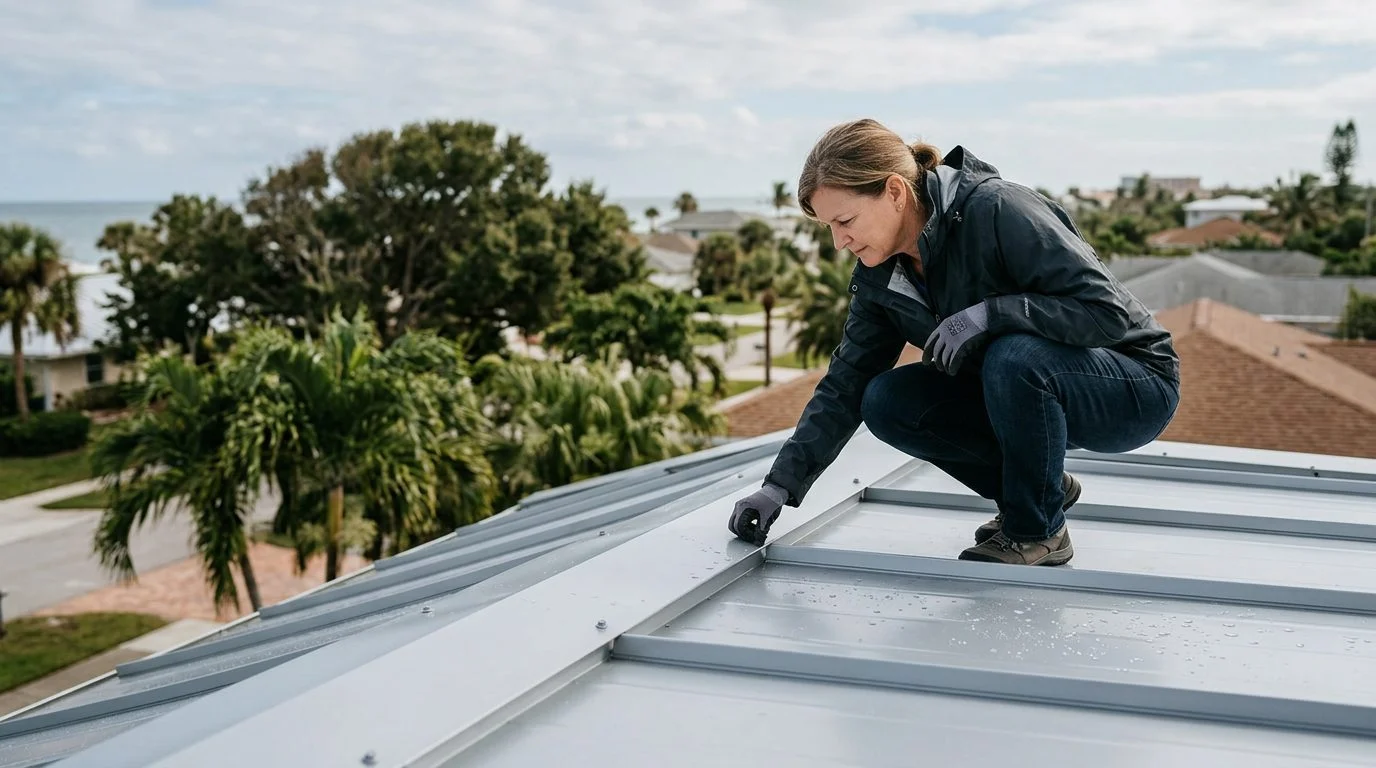
Roof Replacement · South Florida
Planning a New Roof? Timing Can Make a Real Difference
Learn when South Florida homeowners often schedule roof replacement, and how weather, season, and the condition of your roof all factor into the decision.
By Jonathan Rodriguez · Published October 28, 2026
For most South Florida homes, the best time of year to replace a roof is the drier stretch from late fall through spring. Milder temperatures and less rain let crews work steadily and keep the roof protected during the job. Summer storms and hurricane season make that window harder to count on.
This guide explains why the calendar matters, how roofing material and permits fit in, and when waiting is the wrong call. For the full process, read our roof replacement guide.
The Short Answer: Most South Florida Roofs Are Replaced in the Dry Season
Late fall through spring is generally the most workable window for a roof replacement in South Florida. Rain is less frequent, and temperatures are easier on people and materials.
The biggest risk during any roof job is an open roof. A sudden downpour can soak the roof deck, insulation, and ceilings if the home is exposed when the weather turns. Fewer storms in the dry season mean less exposure.
Timing is not only about the weather, though. The season sets the pace, but permits, material choice, and the condition of your roof decide the rest.
If a leak or storm has you weighing a roof decision on a tight timeline, you don't have to work it out alone. Our team is ready to talk through your options. Talk it through with our team — the first consultation is free, confidential, and carries no obligation.
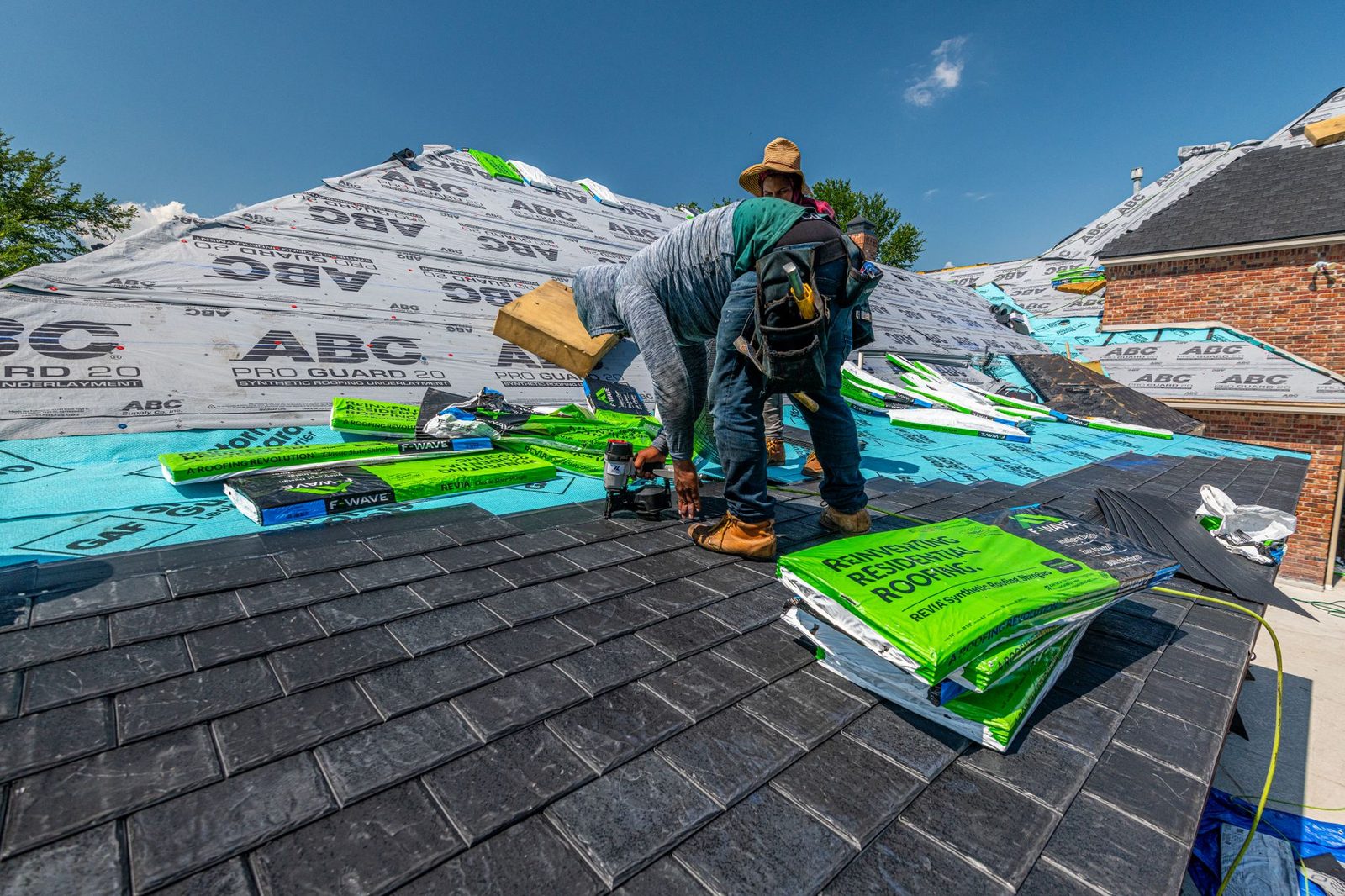
How South Florida’s Seasons Shape the Replacement Calendar
Summer is the hardest season for a roof project. The wet months bring afternoon thunderstorms that can arrive with little warning. A storm during tear-off can leave the home open to water.
Heat adds another problem. Long days in the sun wear down crews and homeowners alike. A hot roof surface also makes steady, careful work harder.
Hurricane season overlaps the wet months and reaches into the fall. A named storm can interrupt a well-planned schedule. That is why many homeowners build extra days into the calendar, and why storm-related insurance deadlines matter too (more on that below).
Why Spring and Fall Are Often the Most Practical Windows
Spring and fall are often the most practical windows. Temperatures are moderate, and rain risk is lower than in summer.
Spring usually brings steadier weather and longer daylight, so crews have more working hours. Fall can also work well. Late-season storms are still possible in South Florida, so a buffer in the schedule matters.
Planning ahead matters as much as the month you pick. Starting the conversation early gives you room to choose a start date. It also leaves time for permits and inspections. For a sense of budget before you commit, see our roof replacement cost guide.
How Roofing Material Affects Timing
Material changes the schedule because each type has its own installation needs. Crews plan around those needs before they pick a start date.
Tile roofs are heavy. Before work begins, the roof structure and the condition of the tile often get a close look. That check can add time at the front end of the project.
Metal roofs install as panels and need careful attachment and fastening. Metal roofing work should meet applicable wind-uplift, installation, material, corrosion-resistance, and attachment standards, as described in the Building America Solution Center’s metal roof guide.
Partial work follows its own rule. Florida law provides that when a roofing system or roof section already in place was built, repaired, or replaced to the 2007 edition of the Florida Building Code or a later edition, and at least 25 percent of it is being repaired, replaced, or recovered, only the repaired, replaced, or recovered portion must be constructed to the code in effect (Florida Statutes). The right timing depends on the facts of your roof, including its age, pitch, and condition.
When Waiting for the Ideal Season Is Not the Right Call
Waiting is the wrong call when water is already getting in. Active leaks, cracked or missing tiles, lifted shingles, or storm damage can make a repair or prompt replacement more urgent than the calendar.
A small repair can sometimes hold a roof over until the right season. Our roof repair options guide explains what that looks like.
Timing also affects insurance. Under Fla. Stat. § 627.70132, a claim or reopened claim for property insurance (but not a supplemental claim) is barred unless notice was given to the insurer in accordance with the policy terms within 1 year after the date of loss. A supplemental claim is barred unless notice was given within 18 months after the date of loss. For hurricanes, tornadoes, windstorms, severe rain, or other weather-related events, the date of loss is the date the hurricane made landfall or the tornado, windstorm, severe rain, or other weather-related event is verified by the National Oceanic and Atmospheric Administration.
Waiting for a better month can run past those deadlines. Document visible damage with dated photos, and note any interior water stains. Clear records make the condition easier to show when the roof is evaluated.
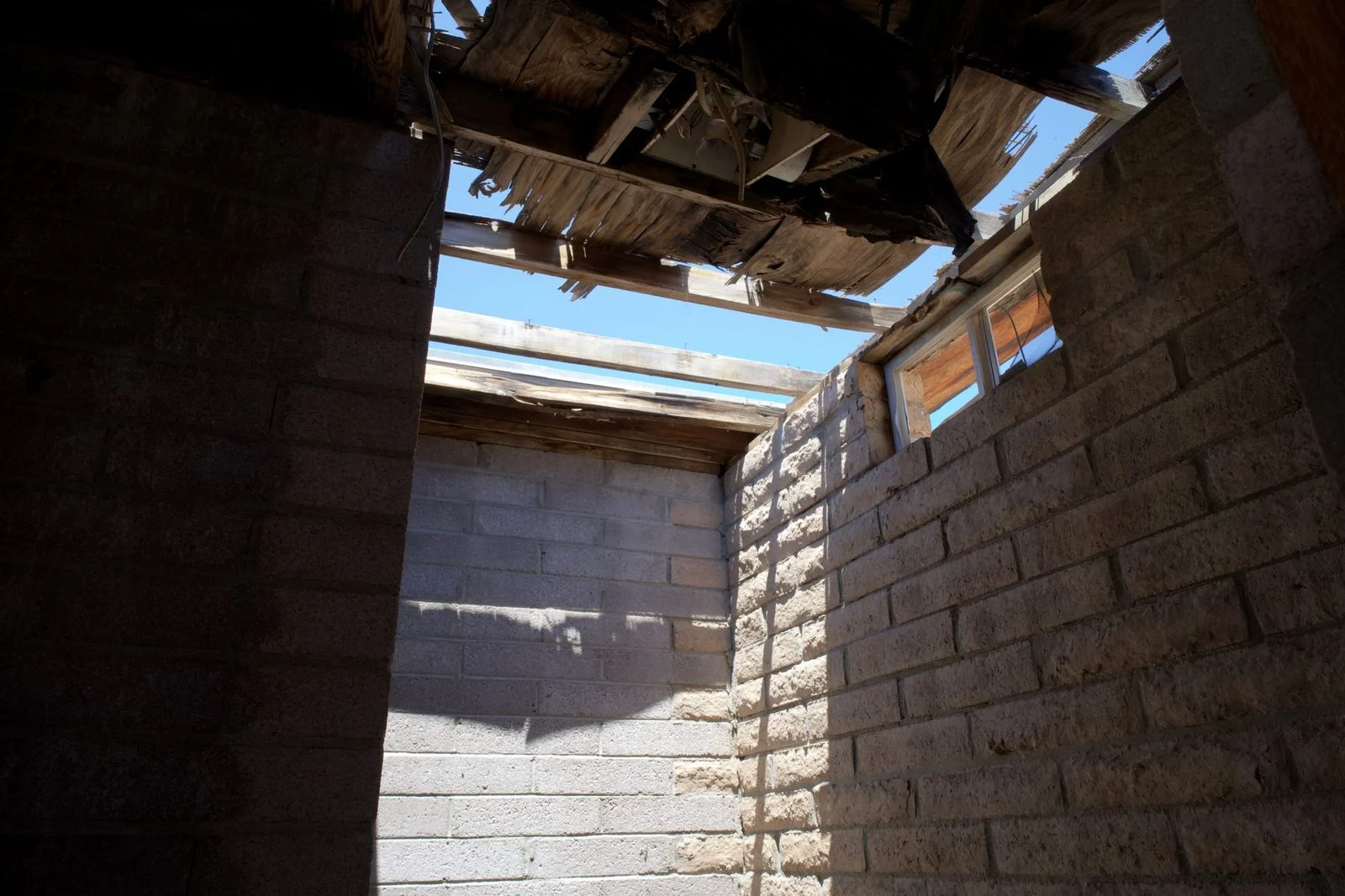
Planning Your Replacement Window and Next Steps
Plan the project in stages, and leave room for weather and paperwork. Most replacements move through inspection, permitting, material selection, tear-off, installation, and final cleanup.
Permits come first. Under Fla. Stat. § 553.79, unless otherwise provided by law, it is unlawful for any person, firm, corporation, or governmental entity to construct, erect, alter, modify, repair, or demolish any building in Florida without first obtaining a permit from the appropriate enforcing agency. In Miami, the City of Miami’s roofing permit page notes that the first building-permit review cycle may take up to 14 business days. Build that time into your schedule.
Weather needs a buffer too. Add extra days during the rainy season, and avoid a tight calendar in hurricane season.
Frequently Asked Questions
Is spring a good time to replace a roof in South Florida?
Spring is often a practical window. Temperatures are milder, and rain is less frequent than in summer.
Does replacing a roof in Florida require a permit?
Under Florida law, a building generally may not be altered, modified, repaired, or demolished without a permit unless otherwise provided by law, and the rules that apply where the property is located also matter, so our team can review your project with you before work begins.
How long do I have to report storm damage to my insurer?
For most property claims in Florida, notice is due within 1 year after the date of loss.
If a leak or storm has you weighing this decision on a short timeline, you don’t have to plan it alone. ASP Superhome offers a free first consultation. It is confidential and carries no obligation to continue. Contact ASP Superhome to get started.
What to Consider Before Scheduling
Your Roof's Current Condition
Missing tiles, recurring leaks, or aging materials can signal that replacement should be planned sooner rather than later.
Local Weather Patterns
South Florida's rainy season and hurricane season shape how and when crews can work safely and efficiently on a roof.
Material Choices
Metal roofing, tile roofing, and other options can have different installation schedules, so planning ahead helps you choose with confidence.
Planning Ahead
Early planning gives you time to compare options, review timelines, and set a budget that fits your home and your schedule.
Don't Wait for Visible Damage
Waiting for a leak to appear can mean water damage inside your home. If you notice staining on ceilings, dripping after storms, or loose or cracked tiles, have your roof looked at as soon as possible.
Seasons at a Glance
Dry Season
Generally runs from late fall through spring, with less rainfall. Many homeowners prefer to schedule roof work during these months.
Shoulder Months
Early spring and late fall can offer milder temperatures and a good balance between scheduling availability and weather conditions.
Wet Season
Summer brings frequent afternoon storms and heavy rain, which can complicate installation and make scheduling less predictable.
Hurricane Season
Running roughly June through November, this period calls for extra planning, so consider setting your timeline before the season begins.


