


Roofing | Miami-Dade County
Miami-Dade NOA Roof: What It Means for Your Home
A plain-language guide to the county's Notice of Acceptance for roofing products, and how it applies when you plan a roof replacement or repair in South Florida.
What the NOA tells you
Built around local conditions
The county's review focuses on how products are tested for wind and storm conditions common in South Florida.
Not the same as state approval
Florida product approval is the statewide system. The Miami-Dade NOA is the county's own acceptance.
By Jonathan Rodriguez · Published October 27, 2026
A Miami-Dade NOA roof approval is a Notice of Acceptance. It’s a written approval from Miami-Dade County showing that a roofing product passed the county’s testing and review. The document names the product and lists the conditions for its use. If your proposal or permit paperwork shows an NOA number, that number ties your materials to one specific approved product. Here’s how to read it and check it on your job.
What Is a Miami-Dade NOA?
A Miami-Dade NOA is a product approval issued by Miami-Dade County. The letters stand for Notice of Acceptance. It shows that a roofing product met the county’s testing and review requirements. The NOA identifies the specific product. It also lists the conditions under which that product may be used in Miami-Dade County. Those conditions matter. A roofing system is approved only for the uses the document describes. Miami-Dade publishes these approvals as PDF records. One example is a Miami-Dade concrete tile NOA. It states that concrete roof tiles are a recognized tile type. It also says the system was tested under TAS 112 and approved for specified Florida Building Code and High-Velocity Hurricane Zone applications. Metal roofing has NOAs too. A Miami-Dade metal barrel tile NOA states that Florida-approved metal panels can be made in a barrel-tile profile. It also says the product was evaluated for Florida Building Code and High Velocity Hurricane Zone provisions.
If your roof proposal lists an NOA number you can't match to the metal panels or tiles going on your home, we can help you sort it out. Talk it through with our team — the first consultation is free, confidential, and carries no obligation.
Are Miami and Dade the Same?
No. Miami-Dade is the county. Miami is one city inside it. A Miami-Dade NOA is a county-level approval, not a city approval. The question isn’t whether your home sits inside Miami city limits. Cities still have their own permit steps. The City of Miami roofing permit page says the city requires permits for residential and commercial roof repair or replacement. The county has its own roofing permit resources as well. The Miami-Dade roofing permits page lists the required forms, checklists, and contractor e-permitting steps. Your paperwork may name a county NOA, a city permit, or both. Read each one for what it covers. Don’t assume one replaces the other.
Why the High Velocity Hurricane Zone Matters
Miami-Dade sits inside Florida’s High-Velocity Hurricane Zone (HVHZ). Roofing products face stricter testing and review there than in much of the state. The county’s Miami-Dade metal roof installation standards document covers HVHZ requirements. It addresses product testing, minimum slope, underlayment, and manufacturer instructions. State law sets the baseline. Under Fla. Stat. § 553.842, roofing is one of the product categories that must be approved by one of the statewide methods. State rules also define roofing products. Under the statute, the commission adopts rules to develop and implement the product evaluation and approval system, and the statute itself does not list metal roofing, roofing tiles, or underlayments as roofing products. Check which approval your proposal relies on. Make sure it covers the HVHZ rules that apply to your home. For broader context, see our roof replacement guide.
NOA vs. Florida Product Approval
Florida product approval is the statewide system. The Miami-Dade NOA is the county’s own acceptance. Both connect to the Florida Building Code, but they come from different places. Under Fla. Stat. § 553.8425, products for local product approval must demonstrate compliance with the structural windload requirements of the Florida Building Code. For local product approval, compliance with the structural windload requirements of the Florida Building Code can be shown through one of these methods: a certification mark, listing, or label from a commission-approved certification agency; a test report from a commission-approved testing laboratory indicating that the product tested complies with the code; a product-evaluation report from a commission-approved product evaluation entity; a product-evaluation report or certification signed and sealed by a Florida professional engineer or Florida registered architect; a statewide product approval issued by the Florida Building Commission; or designation of compliance with a prescriptive, material standard adopted by the commission by rule. Products with a certification mark, label, or listing from an approved agency need no further documentation to show compliance. State rules also limit marketing. A proposal may show one term, the other, or both. Read what each one covers before you assume they mean the same thing.
How to Read an NOA
An NOA gives you the key facts in a short document. Look for the NOA number, the product name and manufacturer, the product category, and the approval details. The NOA number is your starting point. Copy it from your proposal. Then compare it with the product name on the materials delivered. The conditions and limitations matter most. They list the approved product types and installation methods. If your job differs from those conditions, the approval may not cover it. Florida’s rule Fla. Admin. Code R. 61G20-3.013 sets out reasons that require the Commission to end or pause a building product’s status, and one of them is marketing a product for uses that fall outside the restrictions placed on it. See Fla. Admin. Code R. 61G20-3.013. Approval status can change over time. Under Fla. Stat. § 553.8425, an approval stays valid until the product changes and its performance decreases, the code requires more performance, or the approval is suspended or revoked. Code changes don’t void approval of products already installed in existing buildings that met code at installation. Check the dates and status on the document for any project scheduled later.
Why the NOA Number Matters on a Roof Replacement
The NOA number ties the installed material to one tested and accepted product. That’s why it belongs on roofing paperwork. It gives the permit file and the inspector a clear reference point. Replacing or repairing a roof usually involves a permit. Under Fla. Stat. § 553.79, unless otherwise provided by law, it is unlawful to repair or alter a building without first getting a permit from the enforcing agency. For related questions, read our guide on new roof over old roof rules.
Not sure what your next step is?
Talk it through with our team — the first consultation is free, confidential, and carries no obligation.
How to Check the NOA on the Job
Matching the NOA is a simple, step-by-step check. Start with the paperwork. Then check the materials. Then check the finished roof.
- Note the NOA number from your proposal and permit packet.
- Compare the product name and maker on the delivered materials with the NOA.
- Confirm the product series and installation details match the approval’s conditions.
- Keep the approval and permit documents together with your project file.
Wind-rated systems also depend on details you can’t see. The Miami-Dade hurricane mitigation page covers Florida roof-sheathing attachment requirements. It also identifies which roof systems need secondary water-barrier protection during certain reroofing projects. Under Fla. Admin. Code R. 61G20-3.013, an approval can also be revoked when it was based on misrepresentations in the application. That’s one more reason to keep the paperwork matched to the work.
Talk Through Your Roof Plan With Our Team
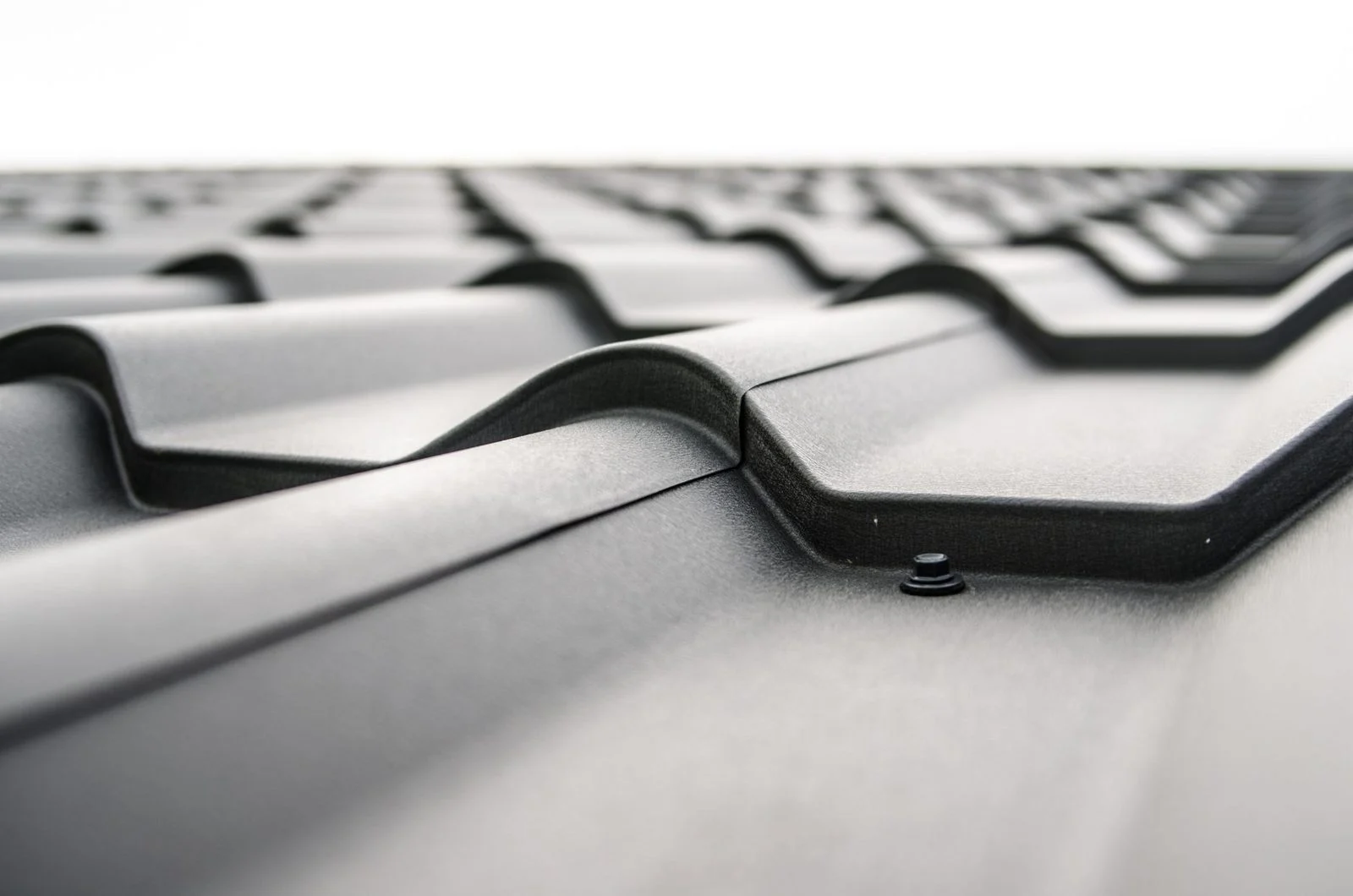
If your proposal lists a Miami-Dade NOA you can’t yet match to the metal panels or tile being installed, a short conversation can help. We can review the proposed metal or tile roofing system and confirm the approved product for your home. Our first consultation is free, confidential, and carries no obligation to continue (Spanish: consulta inicial gratuita, confidencial y sin compromiso). To get started, use our contact page.
Frequently Asked Questions
What is a Miami-Dade NOA roof approval?
A Miami-Dade NOA is a Notice of Acceptance. It shows a roofing product passed the county’s testing and review.
Is a Miami-Dade NOA the same as Florida product approval?
No. Florida product approval is the statewide system, while the NOA is Miami-Dade County’s own acceptance.
Does a Miami-Dade NOA apply to metal and tile roofs?
Yes. Miami-Dade has NOAs for both metal and concrete tile roofing products, as the examples above show.
Check the NOA before you sign
Ask for the product's Miami-Dade NOA number and confirm it matches the exact product and version planned for your home, whether you choose metal roofing, tile roofing, or a full roof replacement.
Questions to ask about your roof project
Which product is being installed?
Ask for the product name, manufacturer, and version so you can match it to its approval documentation.
Does the NOA match the installation?
Confirm the approved product and the one on your quote are the same before work begins.
What does the estimate cover?
Review the scope of materials, labor, and any repair work included, so there are no surprises.
How will the project be explained?
Look for clear answers about the process, timing, and next steps from the first conversation.


