


Roof Repair & Replacement | South Florida
Do You Need a New Roof or Just Repairs?
Roof damage is hard to judge from the ground. Learn the signs that point to repair or replacement, then book a free consultation with ASP Superhome.
Start With a Free Consultation
Free
First consultation
Confidential
Your information stays private
No obligation
Decide whether to move forward
By Jonathan Rodriguez · Published October 27, 2026
Do I need a new roof or repairs? For most South Florida homes, the answer comes down to one question. Is the damage limited to one area, or spread across the whole roof? A targeted repair fixes one problem. A replacement installs a new roof system. This guide covers the signs that point each way and how an inspection settles the decision.
Start With the Question: Repair or Replace?
Repair makes sense when the problem is limited, has a clear cause, and the rest of the roof is sound. Replacement makes more sense when problems show up across the whole system.
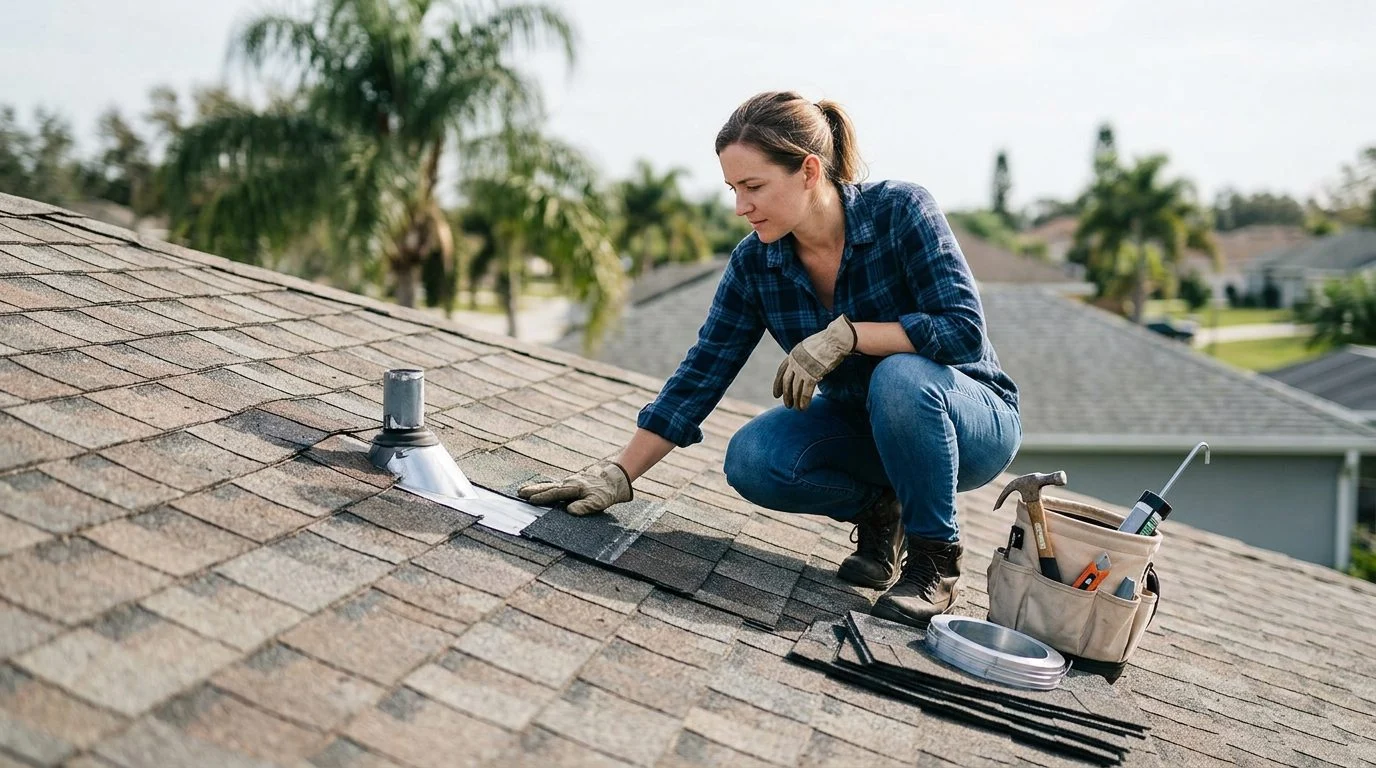
A targeted repair fixes one spot. Common examples include flashing around a vent or chimney, a few shingles or tiles, or a cracked vent boot. Flashing is the metal or sealant that keeps water out where the roof meets another surface.
A full replacement removes the existing roof covering and installs a new one. It also checks the layers beneath, including the underlayment and decking.
The right call depends on three things: the roof’s age, its material, and what an inspection finds. No single factor decides it alone.
If the same leak keeps coming back or storm damage has you wondering whether repairs will hold, we can inspect your roof and recommend one path. Talk it through with our team — the first consultation is free, confidential, and carries no obligation.
Roof Age and Material Matter in Florida
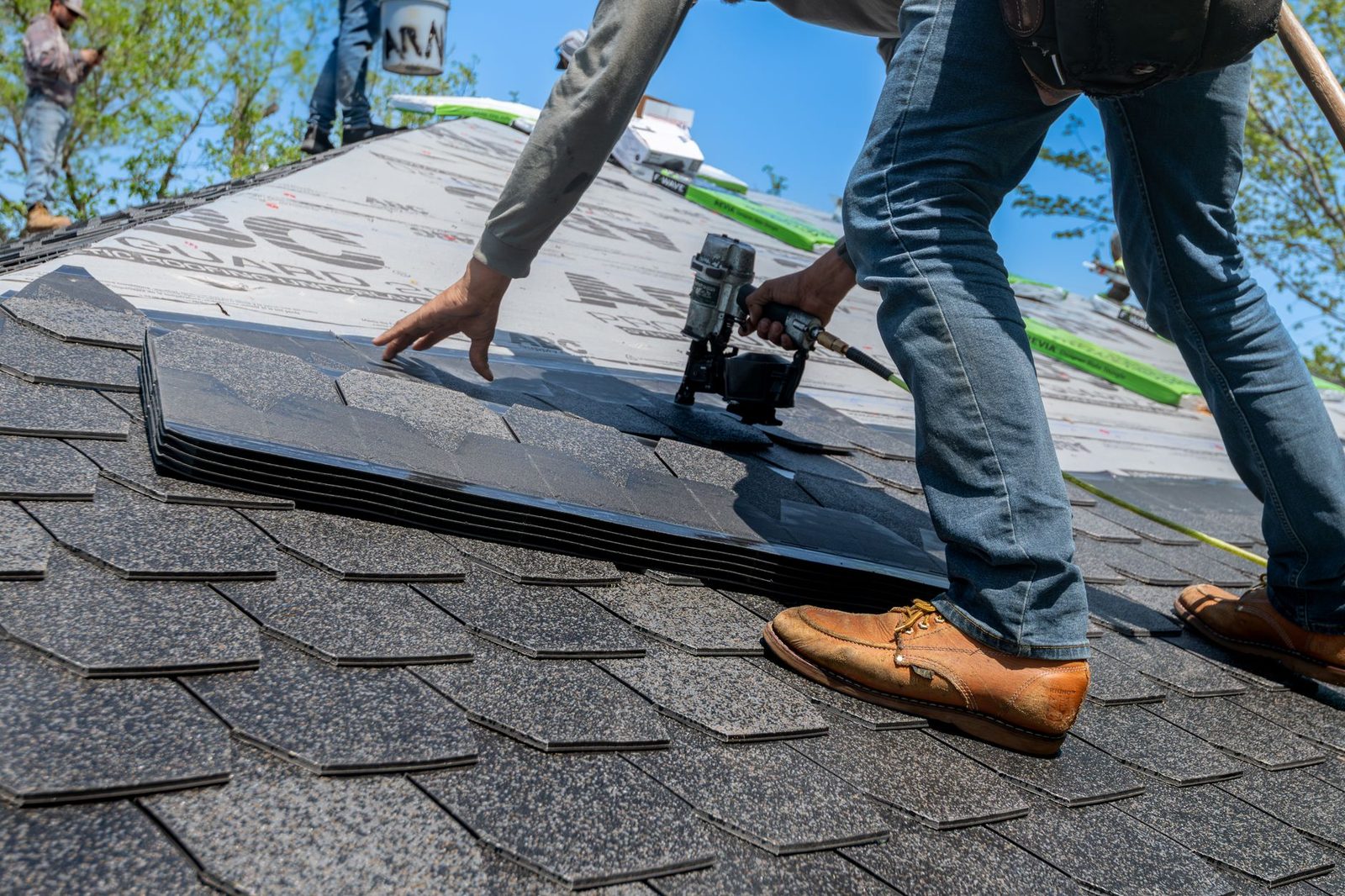
Roof age decides how much a repair is worth. A roof near the end of its service life is harder to fix economically. One repair often reveals another problem.
South Florida’s sun, heat, humidity, and storms wear on every roof type, but not in the same way. Shingles show wear as granules loosen and edges lift. Metal roofs shed water well, but panels, fasteners, and seams still need regular checks.
Tile holds up well here. We offer tile roofing, including clay and concrete tile. Tile is heavy, though. Switching to tile means verifying that the structure can carry the load.
Insurers watch roof age too. For the replacement process and material options, see our roof replacement guide.
Warning Signs That Point Toward Repair
A repair is usually the right path when the damage is limited to one area and has a known cause. Look for these signs:
- Damage in one spot after a specific event, such as a fallen branch or a displaced tile or panel.
- A leak with a clear, fixable source, like a cracked pipe boot or damaged flashing.
- Limited granule loss, or a few cracked or missing tiles with the rest of the roof in good shape.
- Solid decking, with no soft spots or staining in the attic.
If a storm caused the damage, act quickly but carefully.
Florida law also sets the permit rule. Under Fla. Stat. § 553.79, it is unlawful to repair a building without first getting a permit, unless another law provides otherwise. Permits protect you when a repair later needs to be documented.
Warning Signs That Point Toward Replacement
Replacement usually makes more sense when problems keep appearing across the roof, not in one place. Watch for these signs:
- Leaks that return in new spots, which can point to a failing underlayment or roof system.
- Widespread granule loss, bald patches, or cracking and curling across many areas.
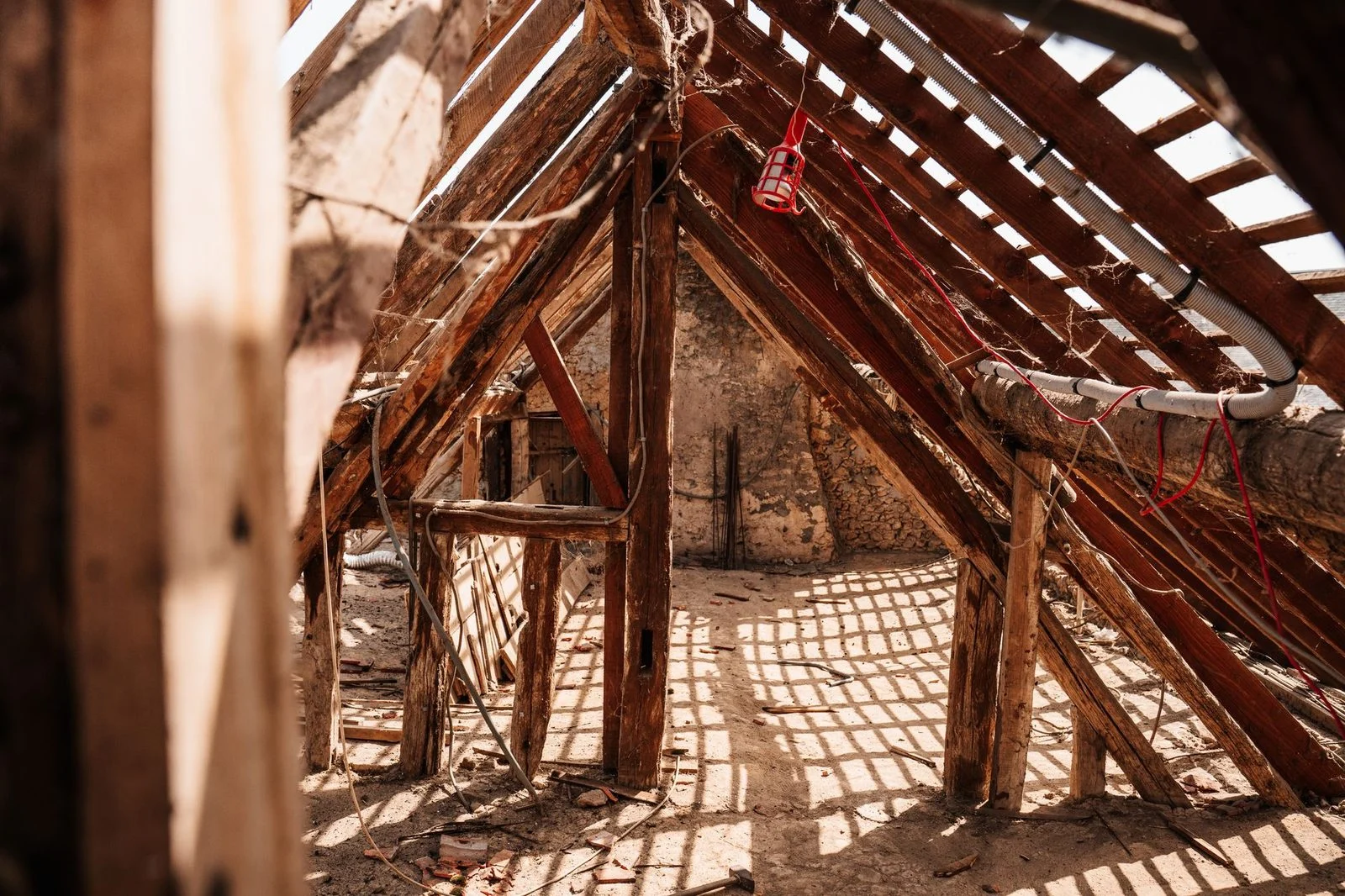
- Soft or sagging decking, daylight visible through the roof, or water staining across ceilings.
- Repairs that would cover a large share of the roof.
Florida’s building code shapes this decision.
Insurance matters too. For a dwelling insured on the basis of replacement costs, Fla. Stat. § 627.7011 says the insurer must initially pay at least the actual cash value of the insured loss, less any applicable deductible. It pays the remaining amounts as the work is done. For a roof, though, if a roof deductible under s. 627.701(10) is applied to the insured loss, the insurer may limit the claim payment to the actual cash value of the loss to the roof until it receives reasonable proof that the policyholder has paid the roof deductible.
Claims have deadlines, too. A supplemental claim must be noticed within 18 months.
What a Professional Inspection Should Check
A useful inspection checks the attic, the roof covering, and the places where water most often enters. It should end with a clear recommendation.
- Attic: moisture, staining, and decking condition. Attic signs often show where a leak actually starts.
- Roof covering: shingles, tile, or metal panels, including cracks, lifts, and loose or corroded fasteners.
- Penetrations and edges: flashing at vents, valleys, chimneys, and roof edges.
- Wind and impact damage: storms can loosen or break parts that look fine from the ground.
Clear inspection notes make it easier to match findings to code requirements.
Findings give a clearer answer than age alone. Photos, dates, and written notes let you weigh the repair cost against the roof’s remaining life.
Get a Clear Answer for Your Roof
An on-site inspection gives you the clearest answer to the repair-or-replace question. It shows what is really happening under the surface.
If the same leak keeps returning after storms, or your roof is nearing the age where insurers start asking questions, the decision can feel urgent. Our team can inspect the roof, explain what the findings mean, and recommend one path or the other.
Our first consultation is free, confidential, and comes with no obligation to continue. We handle impact windows, impact doors, metal and tile roofing, roof repair, and roof replacement, so you can talk through the whole project in one place.
Reach out through our contact page to schedule your roof inspection.
Should you repair or replace your roof?
Repair when the damage is limited, has a clear cause, and the rest of the roof is sound. Replace when problems spread across the roof or repairs would cover a large share of it.
Does a roof repair in Florida need a permit?
Florida law generally makes it unlawful to repair a building without a permit, unless another law says otherwise.
Does a leak mean I need a new roof?
Not always. A single leak with a clear, fixable source often means a repair. Leaks that keep returning in new spots point more toward replacement.
Do I need a new roof or repairs after storm damage?
Not always. Limited damage may only need repairs, while widespread damage often leads to replacement.
Repair or Replace: Quick Guide
Consider a repair when
The damage is limited to one area, the cause is clear, and the rest of the roof is in sound condition. Examples include a few damaged shingles or a small leak around a vent.
Consider replacement when
Problems are spread across the roof, or the repairs needed would cover a large share of it. Widespread granule loss, curling shingles, and recurring leaks are common signs.
Check the interior too
Water stains on ceilings, damp insulation, or peeling paint can point to leaks that are not visible from outside. Note where they appear and when they started.
Compare materials
Metal and tile roofs each suit different homes and budgets. Our team can walk you through options for your roof and your home's structure.
What to Expect From Your Consultation
Roof review
We look at the condition of your roof and the age of its materials, so you understand what you are dealing with.
Clear options
We explain the repair and replacement paths that fit your situation, including materials and timing.
Plain answers
Ask questions at any point. Our team will explain each option in straightforward terms.
Local focus
We serve homeowners across Miami, Fort Lauderdale, West Palm Beach, Kendall, Naples, Fort Myers, and Boca Raton.
Don't Wait for a Small Leak to Grow
Water that gets under roofing materials can damage insulation, drywall, and ceilings. A quick inspection can help you decide between a repair and a replacement before the damage spreads.


