


Roofing and Solar | South Florida
Roofing Work and Solar Panels: What Happens to Your Array
Learn when a roofing crew removes solar panels, what to ask before a repair or replacement, and how ASP Superhome coordinates the job from start to finish.
By Jonathan Rodriguez · Published October 28, 2026
Do roofing companies remove solar panels? Yes. A roofing company can take panels off, do the roof work beneath them, and reinstall the panels once the roof is finished. The right plan depends on the facts of your roof and your array. This guide walks through the decisions that matter most in South Florida.
Can a Roofing Company Remove Solar Panels for a Roof Job?
Yes, a roofing company can remove and reinstall solar panels so the roof underneath can be repaired or replaced.
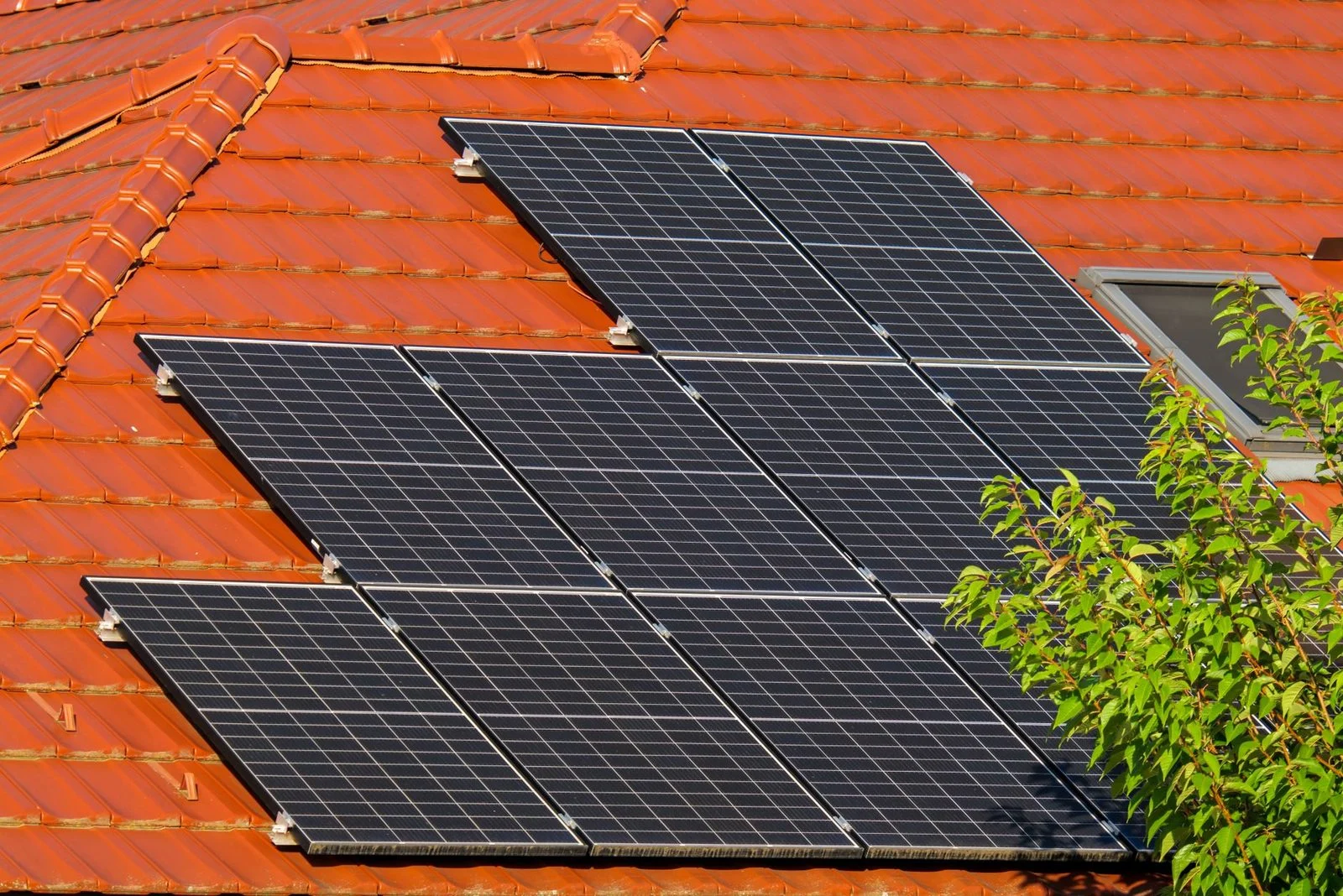
A rooftop solar array sits directly on the roof covering. The panels, rails, and mounting hardware, often called racking, cover the same surface the crew needs to reach. Flashing, fasteners, and decking can only be checked and fixed once that area is clear.
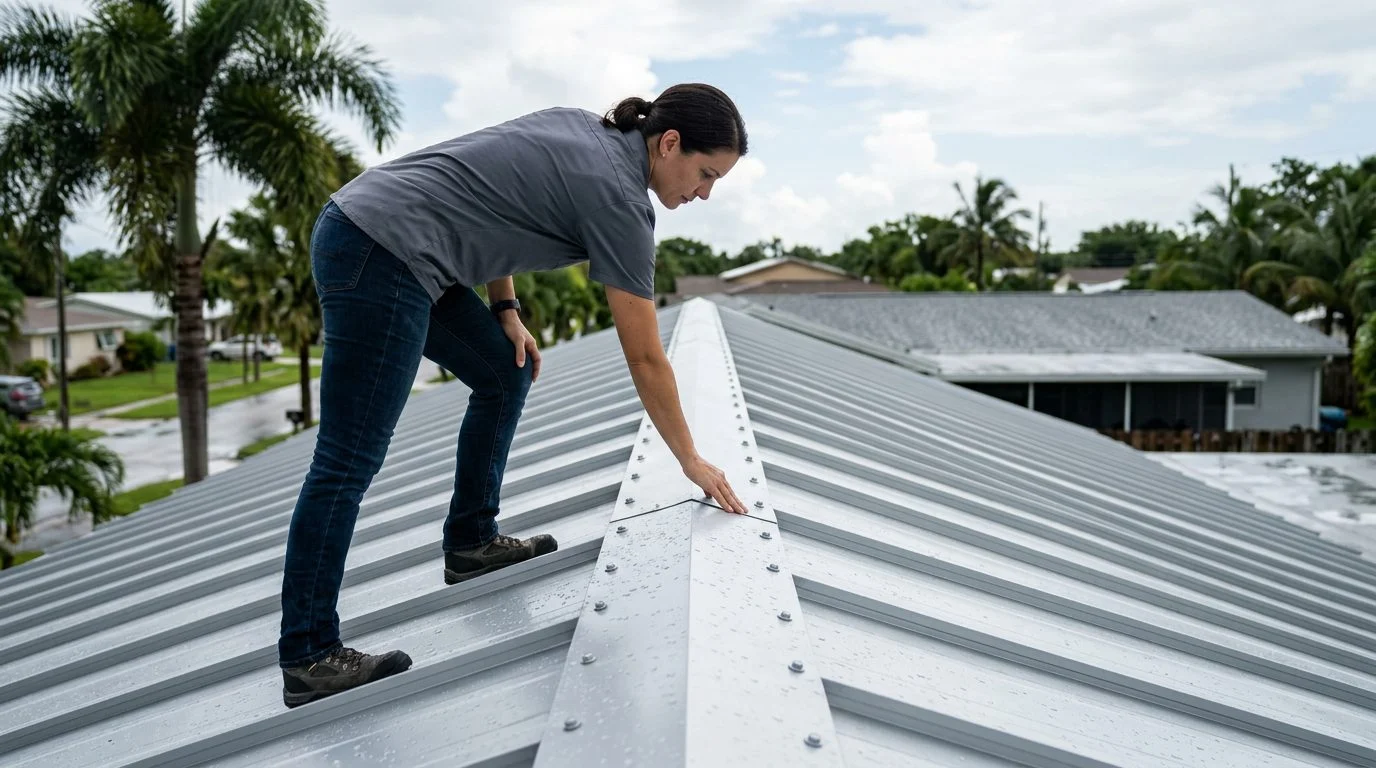
That’s why removal is often the only practical way to reach the roof beneath. A small leak near one edge may only need a few panels moved. A full tear-off usually means the whole array comes off. The roof material matters too. Tile and metal roofs each have their own installation details, and the crew should plan around them.
Before work starts, ask the crew which panels and rails they expect to move. A clear plan now prevents surprises once the roof is open.
If a leaking roof under your solar array has you weighing removal, our team can talk through your options with you, with no pressure to decide. Talk it through with our team — the first consultation is free, confidential, and carries no obligation.
Does Solar Affect a Roof Repair or Replacement?
A solar array usually doesn’t stop a roof repair or replacement, but the panels often have to come off to reach the roof.
Repair and replacement differ in how much comes off. A localized repair may only require lifting panels in the affected section. A full replacement usually means the entire array comes off, because the crew needs access to the whole roof surface.
Roof age and condition often decide which path makes sense. An older roof with wear across many sections may point toward full replacement. A roof with one damaged area may point toward a repair.
A common worry is that solar damages roofs. The more practical issue is access. A covered roof can’t be fully inspected or repaired until the panels are lifted, so removal lets the crew reach the surface beneath.
Reinstalling Panels or Replacing the System
Most roof projects reinstall the existing panels on the new roof rather than buying a new system.
Reinstallation has three main steps. The array is re-mounted to the new roof structure. It is reconnected electrically. Then it is checked before it returns to service.
Florida’s interconnection rules allow a local inspection step. Under Fla. Admin. Code R. 25-6.065, a utility may require that customer-owned renewable generation be inspected and approved by local code officials before it operates in parallel with the utility. That is one reason the reinstall needs a clear paperwork trail.
A new system may make more sense when panels or equipment are damaged during removal or are no longer suitable for the new roof layout. The decision rests on the condition of the parts and the new roof.
Ask who will handle reinstallation and whether it is in the written scope. Florida law requires certain notices in roof contracts. Under Fla. Stat. § 489.147, a contractor may not sign a contract with a residential property owner to repair or replace a roof without including a notice that the contractor may not engage in certain listed practices. If that notice is missing, the owner may void the contract within 10 days after signing.
Why Panel Removal Is Not a Do-It-Yourself Job
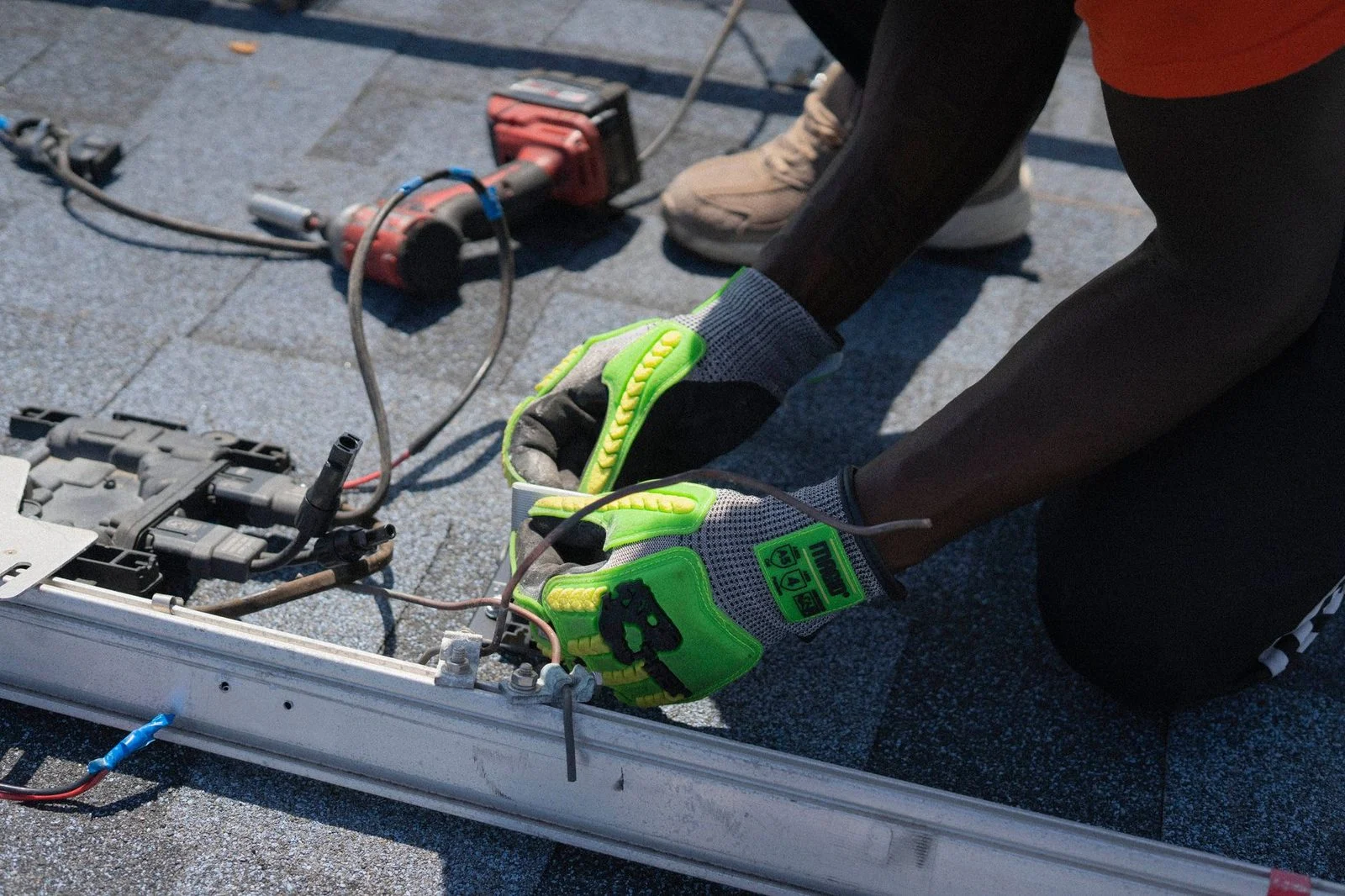
Panel removal is not a good do-it-yourself project because the array carries electrical current and the panels are heavy.
Disconnecting and reconnecting a solar system takes care. Mistakes can cause electrical shock or damage the equipment. Panels are mounted with hardware that must be released and re-secured correctly. Rough handling can crack glass and loosen mounts.
Many systems also include a manual disconnect switch. Under Fla. Admin. Code R. 25-6.065, a utility’s standard interconnection agreement may require a visible manual disconnect switch at the customer’s expense, but inverter-based Tier 1 systems are exempt unless the utility pays for the switch. The switch must be readily accessible to the utility. Reconnecting that equipment is work for the crew that knows the wiring.
Removing panels yourself also creates coordination problems. The roofing schedule, inspections, and equipment warranty all rely on panels being removed and reinstalled in the right order. One crew running both steps keeps those pieces in one plan.
Permits, Inspections, and Project Sequencing
The usual order is panel removal, then roof work, then reinstallation and reconnection, with permits and inspections along the way.
Local rules add detail. The Miami-Dade County roofing permits page lists required forms, checklists, and certain hurricane-mitigation documentation. The City of Miami roofing permit guide says its first building-permit review cycle may take up to 14 business days.
Payment timing matters too. Under Fla. Stat. § 489.126, a contractor who receives more than 10 percent of the contract price up front for residential work must apply for necessary permits within 30 days after that payment, unless the contractor has just cause or the person who paid agreed in writing to a longer period. Unless no permit is required, the contractor must start work within 90 days after the permits are issued.
Sequencing sets the timeline. The roof can’t be finished until the panels are off. The array can’t go back up until the roof is complete. Ask for a written sequence that shows each step and who handles it.
For more context, read the Florida roof permit guide and the roof permit cost guide.
What Affects the Cost of Removing and Reinstalling Solar Panels
Cost follows the scope of the job, mainly the panel count, array layout, roof type, electrical work, and whether the project is a repair or a full replacement.
Each driver adds labor. More panels mean more lifting and more mounting points to release. A tight or hard-to-reach array takes longer to move. Disconnecting and reconnecting wiring requires skilled time. A repair that touches only a few panels usually involves less handling than a full tear-off.
Roof material also matters. The Insurance Institute for Business & Home Safety reported that metal roof systems held up well in winds below 130 mph in Southwest Florida during Hurricane Ian. For tile, the National Roofing Contractors Association states that structural load capacity must be verified when replacing another roof covering with tile.
Insurance may also come into the job. A contract to replace or repair a residential roof must include specific language in bold type of at least 14 points on the page reserved for the owner’s signature. If the proposed work is related to an insurance claim, that language reminds the owner to verify coverage, deductibles, and policy terms before signing.
Ask for the removal and reinstallation to be itemized in the estimate. Clear line items show exactly what is included.
Not sure what your next step is?
Talk it through with our team — the first consultation is free, confidential, and carries no obligation.
Talk Through Your Roof and Solar Plan With Our Team
If you’re not sure whether your panels must come off, a short conversation can clear that up.
You may be researching this for a parent, a tenant, or a property you manage. You may be facing a leaking roof under panels you never planned to move. Those are hard places to start, and you don’t have to sort them out alone.
Do roofing companies remove solar panels for a repair?
Yes, a roofing company can remove only the panels over a localized repair area.
Can I remove solar panels myself before a roof job?
Panel removal is best left to the crew managing the whole job, because of electrical and handling risks.
Does a partial roof job have to meet the current code?
Our team is ready to review your roof and array with you. Our first consultation is free, confidential, and comes with no obligation to continue. Request a free consultation when you’re ready.
How We Approach Roof Work Near Solar Panels
Partial removal when it fits
For a localized repair, the crew can remove only the panels over the affected area rather than the entire array.
Safe handling of electrical components
Panel and wiring removal is handled by the crew managing the whole job, with attention to electrical and handling risks.
Clear scope before work begins
We explain which panels will come off, how the work is sequenced, and what will be reinstalled.
One team for the whole home
Roofing, solar, impact windows, impact doors, and kitchen remodeling are coordinated through one company.
Don't Remove Panels Yourself
Solar panels and their wiring carry electrical and handling risks. Do not detach panels or disconnect equipment before a roof job. Let the crew managing the project handle removal and reinstallation.
Questions to Ask About Your Roof and Solar System
Repair or replacement?
A repair may involve only a small section of panels. A full roof replacement usually requires removing the whole array.
Who manages the electrical work?
Ask who disconnects and reinstalls the panels, and how the system is tested afterward.
Does the plan cover battery backup?
If you have solar battery backup, confirm how the battery and inverter are protected during the job.
What is the timeline?
Ask how removal, roofing, and reinstallation are sequenced so your home stays protected throughout.


