


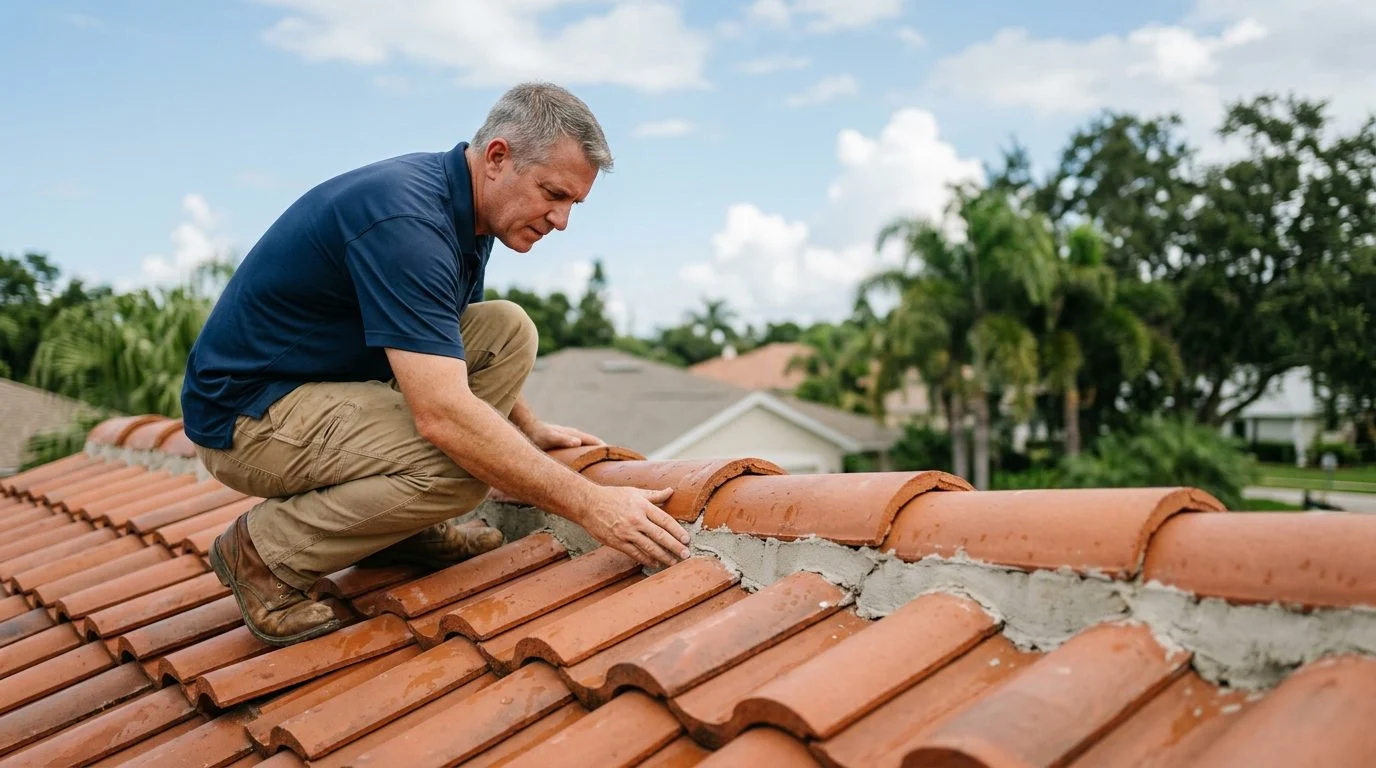
Roofing | South Florida
Metal or Tile? Choose the Roof Built for Florida Weather
Heat, humidity, and hurricane winds all test a roof. Compare metal and tile side by side, then talk with ASP Superhome about the right fit for your home.
Start With a Free Consultation
Free
First consultation
Confidential
Your information stays private
No obligation
No commitment to continue
By Jonathan Rodriguez · Published October 20, 2026
What type of roof is best for Florida weather? For most South Florida homes, the answer is the roof that handles heat, humidity, heavy rain, hurricane wind, and salt air as one system. Metal and tile are the two materials homeowners compare most. Either can suit a home when it’s designed and installed well. This guide walks through each factor so you can judge fit for your own house.
Why Florida weather is hard on a roof
A Florida roof has to handle heat, moisture, and wind at the same time. No single feature settles the question on its own.
Sun is the first problem. Ultraviolet light and long stretches of heat wear down finishes, coatings, and sealants over time. Humidity adds a second problem. Moisture that gets under the roofing layers can rot wood and feed mold in the attic.
Then come the storms. Heavy rain drives water into small gaps. Hurricane winds lift edges and pull at fasteners.
Coastal homes face one more factor. Salt air speeds corrosion on metal parts, including fasteners, flashing, and thin finishes.
A common mistake is choosing by color or appearance alone. A roof that handles sun well can still fail in a storm if the deck, underlayment, or fastening pattern is weak. So what type of roof is best for Florida weather depends on the whole combination.
If a storm or an aging roof has you weighing metal against tile for a home you didn't pick, our team can talk through your specific roof with you. Talk it through with our team — the first consultation is free, confidential, and carries no obligation.
Metal roofing in Florida
Metal roofing is a strong option for many Florida homes. It sheds water quickly. After Hurricane Ian, the IBHS review of Hurricane Ian roofs assessed roof cover performance from the storm.
Standing-seam profiles use raised seams that carry water down the panel. That design helps water move off the roof during wet months. Metal is also lighter than tile, which can matter on homes with limited structural capacity.
Light or reflective coated finishes reduce heat gain from the sun. Finish quality matters, because cheap coatings fade and break down faster in strong sun.
Near the coast, choose corrosion-resistant finishes and fasteners made for salt air. Service life depends on installation and upkeep as much as the metal itself.
Tile roofing in Florida: concrete and clay
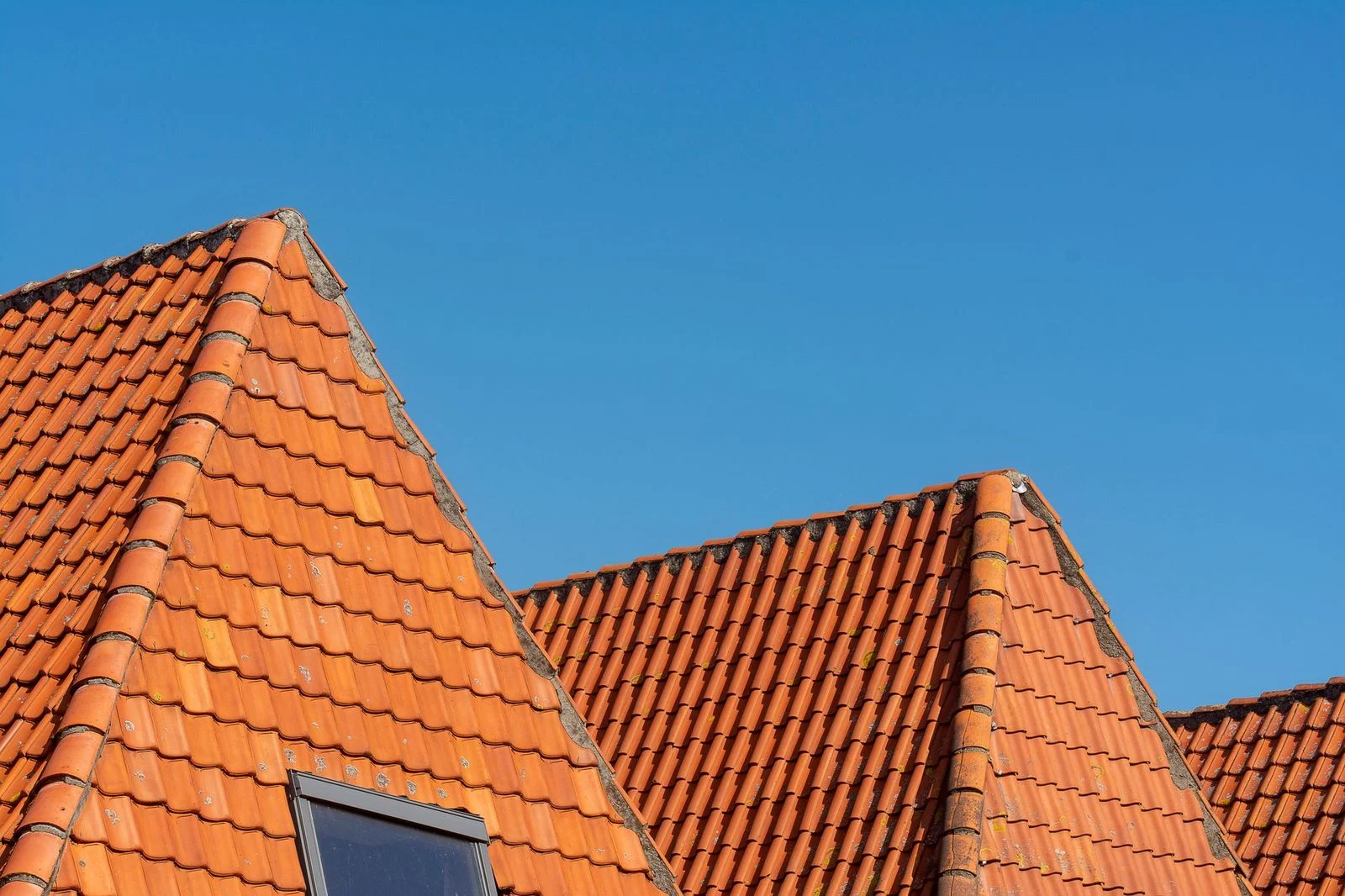
Concrete and clay tile suit many Florida homes, especially those with a traditional or Mediterranean look. Tile handles sun well. Its mass also slows heat moving into the attic.
Tile is heavier than metal. The home’s framing, roof deck, and existing load all matter before you choose it. A roof that’s sound for metal may need a structural check for tile.
Tile can crack or shift if the deck isn’t properly supported. Debris can also break tiles during a storm. Broken pieces are a repair issue, so inspect the roof after any major storm.
Curved profiles fit many architectural styles common in South Florida and Southwest Florida. As with metal, service life depends on installation and maintenance.
How hurricane wind shapes the choice
Florida law sets the rules. The Florida Building Code covers the design, construction, erection, alteration, modification, repair, and demolition of public and private buildings, structures, and facilities, except as otherwise provided in s. 553.73 (for example, certain electric utility structures and small hunting buildings). Its technical provisions focus on the materials used and the construction methods, under Fla. Stat. § 553.73.
Florida law lists roofing among the product categories that the commission must approve using one of the statewide approval methods in subsection (5) of Fla. Stat. § 553.842. A product also can’t be marketed as hurricane or windstorm protection unless it’s approved. That’s a red flag to watch for in any proposal.
Fla. Stat. § 553.8425 lists the methods for local product approval, which show a product meets the Florida Building Code’s structural windload requirements.
Our team can share the approvals and specifications covering the entire roof assembly on request. Don’t stop at the panel or tile brand. Wind performance depends on the whole assembly: deck, underlayment, fastening pattern, and roofing material together. Both metal and tile can meet Florida wind requirements when the full system is designed and installed to them.
Heat, UV, and humidity: what to check for each material
Color, ventilation, and moisture control matter as much as the material name. Check these points on any roof you’re considering.
- Finish and color. Light or reflective finishes reduce heat absorption on metal. Tile’s mass slows heat transfer into the home.
- Attic ventilation. Good airflow moves heat and moisture out of the attic. That protects the living space under either material.
- Flashing and underlayment. Leaks often start at vents, skylights, and valleys. Look closely at these spots.
- Post-storm checks. Inspect seams, fasteners, and tile edges after strong storms.
Humidity is hard on the attic. Moisture control deserves as much attention as the roof surface.
Matching the roof to your home and situation
The right material depends on the roof’s pitch, the structure underneath, and its age. A site inspection is the reliable way to compare your options. Repair can extend a roof’s life when damage is limited. Replacement is often the better path when leaks, storm damage, or age cover much of the roof.
Florida’s rules shape that choice. For site-built, single-family homes, Fla. Stat. § 553.844 says a roof replacement must incorporate the secondary water barrier and roof-decking attachment techniques specified in the statute. For existing buildings not otherwise required to meet the Florida Building Code for new construction, § 553.844 applies a cost-based limit to roof-to-wall connection work at gable ends or all corners, and where the statute requires a roof replacement on certain buildings to incorporate those roof-to-wall techniques, that same cost-based limit comes with the requirement.
Permits matter too. The City of Miami roofing permit page states that the City requires permits for residential and commercial roof repair or replacement. Each project has its own paperwork, and our team can walk you through what may apply to your home before work begins.
Insurance is part of the picture. Under the Florida Statutes on wind mitigation insurance discounts, an insurer must use a form prescribed by the Office of Insurance Regulation to clearly tell the applicant or policyholder of any personal lines residential property insurance policy, when the policy is issued and at each renewal, about the availability and range of discounts, credits, other rate differentials, or deductible reductions for properties where fixtures or construction techniques demonstrated to reduce the amount of loss in a windstorm can be or have been installed or implemented. The Florida Office of Insurance Regulation explains the wind-mitigation inspection process.
Use this checklist to judge fit:
- The roof’s age and the condition of the deck underneath
- The roof pitch and whether the framing can carry tile
- Any storm, leak, or wear damage you’ve already noticed
- Whether the home is a primary residence, a rental, or coastal property
Not sure what your next step is?
Talk it through with our team — the first consultation is free, confidential, and carries no obligation.
Talk with ASP Superhome about your roof
You may be looking into this for a parent, a rental, or a home that took a storm you didn’t expect. You don’t need every answer before you start.
Quick answers
What type of roof is best for Florida weather?
Metal and tile both suit Florida when the full system is designed and installed to code. Your home’s structure and exposure decide the fit.
Do I need a permit to replace a roof in Miami?
The City of Miami states that it requires permits for residential roof repair or replacement.
Can a roof affect my insurance premium?
Florida law requires insurers to tell you about premium discounts for qualifying wind-loss features. Ask your insurer which discounts may apply to your roof.
If you’re weighing a roof for a home you didn’t choose, share your roof’s age, the damage you’ve noticed, and the home’s location. ASP Superhome can look at your specific roof with you. The first consultation is free, confidential, and comes with no obligation. Reach out through the ASP Superhome contact page to start.
What Matters Most for a Florida Roof
Wind Resistance
Florida storms test the whole roofing system, including the deck, underlayment, fasteners, and installation, not just the outer material.
Heat and Sun Exposure
Roof color, material, and ventilation all influence how much heat reaches the attic and living spaces below.
Moisture and Humidity
Sealing, flashing, and drainage help protect the roof from the constant moisture of South Florida summers.
Long-Term Upkeep
Each material has different maintenance needs. Plan for inspections and small repairs before they become larger problems.
Don't Choose by Looks Alone
Metal and tile can both perform well in Florida, but only when the full system is designed and installed correctly for your home's structure and exposure. Ask about the complete installation plan, not just the material.
Metal and Tile at a Glance
Metal Roofing
Lightweight and durable, with panels and profiles that can shed water quickly. A good match for homes that need lighter loads and clean lines.
Tile Roofing
Classic Florida style with strong heat resistance and a long service life when properly installed. Tile is heavier, so the home's structure matters.
Repair or Replace
A roof inspection shows whether targeted repairs will do the job or whether a full roof replacement makes more sense for your home.
Pair Your Roof With Solar
If you plan to add solar panels or battery backup, coordinate roofing and solar work early so the roof is ready for the new system.


