


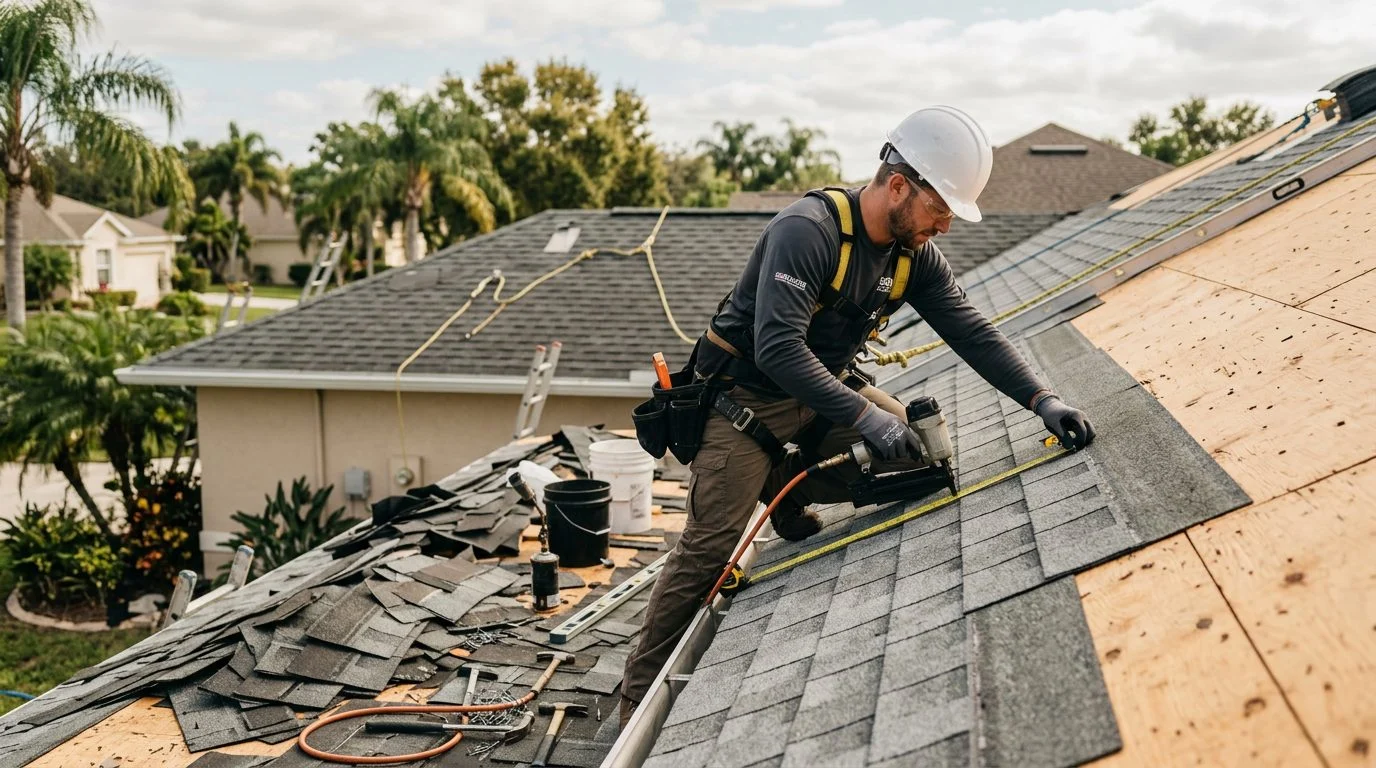
Roof Replacement & Repair · South Florida
Do You Need a New Roof Before Selling Your Florida Home?
Understand what buyers look for in a roof, when repair may be enough, and when replacement makes sense before you list.
Start with a free first consultation
Free
First consultation
Confidential
Every conversation
No obligation
To continue
By Jonathan Rodriguez · Published November 3, 2026
Do I need a new roof before selling a house in Florida? Not always. A roof often needs attention before a sale when it is near the end of its life, leaks, or has damage a buyer’s inspector will flag. A roof with isolated, repairable damage may only need a repair. This guide explains how roof age and condition come up in a Florida sale and how to choose between repair, replacement, and disclosure.
Why the roof comes up when you sell a Florida home
Buyers and their inspectors usually look at the roof closely. That makes roof condition a common point of negotiation in Florida home sales. Most buyers want to know how much life the roof has left before they make an offer.
Florida’s climate puts roofs under constant stress. Intense sun bakes roofing materials. Heat and humidity speed up wear. Storm season brings wind and driving rain, which can lift shingles or tiles and open small gaps. A roof that looks fine from the street can still have problems an inspection will find.
Roof age is often one of the first details buyers and insurers ask about. Age signals how much service life remains. A newer roof gives a buyer more confidence. An older roof raises questions about cost, insurance, and whether the buyer will need to spend money soon after closing.
For a seller, the key point is simple. The roof is part of the house a buyer is paying for. Knowing its condition before you list gives you more control over the conversation.
Not sure what your next step is?
Talk it through with our team — the first consultation is free, confidential, and carries no obligation.
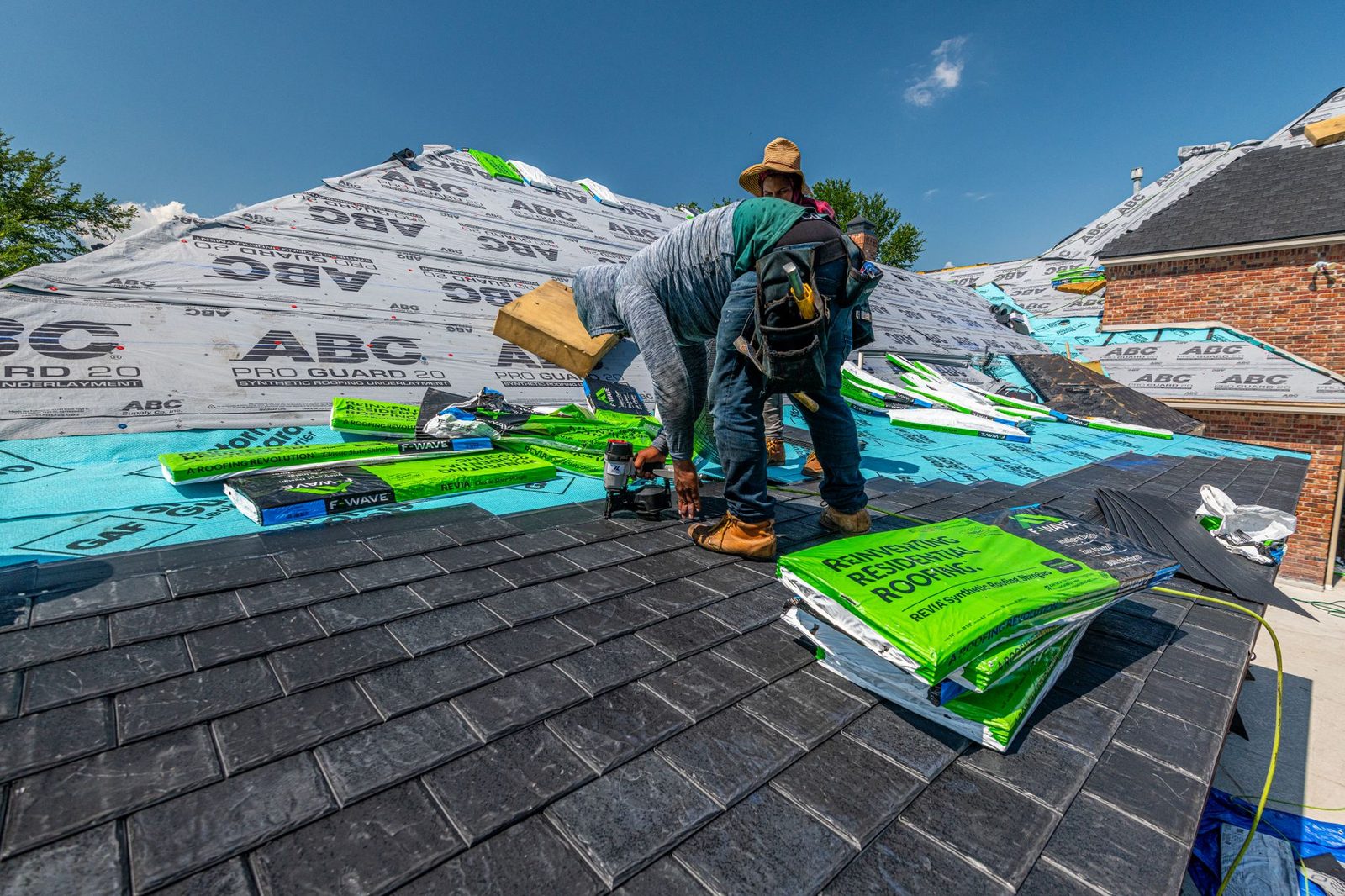
How roof age affects buyers, insurance, and inspections
An older roof can change how a buyer responds. Some buyers ask for a formal inspection before going further. Others ask for a price credit to cover a future replacement. A few walk away if the roof looks near the end of its life.
Insurance questions often come up at the same time. Florida Statutes § 627.7011 sets roof-age rules for homeowners’ policies: an insurer may not refuse to issue or renew a policy solely because a roof under 15 years old is that age, and roofs at least 15 years old get the inspection rule below. An insurer must allow a roof inspection by an authorized inspector, at the homeowner’s expense, before it requires replacement of the roof as a condition of issuing or renewing a homeowner’s insurance policy. The insurer may not refuse coverage solely because of roof age if that inspection shows at least 5 years of useful life remaining.
A typical sale follows a clear path. The buyer’s inspector walks the roof and notes visible damage. Common flags include missing or cracked tiles, lifted shingles, and signs of leaks inside the home. The written findings then go into negotiation. The buyer may ask you to make repairs, offer a credit, or lower the price.
Should I replace, repair, or disclose before listing?
Repair often fits a roof with isolated damage and good remaining life. Replacement often fits a roof with widespread wear or repeated leaks. Each path has a different cost and a different effect on the sale.
Repair makes sense when the damage stays in a few areas. Replacing a few cracked tiles or resealing flashing around a vent can fix a specific problem. If the rest of the roof has solid life left, a targeted repair may be enough.
Replacement makes more sense when wear spreads across the roof or leaks keep coming back. Repeated patches can cost more over time and raise buyer doubts. A full replacement also gives the buyer a clear answer about the roof’s condition.
Disclosure is a third option. You can tell buyers about known problems and offer a price adjustment or credit instead of finishing the work before listing. Keep written notes of what you know. Florida’s code also shapes replacement work. The Florida Building Commission roofing changes show that the 2026 code allows the upper roof covering to be removed during recovering only when the existing or repaired base is adequate.
A new roof does not automatically add the same dollar amount to a sale price. Weigh the cost of the work against how buyers are likely to respond.
Roof types and what buyers look for
Metal and tile roofs raise different questions during a sale. Buyers and inspectors check material, installation, and remaining life for each one.
Metal roofing has held up well in strong storms. The IBHS Hurricane Ian roof study found that metal roofing systems held up well in Southwest Florida in winds below 130 mph. Buyers still look closely at seams, fasteners, and flashing. The 2026 metal roof flashing rule requires flashing to follow the manufacturer’s installation instructions. Keep that paperwork ready.
Tile roofing is durable and common in Florida homes. The NRCA roofing materials guidance describes clay and concrete tile as durable. It also says structural load capacity should be verified when tile replaces another roof covering. If your home is switching to tile, that check matters.
Insurers look at tile too. Citizens Property Insurance asks for documentation of remaining useful life on older roofs. Material alone does not decide value. Installation quality and maintenance records help a buyer judge how much life is left.
Preparing your roof before listing
Start with a roof inspection and a written record of its condition. Know what a buyer’s inspector is likely to find before the inspector arrives.
Gather your records. Keep receipts, permits, and notes from past repairs. Write down any leaks, stains, or repaired areas. Clear paperwork helps a buyer trust the roof.
Most roof repair and replacement work needs a permit first. Florida Statutes § 553.79 makes it unlawful to repair or replace a building without first obtaining a permit, unless another law provides otherwise. Permit timing affects your schedule. The City of Miami permit guidance says its first building-permit review cycle may take up to 14 business days.
Address active leaks early. A leak found during a buyer’s inspection can slow the sale or prompt a price request. Fixing it first lets you control the scope and cost.
Hurricane season also affects timing. Roof work scheduled close to a listing during storm season may take longer to coordinate. Plan with extra room.
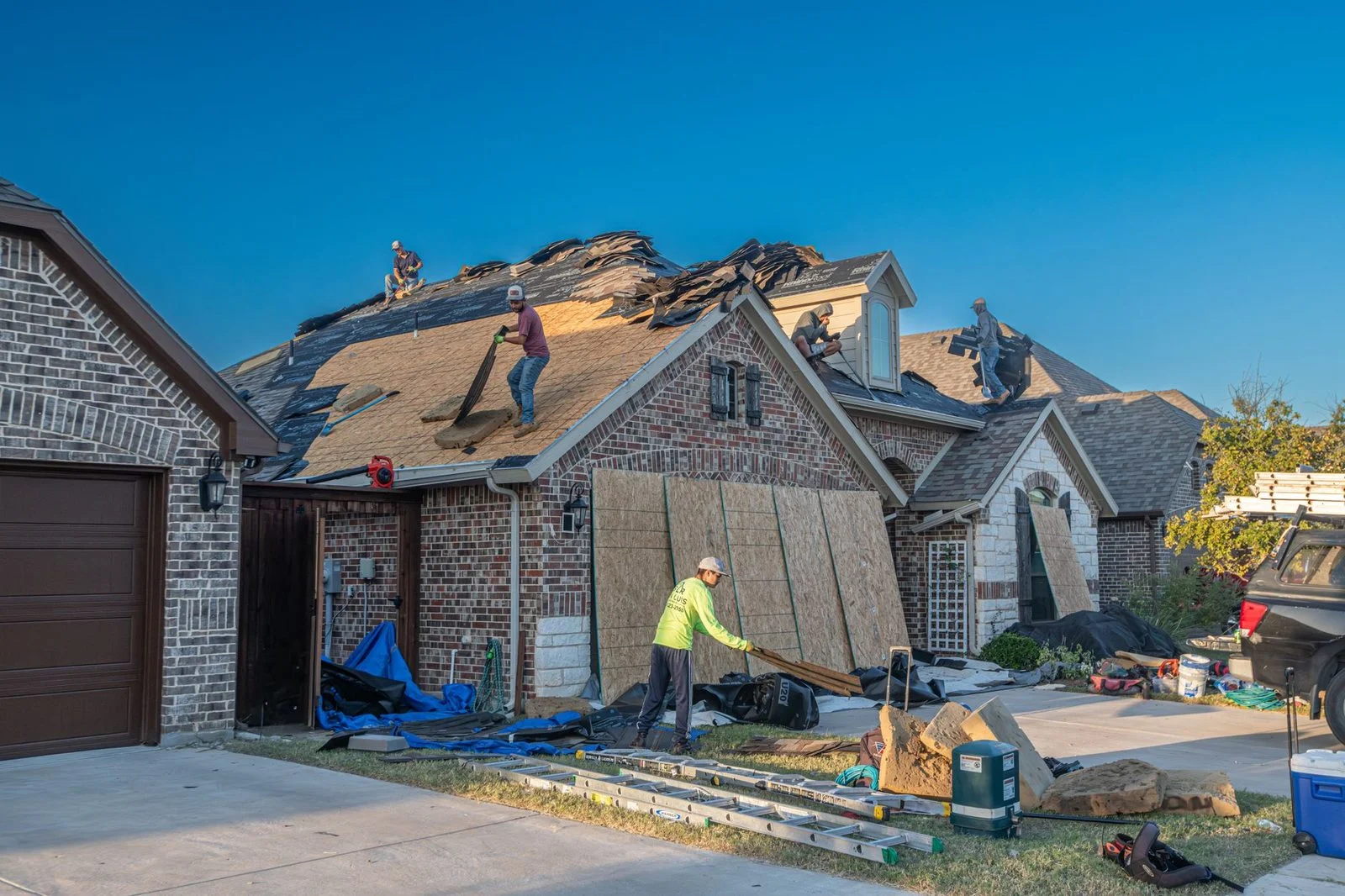
Talk with ASP Superhome about your roof before you list
If your roof is aging, shows visible damage, or may draw questions in a buyer’s inspection, you have options to review before you list. ASP Superhome serves homeowners in Miami, Fort Lauderdale, West Palm Beach, Kendall, Naples, Fort Myers, and Boca Raton. Our team can talk through roof replacement, roof repair, and metal or tile roofing for your home. Your first consultation is free, confidential, and carries no obligation to continue. If a worn or leaking roof stands between you and a listing date, request a free estimate and review your options.
Do I need a new roof before selling a house in Florida?
Not always. Many sellers repair isolated damage or disclose known issues instead. The right path depends on the facts of your roof.
Does a roof over 15 years old affect insurance in Florida?
Florida law requires insurers to let homeowners with roofs at least 15 years old have a roof inspection by an authorized inspector, at the homeowner’s expense, before requiring replacement as a condition of issuing or renewing a homeowner’s policy. Coverage cannot be refused solely because of roof age if the inspection shows at least 5 years of useful life.
Do I need a permit to repair a roof before listing?
Generally yes. Florida law makes it unlawful to repair or replace a building without a permit, unless another law provides otherwise.
How we approach your roof before a sale
Clear facts about your roof
We look at the age, condition, and any known damage so you know where your roof stands today.
Repair or replace, weighed honestly
We discuss whether targeted roof repair or a full roof replacement fits your home, your timeline, and your budget.
Information you can share
Our team can help you organize roof details and findings so you can communicate condition clearly with buyers and agents.
Support from our team
Our team works with you step by step, from the first question to the final plan.
Don't guess about roof condition
Active leaks, missing shingles, or visible storm damage can change what buyers ask for and how smoothly a sale moves forward. Getting a clear picture of your roof before you list helps you plan with confidence.
Common roof situations before a sale
Isolated damage
A few missing tiles, a flashing issue, or a localized leak can often be addressed with roof repair.
An aging roof
An older roof may raise questions from buyers and insurers. Knowing its age and condition helps you decide what to do next.
Widespread wear
When damage is spread across the roof, full roof replacement may be the more practical path.
Material choices
Metal roofing and tile roofing each suit different homes and budgets. We can talk through which fits your property.


