


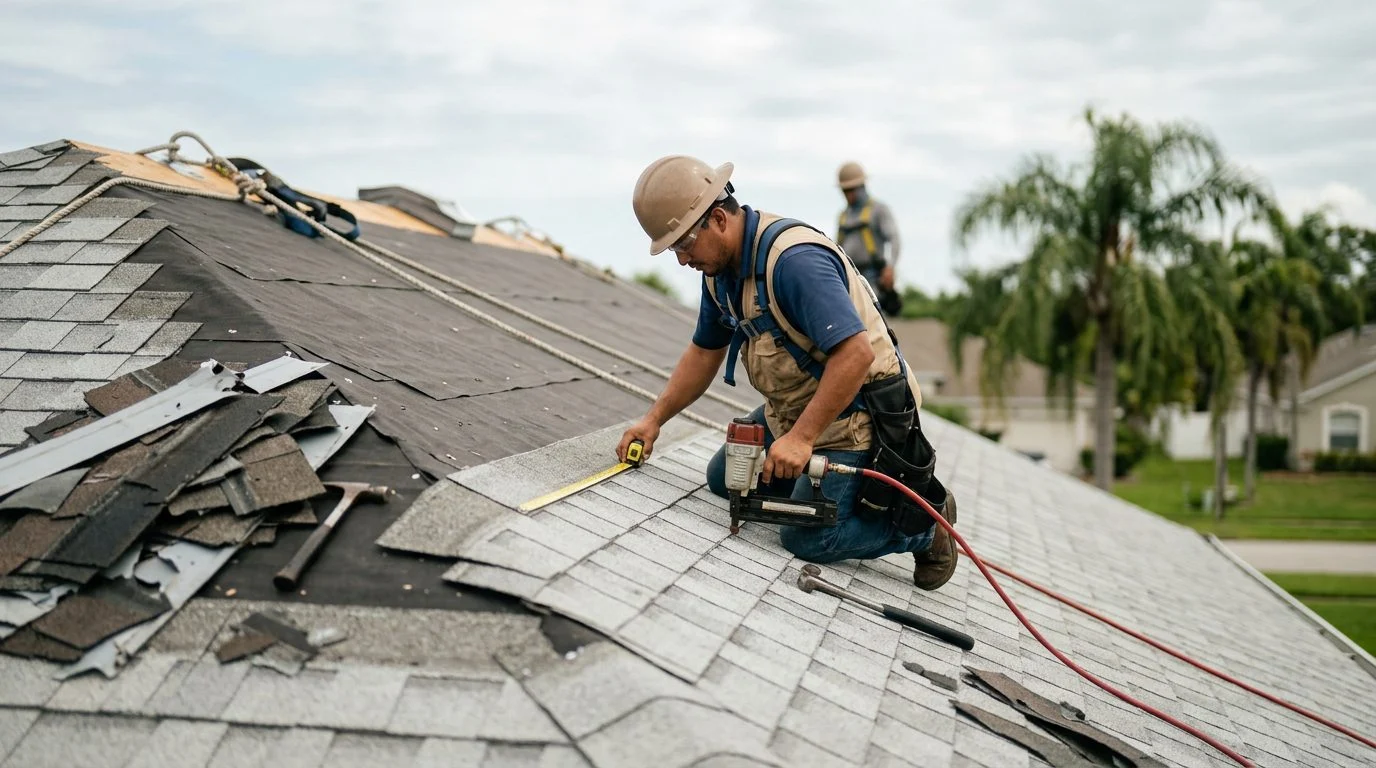
Roofing · South Florida
How Long Do Roofs Last in Florida? Know What to Expect From Your Material
Heat, humidity and storms shape how long a roof lasts. Here is how metal and tile roofs compare, and what to watch for as your roof ages. Start with a free, confidential first consultation with no obligation to continue.
By Jonathan Rodriguez · Published November 3, 2026
How long do roofs last in Florida?
The short answer is that roof life depends mostly on the material. Metal roofs can last 50 years or more when they are properly selected and installed, according to the Building America Solution Center. Shingles and tile face the same sun, heat and storms, so their lifespans are harder to predict.
Treat any lifespan range as a planning estimate for a material, not a promise for your roof. Two roofs made of the same material can age very differently. Installation, attic ventilation and storm history all change the result.
This matters across South Florida, from Miami and Kendall to Fort Lauderdale, Boca Raton, West Palm Beach, Naples and Fort Myers. These areas share intense sun, daily rain and hurricane season. Several are also near salt water, which affects metal parts.
If you’re planning ahead, start with the material and the roof’s condition. Then look at roof age in light of insurance and permit rules, covered below. For the bigger picture on replacement, read our roof replacement guide.
If a ceiling stain or storm damage caught you off guard, our team can talk it through with you. Ask for a free first consultation, confidential and without obligation. Talk it through with our team — the first consultation is free, confidential, and carries no obligation.
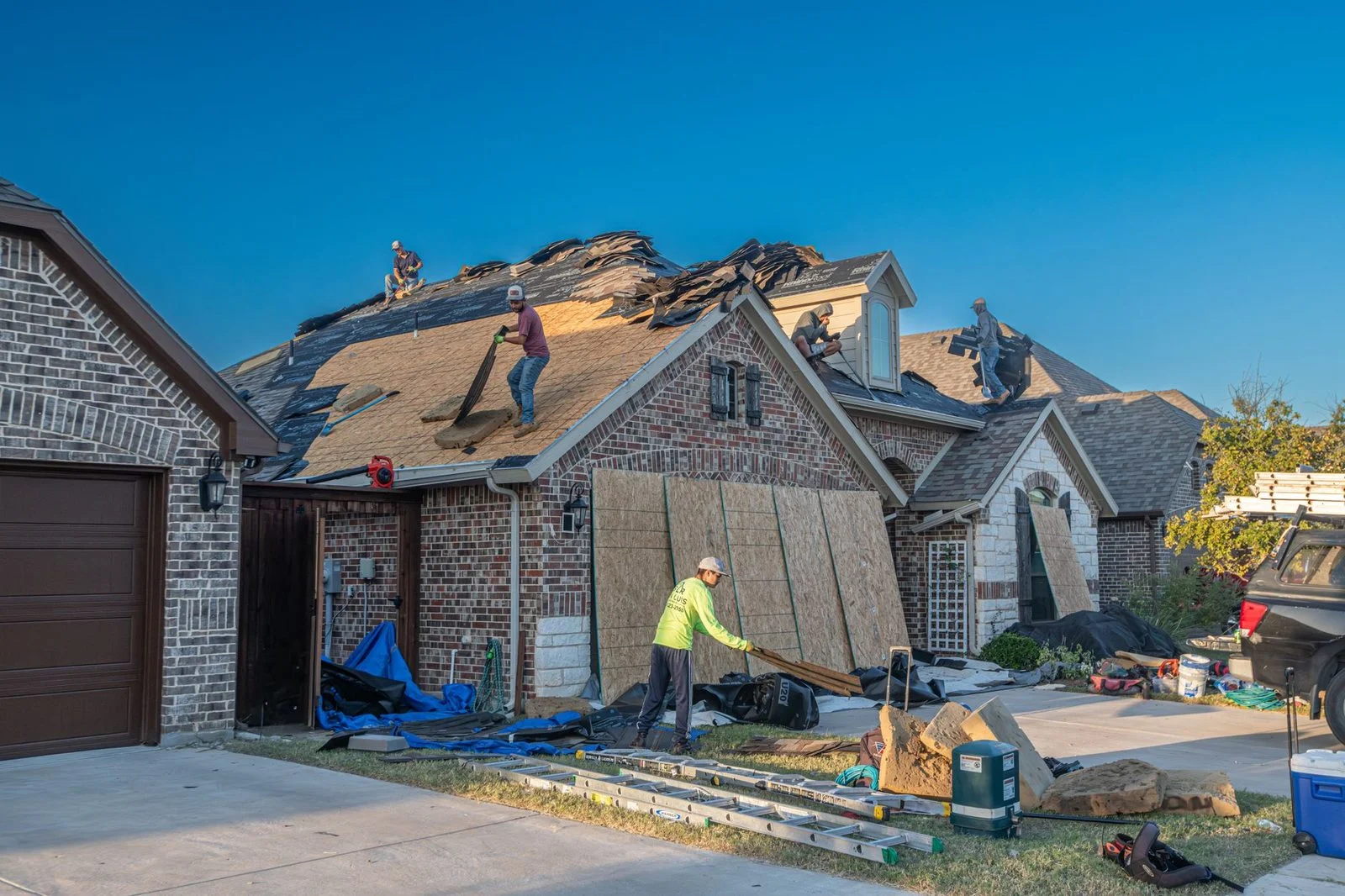
Average roof lifespan by material: shingle, tile and metal
Metal has the longest documented lifespan of the three materials covered here. The 50-year figure applies to properly selected and installed metal roofs that meet wind-uplift, corrosion and attachment standards.
Asphalt shingles usually need replacement sooner than metal. Research from the Insurance Institute for Business & Home Safety links aging roof covers to weaker wind performance. It says severe wind may make replacement necessary. That finding applies to asphalt shingles, not tile.
Tile roofs are heavy and depend on the layer beneath them. Citizens Property Insurance Corporation uses age thresholds for tile roofs in its underwriting. It also asks for documentation of remaining useful life. Its inspection requirements explain how this works.
Installation counts as much as the material itself. The code changes analysis notes that a new section was added requiring intake and exhaust vents for ventilation of attic and enclosed rafter assemblies, to be provided in accordance with Sections R806.1 through R806.4.
Why Florida roofs can wear out sooner than expected
Florida roofs face several stresses at once, and those stresses add up. Sun and heat dry out roofing materials over time. Daily rain and humidity keep roofs damp, which lets algae and mold grow on shingles and tile.
Hurricane season adds wind uplift and wind-driven rain. Loose or damaged shingles, tiles or flashing let water in. The Insurance Institute for Business & Home Safety studies how wind exposure, construction era, roof structure and building codes affect storm damage.
Salt air matters near the coast, including Fort Lauderdale, Boca Raton and Naples. The Florida Building Code corrosion change covers fasteners and metal connectors within 3,000 feet of a saltwater coastline. It gives criteria for stainless steel, enhanced galvanizing and standard galvanizing.
Impact windows and doors protect the openings in your walls. They do not replace a roof inspection. The roof is its own system, so it needs its own check.
Is a 20-year-old roof too old in Florida?
No single age makes a roof too old. Age is one signal, and the roof’s condition and repair history matter just as much. A 20-year-old shingle roof may be near the end of its service life. A 20-year-old metal roof may still have a long way to go. An inspection shows which.
Florida insurance rules use roof age as a threshold, not a replacement deadline. A roof inspection can help a homeowner understand the condition of an older roof. This happens before the insurer requires replacement as a condition of issuing or renewing a policy.
The Florida Department of Financial Services says roof discounts vary by insurer. It also says they depend on the roof’s age, condition and type, and are typically limited to roofs under 10 years old.
How often do you have to replace a roof in Florida?
There is no single schedule. Replacement timing depends on the material, the roof’s condition and how many repairs it has already needed. A roof can often be repaired more than once before replacement becomes the practical choice.
Permits matter too. Under Fla. Stat. § 553.79, it is unlawful to repair a building in Florida without first getting a permit, unless another law provides otherwise.
Warning signs that a roof needs repair or replacement
Look for missing, cracked, curling or lifted shingles or tiles. Check for rusted or loose metal panels and exposed fasteners. Shingle granules in the gutters are another sign of wear.
Inside the house, water stains on ceilings or walls point to a roof problem. So do peeling paint near the roofline and a musty attic smell. Daylight visible through the roof deck from the attic is a serious sign.
After a storm, have the roof inspected even if the damage isn’t obvious from the ground. Roof work carries real fall hazards, so start from the ground and leave the climbing to trained people. The OSHA roofing safety guide covers these hazards.
Storm claims have deadlines. Under Fla. Stat. § 627.70132, a claim or reopened claim under a property insurance policy is barred unless notice of the claim was given to the insurer in accordance with the policy within 1 year after the date of loss, though this time limit is tolled during a combat zone or combat support posting that materially affects a servicemember named insured’s ability to file a claim, supplemental claim, or reopened claim. A supplemental claim is barred unless notice is given within 18 months. For hurricanes and other weather events, the date of loss is the landfall date or the date NOAA verifies the event.
A leak that keeps coming back usually means the source hasn’t been found. Repeated patching is a signal to have the roof evaluated.
Not sure what your next step is?
Talk it through with our team — the first consultation is free, confidential, and carries no obligation.
How to extend your roof’s life in Florida
Inspect the roof on a regular schedule. Check it before and after hurricane season, and after any major storm. Early checks catch small problems before they turn into large ones.
Keep gutters and valleys clear so water drains instead of pooling. Trim branches that overhang the roof and rub against shingles or tile. Remove debris that holds moisture against the roofing.
Fix small problems early. A single lifted shingle or cracked tile is easier to repair than water-damaged decking. Our team’s roof repair work covers these fixes.
Keep records of past repairs, permits and inspections. They help explain the roof’s history to insurers and future owners.
Frequently asked questions
How long do roofs last in Florida?
Metal roofs can last 50 years or more when properly selected and installed. Shingle and tile lifespans depend on the material, the roof’s condition and storm exposure.
What is the average lifespan of a shingle roof?
Asphalt shingles usually need replacement sooner than metal roofs in Florida. Heat, storms and the roof’s condition all affect how long they last.
Is a 20-year-old roof considered old?
Age alone doesn’t decide it. An inspection of the roof’s condition tells you more than the number.
How often do you have to replace a roof in Florida?
There’s no fixed schedule. Timing depends on the material, the roof’s condition and its repair history.
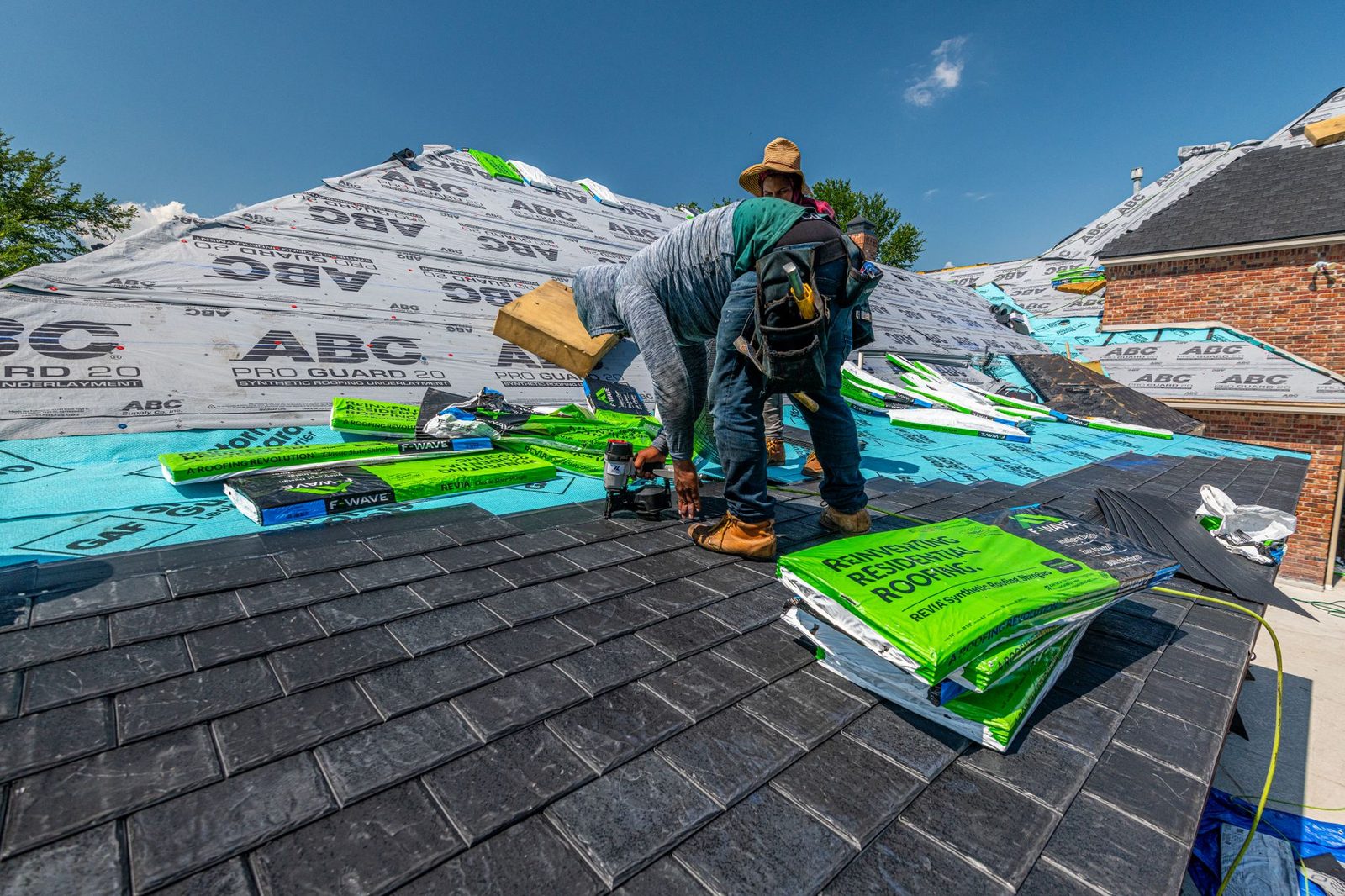
Talk with our team about your roof’s age and condition
Maybe you noticed a ceiling stain after a storm. Or maybe you’re checking a roof for a parent or a rental property you didn’t choose to own. That’s a stressful spot, and you don’t have to sort out roof age, insurance and permits alone.
Our team offers a free first consultation, which is confidential and carries no obligation to continue (Spanish: consulta inicial gratuita, confidencial y sin compromiso). You can reach out through our contact page.
What Shapes a Roof's Lifespan in Florida
Heat and UV exposure
Year-round sun and high temperatures stress roofing materials, sealants and fasteners over time.
Storm and wind exposure
Florida's hurricane season and heavy rain test how well a roof's installation and attachment hold up.
Humidity and moisture
Humid air and trapped moisture can speed wear on decking, underlayment and flashing when ventilation is poor.
Material and installation
The product chosen and the quality of the installation often matter as much as the material's rated life.
Don't Wait for a Leak to Take Action
Water stains on ceilings, lifted or missing shingles and tiles, and granules or debris in gutters can signal an aging roof. Catching these signs early can help you plan repairs or replacement on your own schedule.
Lifespan by Material
Metal Roofing
Metal roofs can last 50 years or more when properly selected and installed. Their durability in high heat and wind makes them a long-term option for many South Florida homes.
Tile Roofing
Tile roofs are known for long service life in Florida's climate. Actual lifespan depends on the tile type, underlayment, fastening and the condition of the roof structure beneath it.
Roof Repair
Timely repairs, such as replacing damaged tiles or panels, sealing flashing and addressing leaks, can extend the useful life of a roof that is still structurally sound.
Roof Replacement
When damage is widespread or repairs are no longer practical, replacement with the right material and proper installation gives your home a new, dependable roof.


