


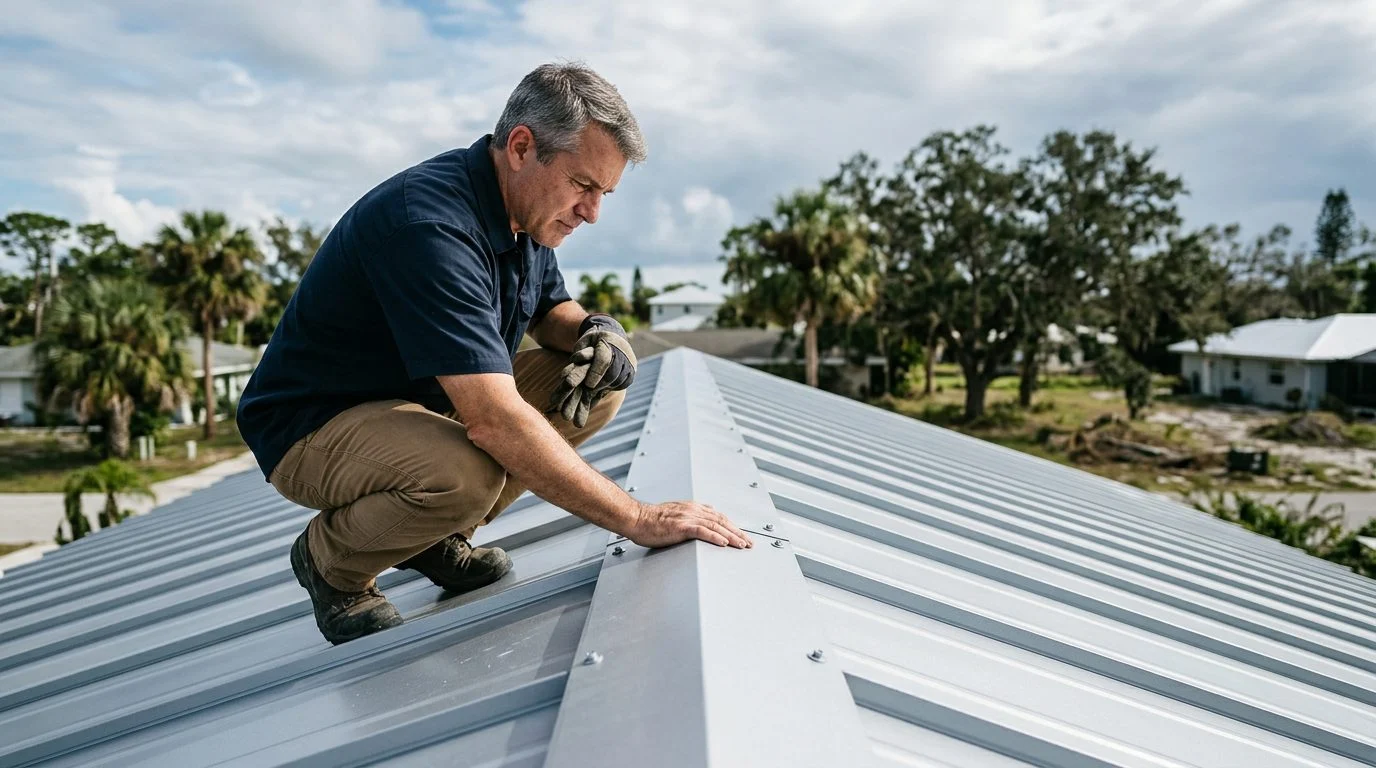
Metal Roofing | South Florida
How Long Does a Metal Roof Last in Florida?
Metal is among the longer-lasting roofing options in the state. See which factors shape its lifespan and how ASP Superhome can help you plan your roof.
By Jonathan Rodriguez · Published October 26, 2026
How Long Do Roofs Last in Florida?
Metal is among the longer-lived roofing options in Florida. Exactly how long does a metal roof last in Florida? It depends on the specific roof, including its panel system, finish, installation, and exposure.
Florida’s sun, humidity, and storm season make roof age hard to judge by the calendar alone. Two roofs installed the same year can age very differently. One may sit near the coast in Naples or Fort Myers, where salt air reaches it. Another may sit farther inland, away from that salt. Heat and moisture work on both, but not always at the same pace.
Tile, asphalt shingle, and metal roofs each have typical lifespan ranges, and those ranges overlap. Material gives you a starting point, not a final answer. Calendar age is only the first question. A roof’s current condition tells you much more.
For a full overview of planning a replacement, read our roof replacement guide.
If you're deciding about the roof on a home you own, are buying, or are looking after for a parent, our team can talk through its condition with you. Talk it through with our team — the first consultation is free, confidential, and carries no obligation.
How Long Do Metal Roofs Last?
No single number answers how long a metal roof lasts in Florida. Lifespan varies by metal type, panel style, gauge, and finish. Treat any quoted range as a rough guide, not a promise for your home.
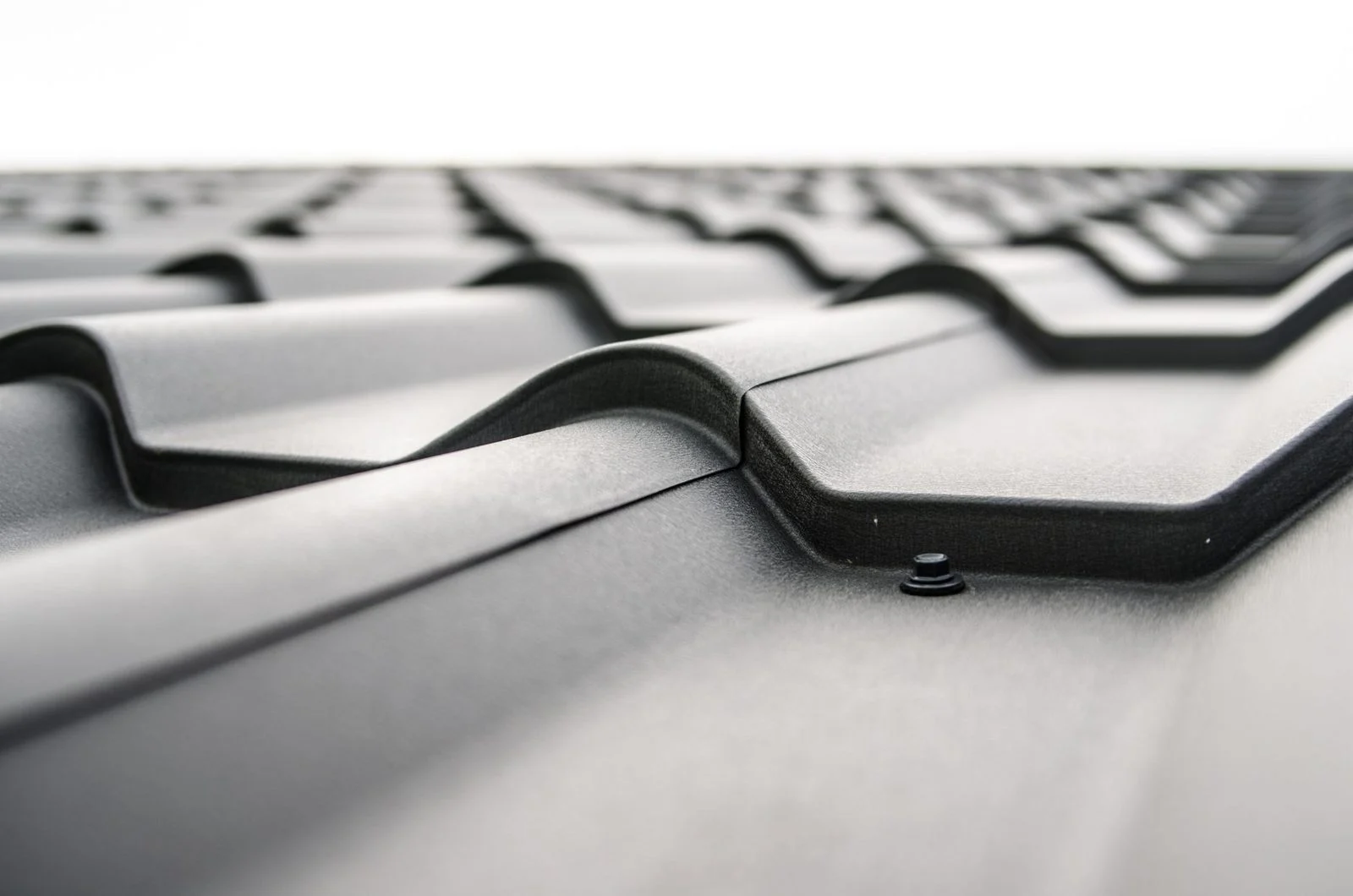
Two panel styles are common. Standing seam panels lock together along raised seams, and their fasteners stay hidden. Exposed-fastener panels are screwed through the panel into the deck. Each screw is a spot where water can enter if its seal wears down. Over time, seam design and fastener quality affect performance as much as the metal itself.
The finish matters too. The coating protects the metal from sun and salt, and it can wear with the years. Manufacturer warranties cover defined terms, and those terms differ by product. Ask what each warranty actually covers before you compare them.
Installation is where many roofs separate from one another. A well-installed metal roof with proper underlayment and ventilation tends to perform better over time than one with installation shortcuts. Metal roofing options vary by home, and our team can review yours during a free first consultation, which is confidential and carries no obligation to continue.
What Shortens or Extends a Metal Roof’s Life in Florida?
Salt air, sun and heat, wind, and everyday wear are the main forces that age a metal roof in Florida. Good installation helps it handle all four.
Salt air is a concern near the water. In coastal areas such as Naples, Fort Myers, and Boca Raton, salt can attack finishes, fasteners, and flashing over time. Small corrosion at these points can grow if it goes unchecked.
Sun and heat cycle the panels every day. Panels warm by day and cool at night, and that movement works on fasteners, seals, and coatings. UV exposure can fade or chalk the finish over time.
Wind is the major storm test. Metal roofing is one of the roofing systems we offer for South Florida homes. Fasteners, edges, and seams decide how a panel roof handles strong gusts. Plan storm preparation early. See our guide to preparing your roof before hurricane season.
Everyday factors add up. Poor attic ventilation traps heat and moisture. Debris left on the roof holds water against the panels. Foot traffic can dent panels and scratch the finish, so keep roof walking to a minimum.
Metal Roof Pros, Cons, and Cost in Florida
Metal roofs offer durability, reflective finishes, and light weight compared with tile. They also come with a higher upfront cost than some asphalt options.
The advantages are clear. Metal stands up to Florida sun and storms when it’s installed correctly. Reflective finishes reflect sunlight. Metal also weighs less than tile, which can matter on certain structures.
The drawbacks are real too. Without proper decking and insulation, rain can sound loud on metal panels. Panels can dent from hail or flying debris. The upfront price can exceed some asphalt roofing options.
Is $30,000 too much for a roof? No single figure fits every home. Cost depends on roof size, pitch, panel system, tear-off of the existing roof, and local permitting. An accurate number needs an inspection and measurement of the specific roof.
Insurance can change the math. Your policy terms determine how law and ordinance coverage applies to your home.
Metal Roof vs. Tile Roof: Which Lasts Longer in Florida?
Neither material wins every case. The better choice depends on the home’s structure, the look the owner wants, and the roof’s exposure.
Tile is heavy, so the structure must carry its weight. Under impact, tile can crack or dislodge. Metal panels flex and shed water differently, and they weigh less than tile.
Tile systems depend heavily on underlayment, mortar or clips, and installation quality. Weak attachment or aging underlayment can let water through. Metal systems rely on seams, fasteners, and underlayment in much the same way.
Florida rules apply to both materials. The state’s Fla. Stat. § 553.842 lists roofing among the product categories approved statewide. Palm Beach County notes that metal roofing falls under the statewide product approval system.
Is a 20-Year-Old Roof Too Old in Florida?
Age alone does not decide replacement. Condition, material, and exposure matter more than the number of years on the roof.
Watch for clear warning signs. Lifted or missing panels, damaged sealant or flashing, and rust spots on metal all point to trouble. Finish wear matters too. Leaks or stains inside the home often reveal a problem above.
You may hear that every roof must be replaced every 10 or 15 years. Treat any fixed rule with caution. Replacement timing depends on the roof’s actual condition, not a set calendar.
If you’re selling, our guide on whether you need a new roof before selling a Florida home covers that decision.
Not sure what your next step is?
Talk it through with our team — the first consultation is free, confidential, and carries no obligation.
How Can You Extend Your Roof’s Life in Florida?
Regular inspections and simple upkeep help a roof last longer. Inspect after major storms and at least once a year. Focus on fasteners, seams, flashing, and sealant.
Keep gutters and valleys clear. Trim overhanging branches that drop leaves and debris onto the roof. Remove debris that holds water against the surface.
Check attic ventilation as well. Poor airflow traps heat and moisture, which can damage the roof from below. Address leaks early, before they spread.
Prompt repair of small problems often costs less than letting damage spread. Roof work also carries serious fall hazards. The OSHA roofing publication describes those risks, so keep safety first.

Talk With Our Team About Your Roof
Many readers reach this question while handling someone else’s roof. You may be inheriting a parent’s home with an older roof, preparing to sell, or seeing rust or lifted panels after a storm. That’s a lot to carry while you make a decision for someone else.
Frequently Asked Questions
How long does a metal roof last in Florida?
Lifespan depends on panel type, finish, installation, and exposure to salt, sun, and storms. Metal is among the longer-lived roofing options in the state.
Do metal roofs hold up in hurricanes in Florida?
Fasteners and edge details still matter.
Is a metal roof better than tile in Florida?
Neither wins every case. Structure, style, and exposure decide the better fit for a given home.
When you’re ready to talk about your roof, contact ASP Superhome. Our first consultation is free, confidential, and comes with no obligation to continue (consulta inicial gratuita, confidencial y sin compromiso).
What Shapes a Metal Roof's Lifespan in Florida
Panel type and finish
The metal panel system and its protective finish affect how well the roof handles sun, heat, and weathering over time.
Installation quality
Proper fastening, sealing, and edge detailing are essential for a roof that performs through Florida's storm seasons.
Coastal exposure
Salt air, humidity, and sun exposure vary by neighborhood, from Miami and Fort Lauderdale to Naples and Fort Myers.
Ongoing care
Periodic inspections and timely repairs help a metal roof reach its full service life.
Common Questions About Metal Roofing in Florida
Do metal roofs hold up in hurricanes?
They can, when the system is properly installed. Fasteners, seams, and edge details matter as much as the panels themselves.
Is metal better than tile in Florida?
Each option has tradeoffs in weight, appearance, and maintenance. The right choice depends on your home's structure, style, and exposure.
Can a metal roof go over an existing roof?
In some cases it can. Whether it is appropriate depends on the condition and structure of your current roof, which is assessed during a consultation.
Don't Overlook the Details
Even high-quality metal panels can fail early if fasteners loosen, seals deteriorate, or flashing is poorly installed. Schedule an inspection after major storms to catch small issues before they spread.
Plan Your Metal Roof With ASP Superhome. Start With a Free, Confidential Consultation, No Obligation to Continue.
Related practice areas
- How to Calculate Roof Repair Cost in South Florida


