


Roofing & Solar | South Florida
Replace Your Roof First, Then Go Solar with Confidence
Planning solar panels? Learn why the order of your roof and solar work matters, and how ASP Superhome can help you plan both.
By Jonathan Rodriguez · Published November 3, 2026
The Short Answer: It Depends on Your Roof’s Age and Condition
Should I replace my roof before getting solar panels? In many cases, yes, especially if the roof is nearing the end of its useful life. The real question is order: which job comes first, and how much work the second job will undo.
Solar panels are a long-term investment. They sit on the roof for many years, so the roof underneath has to last that long too. If the roof needs replacing while the panels are working, that later job usually means taking the panels off and putting them back on. Doing the roof first avoids that step.
This guide covers three factors: the roof’s current condition, its remaining useful life, and what a panel installation would involve on your home. It also explains how Florida building rules can change the timing. For a broader look at roof options, read our roof replacement guide.
If your roof is already showing wear and solar panels are on your mind, reach out to ASP Superhome to talk through the order of work for your home. Talk it through with our team — the first consultation is free, confidential, and carries no obligation.
Why Roof Age Matters More When Panels Are Going On
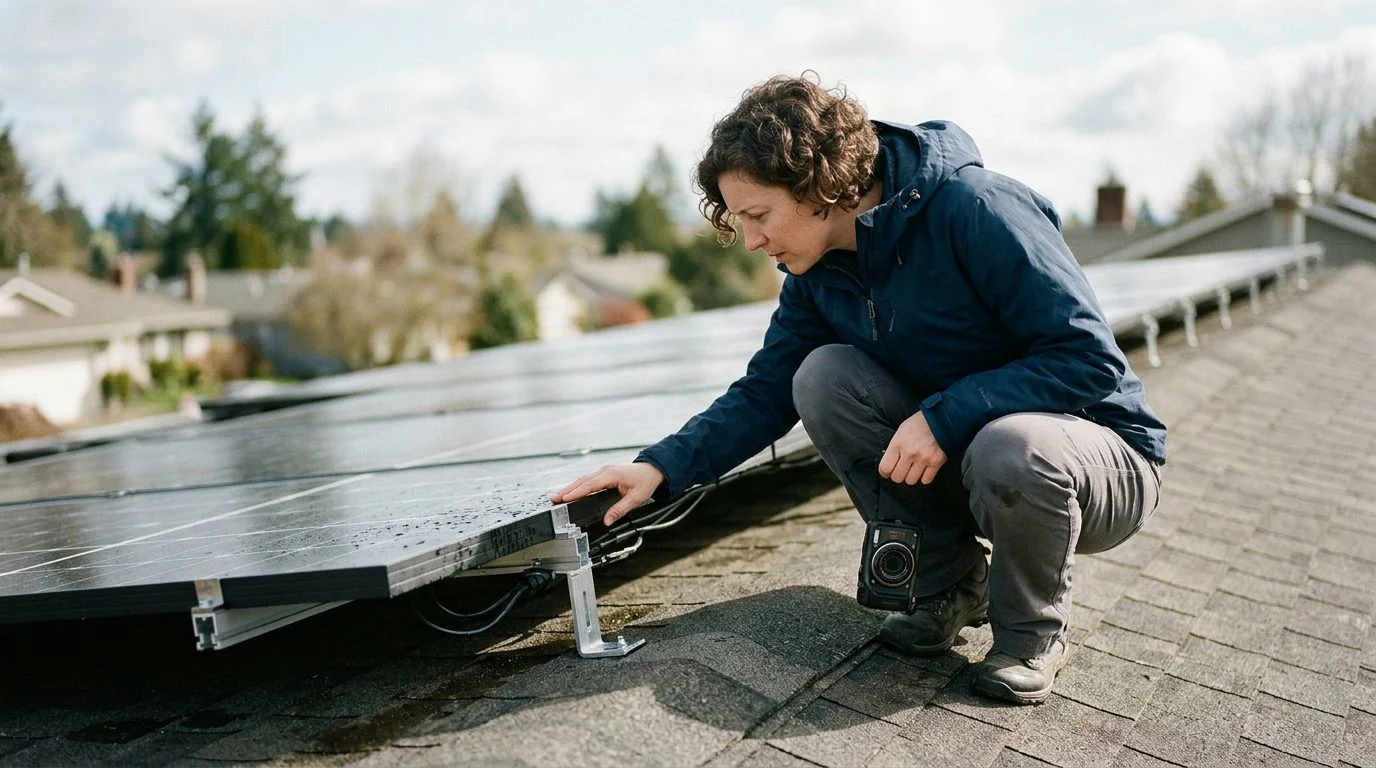
Roof age matters more once panels are part of the plan. A roof that would be fine for a few more years on its own may be a weak base for a long-term solar system.
South Florida adds pressure. Heat, sun, humidity, and storm winds all wear on roofing materials. The panel array sits on top of those materials for years, so any weakness below it becomes harder to see and harder to reach.
A common mistake is judging the roof only by whether it leaks today. A roof can look sound from the ground and still have limited life left. Water can also travel under shingles or tile before a stain shows inside the home.
Roof age is another factor to check.
What Removing and Reinstalling Solar Panels Involves
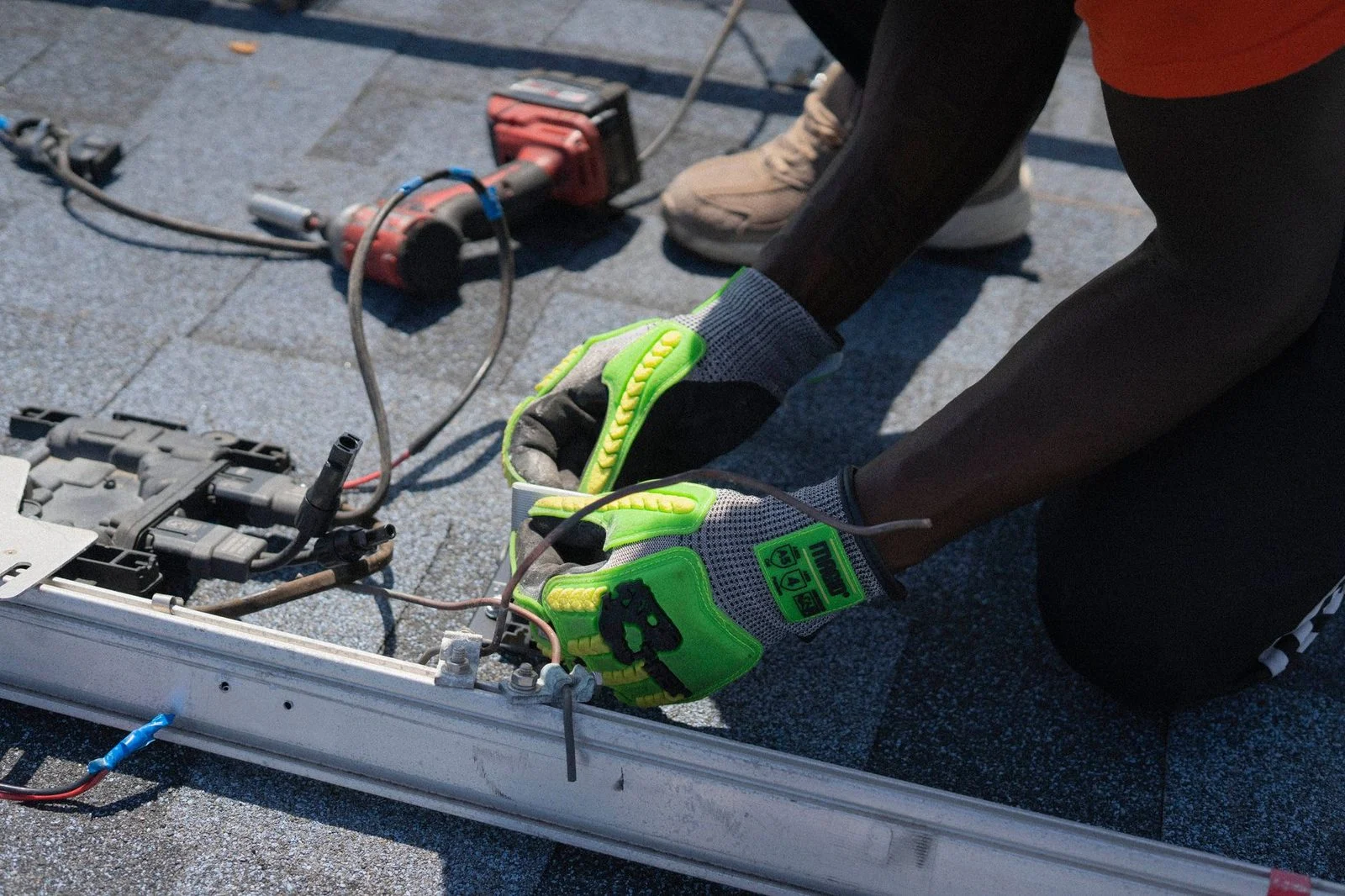
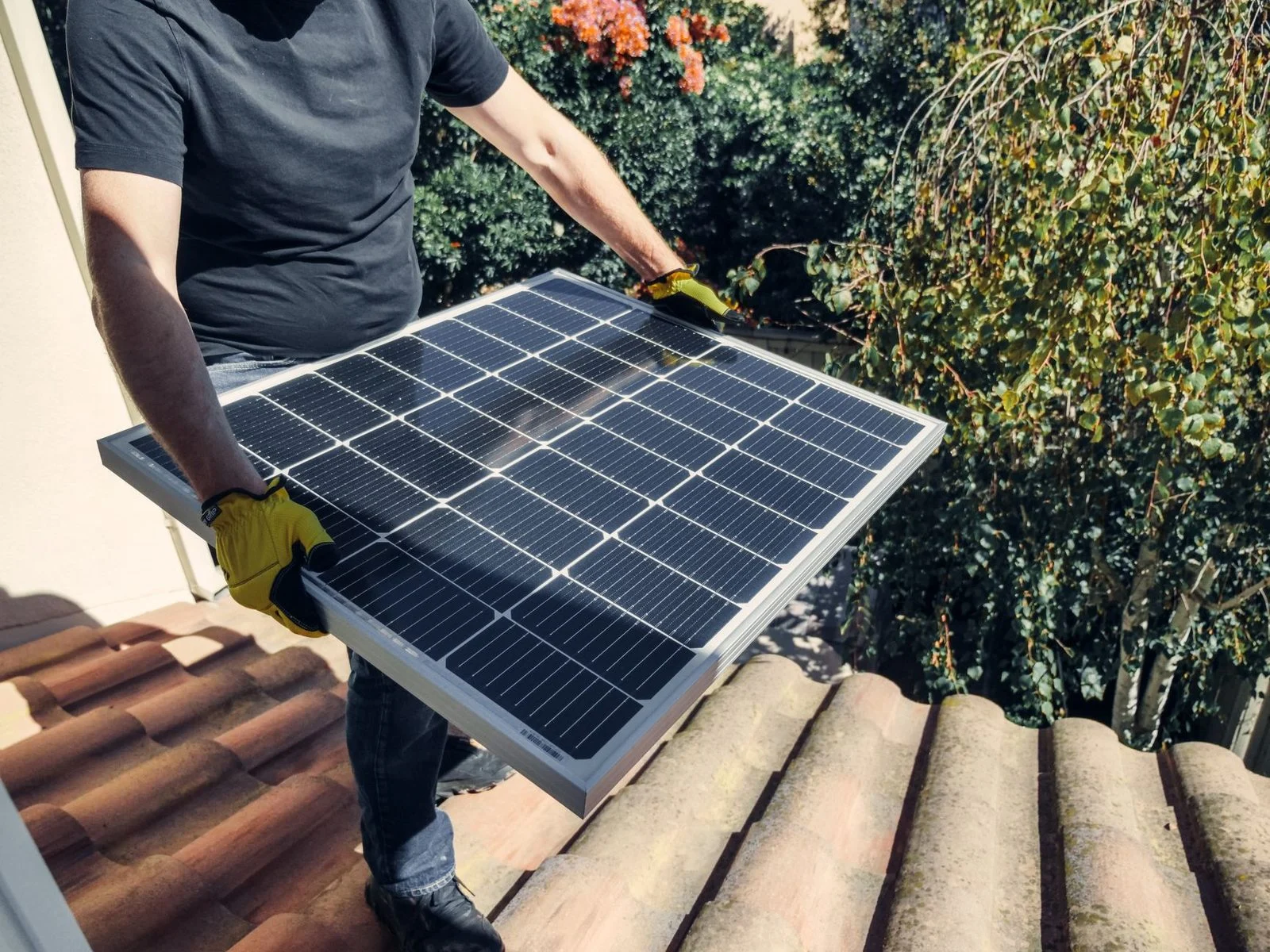
If the roof is replaced after panels go on, the panels usually must come off first and be reinstalled later.
The job has several parts. Crews disconnect the panels and racking, set them aside, finish the roof work, then reinstall the array and its electrical connections. Each step has to happen in the right order. Scheduling the solar and roofing work together keeps that sequence clean.
Roof penetrations matter too. Mounting panels on a roof may involve penetrations and can affect roof warranties and upkeep. Confirm how your roof warranty is handled before any work begins.
The 25% Rule and How Local Building Rules Can Affect Timing
Under Fla. Stat. § 553.844, if an existing roofing system or roof section was built, repaired, or replaced in compliance with the 2007 Florida Building Code or any later edition, and 25 percent or more of it is being repaired, replaced, or recovered, only the repaired, replaced, or recovered portion must be constructed in accordance with the Florida Building Code in effect, as applicable, regardless of any contrary provision in the Florida Building Code. The rule limits the code requirement to the part being worked on.
How the rule fits your project turns on the facts: the size of the work, when the roof was built or last repaired, and the local permit. The windstorm mitigation measures in Florida Statute 553.844 include strengthening or correcting roof-decking attachments and fasteners during reroofing.
Permits can set the schedule. Florida Statute 553.79 provides that, unless otherwise provided by law, it is unlawful for any person, firm, corporation, or governmental entity to alter, modify, repair, or demolish any building within this state without first obtaining a permit therefor. Build that review time into your plan before panels are ordered.
Signs Your Roof May Need Attention Before Solar Panels Go Up
Watch for missing, cracked, or lifting shingles or tiles. On asphalt roofs, heavy granule loss is another warning sign. Visible leaks, water stains on ceilings, and sagging areas also point to a roof that needs attention before panels go on.
Warning signs look different by material. Metal roofs often show trouble at seams, fasteners, and finish. Tile roofs often show cracked or slipped pieces, and some problems stay hidden from the ground.
A repair may be enough when damage is limited and the rest of the roof has useful life left. Replacement often makes more sense when damage is widespread or the roof is near the end of its life. A professional roof inspection confirms which case you have before solar planning moves forward.
Planning Next Steps for Your Roof and Solar Project
Start by checking roof age and condition, then set the order of roof and solar work. Work through four steps: confirm the roof’s condition, map the panel removal and reinstall sequence, check permit timing and the 25 percent rule, and then decide the order.
Your roofing material and any solar battery backup also shape the plan. A metal or tile roof can change both the project’s design and its budget. ASP Superhome offers metal roofing, tile roofing, roof repair, roof replacement, and solar panels with solar battery backup.
If you’re gathering information for a parent or other family member, collect a few details first. Have the roof’s age, past repair records, roof size, and any insurance inspection notes ready. When a roof is already showing wear, the decision can feel urgent, especially when someone else’s home is involved.
Frequently Asked Questions
Should I replace my roof before getting solar panels?
Often, yes, if the roof has limited useful life left. Replacing it first usually avoids removing and reinstalling the panels later.
Do solar panels have to come off for a roof replacement?
Usually, yes. The steps involved in roof work near solar panels depend on the roof and the system, so our team can explain what applies to your home during a free initial consultation, which is confidential and carries no obligation to continue.
What is the 25% rule for roofing in Florida?
Florida law says that if an existing roof built, repaired, or replaced in compliance with the 2007 Florida Building Code or any later edition has 25 percent or more repaired, replaced, or recovered, only that portion must meet the Florida Building Code in effect, as applicable.
Does a new roof need a permit in Florida?
Under Fla. Stat. § 553.79, a permit is required before altering, modifying, or repairing a building, unless otherwise provided by law.
If your roof is already showing wear and solar panels are on your mind, reach out to ASP Superhome to talk through the order of work for your home. The initial consultation is free, confidential, and carries no obligation to continue.
Key Tip Before You Install Panels
If your roof is aging or showing wear, ask about replacement before the panels go up. Removing and reinstalling panels for a later roof job adds cost and work that you can avoid by sequencing the projects well.
Questions to Ask About Your Roof
How old is the roof?
Check the age of your current roofing material. A roof nearing the end of its useful life is usually a strong candidate for replacement before solar.
What condition is it in?
Look for missing or cracked tiles, lifted shingles, leaks, or soft spots. Any of these signs suggest the roof may need repair or replacement.
How long will the panels stay?
Solar panels are built to stay on your roof for many years. The roof beneath them should be able to last that long, too.
Which material fits your home?
Metal and tile roofing each have different lifespans, weight profiles, and looks. Choose the option that suits your home and your long-term plans.
Why Plan Your Roof and Solar Together
Plan the sequence
Mapping out both projects at once helps you decide which comes first and avoids unnecessary rework.
Protect your investment
A sound roof protects your solar system and the home underneath it for the years ahead.
Clear, written estimates
Understand the scope of roof replacement, solar panels, and battery backup before you commit.
Confidential first consultation
Your free first consultation is confidential and comes with no obligation to continue.


