


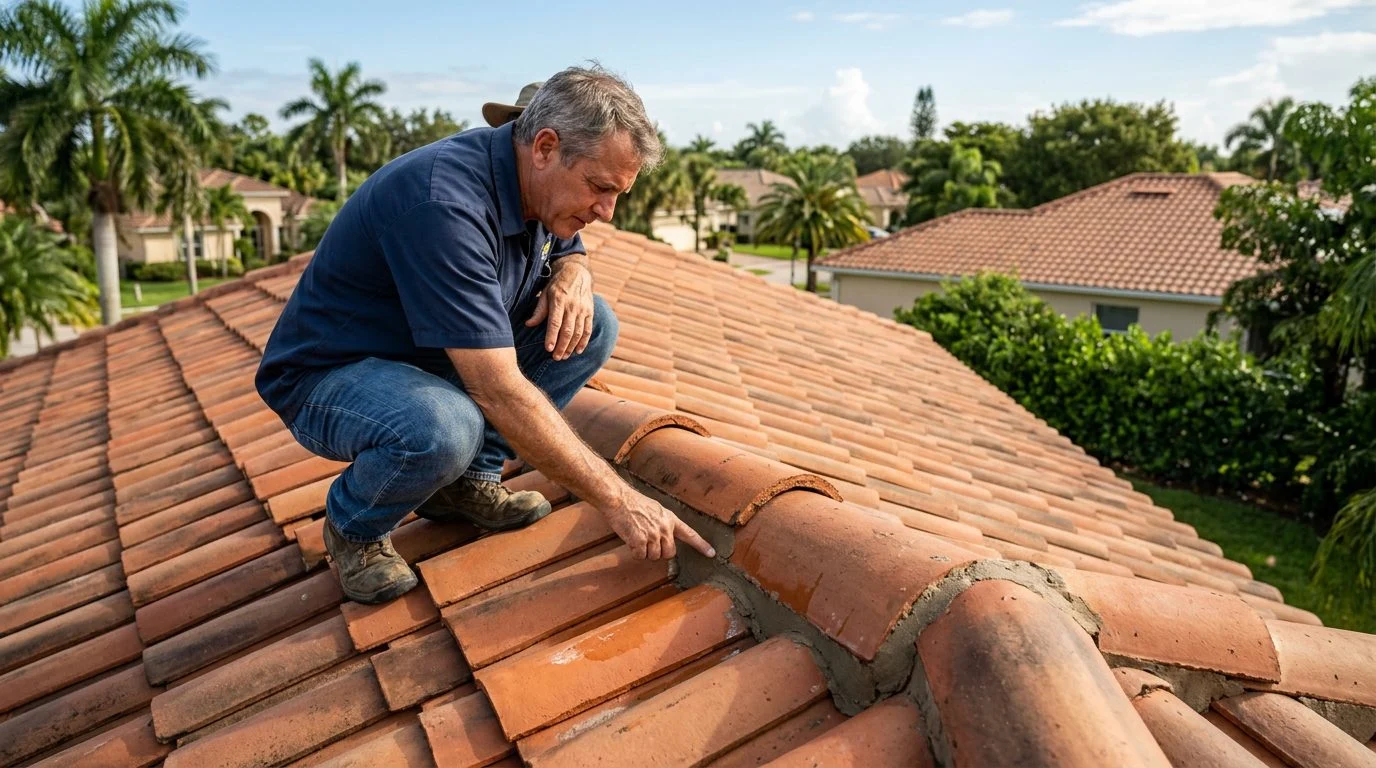
Roof Tiles | South Florida
Replacing a Roof Tile in South Florida? Here's What to Expect
A cracked or slipped tile can look like a bigger problem than it is. Learn what affects the repair and when it's time to bring in a roofer.
Start with a no-pressure conversation
Free
First consultation
Confidential
Your details stay private
No obligation
Decide with no commitment
By Jonathan Rodriguez · Published November 8, 2026
You found a cracked or shifted roof tile, and now you want to know if fixing it is a small job. Often it is. Replacing one roof tile is usually a contained repair, as long as the tiles around it and the underlayment beneath are still sound.
How easy the job is depends on the tile type, the roof’s pitch, how the tile is fastened, and how much of the roof is damaged. This guide explains what makes a single tile easy or hard to replace.
Short answer: replacing one roof tile is usually a contained repair
A single broken tile is generally a targeted repair, not a full re-roof, when its neighbors and underlayment are in good shape. The rest of the roof stays in place. The job gets harder when damage is spread out, when water has reached the decking, or when the tile can no longer be matched. For the bigger picture on tile roof work, read our roof replacement guide.
If a cracked tile has you wondering about leaks or what comes next, our team can help you talk it through. Request a free first consultation, confidential and without obligation. Talk it through with our team — the first consultation is free, confidential, and carries no obligation.
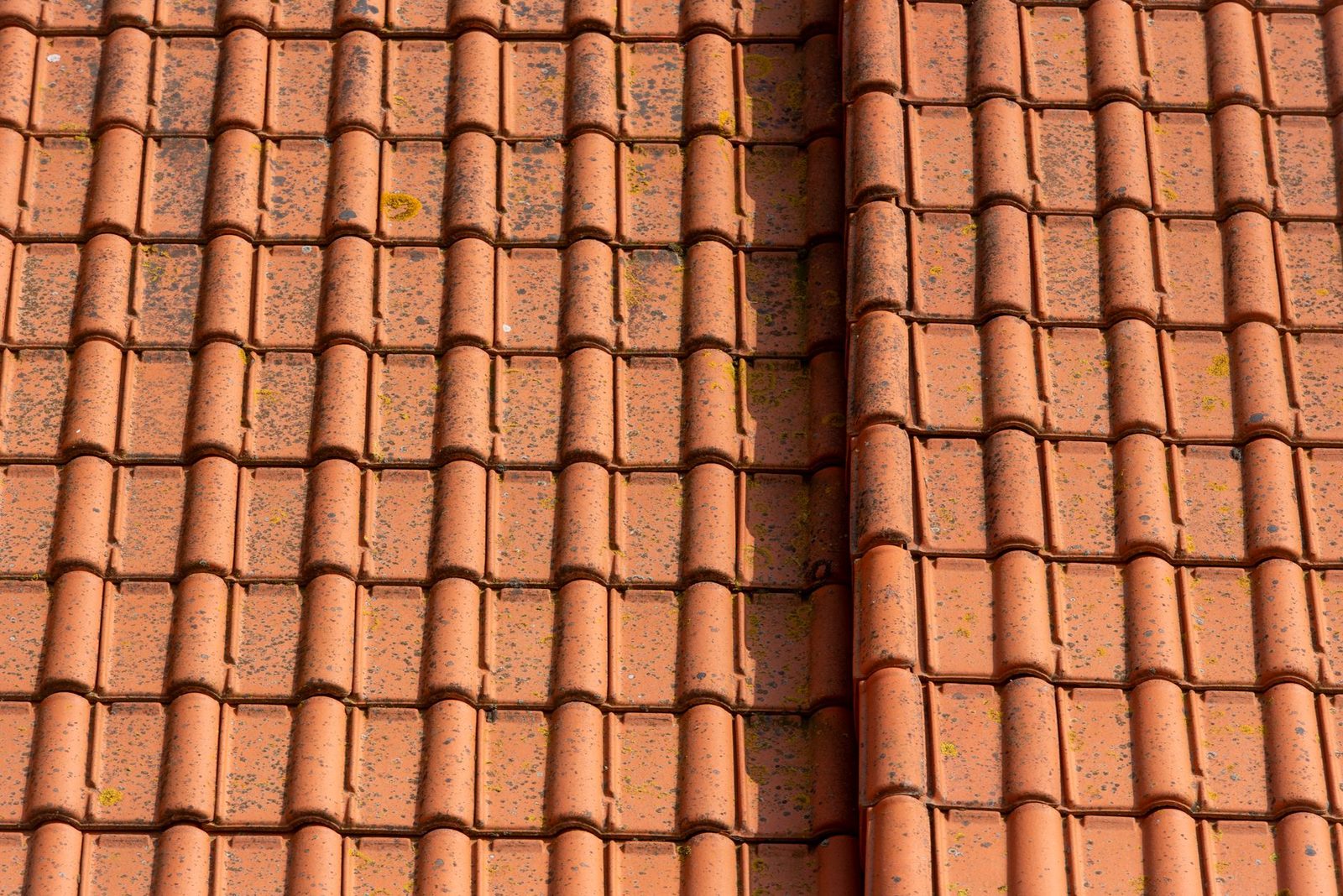
Why the tile material changes the job: concrete, clay, and interlocking tiles
Concrete and clay tiles make the job different, so identify the material first. Concrete tiles are heavy and can crack under foot pressure or impact, so lifting them takes care. Clay tiles are fired and brittle. A crack can spread when a neighboring tile gets pushed or pried the wrong way.
Most tile roofs use interlocking profiles. Each tile overlaps the ones beside and below it. The replacement must match the profile and size, not just the color. A close color match with the wrong shape won’t sit flush.
Fastening matters too. Many tiles are held by clips, nails, or hooks. South Florida homes near the coast have extra rules. The Florida Building Commission’s 2026 analysis of clips says fasteners and connectors within 3000 ft of a saltwater coastline must comply with a new Section 1711. Check what is holding the tile before you lift it.
How to tell that one tile needs replacing
A tile needs replacing when it is chipped through, cracked, slipped out of line, loose, or missing. You can often spot these signs from the ground. Look for a tile that sits higher or lower than its row, or a gap where a tile used to be.
Water is the bigger concern. Stains on the underside of the eave or on the decking often mean water is getting past a broken tile. Underlayment is the layer under the tiles that keeps water out. If it is torn, exposed, or breaking down, swapping the tile alone may not stop a leak. The Florida Building Commission’s 2026 analysis of underlayment says underlayment must lap over hips and ridges a minimum of 6 inches, except where ventilation openings are provided.
Observe from the ground with binoculars or with photos taken by a qualified person on a ladder. Don’t walk the tile field. Stepping on tile can crack more of them.
What the single-tile replacement involves, step by step
A single-tile swap follows a clear order, and each step protects the tiles around it.
- Identify the tile. Confirm its profile, size, and material so the new one fits.
- Lift the tiles around the damaged one just enough to free it. Work slowly so the neighbors don’t crack.
- Release the clip, nail, or hook holding the broken tile.
- Remove the broken tile. Check the underlayment and decking below, and repair any exposed areas.
- Set the new tile, secure it with the right fastener, and reseat the surrounding tiles.
- Confirm the tile sits flush, interlocks with its neighbors, and is fully secured.
Edge work can be part of the job. The Florida Building Commission’s 2026 analysis of drip edge says drip edge is required on tile roof slopes of 2:12 and greater, applied in accordance with the FRSA/TRI Florida High Wind Concrete and Clay Roof Tile Installation Manual. Tile installation practice is also covered in the Tile Roofing Industry Alliance installation guides.
When one tile is not enough: repair versus roof replacement
One tile is not enough when the damage spreads across several areas or keeps coming back. Several slipped tiles in different spots point to a wider problem.
Repeated leaks in the same place are a sign. So is underlayment damage beyond the one tile. Those shift the question from a single-tile fix toward a larger roof repair or a replacement decision.
Matching also counts. If the original tile is no longer made, a full section or a new roof may be the only way to get a consistent look. The roof’s age and how many other tiles show wear both matter. No two roofs answer the same way.
If a roof project grows in scope, our team can walk you through any local requirements that may apply.
Frequently asked questions
Can one roof tile be replaced without replacing the whole roof?
Yes. A single damaged tile is often replaced alone when its neighbors and underlayment are sound.
Can you lift a roof tile without breaking the others?
It can be done carefully. Work slowly to free the damaged tile and avoid cracking its neighbors.
Do you need a permit to replace a roof tile in Miami?
Our team can explain which local requirements may apply to a larger roof project. Ask before larger work starts.
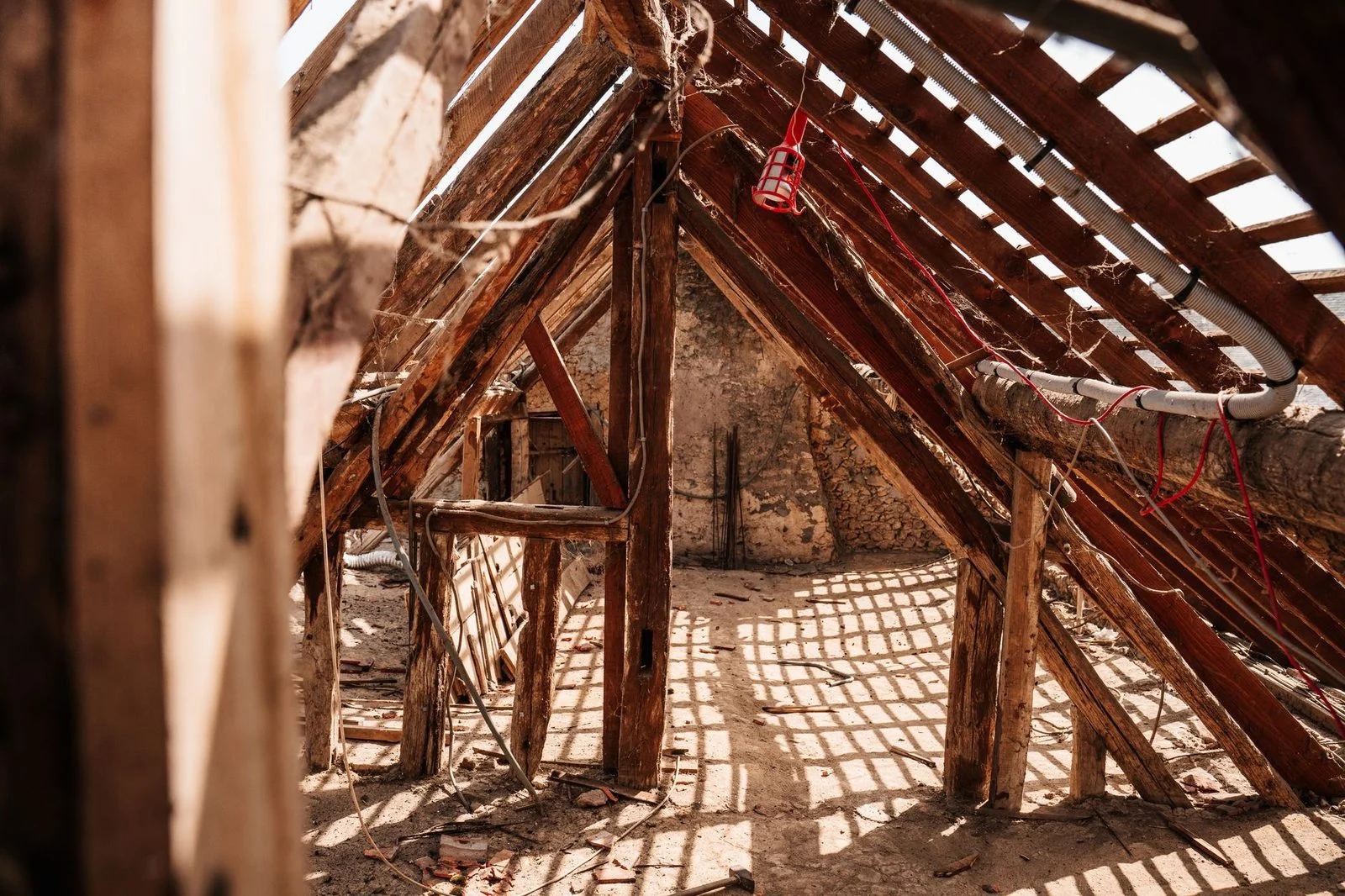
Talking through a cracked tile before you decide
Finding a cracked tile after a storm, or on an inspection report for a home you manage, can leave you without a clear next step. Tile roof decisions take judgment about the roof’s condition, the underlayment, and the tile type. A look at the actual roof helps you sort out what the damage means.
Our team can help you think through the options. Contact ASP Superhome to request a free first consultation, confidential and without obligation.
What decides whether one tile can be replaced
The tiles around it
Neighboring tiles need to stay intact while the damaged one is freed and removed.
The underlayment
The water barrier beneath the tiles should be checked for damage before any work begins.
Tile profile and match
Finding a replacement that fits the existing roof is often the deciding factor.
Overall roof condition
Widespread cracking or age-related wear may point toward a larger repair or replacement.
Don't pry tiles up on your own
Forcing a tile loose can crack the tiles beside it and damage the underlayment, turning a small repair into a bigger one. Have the roof assessed before you attempt the job yourself.
Why homeowners start with ASP Superhome
Free first consultation
Talk through your roof's condition with no cost and no obligation to continue.
Confidential from the start
Your information and your home's details are handled privately.
One team for the whole home
Roofing, impact windows and doors, solar, and kitchen remodeling under one roof.
Serving South Florida
Homeowners in Miami, Fort Lauderdale, West Palm Beach, Kendall, Naples, Fort Myers and Boca Raton.


