


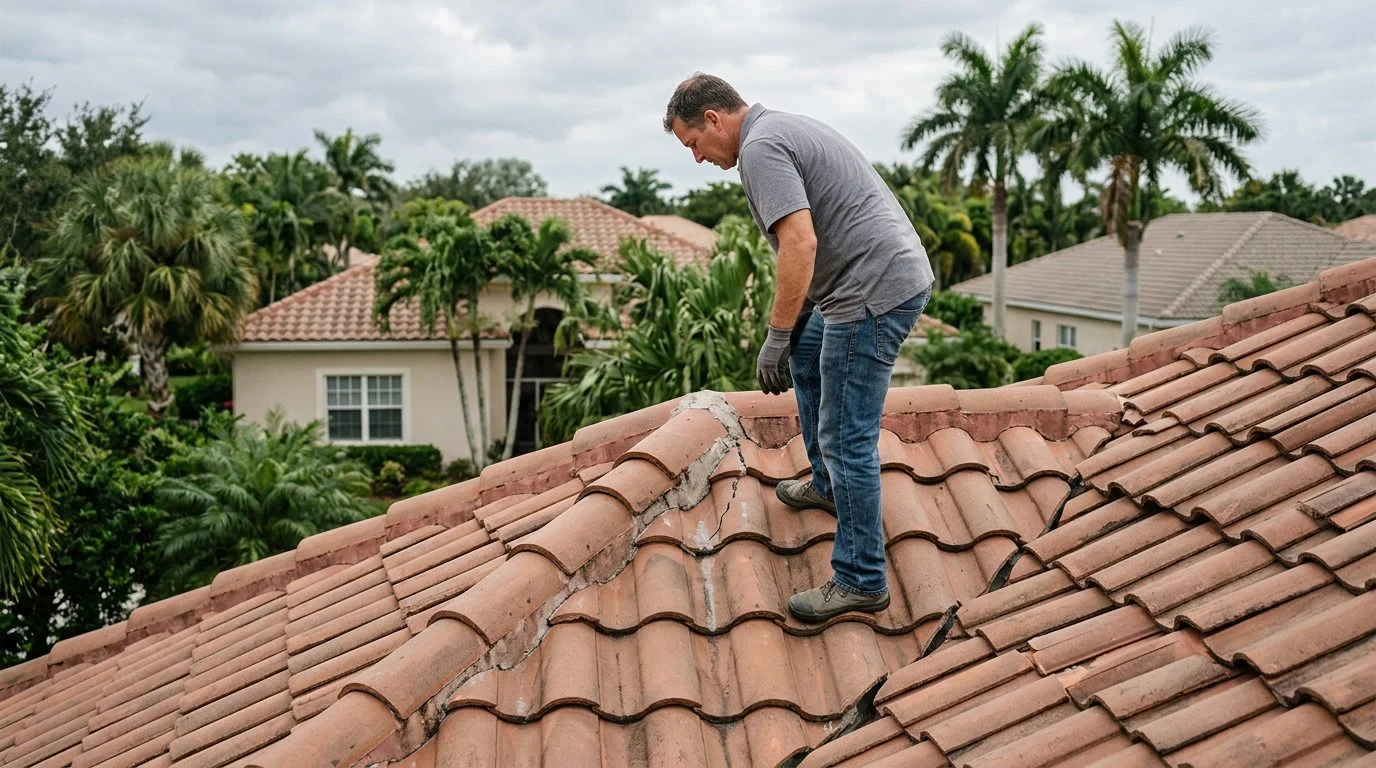
Tile Roofing · South Florida
Thinking About Clay Tile? Know the Downsides First
Clay tile looks great on many South Florida homes, but weight, repairs, and coastal conditions deserve a closer look before you decide.
By Jonathan Rodriguez · Published November 2, 2026
The downsides of using clay tile roofing are weight, brittleness, higher up-front cost, and demanding installation. Along the South Florida coast, salt air and wind rules add more questions. Tile can fit some homes well, but each drawback deserves a close look before you decide. This guide walks through them in plain language.
Why Homeowners Ask About the Downsides of Using Clay Tile Roofing
Most people search this question when a roof needs work they did not plan for. A storm, an aging roof, or an insurance notice can start the search.
Sometimes the person researching is not the homeowner. A parent, a landlord, or a relative who looks after a property may be gathering facts for someone else. That is a common situation, and it helps to learn the trade-offs early.
Clay tile has a classic look and a long place in Florida roofing. The NRCA roofing materials guidance supports that clay and concrete tile are durable and used in Florida. Durable does not mean trouble-free. The drawbacks below affect cost, safety, and long-term care. For the broader picture, start with our roof replacement guide.
If a tile roof problem landed on your plate, whether it's your own home or one you look after for someone else, we're glad to talk it through with you. Talk it through with our team — the first consultation is free, confidential, and carries no obligation.
Weight and Structural Load
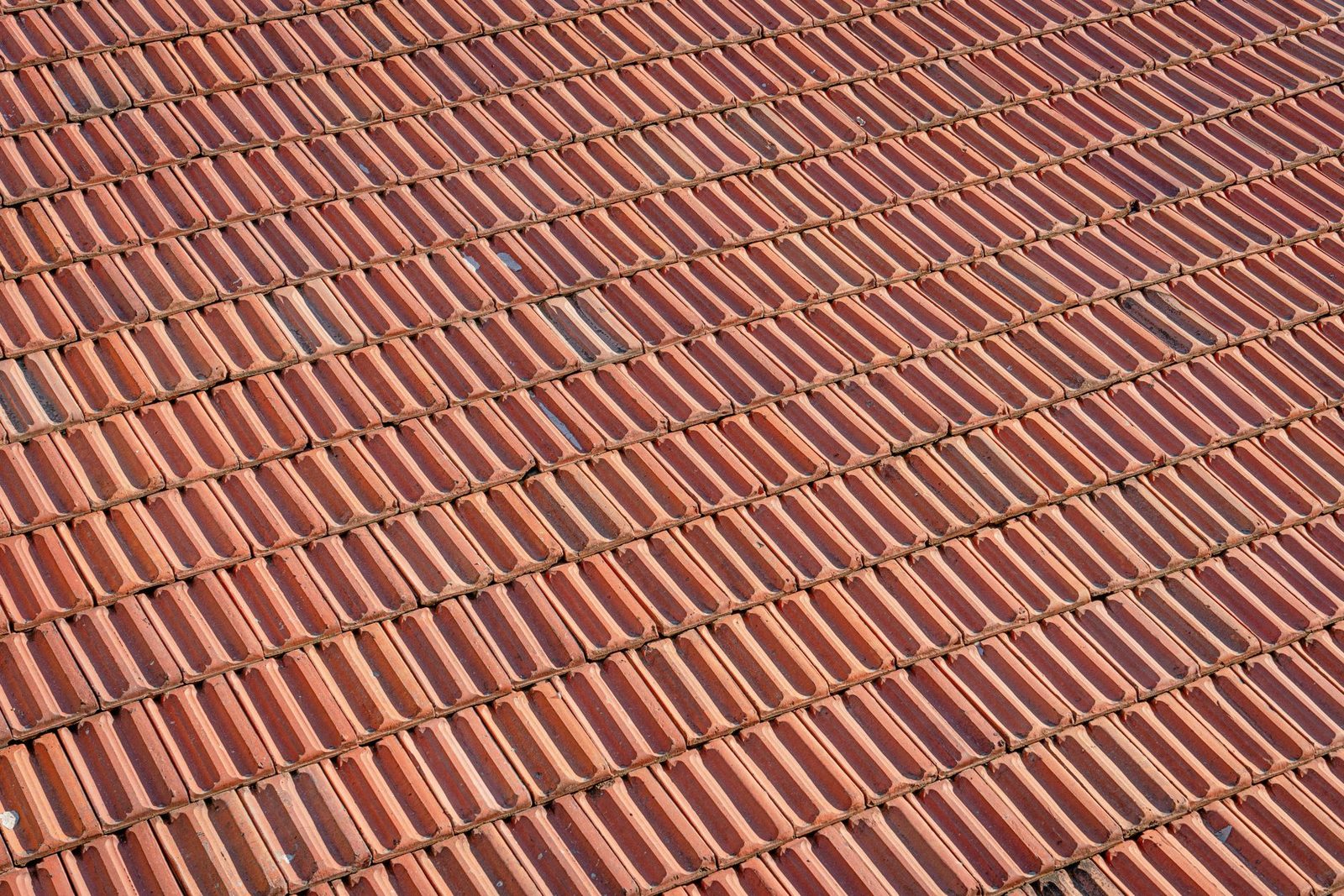
Clay tile is heavy, so the roof framing under it has to carry the extra load. Tile weighs more than asphalt shingles and most metal panels. That difference affects the whole house.
The structure should be checked before tile goes on. The NRCA roofing materials guidance supports verifying structural load capacity when tile replaces another roof covering. Skipping this step can cause problems later.
Older homes raise the most concern. Framing built for a lighter roof may need reinforcement. A home built without tile in mind may need a qualified inspector to review the framing first.
Ask for the load check in writing before you commit. A clear answer on the framing shows whether tile is practical for this house or whether another material fits better.
Brittleness, Breakage, and Foot Traffic
Clay tile is fired ceramic, so it can crack or break under hard impact. A falling branch, hail, a dropped tool, or a careless step can all cause damage.
Broken tiles matter because they can let water in. A cracked tile may look minor from the ground, yet water can reach the layers below it. Periodic inspection is worth the time, especially after storms.
Walking on tile is another risk. Crews should plan access carefully and use walking boards to spread their weight. A homeowner who climbs up to clear debris can crack a tile without noticing.
Trim tree limbs that hang over the roof. Check for cracked, slipped, or displaced tiles after heavy wind or hail. Small fixes made early can prevent larger repairs later.
Cost, Installation Demands, and Underlayment
Clay tile usually costs more up front than asphalt shingles and many metal roofs. The price also reflects heavier structural work, underlayment, and careful flashing.
Installation quality often decides how a tile roof performs. The Tile Roofing Industry Alliance installation guides cover proper tile roof practices, industry standards, code requirements, and acceptable products for high-wind work in Florida. Our team can explain the installation approach we follow.
Florida’s code has added tile-specific rules. The 2026 building code analysis notes that Section 1518.8.8 requires tile underlayment uplift resistance to meet component and cladding loads of ASCE 7. The 2026 residential code analysis notes a new drip edge requirement for tile on slopes of 2:12 and greater. Our team can walk you through which items are included in your estimate.
Repairs, Color Matching, and Maintenance
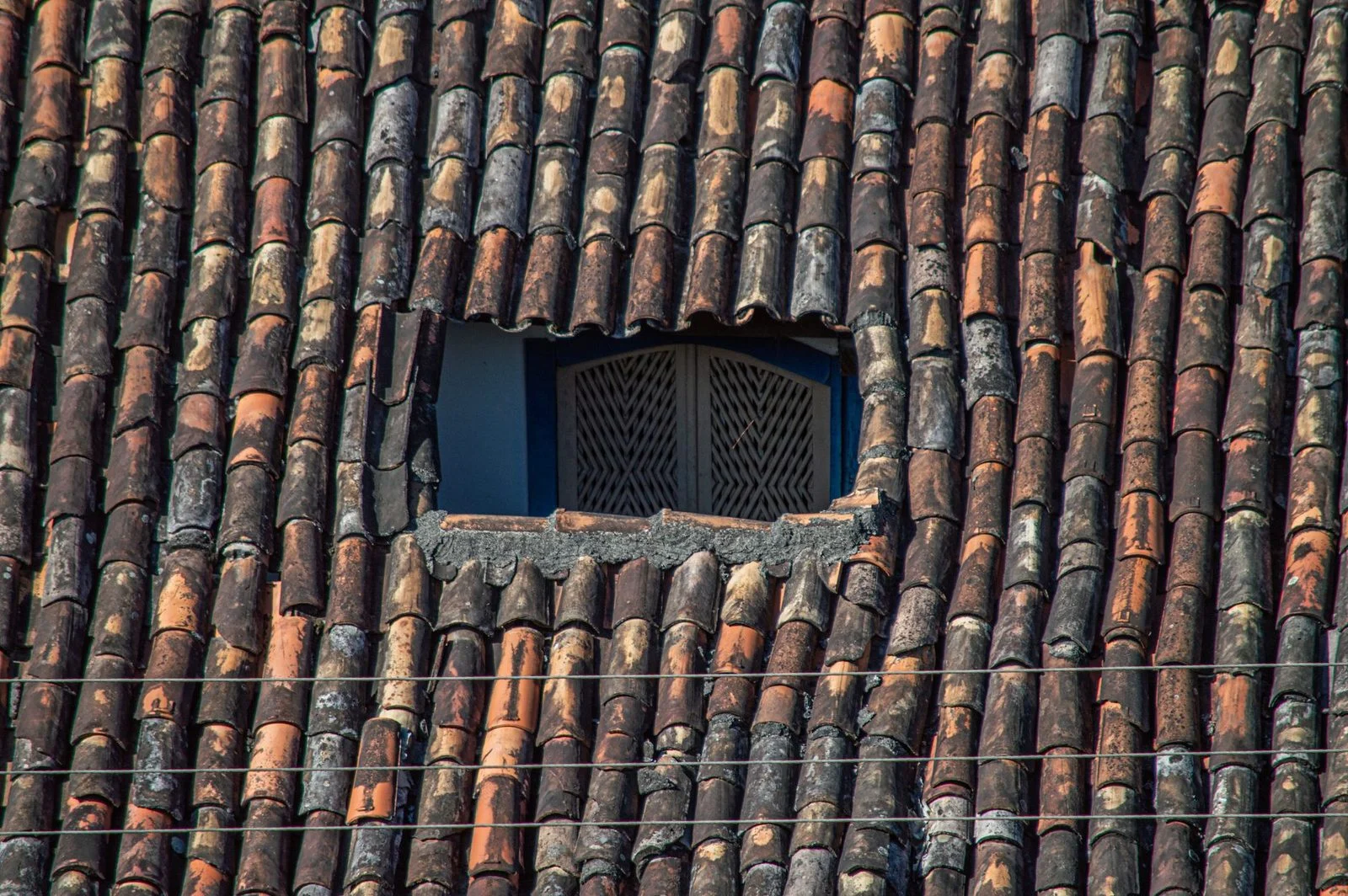
Single tiles can be replaced, but matching an older roof can be difficult. Clay tile color, glaze, and profile can shift over the years, so a new tile may stand out.
Mismatched repairs affect curb appeal. Over time, they can also come up when a buyer looks at the roof, which matters for owners who plan to sell.
Florida law also sets a 25 percent line for existing roofs that were built, repaired, or replaced under the 2007 code or later: if 25 percent or more of the roofing system or roof section is repaired, replaced, or recovered, only that portion must meet the code in effect. Under Florida Statutes § 553.844, if an existing roofing system built, repaired, or replaced under the 2007 code or later has 25 percent or more repaired, replaced, or recovered, only that portion must meet the code in effect.
Routine care helps. Clear debris, check flashing, and inspect for cracked or displaced tiles. Regular checks can extend the life of the roof.
South Florida Considerations: Wind, Salt Air, and Fasteners
Florida’s code ties tile roofs to wind and salt exposure. The 2026 building code analysis notes that roofs must comply with all of Section 1504 on wind resistance.
Salt air matters near the coast. The 2026 corrosion analysis describes Section 1711, which sets corrosion resistance rules for fasteners and metal connectors within 3,000 feet of a saltwater coastline. Stainless steel, enhanced galvanizing, and standard galvanizing each have stated criteria. Section 1517.5.1.1 applies those same rules to fasteners and connectors in that zone.
Homes in Boca Raton, Naples, Fort Myers, and other coastal areas should ask how these rules apply to their site. Our team can walk you through tile roofing options for your South Florida home during a free first consultation.
Roof-to-wall connections also matter. A roof replacement can involve more than covering the existing roof, and our team can review your home’s structure with you during a free first consultation.
Not sure what your next step is?
Talk it through with our team — the first consultation is free, confidential, and carries no obligation.
How Clay Tile Compares With Other Options
Concrete tile is also heavy and can break. It shares many of clay’s drawbacks, though cost, appearance, and some durability traits differ.
Metal roofing is lighter than tile and has a different maintenance profile. The pillar guide covers the main material options side by side.
Insurance can also weigh in. The Florida Office of Insurance Regulation explains that homeowners submit an official mitigation inspection form to an insurance agent to seek hurricane-wind premium discounts. Material choices can intersect with those decisions. Related reading includes whether insurance can force a roof replacement and what to do if you can’t afford a new roof.
Frequently Asked Questions
Is clay tile hard to repair?
Single tiles can be replaced. Matching the color and profile of an older roof can be difficult.
Does clay tile weigh a lot?
Yes. The roof framing should be checked before tile goes on.
Do clay tile roofs need special fasteners near the coast?
Within 3,000 feet of saltwater, fasteners and connectors must meet Florida’s corrosion resistance rules.
Is clay tile durable in Florida?
The NRCA’s guidance supports that clay and concrete tile are durable and used in Florida.
Talk Through Your Roof Situation With ASP Superhome
If a tile roof question landed on you, you may be working through a problem you did not plan for. The roof might be yours, or you might be looking after a parent’s home, a rental, or a family member’s property.
Share the roof type, the home’s age, and what you are trying to decide. ASP Superhome can talk through your options for tile, metal, or another material.
Your first consultation is free, confidential, and comes with no obligation to continue. Reach out to ASP Superhome when you’re ready to talk about your roof.
Common Concerns with Clay Tile
Weight
Clay tile is heavy. Before new tile goes on, the roof framing should be checked to confirm it can carry the load.
Repairs and Matching
A single cracked tile can be replaced, but matching the color and profile of an older roof can be difficult.
Coastal Fastening
Salt air, humidity, and wind-driven rain put extra demands on fasteners and underlayment near the coast.
Installation Details
How tile is set, flashed, and fastened affects how well the roof holds up in storms, so workmanship matters as much as the material.
Check the Structure First
Do not assume an existing roof can take clay tile without review. Have the framing evaluated before any tile is ordered or installed.
What to Ask Before You Commit
Structural review
Confirm the framing can support the weight of tile, both now and after any roof replacement.
Repair plan
Ask how repairs would be made years from now and whether matching tile is still available.
Coastal details
Review fasteners, underlayment, and flashing designed for South Florida's salt air and wind.
Installation quality
Look for a clear written scope that explains exactly how the tile will be installed.


