


Roofing | South Florida
Can't Afford a New Roof Right Now? Start With Your Options
Repairs, phased work and a clear plan can help you protect your home while you decide what comes next. Get a free, confidential consultation with no obligation to continue.
By Jonathan Rodriguez · Published October 31, 2026
If you can’t afford a new roof right now, you still have a path forward. Start by confirming what the roof actually needs. Then compare repairs, materials, insurance, and financing one step at a time. This guide walks through that path for homeowners in Miami, Fort Lauderdale, West Palm Beach, Kendall, Naples, Fort Myers, and Boca Raton.
Start by confirming what your roof actually needs
The first step is a written inspection that describes the roof’s condition. A simple yes or no on replacement isn’t enough. Many roof problems start small, with a leak, a lifted shingle, or worn flashing. A small problem isn’t always a whole-roof problem, and the inspection should show which one you have.
Ask the inspector to state the condition of the decking, underlayment, flashing, and shingles or panels. Each layer affects the scope of work. A report that names each part gives you something concrete to compare against other estimates.
Ask one more question: is the damage limited to one area, or spread across the roof? Damage in one section usually costs less to address than failure across many sections. Write down the answer.
Keep a dated copy of every inspection report and estimate. You will need them for financing, insurance, and planning. A folder with dates and photos makes the roof’s history easy to explain.
If you're worried about paying for a new roof on your own home or a family member's, our team can help you sort through the options one step at a time. Talk it through with our team — the first consultation is free, confidential, and carries no obligation.
Repairs can address some roofs without replacing them
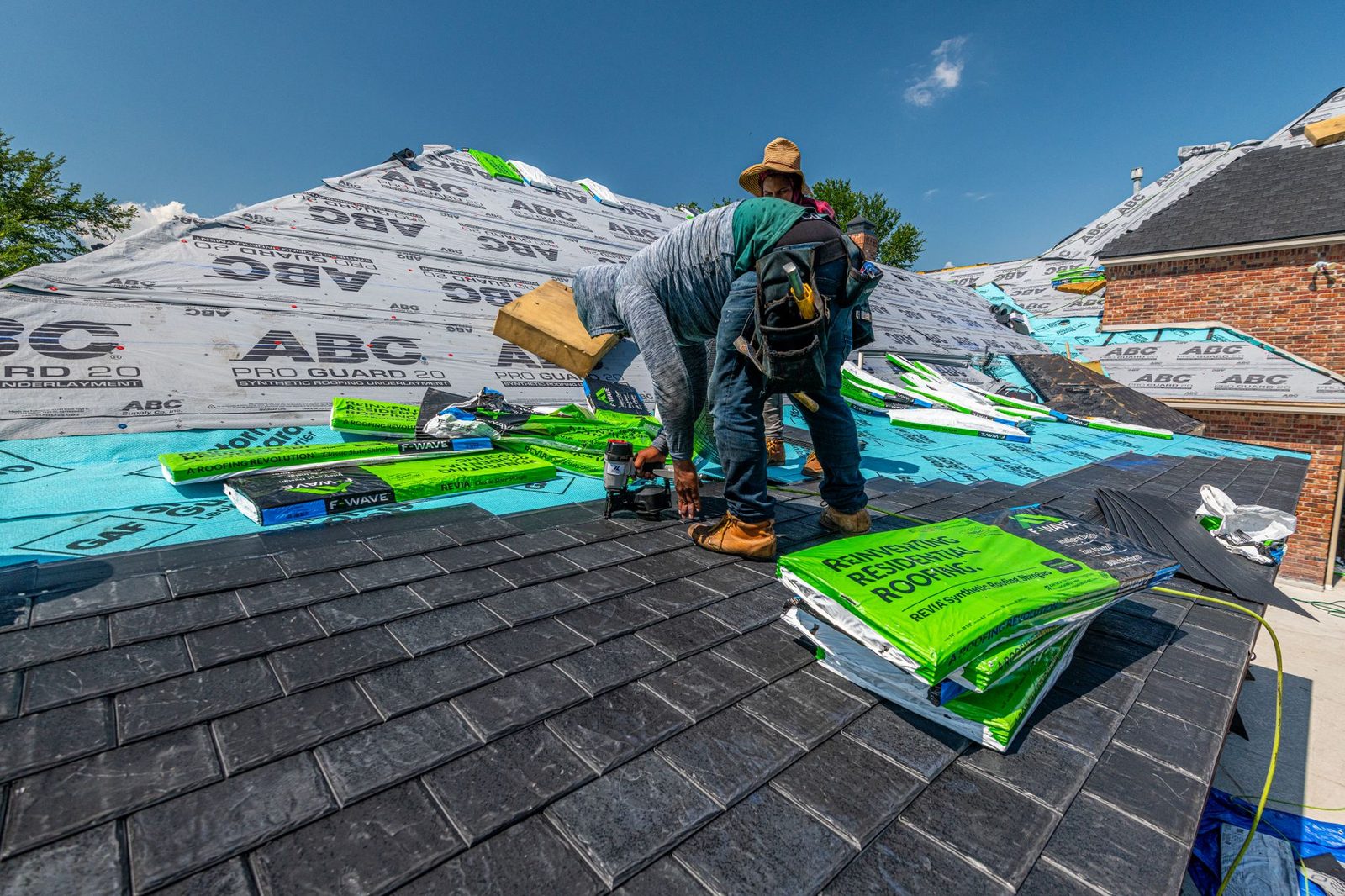
A repair is often a good fit when the roof’s structure is sound and the damage is confined to a few spots. Common repairs include replacing damaged or missing shingles or tiles, resealing flashing, and fixing leaks around vents, skylights, and chimneys.
Repair is a poor fit when failure shows up in many areas at once. Patching many separate spots can cost more over time, and it doesn’t fix a worn base. Ask the inspector which repairs address the cause of a leak and which ones only treat the symptom.
Planning to install a new covering over an old one? According to the Florida Building Commission’s analysis of changes, the upper roof layer may only be taken off, provided the existing or repaired substrate is adequate for installation of the new approved roof covering or roof system. That applies only if the existing or repaired base is adequate for the new covering. Florida Building Code change analysis
Active leaks need quick attention. Acting promptly can limit interior damage while you save or arrange financing. That temporary protection can be the first step in a repair plan.
Compare roofing materials by upfront cost and upkeep
Compare materials on upfront price and long-term upkeep, not on the lowest quote alone. Metal roofing and tile roofing have different weight, installation, and maintenance needs. The cheapest number can hide later costs.
Metal roofing has shown strong wind performance. According to the Insurance Institute for Business & Home Safety, metal roof systems held up well in winds below 130 mph during Hurricane Ian in Southwest Florida. IBHS Hurricane Ian roof study That’s a useful reference point, though it doesn’t settle the choice for every home.
Tile is heavier than many roof systems. Ask how the structure will be checked before any tile work begins. Also ask what upkeep the installer recommends after the job is done.
Request line-item estimates. These show the cost of materials, labor, underlayment, and removal of the old roof separately. You can then see where the money goes. You might also ask whether a lower-cost option for one section fits your budget better than replacing the whole roof at once.
Check whether homeowners insurance may help with the cost
Homeowners insurance may help with sudden, covered damage, such as storm damage. Your policy terms decide what applies. It is a good idea to act promptly after roof damage.
If your dwelling is insured on a replacement-cost basis and a roof deductible is applied to the loss, your insurer may limit its roof payment to the actual cash value of the roof loss. That limit lasts until it gets reasonable proof you paid the deductible. Fla. Stat. § 627.7011 Unless you refuse it in writing, your dwelling policy includes law and ordinance coverage limited to 25 percent of the dwelling limit.
Citizens Property Insurance Corporation sets underwriting requirements for older roofs. These include documentation of remaining useful life. Under Florida law, an insurer may not refuse to issue or renew a homeowner’s policy on a roof less than 15 years old solely because of the roof’s age. Fla. Stat. § 627.7011 Citizens roof inspection requirements
Florida homeowners insurance policy documents must include a bold notice in type no smaller than 18 points about law and ordinance coverage, at initial issuance and every renewal. It tells you that law and ordinance coverage is an important coverage you may wish to purchase, and asks you to discuss it with your insurance agent. Keep dated photos, the date you noticed the damage, and notes from each insurer call, with names and dates.
Financing and payment options for a roof replacement
Financing can cover a roof replacement through a PACE program, a personal loan, or home equity. Each option has its own rules and costs. Florida PACE programs operate under the state’s residential property financing law. They may only be offered where the county or city has authorized the program administrator.
Florida law sets safeguards before you sign. The program administrator must give you a written financing estimate. You must acknowledge each item in writing. You must also notify any mortgage holder at least 5 business days before signing.
Home equity and personal loans carry their own interest, fees, and risks. Get every term in writing before you agree. Grant programs for home improvements may exist at the state, county, or local level. Eligibility and funding change over time, so ask us what may apply to your project.
Plan the timing of work when money is tight
Do urgent repairs first. Then schedule planned work once funds or insurance decisions are settled. Urgent work includes active leaks and storm openings. Planned work covers sections that are aging but not yet failing.
Permits take time. The City of Miami says its first building-permit review cycle may take up to 14 business days. Miami-Dade County roofing permits Build these steps into your schedule.
Keep a running list of problem areas, with dates and photos. Each new inspection or estimate can build on what you already know. A phased plan can address the most urgent sections first. Revisit the estimate periodically, because material prices and project terms can change.
Not sure what your next step is?
Talk it through with our team — the first consultation is free, confidential, and carries no obligation.
Take the next step with a free, confidential first consultation
If you’re weighing a roof you can’t pay for today, a first conversation is a sensible next step. You may be deciding this for yourself, or helping a parent, relative, or tenant through it. Either way, you need an accurate picture of the roof and the options.
Our team can walk through the inspection, the repair-versus-replacement question, material choices, and how the numbers fit your budget. Bring the reports, estimates, photos, and insurer letters you already have.
Our free first consultation is confidential and comes with no obligation to continue.
Common questions
Can I repair my roof instead of replacing it?
Often, yes. A repair can work when the roof’s structure is sound and the damage is limited to a few areas.
Does homeowners insurance pay for a new roof in Florida?
It may help with sudden, covered damage. Your policy terms decide what applies.
Acting Promptly on Roof Damage
If you’re worried about paying for a new roof, reach out through our contact page to schedule your first consultation.
How to Approach the Cost of a New Roof
Ask whether a repair is enough
When the roof structure is sound and damage is limited to a few areas, a targeted repair may address the problem for now.
Plan the timing
Understanding the condition of your roof helps you decide what needs attention now and what can wait.
Understand what is driving the need
Leaks, storm damage, and age affect the options differently. A clear diagnosis makes the decision easier.
Talk through the options
Our team can walk you through repair, replacement, and material choices such as metal or tile in a no-pressure conversation.
Don't Wait on an Active Leak
Water intrusion can spread into insulation, ceilings, and framing. If you notice new stains, dripping, or missing shingles or tiles, have the roof looked at promptly to limit further damage.
Practical Steps to Take Now
Document the condition
Take dated photos of any stains, damaged areas, or interior water marks so you have a clear record of what you are seeing.
Weigh repair against replacement
Compare the expected lifespan of a repair with the cost of a full replacement to see which fits your situation.
Consider the roofing material
Metal and tile roofs have different costs, maintenance needs, and lifespans. Learning the differences helps you plan.
Build a realistic budget
Set a plan for the work you need now and the work you can schedule later, so your home stays protected over time.


