



Roofing and Impact Protection | South Florida
Make Your Roof and Window Upgrades Count on Your Wind Mitigation Report
Learn how a wind mitigation inspection roof discount works in Florida, and why the timing of roof and impact upgrades matters.
By Jonathan Rodriguez · Published November 4, 2026
The inspection documents wind-resistant features of your home, including the roof. A new roof changes what the report can show, so timing and paperwork matter. This guide covers what the inspection records, how a roof replacement fits in, and what to keep on file for homes in Miami, Fort Lauderdale, West Palm Beach, Kendall, Naples, Fort Myers and Boca Raton.
What a Wind Mitigation Inspection Records
A wind mitigation inspection is a documented review of a home’s wind-resistant features as they stand on the inspection date. Florida uses one standard form for this. The Office of Insurance Regulation lists it as form OIR-B1-1802 in Fla. Admin. Code R. 69O-170.0155.
The report covers roof covering type, roof deck attachment, roof-to-wall connection, roof shape, opening protection, and secondary water resistance where it is recorded. Florida’s building law identifies secondary water barriers, roof-to-wall connections, roof-decking attachments, and opening protections as improvements that can strengthen a home against wind.
Florida adopts the wind mitigation form OIR-B1-1802 under Fla. Admin. Code R. 69O-170.0155. The inspector records what is in place that day, so the date matters.
If your roof replacement is underway or planned and your renewal is close, we can help you sort out what the new roof means for your inspection paperwork. Talk it through with our team — the first consultation is free, confidential, and carries no obligation.
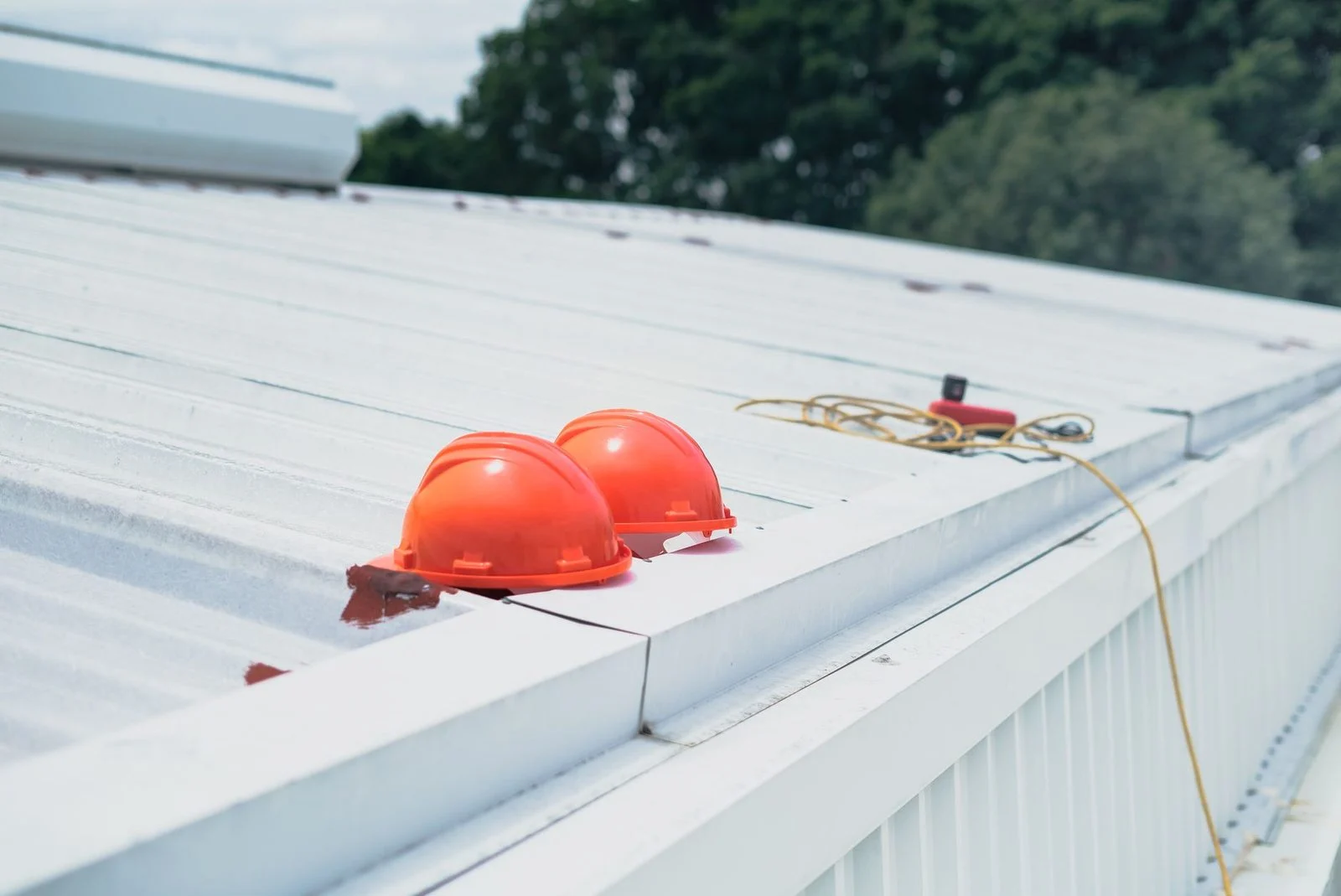
How a New Roof Affects the Inspection Findings
A new roof changes the roof covering. It can also change the attachment details the inspector records. The inspector documents the components installed today, not the roof that came off.
Roof deck attachment is one of the features insurers review. Florida’s roof criteria include “strengthening or correcting roof-decking attachments and fasteners during reroofing” under Fla. Stat. § 553.844. The same section says secondary water barrier criteria “may not be limited to one method or material.”
Miami-Dade County’s hurricane mitigation page explains that roof-sheathing attachment requirements apply under Florida wind-resistant roofing rules. It also identifies roof systems that need secondary water-barrier protection during some reroofing projects.
The common mistake is assuming the old roof’s details carry over. They don’t. Keep records that describe the new roof’s covering and fastening.
Will My Insurance Premium Drop After a New Roof?
A new roof may support a discount, but your insurer sets the amount and eligibility. Homeowners often ask how hurricane-resistant upgrades such as impact windows and impact doors may relate to their home insurance policies, and our team can discuss your home’s specific situation during a free first consultation.
Under Rule 69O-170.017, the discounts on the Office’s forms must be used without any modification unless they are supported by detailed alternate studies. Florida rules require that windstorm mitigation discounts in residential property insurance rates reflect the discounts set out in the state’s standard mitigation forms. An insurer may depart from those discounts only when the change is supported by detailed alternate studies whose assumptions are all available to the Office of Insurance Regulation for review. The roofing contractor does not set your discount.
Insurers can also check the form.
Read the wind mitigation section of your current policy. Then ask your insurer how a new roof would be recorded.
Metal, Tile and Shingle Roofs: What the Report Looks At
The report records the roof covering type, whether that is metal, tile, or shingle. The covering material goes on the record. The fastening underneath matters too, because the covering alone doesn’t show how the roof is tied to the deck and walls.
ASP Superhome offers metal roofing and tile roofing. On the inspection form, what counts is the material actually installed on the house.
Roof-to-wall connections get specific attention. Florida law gives priority to connecting the corners of roofs to walls, and to gable end connections for certain houses, under Fla. Stat. § 553.844. Ask your roofer to document how the new roof connects at the gable ends and corners, so those details are on paper.
Timing the Inspection Around Your Roof Replacement
Schedule the inspection after the new roof is finished and the work is final. The report is most useful when it shows the roof that is actually on the house.
Permits matter here too. Keep the permit and final inspection records with your roof paperwork.
Renewal timing is the other piece. Under Fla. Stat. § 627.4133, insurers must give at least 45 days’ advance written notice of the renewal premium for personal lines residential policies. Your roof work and your renewal date may not line up. Check your renewal date early, and plan the inspection before hurricane season arrives.
Paperwork to Keep From Your Roof Replacement
Keep the permit record, the signed contract, the product details for the covering and fasteners, and the final inspection report. Together they show what was installed.
Keep a copy with the rest of your roof records.
Frequently Asked Questions
How does a wind mitigation inspection roof discount work in Florida?
The inspection report goes to your insurer, and the insurer decides whether to apply a discount and how much. Eligibility and amount vary by company.
Wind mitigation form details
Should I get the inspection after reroofing?
Schedule it after the new roof is finished. The report then reflects the roof installed on the house.
Not sure what your next step is?
Talk it through with our team — the first consultation is free, confidential, and carries no obligation.

Talk With Our Team About Your Roof Replacement
If your roof replacement is underway or planned, and your renewal is coming up, you may wonder how the new roof will appear on your insurance paperwork. Our team can walk through the roof details, permits, and records with you.
Your first consultation with ASP Superhome is free, confidential, and carries no obligation to continue. You can request a quote for roof work and talk through your options at our contact page.
What Insurers Typically Look At
Roof Covering
The type and condition of the roofing material, including metal and tile roofs, is part of the inspection.
Roof Deck Attachment
How the roof sheathing is fastened to the framing helps show how the structure resists wind.
Roof-to-Wall Connection
The way the roof is anchored to the walls is a key part of the wind mitigation report.
Opening Protection
Impact windows and impact doors are documented as protection for openings in the home.
Timing Matters
If you are planning a roof replacement, schedule the wind mitigation inspection after the new roof is finished. The report should reflect the roof that is actually on the home. Insurers decide whether to apply a discount and how much, and eligibility and amounts vary by company.
How the Process Works
1. Plan Your Upgrades
Tell us about your roof, windows, and doors so we can understand what is already in place and what you are considering.
2. Complete the Inspection
Once your roofing or impact work is finished, the inspection documents the home's wind-related features.
3. Share the Report
The report goes to your insurer, who decides whether to apply a discount and how much.


