


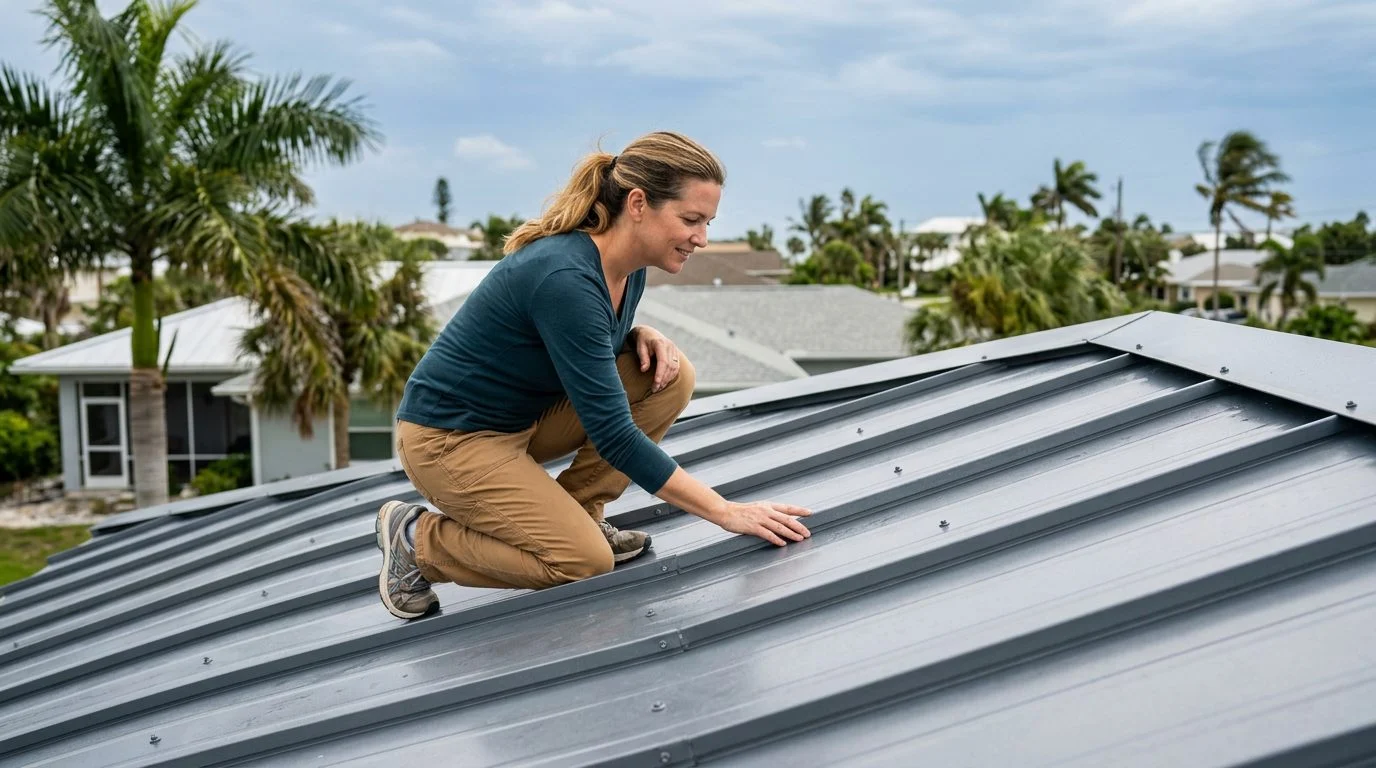
Metal Roofing South Florida
Metal Roofing Built for South Florida's Climate
Learn how metal roofs handle sun, salt, rain, and hurricanes—plus what to expect on cost and installation.
By ASP Superhome · Published September 13, 2026
Metal Roofing in South Florida: Types, Costs & Benefits
Metal roofing is one of the strongest, longest-lasting options for South Florida homes because it stands up well to intense sun, heavy rain, salt air, and hurricane-season winds. If you’re weighing your next roof, this guide explains the types, real cost factors, durability, code rules, and energy benefits so you can decide with confidence.
At ASP Superhome, we install metal roofing across Miami, Fort Lauderdale, West Palm Beach, Kendall, Naples, Fort Myers, and Boca Raton. This pillar page pulls together everything we know from working on roofs in these coastal conditions. It’s built for homeowners who are comparing materials and want honest answers before they commit.
Not sure what your next step is?
Talk it through with our team — the first consultation is free, confidential, and carries no obligation.
Why metal roofing makes sense in South Florida
Metal roofing suits South Florida because it resists the exact stresses that wear other roofs down fast. Our climate is tough on any roof. Summer UV bakes shingles. Afternoon storms dump heavy rain. Salt air corrodes weak materials. And every year, hurricane season tests how well a roof is fastened down.
Worn asphalt shingles curl and crack under constant heat. Aging tile can crack or slip after storms. Metal, by contrast, sheds water quickly and holds up to sun and wind when it’s installed right. That’s why so many homeowners here look at metal when it’s time for a change.
This page covers the whole picture: roofing types, cost drivers, lifespan, hurricane and code rules, energy performance, and insurance. Each section links to a deeper read if you want more detail on one topic.
Types of metal roofing available
There are several metal roofing systems, and the right one depends on your home’s look, your budget, and how close you are to the coast. Here are the main choices we install.
Standing seam metal roofs
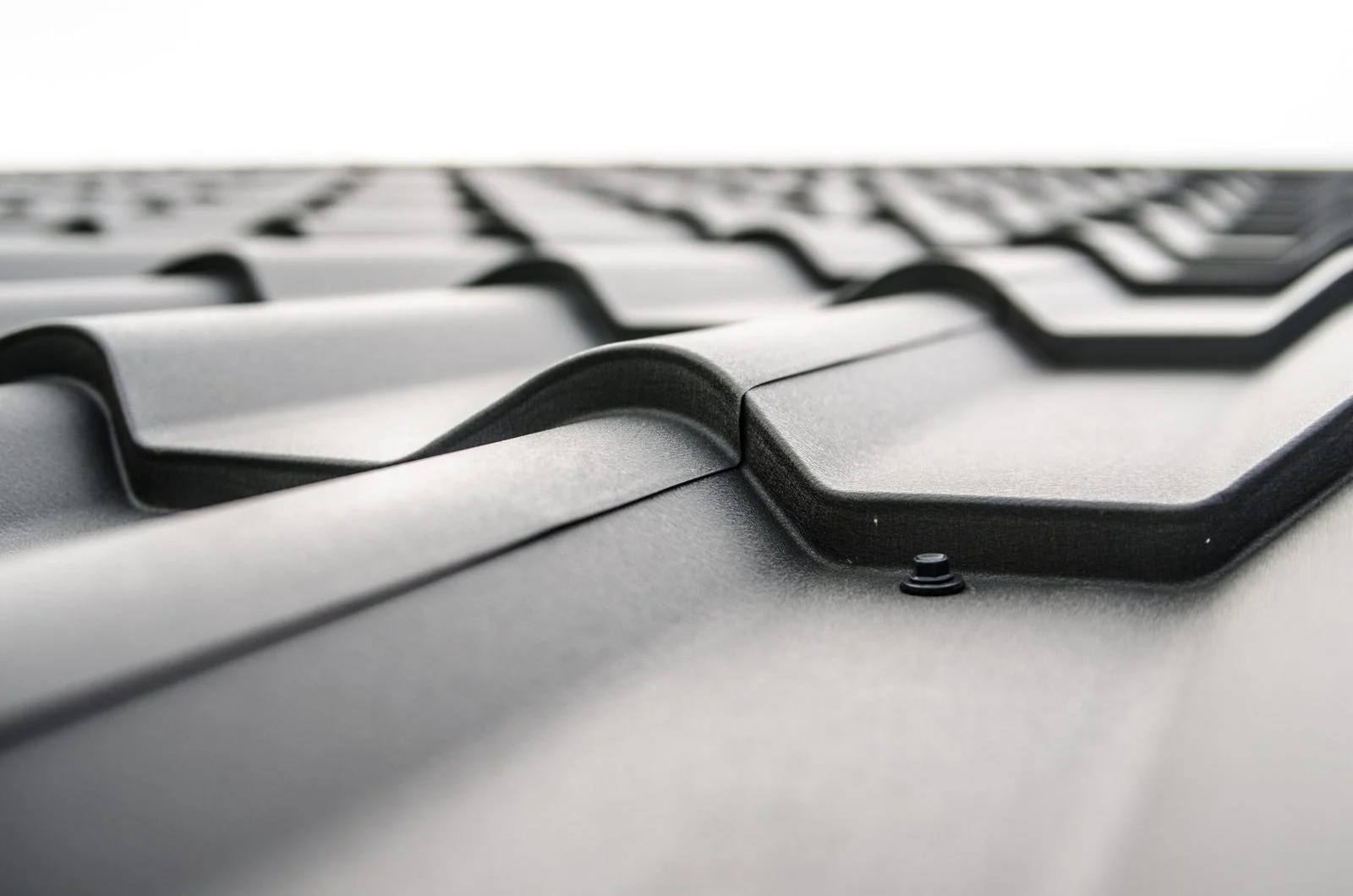
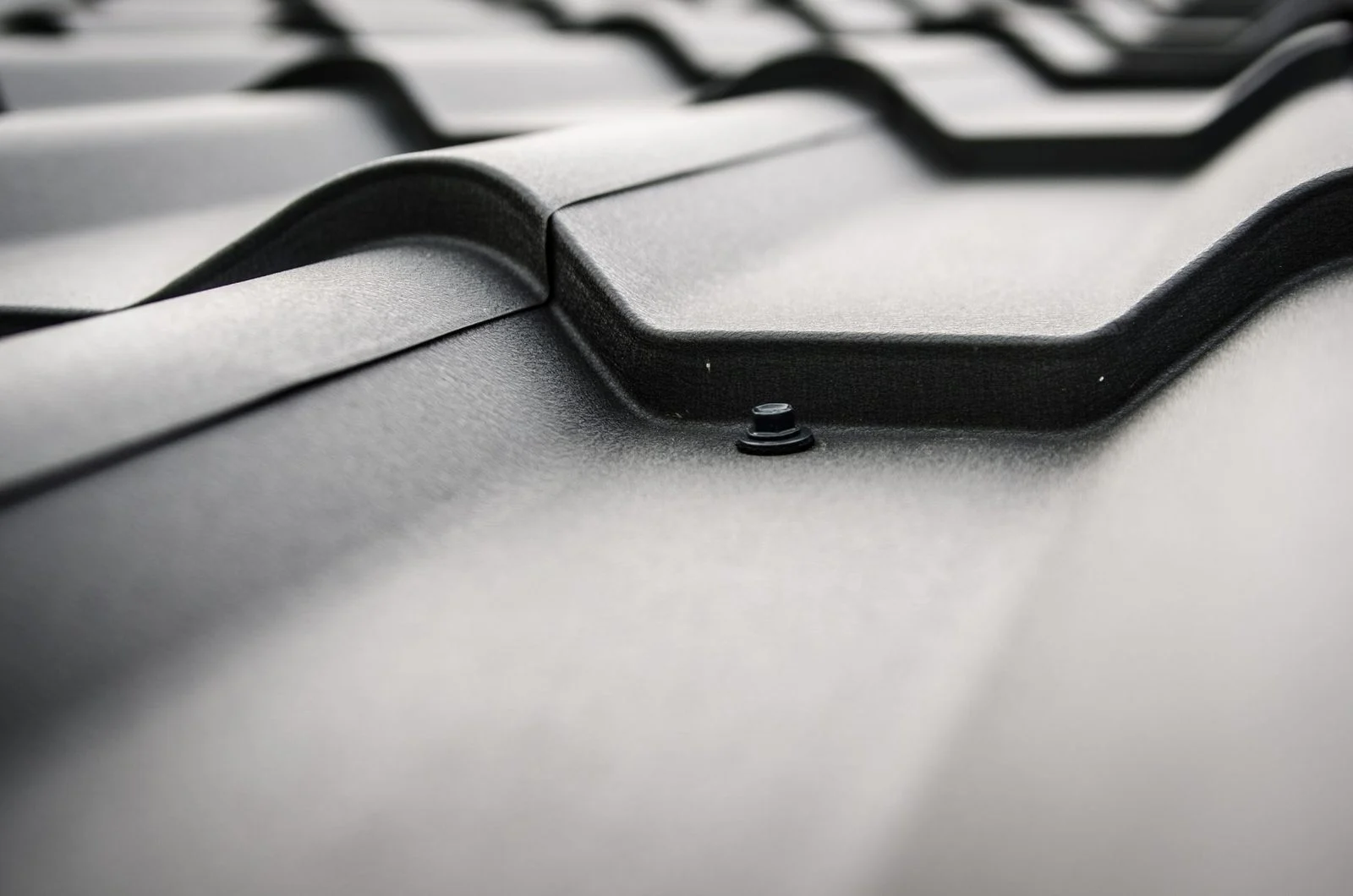
Standing seam roofs use raised, interlocking seams with hidden fasteners. Because the fasteners aren’t exposed, there are fewer spots for leaks or corrosion to start. The clean, vertical-line look fits modern and coastal homes well. Learn more on our standing seam metal roof installation page.
Metal shingles and metal tile systems
Prefer a traditional look? Metal shingle and metal tile systems mimic the appearance of asphalt shingles or clay tile. You get the classic style with the strength of metal underneath.
Exposed-fastener panels
Exposed-fastener panels screw directly through the metal into the roof deck. They cost less and install faster. They work well on some structures, though they need more attention to fastener maintenance over time.
Common metals and finishes
The metal itself matters, especially near salt water. Aluminum resists corrosion well, so we often favor it for coastal homes. Galvalume and galvanized steel are strong and popular a bit farther inland. Premium options exist too. Light, reflective finishes also help reflect heat instead of soaking it up. For a full rundown, see our guide to the types of metal roofing.
How much does a metal roof cost in South Florida?
A metal roof’s price depends on your material, roof size, pitch, complexity, and whether the old roof needs removal. There’s no single number that fits every home, and generic averages online can be misleading.
Coastal-grade materials cost more than basic panels, but they hold up better near salt air. Code-compliant installation in our hurricane zone also affects the price, because the fastening and underlayment must meet strict standards. A steeper or more complex roof takes more labor, too.
It helps to think of metal as a longer-term investment. Asphalt often needs replacing again after a shorter run in this climate. Metal is built to last, which can change how you weigh the upfront cost. We don’t guarantee any specific savings. For a real number tied to your home, get a specific quote instead of relying on a chart. See our metal roof cost in South Florida breakdown for the details.
How long metal roofs last in Florida
Metal roofs are among the longest-lasting roofing materials, and in Florida they typically outlast asphalt shingles by a wide margin. The exact lifespan depends on the metal you choose, its coating, how well it’s installed, and how you maintain it.
Coating quality and material choice matter most near the coast. A quality finish protects against UV and moisture. Good installation keeps water out and fasteners secure. Simple upkeep, like keeping the roof clear of debris, helps it reach its full life.
What about rust near the coast? We answer this honestly: material selection is everything. Aluminum resists corrosion far better than bare steel in salt air, which is why we lean toward it for oceanfront and near-coast homes. Read more in our guides on how long a metal roof lasts in Florida and whether metal roofs rust in coastal areas.
Metal roofs and hurricanes: wind ratings and building code
Metal roofs can perform very well in high winds when they’re engineered and fastened to meet Florida’s tough standards. Wind performance is not optional here. South Florida sits in some of the most hurricane-prone counties in the country.
Roof systems are rated for wind uplift, which measures how much force it takes to pull the roof away from the structure. Products and installations are tested against these forces. In our region, the Florida Building Code sets the rules, and much of South Florida falls within the High-Velocity Hurricane Zone (HVHZ), which carries even stricter requirements. The State of Florida publishes its official statutes through the Florida Legislature at Online Sunshine, the authoritative source for state law.
The takeaway is simple: a metal roof’s storm performance depends heavily on correct installation and fastening. Even the best panel fails if it’s put on wrong. Our crews install to code for that reason. Learn more about metal roofs, hurricanes, and wind ratings and how the Florida Building Code applies to metal roofs.
Have questions about what happened?
Ask our team directly. The first conversation is free, confidential, and there is no obligation to continue.
Energy savings and comfort
Reflective metal roofing can lower how much heat your home absorbs from the Florida sun. Metal reflects a good deal of solar energy, and cool-roof finishes push that further. Less heat coming through the roof can mean a more comfortable home and less strain on your air conditioner.
We don’t promise a specific dollar figure, since every home is different. But the principle is sound, and many homeowners notice the difference in the hottest months. Metal roofs also make a strong base for solar panels. Their long life and clean surface pair well with a solar system. See our pages on metal roof energy savings in Florida and solar panels on a metal roof.
Insurance considerations for Florida homeowners
Your roof’s material, age, and wind resistance can all matter to Florida insurers. Insurance companies here pay close attention to roofs because storm claims are common. A newer, wind-resistant roof is often viewed differently than an old, worn one.
A wind mitigation inspection documents features that help a roof resist storm damage. That documentation can matter when you talk to your insurer. Keep your installation records, product approvals, and inspection reports in a safe place. They tell the story of a properly built roof. We cover this in more depth on our metal roofs and home insurance in Florida page.
Common concerns: noise, comparisons, and myths
The biggest metal roof myth is that it’s loud in the rain, and modern installation largely puts that concern to rest. A metal roof over solid decking with quality underlayment is not the tin-shed sound people imagine. The layers beneath the metal absorb and muffle sound. Read the full explanation on our page about whether metal roofs are noisy in the rain.
How does metal compare to tile? Both are popular in Florida for good reason. Tile offers a classic Mediterranean look and does well against heat. Metal is lighter, sheds water fast, and often needs less upkeep. Weight, style, and maintenance all factor into the choice. See our side-by-side on metal roof vs. tile roof to compare them fairly.
New installation, replacement, and repair
Whether you need a repair or a full replacement depends on the roof’s age, the extent of damage, and its overall condition. A small, isolated leak may only need a targeted fix. Widespread wear or storm damage often points to replacement.
A full metal roof replacement usually starts with tearing off the old roof. Then we inspect the decking for rot or damage and repair it as needed. Finally, we install the new system to code with proper underlayment and fastening. Skipping the decking check is a common shortcut that leads to problems later.
Watch for warning signs: repeat leaks, visible storm damage, rusted or lifted panels, or a roof simply reaching the end of its life. Acting before a small issue becomes a big one protects your home. Explore metal roof replacement and our guide on choosing between metal roof repair vs. replacement.
Metal roofing by South Florida city
We serve homeowners across South Florida, with local knowledge of each area’s conditions and permitting. Coastal Miami has different corrosion concerns than inland Kendall. West Coast cities like Naples and Fort Myers bring their own storm and salt considerations. Permitting also varies by county and city.
Find the page for your area:
- Metal roof installation in Miami
- Metal roofing in Fort Lauderdale
- Metal roofing in West Palm Beach
- Metal roofing in Kendall
- Metal roofing in Naples
- Metal roofing in Fort Myers
- Metal roofing in Boca Raton
Want to know where you stand?
Tell us what happened and our team will walk you through the options available to you, at no cost.
Deciding on your next roof
Choosing a roof comes down to a handful of decisions: the type of metal, the real cost for your home, expected lifespan, code and wind performance, energy benefits, and insurance. Metal roofing in South Florida checks a lot of boxes on all of those, which is why so many homeowners give it a serious look.
Maybe you’re comparing metal against tile or asphalt. Maybe you’re planning a replacement for an aging roof. Or maybe a recent storm forced the question. Whatever your situation, the next step is a clear, no-pressure conversation about what fits your home.
Frequently asked questions
Is a metal roof a good choice for South Florida’s climate?
Yes, metal roofing handles South Florida’s sun, rain, salt air, and hurricane winds well when it’s the right material and installed to code.
How much does a metal roof cost in South Florida?
Cost depends on the metal type, roof size, pitch, complexity, and old-roof removal, so a home-specific quote is far more reliable than a generic average.
How long does a metal roof last in Florida?
A quality metal roof typically outlasts asphalt shingles by a wide margin, with lifespan shaped by the material, coating, installation, and maintenance.
Do metal roofs rust near the coast?
Rust risk depends on the metal you choose. Aluminum resists corrosion far better than bare steel in salt air, which is why it’s often used near the coast.
Are metal roofs noisy in the rain?
No, a metal roof over solid decking with proper underlayment muffles rain sound and is not the loud tin-shed noise many people expect.
Can metal roofs withstand hurricanes?
Metal roofs can perform very well in high winds when they meet Florida Building Code and are fastened correctly for our hurricane zone.
Can you put solar panels on a metal roof?
Yes, metal roofs make a strong, long-lasting base for solar panels, which pairs well with their durability and clean surface.
Metal Roofing Types for South Florida Homes
Standing Seam Metal
Interlocking panels with raised seams that shed water and resist wind uplift. Durable in salt air and handles hurricane-force winds when properly installed.
Metal Shingles
Mimic the look of traditional shingles while delivering metal's durability. Lightweight, corrosion-resistant, and rated for South Florida's extreme weather.
Metal Tiles
Lightweight alternative to clay or concrete tile. Offers the aesthetic appeal of tile with superior wind and impact resistance in coastal environments.
Corrugated Metal
Cost-effective option with a wavy profile. Strong water drainage and wind performance, though less common for residential homes than standing seam or shingles.
Why Metal Roofing Works in South Florida
Hurricane & Wind Rated
Metal roofs are engineered to withstand South Florida's high-wind events when installed to code, with fastening systems designed for coastal conditions.
Salt Air & Corrosion Resistant
Proper coatings and finishes protect against salt spray corrosion common in Miami, Fort Lauderdale, and coastal areas throughout the region.
Energy Efficient
Reflective metal surfaces reduce heat absorption, lowering cooling costs during South Florida's long, hot summers.
Long-Lasting
Metal roofs often outlast traditional asphalt shingles, reducing the frequency of replacement and ongoing maintenance needs.
Lightweight Installation
Metal roofing weighs less than tile or concrete, reducing structural load and often simplifying installation on existing homes.
Low Maintenance
Metal roofs require minimal upkeep compared to other materials, though periodic inspections ensure fasteners and seals remain secure.
Installation Matters
Metal roofing performance depends on proper installation to local building codes and wind standards. Improper fastening, sealing, or flashing can compromise durability and weather resistance, even with premium materials.
Metal Roof Cost & What Affects Your Price
Metal Type
Standing seam, shingles, and tiles vary in cost. Standing seam is often mid-range; metal shingles and tiles depend on finish and profile.
Roof Size & Pitch
Larger roofs and steeper pitches require more material and labor. Complex roof designs with valleys and penetrations add to the total.
Old Roof Removal
Whether your existing roof is torn off or left in place affects labor time and disposal costs. Local codes may require removal of certain materials.
Finish & Coating
Premium coatings for salt-air resistance, color options, and UV protection influence the final price. Coastal-grade finishes cost more but last longer.
Metal Roof Repair vs. Replacement
When Repair Makes Sense
Isolated leaks, fastener issues, or minor denting can often be repaired. If your roof is less than halfway through its expected life and damage is localized, repair is usually the right choice.
When Replacement Is Better
Widespread rust, multiple leaks, extensive wind damage, or a roof nearing the end of its life justifies full replacement. A new roof provides peace of mind and protects your home for decades.
Professional Inspection
A thorough inspection identifies whether your metal roof can be repaired or needs replacement. Catching problems early prevents water damage and costly interior repairs.


