


Metal Roofing | Fort Lauderdale
Metal Roofing Built for Fort Lauderdale's Salt Air, Rain, and Wind
Compare panel systems, understand what drives cost, and see how wind rules shape your roof. Then book a free estimate with ASP Superhome.
By Jonathan Rodriguez · Published October 13, 2026
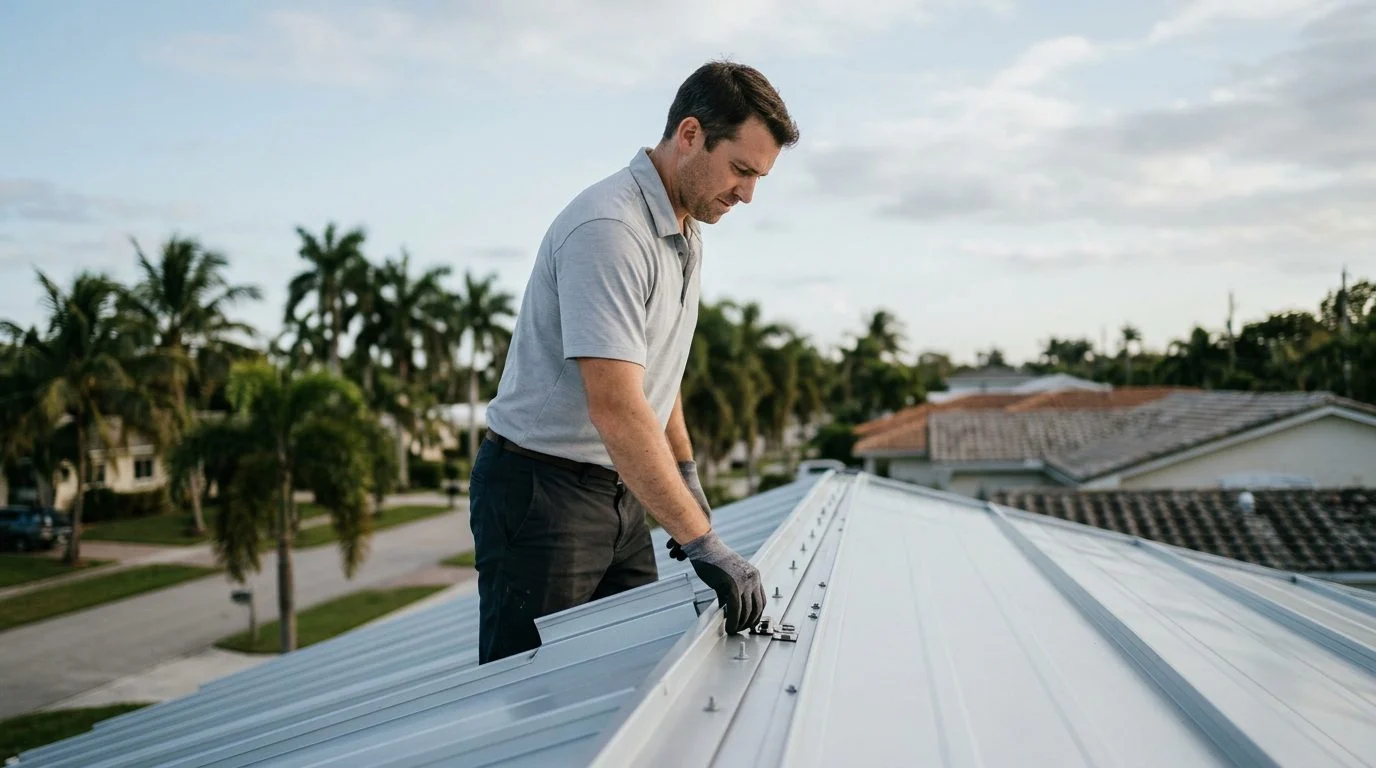
Metal roofing in Fort Lauderdale holds up well to salt air, heavy rain, and hurricane-season wind when the panel system fits the roof and the installation is done right. The best choice depends on your roof’s shape, your lot, and the condition of the roof under the panels.
Metal Roofing Built for Fort Lauderdale’s Weather
Fort Lauderdale roofs face conditions many inland roofs never see. Salt air drifts in from the Atlantic and settles on exposed metal. Afternoon storms drop heavy rain in short bursts. Summer sun heats roof surfaces hard, and hurricane season tests every fastener and seam.
Metal is a common choice for South Florida homes for good reason. It is lighter than many tile systems. It sheds water quickly. Light, reflective finishes also bounce more sunlight than dark shingles do.
Local conditions change the answer. A home closer to the water sees more salt spray than one farther inland. The same panel can perform differently on two nearby lots.
ASP Superhome installs metal roofing for Fort Lauderdale homeowners. Our broader South Florida metal roofing overview covers the full service area. This page focuses on Fort Lauderdale, and nearby cities have their own local details.
If your roof is aging, leaking, or was damaged in a recent storm, a measured inspection is the next step, and we'll put your free estimate in writing. Talk it through with our team — the first consultation is free, confidential, and carries no obligation.
What Does a Metal Roof Cost in Fort Lauderdale?
Metal roof cost depends on roof size, pitch, panel profile, metal gauge, coating, and whether old roofing must come off. No single price fits every Fort Lauderdale home, so we price each roof after measuring it.
Square footage causes the most confusion. A home with 2,000 square feet of living space does not have a 2,000-square-foot roof. Pitch, overhangs, and multiple roof planes add surface area. Two homes with the same floor plan can need very different amounts of metal.
Panel length also changes the job. Long panels that run the length of a roof plane can reduce seams on a simple roof. On a roof with many valleys, hips, and dormers, panels get cut more. Cutting creates waste and adds labor time.
Tear-off is the other big cost driver. Removing old tile, shingles, or an earlier metal roof adds labor and disposal. Whether a new layer can go over an existing roof is decided by local code and the enforcing agency, not by the installer alone. Broward County is in Florida’s High-Velocity Hurricane Zone, where the Florida Building Code sharply limits re-covering over existing roofing.
Our free estimate starts with a site measurement and condition check. You’ll get a written quote that lists what’s included, so you can see exactly what the number covers.
Standing Seam vs. Exposed Fastener Metal Panels
Standing seam panels hide their fasteners under raised seams, while exposed fastener panels show screws across the panel face. Both can work on a Florida home, but they perform differently under wind and heat.
Standing seam systems use concealed clips that let the metal move with temperature changes. Fewer exposed screws mean fewer spots where water can get in. Many homeowners choose this system for a clean, modern look, and it is a common fit for coastal homes.
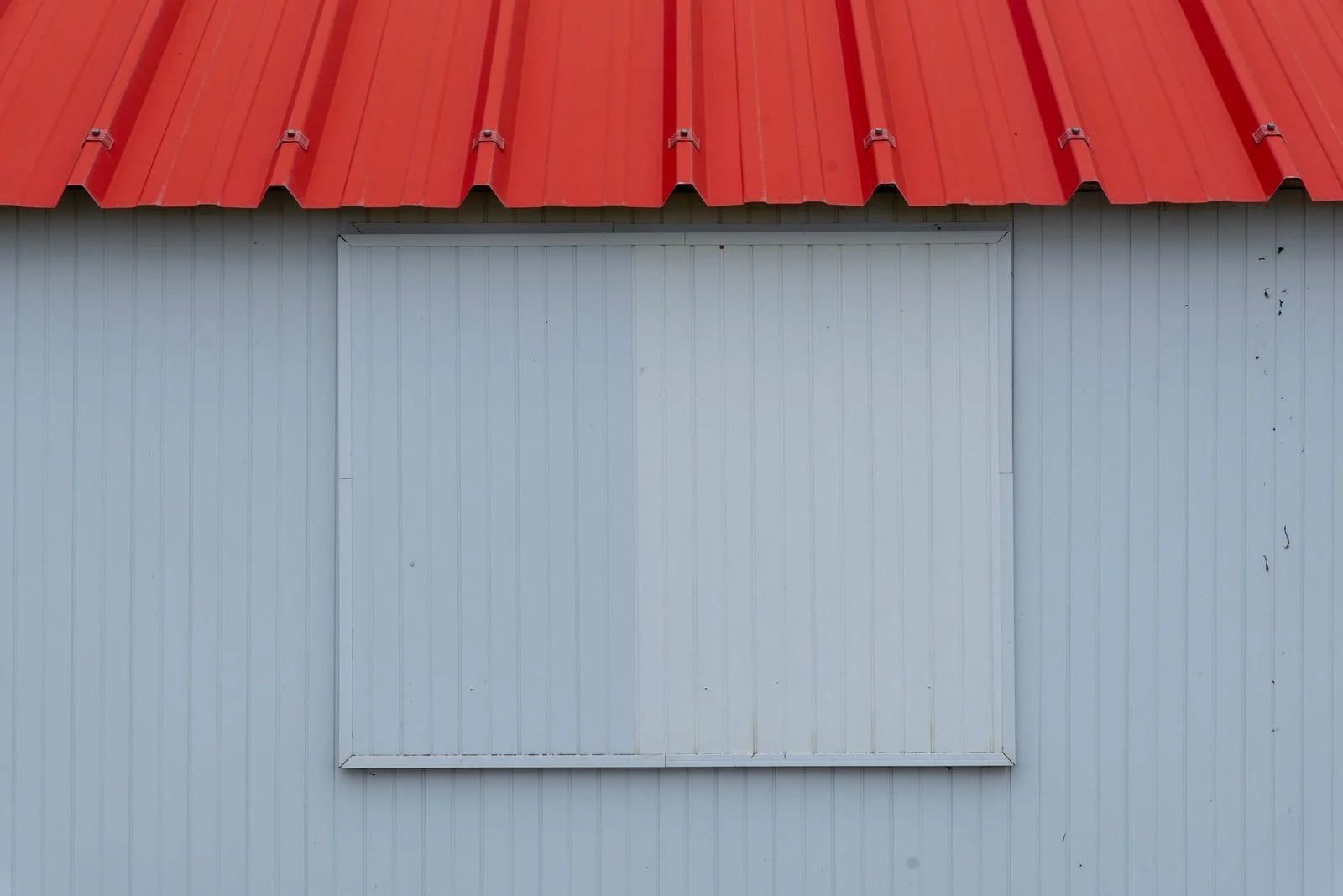
Exposed fastener panels use screws driven through the panel face into the deck or framing. They often cost less to install and suit some low-slope or accessory areas. Those screws need periodic checks, because they can loosen over time.
Panel choice should match the roof deck, pitch, and wind design. A good installer recommends one system after inspecting your roof. Neither system is universally best. The right answer depends on your home.
What Are the Biggest Problems with Metal Roofs?
The most common metal roof problems are thermal movement, fastener back-out, noise in rain, and corrosion. Most of them trace back to design or installation, so knowing them helps you ask the right questions.
Thermal movement happens because metal expands in heat and contracts as it cools. Panels fixed too rigidly can buckle or stress their fasteners. Good design allows for that movement.
Fastener back-out means screws slowly work loose. This concern is most common with exposed fastener systems. Correct driving depth and proper fastener selection reduce the risk.
Some homeowners worry about rain noise. Rain on bare metal over open framing is loud. Solid decking and underlayment soften the sound.
Corrosion is a bigger worry on a Fort Lauderdale lot. Salt air speeds up rust on the wrong metal. Mismatched metals, damaged coatings, and unprotected cut edges cause trouble. Coating choice, fastener metal, and gauge all matter here.
Many early problems trace to installation. Florida’s windstorm statute directs the Florida Building Code to include wind-mitigation techniques for reroofing, including secondary water barriers, for site-built single-family homes; some measures, such as roof-to-wall connections, apply only above set value thresholds (Fla. Stat. § 553.844). Underlayment, flashing, and correct fastening put those protections to work. Ask your installer how each one is handled.
Colors, Coatings, and Flashing Details for Coastal Homes
Light, reflective colors and a sound coating help a metal roof handle South Florida sun and salt air. Color affects how hot the roof surface gets. We don’t quote specific energy savings here.
Coatings protect the metal from salt and UV exposure. Coating systems differ in performance and warranty terms. Ask for the manufacturer’s written warranty before you sign anything. Read what it covers, how long it lasts, and what voids it.
Flashing is a common source of metal roof leaks. Flashing sits at ridges, valleys, walls, and roof penetrations like vents and chimneys. These spots move with the panels and take the most water. Properly sealed flashing matters more than panel color.
Accessories matter too. Trim, vents, and gutters should match the panel system in metal type and finish. Mismatched metals can corrode where they touch. Ask your installer to list each accessory and its material.
Florida Code, Wind Ratings, and Permits in Broward County
Florida law generally requires a building permit before work that alters or repairs a building. A roof replacement usually falls under that rule, so confirm it early with your contractor.
Broward County, including Fort Lauderdale, is in Florida’s High-Velocity Hurricane Zone (HVHZ). In the HVHZ, the Florida Building Code applies stricter roofing requirements than in much of the state, including sharp limits on re-covering over existing roofing. Permits and inspections are handled by the local enforcing agency, which decides how those requirements apply to your roof.
Under Fla. Stat. § 553.79, it is generally unlawful, with limited exceptions, to alter or repair a building in Florida without first getting a permit. If a permit is denied for non-compliance, the enforcing agency must name the failing features and give them to you. That gives you a clear list to work from.
Wind claims need paperwork. Under Fla. Stat. § 553.842, marketing a product as hurricane, windstorm, or impact protection is prohibited unless that product is approved under that section or holds local product approval under s. 553.8425, such as a Miami-Dade Notice of Acceptance (NOA). Ask for approval documents on any panel, fastener, or system sold with a wind rating. Products used in covered construction must also meet the Code or its intent under Florida’s product-approval rules.
Confirm the permit and inspection scope with your contractor before work begins. Ask who pulls the permit and who schedules inspections.
Do I need a permit to replace my metal roof?
Florida law generally requires a permit before work that alters or repairs a building. Confirm the scope with your contractor before any work starts.
Can a roofing product be marketed as hurricane or impact protection in Florida without approval?
No. Florida law prohibits marketing a product as hurricane or impact protection unless it is approved under Fla. Stat. § 553.842 or holds local product approval under s. 553.8425, such as a Miami-Dade NOA. Ask for those approval documents before you buy.
Not sure what your next step is?
Talk it through with our team — the first consultation is free, confidential, and carries no obligation.
Request Your Free Metal Roofing Estimate in Fort Lauderdale
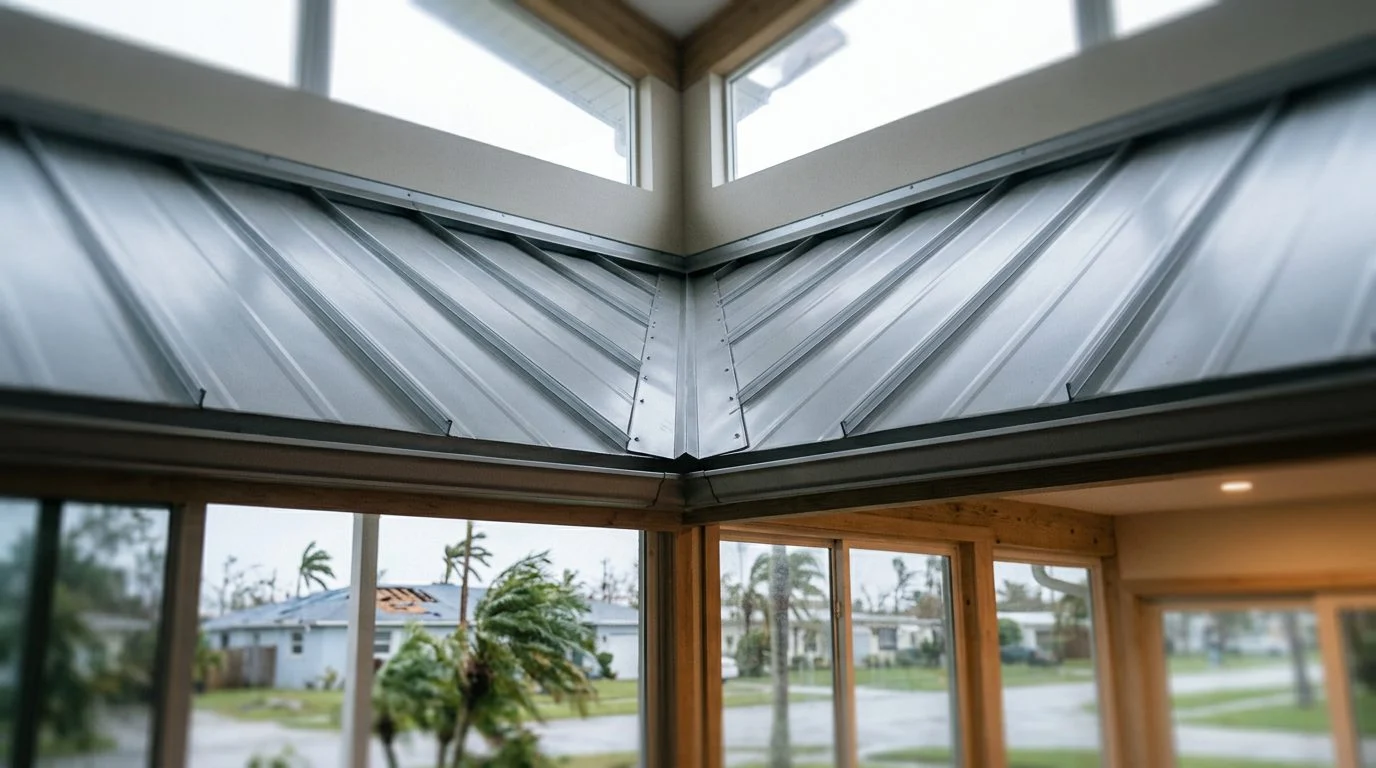
A free metal roofing estimate starts with a measured inspection, not a guess from photos. The process is simple and written out.
We measure the roof, review its condition, and check the deck and flashing. We recommend a panel system and wind approach that fits your home. Then you get a written quote with the scope spelled out.
Solar planning changes the order. If you plan to add solar panels or battery backup later, check the roof first. The U.S. Department of Energy’s Homeowner’s Guide to Going Solar covers solar basics for homeowners. The IRS residential clean energy credit page lists the current federal rules, which change over time. A roof that needs work is easier to fix before panels go on.
If your roof is aging, leaking, or was damaged in a recent storm, the next step is a measured inspection. Request your free estimate and we’ll put the scope in writing.
What Shapes Your Metal Roof Project
Coastal exposure
Salt air and wind-driven rain near the water call for corrosion-resistant finishes and careful fastening and flashing details.
Roof condition underneath
The deck, underlayment, and existing layers determine what a new metal system needs before the first panel goes on.
Wind-rated installation
Panel profile, clip spacing, and edge metal all affect how the roof handles high winds during storm season.
Roof shape and pitch
Simple gable and hip roofs differ from complex valleys and low slopes, and each changes both material needs and labor.
Check the Deck Before You Commit
A metal panel can only perform as well as the roof structure beneath it. Ask for a close look at decking, fasteners, and flashing before choosing a panel system, since hidden issues found after installation are harder and costlier to address.
Common Metal Roofing Options
Standing seam panels
Concealed fasteners and raised seams give a clean, modern look and suit low-maintenance goals on many Fort Lauderdale homes.
Exposed fastener panels
Often a budget-conscious route for simpler roof shapes, with fasteners visible on the panel face.
Metal shingles and tiles
Designed to mimic traditional shingle or tile profiles while keeping the weight and corrosion resistance of metal.
Roof replacement with metal
A full tear-off and new metal system lets you address the deck, underlayment, and drainage in one project.


